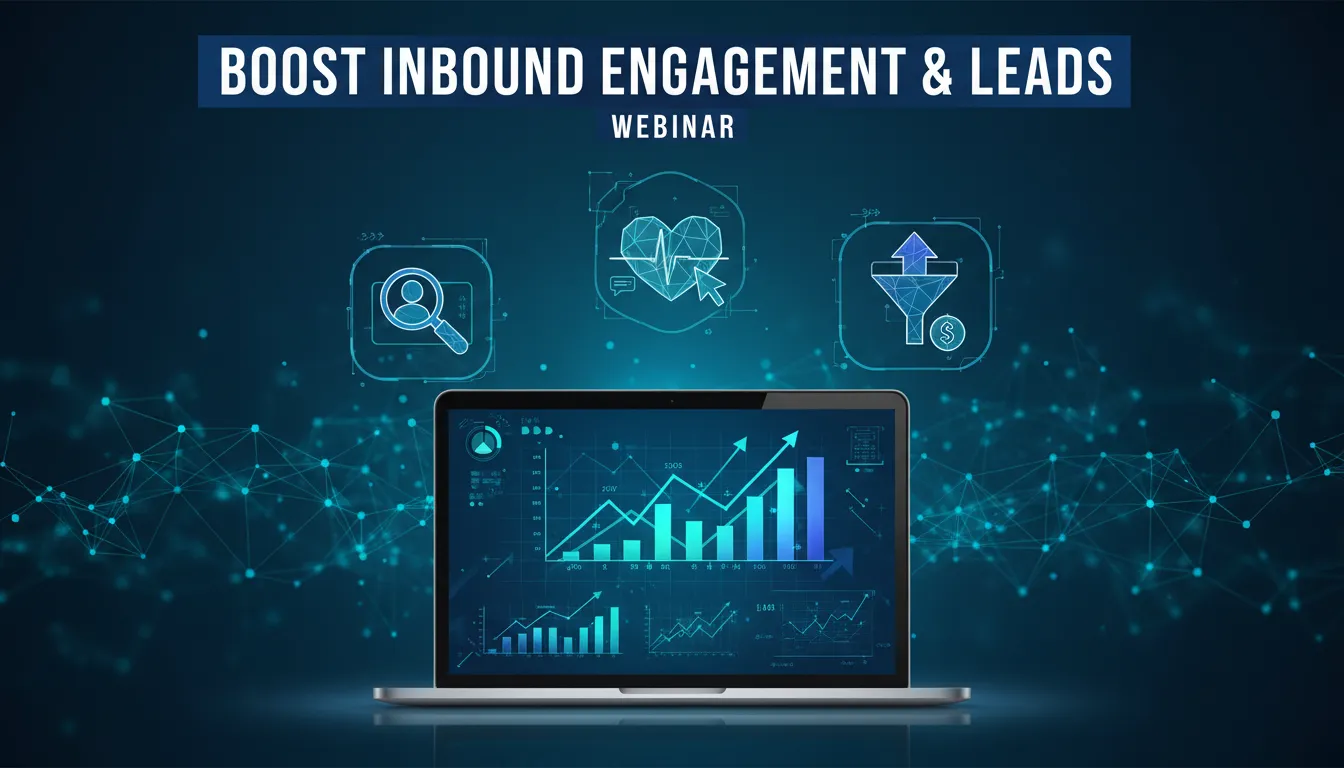
Webinar Marketing driving inbound growth by delivering interactive, high-value sessions that educate prospects, establish thought leadership, and capture actionable data, fostering deep audience trust and measurable lead conversion.
In today’s digital landscape, attracting and nurturing qualified leads requires inventive strategies that go beyond traditional inbound tactics. Webinar Marketing has emerged as a potent method to deliver live, interactive sessions that educate audiences while capturing valuable prospect information. Currently, businesses of all sizes leverage webinars to establish thought leadership, guide buyers through each stage of the decision-making process, and foster authentic engagement that static content simply cannot achieve. Organizations are refining their approach to Webinar Marketing by combining high-definition broadcasts with dynamic interaction tools and data-driven promotion techniques. In this article, we explore how to design, promote, execute, and measure webinars for maximum inbound impact, backed by insights from government and research institutions as well as industry best practices.
Defining Objectives and Audience for Webinar Marketing
Success begins by pinpointing clear goals and identifying the ideal attendees for your live event. When planning Webinar Marketing initiatives, start by asking: What specific outcome do we want? Goals may include generating marketing-qualified leads, showcasing product innovations, or delivering educational content that cements your brand’s credibility. By articulating precise objectives—such as securing 500 registrants or converting 15% of attendees into sales demos—you can align every aspect of your strategy toward measurable success.
Identifying Your Target Personas
Once objectives are set, map out your buyer personas in detail. Incorporate demographic information (age, role, industry), psychographic factors (pain points, motivations), and preferred content formats. This audience profiling ensures that your webinar topic resonates deeply, elevating registration rates and reducing drop-offs. According to a study from the Pew Research Center, personalization can boost engagement metrics significantly, illustrating why a tailored message is crucial.
Crafting a Compelling Webinar Topic
Topic selection is the foundation of Webinar Marketing. Choose subjects that address urgent challenges or emerging trends within your niche. For instance, a cybersecurity firm might host “Best Practices for Zero Trust Implementation,” while a digital marketing agency could present “Optimizing Social Ads for Peak ROI.” Ensure the title includes your focus keyword “Webinar Marketing” to support SEO goals for landing pages and promotional materials.
Creating Compelling Webinar Content and Format

Production quality and content relevance drive attendee satisfaction. In today’s environment where distractions abound, a polished presentation can spell the difference between a one-time registration and a long-term relationship. Structure your webinar into modules that balance information delivery with interactive segments like Q&A, polls, and breakout discussions.
Developing the Agenda
Divide your session into three parts: the hook, the core content, and an actionable close. Begin with a thought-provoking question or startling statistic to capture attention. For example: “Did you know that companies using Webinar Marketing see a 30% higher lead conversion rate?” Use data references from authoritative sources to back your claims; you might cite government insights on Digital.gov, highlighting best practices for online events.
Designing Visual Assets
Slides should be visually engaging yet uncluttered. Rely on high-resolution graphics, brand-consistent color palettes, and easily legible typography. To maintain a human touch, intersperse speaker headshots or live camera feeds. Interactive overlays—such as real-time polling results—reinforce participation and retain focus.
Effective Promotion Strategies for Webinar Marketing
Promotion is the lifeblood of any Webinar Marketing campaign. A multi-channel approach ensures your message reaches prospects through email, social media, paid ads, and partnerships. Each touchpoint should highlight a clear value proposition and a straightforward registration path.
SEO-Optimized Landing Pages
Create a dedicated page with an H1 title that includes your focus keyword. Follow Rank Math guidelines by writing meta descriptions under 160 characters and ensuring your URL slug is concise—e.g., “/webinar-marketing-strategies”. Optimize images with alt text like “Webinar Marketing Tips” and integrate schema markup for events to improve search visibility.
Email Sequences and Social Sharing
Segment your mailing lists based on interests or past interactions. Draft three to five emails: the initial invitation, a reminder one week before, one day before, and an hour before the webinar. Keep each email under 125 words and include a single call to action. On social platforms, share branded graphics, teaser videos, and countdown posts. Utilize paid social ads targeting lookalike audiences on LinkedIn and Facebook to broaden your reach.
Choosing and Optimizing Webinar Technology and Tools

A seamless technical experience underpins positive attendee impressions. Today’s market offers an array of platforms—Zoom Webinars, GoToWebinar, Webex Events—each with unique strengths. Prioritize features like HD streaming, automated recording, real-time polling, chat moderation, and integrations with CRM or marketing automation systems.
Testing and Setup Protocols
Schedule a dry run at least two days before the live session. Verify bandwidth stability, audio levels, lighting conditions, and slide transitions. Equip presenters with headsets and provide a clear checklist for logging in early, sharing test links, and confirming moderator roles. Document the process to streamline future events.
Branding and Integration
Use custom-branded registration pages and email templates to maintain consistency. Configure automated workflows in your marketing automation platform so registrants receive immediate confirmations and calendar invites. Ensure that attendee data flows seamlessly into your CRM, triggering follow-up tasks for sales or nurturing sequences.
Post-Webinar Engagement and ROI Measurement
The live event marks only half the journey. Effective Webinar Marketing extends into robust follow-up tactics and insightful analytics. Promptly deliver a thank-you email containing the session recording, slide deck, and any additional resources. Segment attendees by engagement level—those who stayed for the entire webinar, partial viewers, and no-shows—to tailor follow-up messaging and content offers.
Nurture Campaigns and Content Repurposing
Design drip campaigns that guide registrants toward the next step: scheduling a demo, downloading a whitepaper, or joining a free trial. Repurpose webinar content into micro-videos, infographics, blog posts, or social media snippets. This content atomization maximizes reach and extends the lifespan of your investment.
Performance Metrics and Analysis
Track key indicators such as registration-to-attendance ratio, average view duration, interaction rates (poll participation and chat messages), and post-event resource downloads. Tie these metrics back to revenue outcomes—cost per acquisition and conversion rate—to calculate your Webinar Marketing ROI. Use post-webinar surveys to glean qualitative feedback, uncovering areas for improvement in future sessions.
Innovations and Advanced Tactics in Webinar Marketing
Once your foundational process is established, experiment with innovations that elevate attendee experience and differentiate your brand. Consider hybrid events that combine local meetups with global live streams or interactive panels featuring customer success stories. Gamification elements—such as quizzes with prize incentives—boost real-time participation. Introducing AI-powered chatbots for instant FAQ responses can maintain conversational momentum during Q&A segments. For organizations targeting international audiences, integrate closed captioning or real-time translation services to break down language barriers and broaden reach.
Leveraging Data and Personalization
Advanced analytics tools allow you to segment attendees by interest and behavior, enabling hyper-personalized follow-ups. For instance, attendees who engaged with product-specific polls might receive targeted feature demos, while those interested in industry trends could get invitations to whitepapers or roundtable discussions. This data-driven approach enhances relevance and accelerates the buyer journey.
Advanced Personalization Strategies
To truly excel, organizations must move beyond generic broadcasts and embrace real-time personalization. By using attendee data, you can tailor the experience to specific buyer personas, ensuring the content feels like a 1-to-1 conversation rather than a 1-to-many lecture.
- Dynamic Content Delivery: Adjust the presentation based on live poll results to address the audience’s specific pain points.
- Segmented Breakout Rooms: Move participants into smaller groups based on their industry or job role for specialized networking.
- Personalized Post-Event Kits: Send unique resources based on which parts of the webinar the user engaged with most.
| Personalization Level | Engagement Impact | Strategy Requirement |
| Basic | Low | First-name email tags |
| Intermediate | Medium | Poll-driven content shifts |
| Advanced | High | AI-driven resource recommendations |
Optimizing the Technical Ecosystem
The success of your Webinar Marketing depends on a stable, integrated technical stack. A failure in audio or video can damage your brand perception instantly. It is essential to treat your webinar setup as a high-stakes digital asset that requires regular auditing and optimization.
- The Connectivity Pillar: Always use a hardwired ethernet connection. Relying on Wi-Fi is a risk that can lead to lag, undermining your digital marketing success stories.
- The Audio-Visual Pillar: Invest in a dedicated condenser microphone and 4K webcam. Clear visuals and crisp audio are non-negotiable for luxury brand marketing or professional B2B sessions.
- The Integration Pillar: Ensure your webinar software syncs directly with your CRM. This allows for immediate lead scoring and ensures your sales team can follow up while the brand awareness is still fresh in the prospect’s mind.
Synergizing Webinar Marketing with Global Outreach
To achieve true scale, your Webinar Marketing strategy must account for a globalized audience. Transitioning from a local event to an international broadcast requires a focus on accessibility and cultural relevance. This approach not only expands your reach but also solidifies your brand positioning in marketing as a global thought leader.
- Localization of Assets: Don’t just translate text; adapt your examples, case studies, and currency references to resonate with regional markets.
- Time-Zone Tiering: Host “follow-the-sun” sessions or offer “Simulive” (recorded video with live Q&A) to accommodate various geographic locations without exhausting your team.
- Inclusive Design: Implement closed captioning and ensure high-contrast visual aids to support inclusive brand strategies, making your content accessible to all.
| Global Element | Business Benefit | Technical Requirement |
| Multi-Language Support | Higher Brand Awareness in non-English markets | Real-time translation tools |
| Simulive Broadcasts | Consistent lead generation 24/7 | Automated webinar platform |
| Localized Case Studies | Improved Brand Perception and trust | Regional data and guest speakers |
FAQ
What is the primary goal of Webinar Marketing?
The main objective is to establish authority and nurture leads. By providing live, educational value, you build long-term brand trust and guide prospects through the complex inbound marketing funnel.
How do I choose the right platform for my webinar?
Evaluate tools based on HD stability, CRM integration, and engagement features like live polls. A seamless technical experience is vital for maintaining a professional brand personality in marketing.
What is the ideal length for a marketing webinar?
Most successful sessions last 45 to 60 minutes, including a 15-minute Q&A. This provides enough time for branded content marketing without causing audience fatigue.
How can I increase my webinar registration rates?
Use SEO-optimized landing pages and targeted digital marketing ads. Highlighting an industry expert or influencer can also leverage the importance and success of influencer marketing to attract a wider audience.
Is it better to host live or on-demand webinars?
Live sessions are superior for real-time engagement and emotional intelligence marketing, while on-demand versions act as a permanent digital asset for ongoing lead generation.
How do I keep attendees engaged during the session?
Incorporate interactive elements like live polls, Q&A segments, and gamification. High interaction rates are key to improving your brand perception in marketing.
What is a good attendee conversion rate?
While it varies by industry, converting 15-20% of attendees into qualified leads or demos is a strong benchmark for a successful Webinar Marketing strategy.
How should I follow up with “no-shows”?
Send a polite email within 24 hours containing the recording link. This demonstrates inclusive brand strategies by accommodating those with scheduling conflicts.
Can influencers participate in my webinar program?
Yes. Partnering with a creator for a “guest appearance” is an excellent example of how influencer marketing works to lend third-party credibility to your brand’s message.
How do I measure the ROI of my webinar?
Track the cost per registrant against the total revenue generated from converted leads. Integrating data with Google Analytics ensures you can see the full customer journey.
Conclusion
Webinar Marketing stands as a dynamic, high-impact inbound channel that marries education, engagement, and brand building in real time. By clearly defining goals, crafting tailored content, promoting strategically, leveraging reliable technology, and measuring rigorously, organizations can unlock a sustainable source of qualified leads. In today’s digital landscape, the power of live, interactive communication cannot be overstated. As you refine your webinar program, continually test new formats—hybrid models, gamification, AI integration—and analyze performance data to optimize results. Businesses that elevate their Webinar Marketing approach will deepen audience trust, accelerate conversions, and drive scalable growth.