
Emotional intelligence marketing transforms data into meaningful insights by connecting with customers’ emotions. By understanding and responding to feelings, brands foster trust, loyalty, and long-term engagement. Integrating emotional intelligence into every stage of the buyer journey creates authentic, human-centered marketing that drives both emotional and business impact.
In today’s fast-paced digital landscape, marketing has evolved beyond product features, pricing, and functionality. While data helps brands track behavior and performance, it often misses the emotional undercurrents that truly drive customer decisions. Emotional intelligence marketing bridges this gap by recognizing, understanding, and responding to the emotions behind consumer behavior. It’s about creating authentic connections that resonate with your audience on a deeper level. By integrating emotional insights into every stage of the buyer’s journey—from awareness to post-purchase engagement—brands can foster loyalty, improve engagement, and transform marketing from a transactional exercise into a human-centered experience. These frequently asked questions provide clarity on how emotional intelligence marketing works and why it’s a critical strategy for modern marketers.
Understanding Emotional Intelligence in Marketing
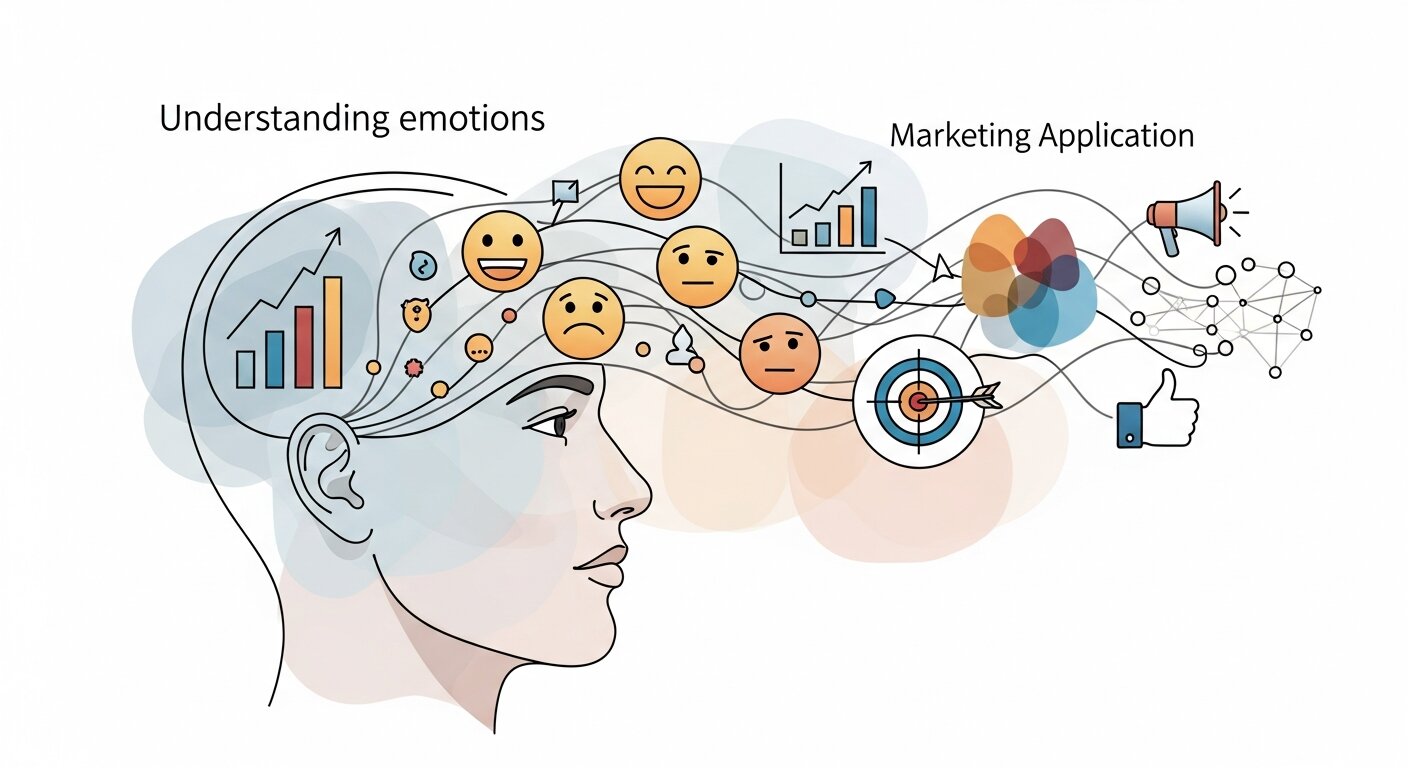
Emotional intelligence involves recognizing, understanding, and managing emotions—both your own and those of others. In marketing, this principle translates into emotional intelligence marketing, where the focus shifts from simply promoting products to truly understanding and empathizing with your audience.
This approach is not about manipulation or exploiting vulnerabilities. True emotional intelligence marketing creates authentic connections based on genuine understanding, respect, and empathy. Modern consumers have finely tuned authenticity detectors; they can recognize disingenuous attempts to leverage emotions from miles away. A brand that practices emotional intelligence marketing communicates like a trusted friend, not a salesperson pushing a transaction.
The Science Behind Emotional Decision Making
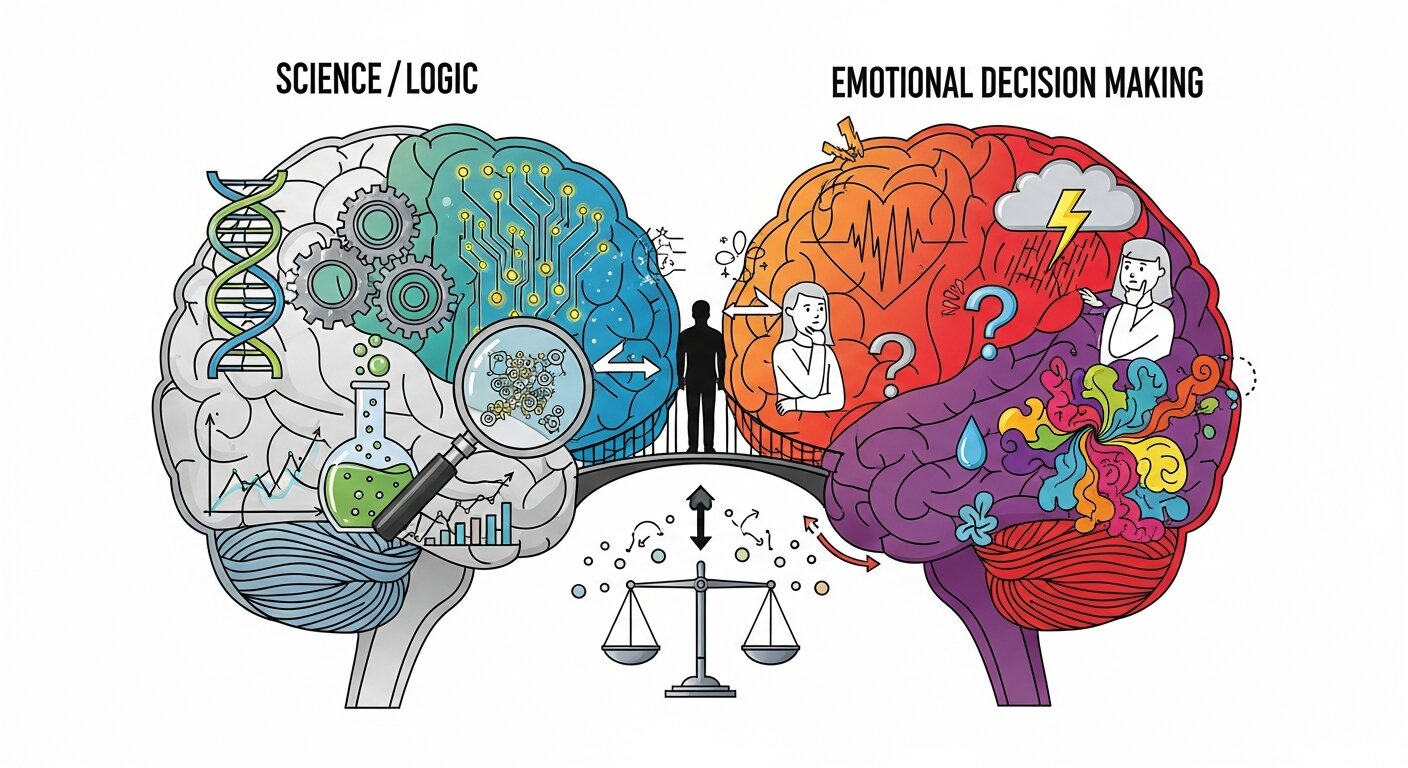
Neuroscience provides clear evidence supporting the power of emotional engagement in marketing. The limbic system, our emotional brain, processes information much faster than the rational cortex. This means emotions form first impressions that shape all subsequent interactions with your brand. You can learn more about how the limbic system influences decision-making in this Harvard Neuroscience article.
Harvard Business School professor Gerald Zaltman found that 95% of purchasing decisions occur in the subconscious mind, the area where emotions govern choices. These emotional responses happen whether a consumer consciously acknowledges them or not. Savvy marketers who leverage emotional intelligence marketing explicitly recognize these subconscious reactions and craft strategies that resonate emotionally. For further insights, see this Zaltman research on consumer behavior.
Identifying Emotional Triggers in Your Audience
Every audience has its own emotional triggers, and effective emotional intelligence marketing starts with identifying them. Industries often connect with specific emotions naturally. Healthcare messaging frequently appeals to fear, hope, or reassurance, while financial services marketing balances security concerns with optimism about the future. You can explore more about emotional triggers in these industries in this Marketing Science study.
Entertainment brands thrive by tapping into joy, excitement, and nostalgia, whereas sustainability-focused campaigns leverage concern for future generations. At InboundMarketo.com, we’ve observed that identifying just three to five core emotional triggers for a specific audience can dramatically improve campaign performance, demonstrating the power of emotional intelligence marketing in practice. For case studies on emotional targeting, check out this Forbes article on marketing psychology.
Emotion-Driven Content Creation
Emotionally intelligent content speaks directly to feelings while still providing meaningful information. It’s not about manipulation—it’s about relevance, connection, and authenticity. Storytelling in marketing remains the most powerful tool for emotional engagement, activating multiple brain regions that simple data or facts cannot. Learn more about why stories resonate in this Stanford Storytelling Research.
Personal narratives, customer journeys, and relatable scenarios generate emotional resonance far beyond what clinical product descriptions can achieve. Visual elements such as colors, images, and videos amplify emotional responses even before the audience processes a single word. Brands that embrace emotional intelligence marketing consistently use these storytelling techniques to build trust and loyalty.
Personal narratives, customer journeys, and relatable scenarios generate emotional resonance far beyond what clinical product descriptions can achieve. Visual elements such as colors, images, and video amplify emotional responses even before the audience processes a single word. Brands that embrace emotional intelligence marketing consistently use these storytelling techniques to build trust and loyalty.
In addition, segmentation and personalization are key components. By understanding the emotional drivers of distinct audience segments, marketers can tailor messages that feel highly relevant. This level of personalization embodies the core of emotional intelligence marketing, ensuring communications resonate deeply and foster genuine engagement.
Ultimately, emotional intelligence marketing is about fostering meaningful relationships between brands and audiences. It prioritizes empathy, insight, and authentic connection, transforming marketing from a transactional activity into an experience that resonates emotionally with customers. Brands that master this approach see higher engagement, stronger loyalty, and long-term growth, proving that emotions are not just a side factor—they are the driving force behind successful marketing today.
From Pain Points to Emotional Pain Points
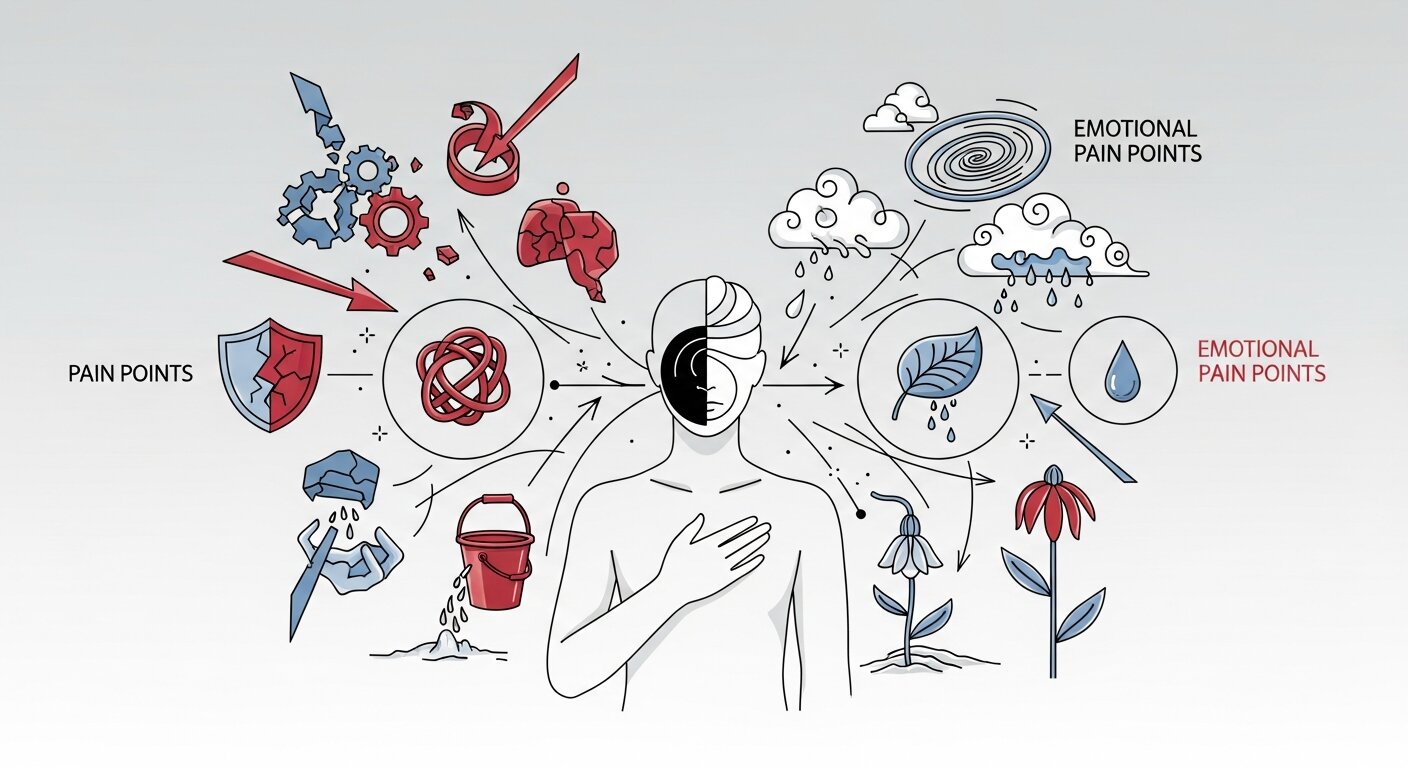
Traditional marketing focuses primarily on functional pain points, emphasizing efficiency, cost savings, and practical features. Emotional intelligence marketing, however, digs deeper to understand the feelings behind these challenges. By addressing the emotional dimension of consumer experience, brands can create messaging that resonates on a much more profound level.
A slow software system isn’t just inefficient—it can make users feel frustrated, embarrassed, or less competent in front of colleagues. High prices aren’t simply a budgetary concern—they may trigger feelings of exclusion, doubt, or anxiety about making the wrong choice. Emotional intelligence marketing reframes functional benefits as emotional benefits, turning “save time” into “gain confidence and peace of mind,” and transforming “improve productivity” into “feel empowered and capable.”
Emotional Intelligence Across the Buyer’s Journey
Understanding how emotions evolve throughout the buyer’s journey is central to emotional intelligence marketing.
Awareness Stage: Emotions here often include curiosity, confusion, or mild anxiety. Content should acknowledge these feelings while offering clarity, guidance, and reassurance. Blog posts, explainer videos, and introductory guides work best when they validate the audience’s emotional state.
Consideration Stage: Emotions become more complex—hope mixed with skepticism, excitement tempered by caution. Emotional intelligence marketing at this stage balances rational benefits with emotional appeals, using testimonials, success stories, and relatable scenarios to build trust and reduce doubt.
Decision Stage: Fear of making the wrong choice, desire for affirmation, and anticipation of positive outcomes dominate here. Brands applying emotional intelligence marketing provide reassurance, guarantee programs, and highlight positive outcomes to help customers feel secure and confident.
Post-Purchase Stage: Loyalty and advocacy are influenced heavily by post-purchase emotions. Addressing potential cognitive dissonance, celebrating milestones, and building community around the product experience ensures long-term satisfaction and turns customers into brand advocates.
Email Marketing with Emotional Intelligence
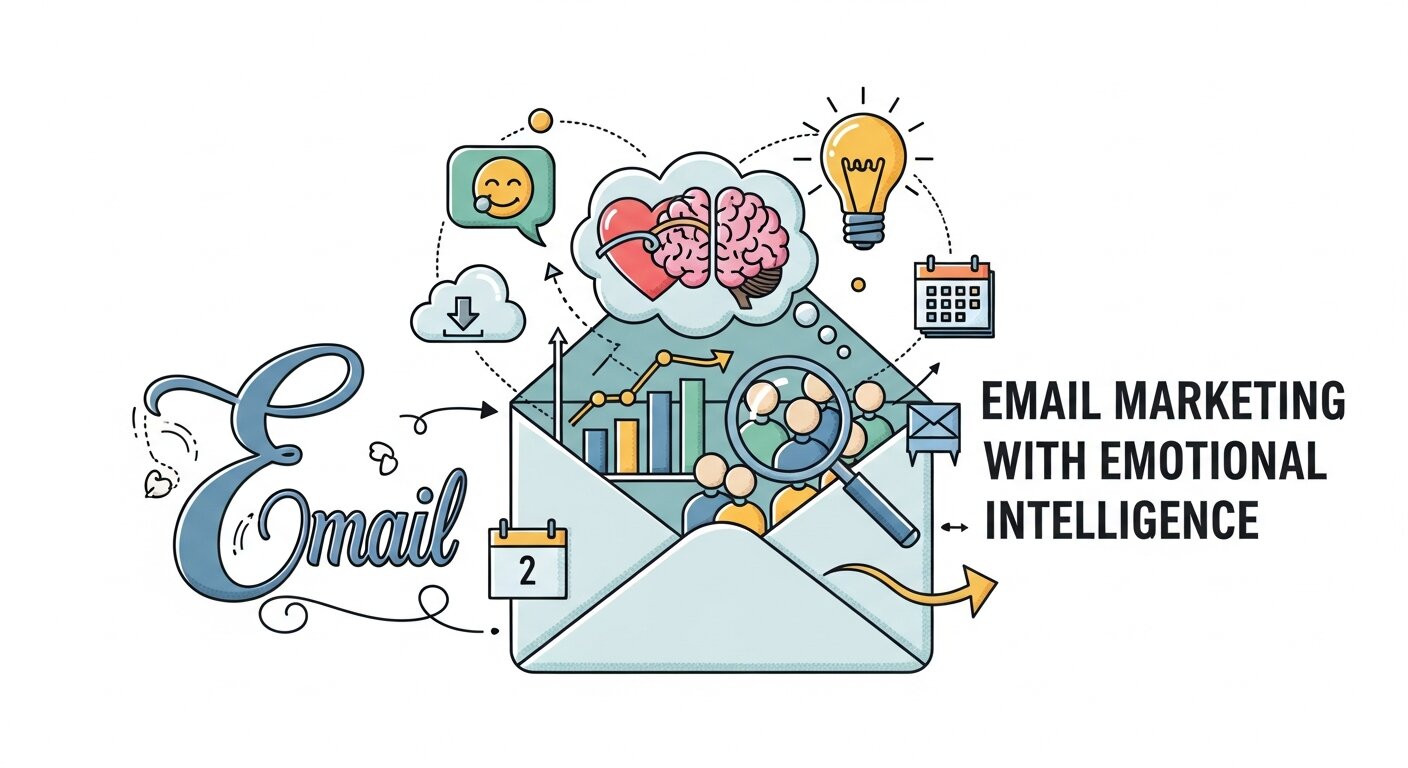
Email remains one of the most personal and direct channels for emotional intelligence marketing. Subject lines trigger immediate emotional responses, so they must align with the emotional states you aim to create. Learn more about crafting effective subject lines in this Campaign Monitor guide.
Personalization goes far beyond using first names. Emotional intelligence marketing leverages previous interactions, personal milestones, and individual pain points to make each message feel unique. According to Campaign Monitor, emails with personalized subject lines experience 26% higher open rates, demonstrating the power of emotional connection in communication. You can explore more on email personalization best practices here.
Timing is also crucial. Delivering emails when recipients are likely to be most receptive emotionally—whether based on time of day, behavioral triggers, or stage in the buyer journey—significantly improves engagement. Emotional intelligence marketing recognizes that context matters as much as content. For more on optimizing email timing, see this HubSpot email timing guide.
Social Media as Emotional Touchpoints
Each social media platform carries its own emotional environment, and emotional intelligence marketing tailors messaging accordingly. LinkedIn content often appeals to professional aspiration, thought leadership, and credibility, while Instagram thrives on visual beauty, creativity, and personal expression. Learn more about platform-specific strategies in this Sprout Social guide.
Simply broadcasting identical messages across all channels undermines emotional resonance. Social listening tools allow brands to detect emotional undercurrents in their audience—how people feel about a topic, what concerns or excites them, and how they express those emotions. Emotional intelligence marketing goes beyond monitoring mentions; it interprets the emotional meaning behind audience interactions. Explore social listening strategies here.
Community management is a live demonstration of emotional intelligence marketing in action. Thoughtful, empathetic responses to comments, especially negative ones, show that a brand truly understands and cares about its audience. Addressing complaints with patience, validating feelings, and offering solutions strengthens trust and builds lasting loyalty. For tips on managing online communities, see this Hootsuite community management guide.
Ultimately, emotional intelligence marketing transforms every touchpoint—emails, social media, website interactions, and customer support—into an opportunity to connect deeply with audiences. By understanding emotions and responding with empathy, brands create memorable experiences that drive engagement, satisfaction, and long-term loyalty.
Data and Emotional Intelligence: Partners, Not Opponents
Data analytics helps marketers identify emotional patterns at scale, revealing insights that go beyond simple metrics. Engagement metrics, such as clicks, shares, time on page, and video completion rates, can uncover which emotional approaches resonate most strongly with your audience. Emotional intelligence marketing leverages these patterns to craft campaigns that speak to both the rational and emotional aspects of consumer decision-making. For an overview, see this Google Analytics guide.
A/B testing different emotional angles often yields surprising insights. For example, emphasizing security versus excitement in messaging can produce dramatically different responses depending on audience segment and context. Emotional intelligence marketing recognizes that small shifts in tone, imagery, or narrative framing can trigger significantly different emotional reactions. Learn more about A/B testing emotional campaigns here.
Qualitative feedback provides context that numbers alone cannot capture. Customer interviews, surveys, and focus groups reveal feelings, fears, aspirations, and motivations that underpin behavioral data. The most effective emotional intelligence marketing strategies combine quantitative and qualitative data to form a complete picture of both behaviors and the emotions driving them, creating campaigns that resonate on a deeper level. You can read more about qualitative marketing research methods here.
Developing Your Team’s Emotional Marketing Intelligence
Building emotional intelligence begins with listening. Encourage marketing teams to immerse themselves in customer feedback, social media conversations, and support interactions. Observing emotions in real contexts helps teams internalize the feelings that guide customer decisions.
Create buyer personas that go beyond demographics to include emotional states, fears, aspirations, and values. These personas serve as a guide for emotional intelligence marketing, ensuring messaging addresses real human concerns rather than abstract targets. For guidance, see this HubSpot buyer persona guide.
Practice perspective-taking exercises. Ask team members to review campaigns from multiple emotional standpoints—imagine how a frustrated, excited, anxious, or hopeful customer might perceive your messaging. Diverse teams naturally enhance emotional intelligence marketing, as varying life experiences contribute broader emotional perspectives. Learn more about team empathy exercises here.
Measuring the Impact of Emotional Intelligence
Traditional marketing metrics remain valuable, but new measures are needed to track emotional connection. Brand affinity, sentiment analysis, loyalty indicators, and engagement with emotionally resonant content all provide insight into the emotional impact of campaigns. Emotional intelligence marketing incorporates these metrics to evaluate how well campaigns foster meaningful connections.
Customer lifetime value often correlates strongly with emotional engagement. Emotionally engaged customers are more likely to spend more, make repeat purchases, and advocate for your brand. Similarly, Net Promoter Score reflects emotional bonds, as people only recommend brands they feel genuinely connected to. Content sharing rates also indicate emotional resonance, showing which campaigns spark excitement, empathy, or inspiration.
Common Emotional Intelligence Pitfalls in Marketing
While emotional intelligence marketing can be transformative, missteps are common. Manufactured emotion feels inauthentic and alienates audiences. Emotional manipulation may generate short-term gains but erodes trust over time. Cultural differences also matter—emotional expression varies across regions, and misreading cultural norms can backfire. Finally, emotional overwhelm can turn audiences off; campaigns must balance emotional appeal with clarity, rational information, and actionable next steps.
Practical Steps to Enhance Your Emotional Marketing
Start with internal reflection: how does your product or service genuinely make people feel? What emotional transformation does it enable? Emotional intelligence marketing begins with honesty—understanding the real emotions behind your brand’s value proposition.
Conduct empathy interviews with customers to uncover not only their practical needs but also how they feel throughout the buyer journey. Audit existing content for emotional resonance. Does your messaging acknowledge and address the feelings behind customer challenges? Train customer-facing teams to recognize emotional cues and respond effectively, ensuring consistency across all touchpoints.
Conclusion
Emotional intelligence transforms inbound marketing from a purely technical exercise into a human-centered connection. While data provides the roadmap, emotions fuel the journey. The most effective marketers balance analytical thinking with emotional understanding, recognizing that behind every data point is a person with complex feelings influencing their decisions.
By embedding emotional intelligence marketing into your strategies, you build deeper connections that transcend transactions. You cultivate relationships grounded in genuine understanding, empathy, and shared values. In an increasingly automated marketing landscape, emotional intelligence may become your most powerful differentiator. Technology can facilitate emotional intelligence marketing, but it can never replace the human touch—the authentic connection that turns customers into loyal communities and advocates.
Frequently Asked Questions
What is emotional intelligence marketing?
Emotional intelligence marketing is the practice of using emotional insights to guide marketing strategies. It involves understanding, recognizing, and responding to customers’ emotions to build deeper, authentic connections.
How does emotional intelligence marketing differ from traditional marketing?
Traditional marketing focuses on functional benefits, such as price, speed, or convenience. Emotional intelligence marketing goes beyond these to address the feelings and motivations behind customer decisions.
Why is emotional intelligence important in marketing?
People make decisions based on emotions first and justify them with logic. Emotional intelligence marketing helps brands connect with these underlying feelings, improving engagement and loyalty.
How can marketers identify emotional triggers in their audience?
Marketers can use a combination of quantitative data (clicks, engagement metrics) and qualitative insights (interviews, surveys, social listening) to uncover the emotions that influence behavior.
Which marketing channels benefit most from emotional intelligence marketing?
All channels benefit, but email, social media, video, and content marketing are particularly effective. Personalized messaging, storytelling, and visual cues help evoke emotional responses.
Can emotional intelligence marketing improve ROI?
Yes. Customers who feel emotionally connected to a brand are more likely to make repeat purchases, advocate for the brand, and remain loyal, directly impacting revenue and lifetime value.
What are common mistakes in emotional intelligence marketing?
Common pitfalls include manufactured emotion, emotional manipulation, ignoring cultural differences, and overwhelming audiences with excessive emotional content. Authenticity is key.
How can marketing teams develop emotional intelligence skills?
Teams can practice empathy exercises, conduct customer interviews, analyze feedback, create emotionally informed buyer personas, and collaborate with diverse teams to broaden perspective.
How is emotional intelligence measured in marketing?
Metrics such as brand sentiment, customer lifetime value, Net Promoter Score, content sharing, and engagement rates help evaluate emotional connection and resonance.
Is emotional intelligence marketing effective for all industries?
Yes, though emotional triggers vary by industry. Healthcare often appeals to hope or reassurance, finance to security and optimism, entertainment to joy and excitement, and sustainability to concern for future generations.