
Customer Journey Gaps are missing content and experiences that block prospects from moving smoothly through their journey. Mapping the customer journey uncovers these gaps, helping marketers create context-aware content that supports awareness, consideration, decision-making, and post-purchase engagement. Addressing these gaps improves conversions, accelerates sales cycles, and fosters long-term customer loyalty.
In today’s competitive market, prospects no longer follow a simple, linear path to purchase. Each individual embarks on a unique journey, seeking information, evaluating options, and making decisions at their own pace. While many marketers create buyer personas to understand who their customers are, these static profiles often fail to capture how prospects move through different stages of awareness, consideration, and decision-making.
Customer journey mapping fills this critical gap by providing a dynamic, time-based view of your prospects’ experience. It reveals the exact touchpoints, questions, and obstacles that shape their decision process, highlighting where your content strategy may be falling short. Identifying and addressing Customer Journey Gaps ensures that your content guides prospects smoothly, reduces friction, and ultimately converts interest into action. By taking a journey-centric approach, marketers can create an integrated, multi-channel content ecosystem that nurtures awareness, supports evaluation, and drives long-term loyalty.
Beyond Basic Buyer Personas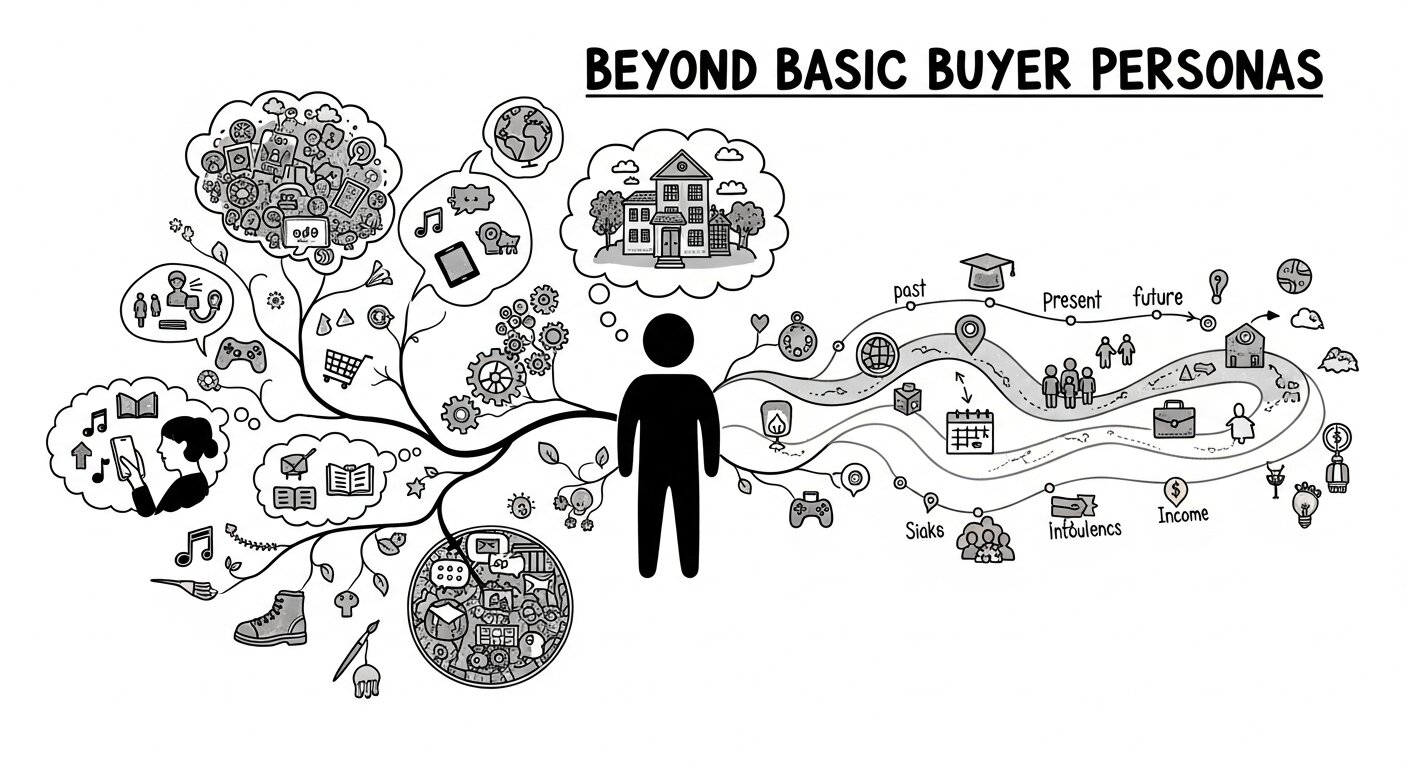
Most marketers have created buyer personas. These fictional representations of ideal customers help guide messaging, targeting, and overall marketing strategy. While valuable, personas alone are static—they tell you who your customer is but not how they make decisions over time. This is where understanding Customer Journey Gaps becomes essential.
Customer journey maps add the critical dimension of time and progression to your understanding. They transform flat personas into dynamic stories that reveal evolving needs, questions, and obstacles at each stage of engagement with your brand. By overlaying personas with actual behaviors and touchpoints, marketers can pinpoint the precise Customer Journey Gaps that may be preventing prospects from advancing toward conversion.
This temporal perspective is exactly what helps uncover content gaps hiding in your inbound strategy. Without mapping the journey, your content may address assumed customer needs but miss the actual information or support prospects require at critical moments. Identifying Customer Journey Gaps ensures that content exists for each stage, guiding prospects smoothly from awareness to decision.
The Anatomy of an Effective Journey Map
A well-constructed customer journey map contains several key elements that provide context for content planning and gap analysis:
- It divides the customer experience into distinct stages, typically beginning well before purchase and extending beyond it.
- It identifies the actions customers take, questions they ask, and emotions they feel at each stage.
- It documents the touchpoints where customers interact with your brand across multiple channels, such as social media platforms or email marketing campaigns.
- It highlights pain points and moments of truth that influence decision progression.
- Most importantly for inbound marketers, it reveals precisely what information customers need at each stage to move forward confidently.
By mapping these elements, marketers can identify Customer Journey Gaps more effectively, ensuring every touchpoint is supported by appropriate content.
Common Content Gaps at the Awareness Stage
The awareness stage is often deceptively well-covered by inbound strategies, yet subtle gaps can significantly impact conversion rates. Many brands focus exclusively on problem-based content without addressing the triggers that cause prospects to seek solutions. Others jump too quickly to branded solutions before establishing credibility through educational resources. Some neglect industry trend reports that help prospects understand the broader context of their challenges.
At Inbound Marketo, we’ve found that gaps at this early stage often stem from assumptions about what information prospects already possess. Remember that your prospects don’t know what you know. Content that seems basic to you might be exactly what they need to move forward. Recognizing Customer Journey Gaps at the awareness stage ensures that your content nurtures awareness in a structured, meaningful way.
Consideration Stage: Where Most Content Strategies Break Down
The consideration stage typically contains the most critical content gaps in inbound strategies. Brands often produce broad overviews and detailed product pages but miss the crucial middle ground—content that helps prospects evaluate approaches and methodologies. They overlook solution comparison guides that address alternative options honestly and authentically. They neglect to provide evaluation frameworks that help prospects develop meaningful criteria for decision-making.
Research from Gartner indicates that B2B buyers spend just 17% of their purchase journey meeting with potential suppliers. The rest is spent independently researching or discussing options with colleagues. This highlights the importance of self-service content that supports evaluation without sales intervention. Failing to provide this content creates significant Customer Journey Gaps that can slow progress and reduce conversion potential.
By analyzing these stages and reviewing actual user behavior, marketers can pinpoint the content gaps in their inbound strategy and take action to fill them. Addressing these gaps at both the awareness and consideration stages ensures a seamless experience for prospects while maximizing engagement and conversions.
Ultimately, understanding and addressing Customer Journey Gaps is not just about filling holes in content—it’s about guiding customers through a carefully structured journey, reducing friction, and enabling informed decision-making. Companies that consistently evaluate and optimize for these gaps are far more likely to convert leads efficiently and build long-term relationships with their audience.
Mapping your journey and identifying Customer Journey Gaps is an ongoing process. As customer expectations evolve, regularly revisiting these maps ensures your content strategy remains relevant, comprehensive, and aligned with actual customer needs.
By proactively targeting Customer Journey Gaps, inbound marketers can create a truly integrated experience that educates, engages, and converts at every stage of the journey—leveraging strategies like Gamification in Inbound Marketing: Boost Engagement with Interactive Experiences to make interactions more engaging, memorable, and effective..
Decision Stage: Converting Interest to Action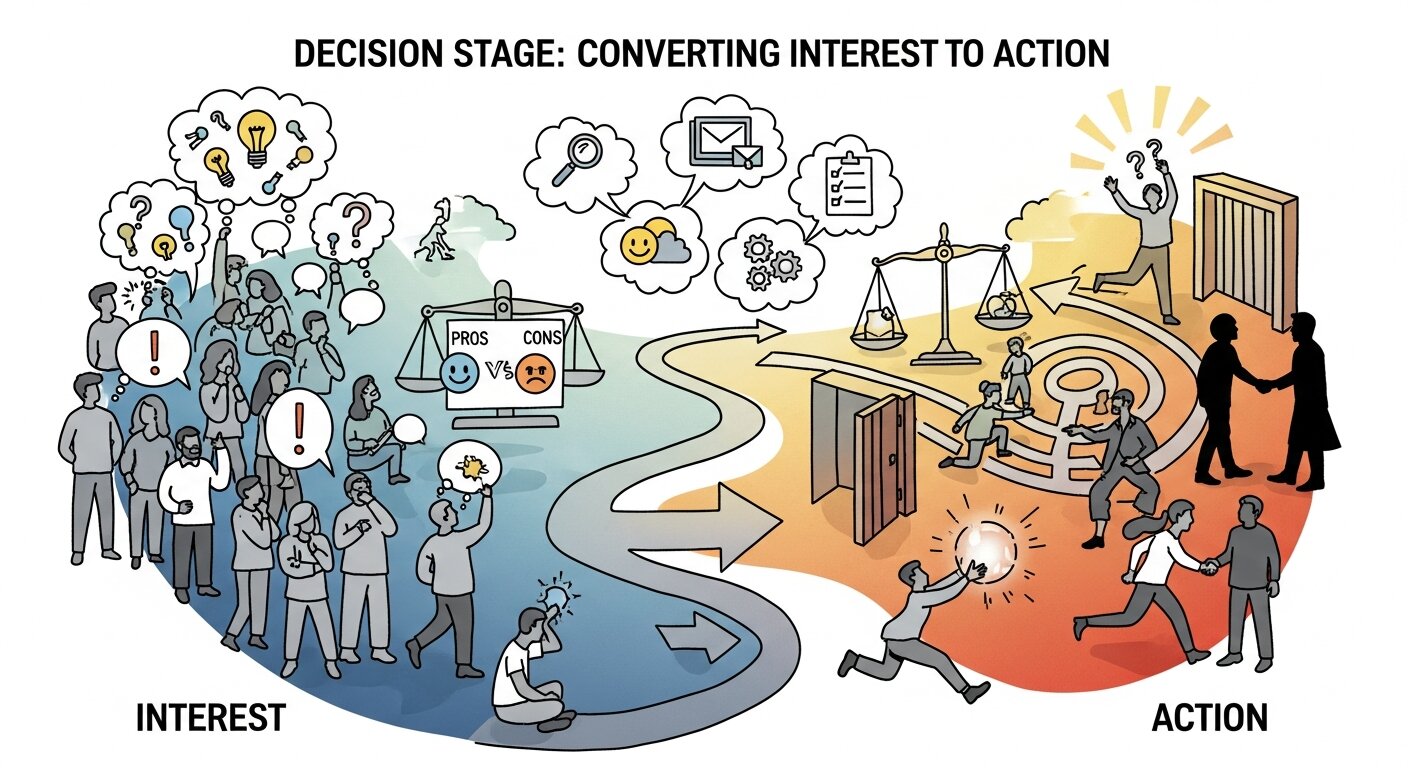
At the decision stage, gaps often aren’t about the quantity of content but its specificity and practical application. Many brands produce case studies, product documentation, and ROI tools, yet they fail to address the nuanced needs of decision-makers.
Case studies frequently lack sufficient detail about implementation processes, real-world challenges, and measurable outcomes. Prospects need to understand not just what a solution does, but how it can be applied successfully in situations like theirs.
Product documentation often emphasizes features rather than practical usage scenarios relevant to specific industries or organizational roles. Without this context, prospects struggle to see how your offering solves their unique problems.
ROI calculators and value justification tools sometimes miss critical variables that matter to different stakeholders, such as cost of adoption, cross-departmental benefits, or operational constraints.
These types of gaps manifest as extended sales cycles, where prospects appear interested but hesitate to commit. Identifying these Customer Journey Gaps at the decision stage allows marketers to create content that reduces friction, addresses objections proactively, and accelerates conversions.
Post-Purchase Gaps That Undermine Customer Success
The customer journey doesn’t end at purchase, yet many inbound strategies largely ignore post-purchase content needs. This neglect creates hidden Customer Journey Gaps that directly affect retention, customer satisfaction, and long-term revenue.
Onboarding content often rushes through the fundamentals that new users need to establish competency and confidence. Without structured guidance, customers can feel lost or uncertain about how to use your product effectively.
Success content rarely addresses intermediate and advanced usage that maximizes long-term value. Customers need ongoing support to evolve from basic adoption to fully realizing the benefits of your solution.
Community-building content, such as forums, peer support groups, or user-generated tutorials, is frequently overlooked. These resources provide inspiration, troubleshooting assistance, and motivation that drive engagement and loyalty.
By addressing these post-purchase Customer Journey Gaps, marketers can improve retention, encourage expansion revenue, and foster referrals that fuel sustainable growth.
The Multi-Channel Content Journey
Effective journey mapping reveals not only what content customers need but also where and how they prefer to consume it. Modern buyers engage with multiple touchpoints before making decisions. According to Content Marketing Institute, customers review an average of three to five content pieces across different channels before purchase.
Despite this, many brands create disconnected experiences that fail to reflect the multi-channel reality:
- Email nurture streams reference resources that aren’t readily accessible from the message, leaving prospects frustrated or confused.
- Social media content often links to generic landing pages rather than directly addressing the specific topic or intent that prompted engagement.
- Website navigation sometimes follows internal organizational logic instead of the intuitive flow of the customer journey, creating friction that prevents progression.
Recognizing these Customer Journey Gaps allows inbound marketers to create coherent pathways that guide prospects across channels while maintaining contextual relevance, increasing engagement and conversion potential.
Taking Inventory: Auditing Existing Content Against the Journey
Before creating new content, it’s essential to map your existing assets against the customer journey to identify true Customer Journey Gaps. A structured content audit ensures resources are deployed efficiently and highlights areas needing attention.
- Catalog all content pieces, including blog posts, guides, videos, webinars, case studies, and tools.
- Assign each piece to the primary journey stage it serves and the specific questions it answers.
- Evaluate content coverage density across stages, noting areas with abundant resources versus stages with thin or missing coverage.
- Assess the quality and relevance of existing content, flagging outdated or underperforming assets for updates.
This systematic inventory often reveals surprising patterns—some stages may have content abundance while others remain virtually unaddressed. Addressing these Customer Journey Gaps ensures a complete and coherent content strategy that supports prospects from awareness through post-purchase engagement.
Prioritizing Content Gap Filling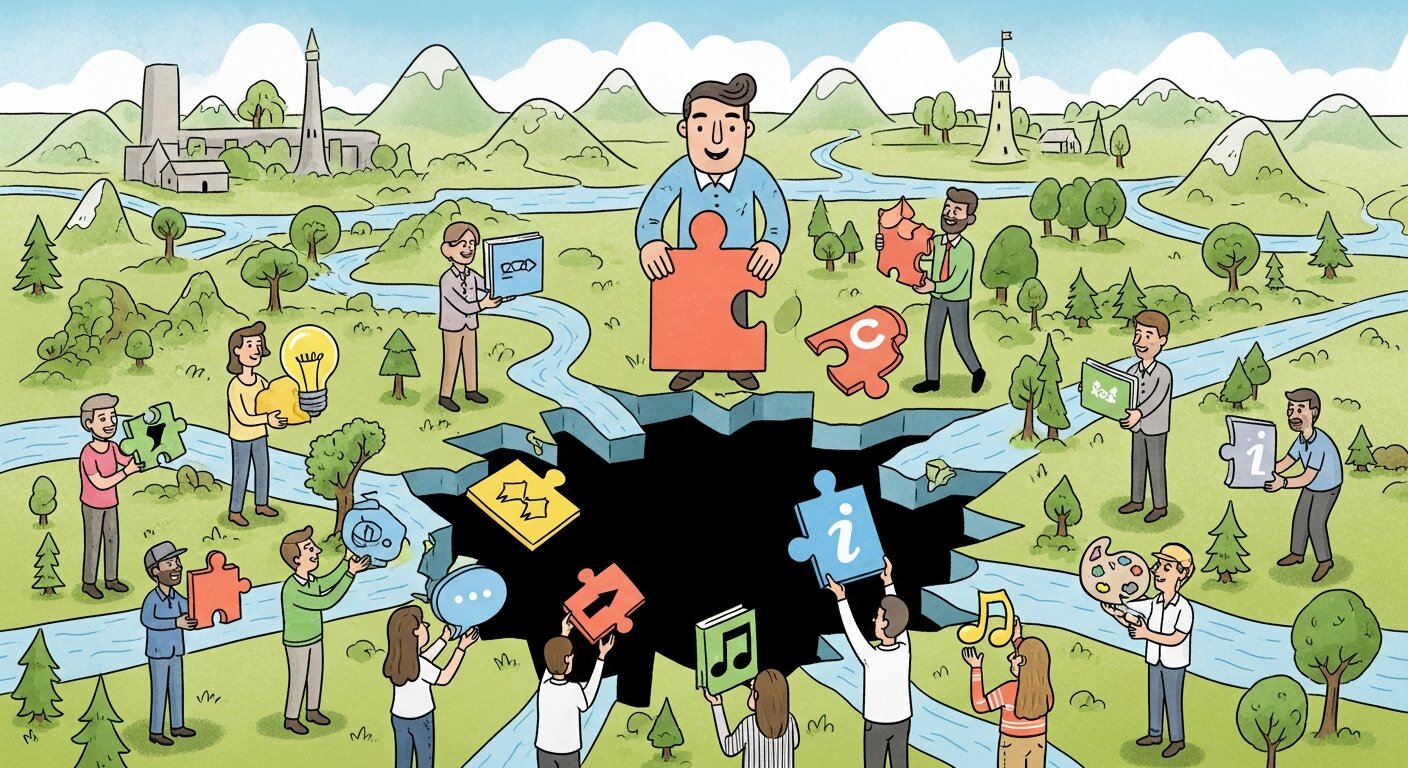 Not all content gaps deserve equal attention or immediate resources. Strategic prioritization is essential to maximize impact and optimize resource allocation. High-impact gaps—those that affect the largest segments of your audience at critical decision points—should take priority. Similarly, content that addresses objections consistently reported by your sales team as stalling points should be fast-tracked for development.
Marketers also need to consider the complexity and resource requirements of different content types when planning production schedules. Long-form guides, interactive tools, and video tutorials may take more time and investment than blog posts or infographics. By balancing quick wins with longer-term strategic content development, teams can ensure continuous improvement while gradually filling critical Customer Journey Gaps across the entire inbound strategy.
Creating Content With Journey Context
Content developed with journey context differs fundamentally from isolated topic-based content. It explicitly acknowledges where the reader likely stands in their decision process and anticipates the natural next questions that arise at each journey stage. This approach ensures content does more than just inform—it guides prospects toward logical next steps rather than presenting abrupt or generic calls to action.
By connecting content to both previous and subsequent journey stages, marketers can create coherent progression rather than disjointed information. This method is key to identifying and addressing Customer Journey Gaps, as it ensures each asset actively facilitates movement through the funnel rather than leaving prospects stalled due to missing information. Journey-aware content transforms standalone assets into powerful tools that move prospects forward with confidence.
Measurement Beyond Traditional Metrics
Evaluating content effectiveness within a journey context requires metrics that go beyond standard pageviews and time-on-page analytics. Marketers should:
- Track progression metrics that show how prospects move between journey stages after consuming content.
- Measure content influence on sales velocity—how efficiently prospects advance through the decision process.
- Analyze content sequencing patterns to identify effective pathways versus dead-ends in the content ecosystem.
- Gather qualitative feedback from customers regarding which content pieces most influenced their decision confidence.
These journey-centric metrics provide deeper insight into content effectiveness and help identify persistent Customer Journey Gaps that may be slowing conversions or creating friction in the buyer’s experience.
Journey-Based Content Planning Frameworks
Shifting to journey-based content planning transforms how marketing teams conceptualize editorial calendars. Instead of focusing solely on topics or SEO keywords, teams can set coverage goals based on journey stages. This approach helps ensure content addresses every critical interaction and minimizes overlooked Customer Journey Gaps.
Key strategies include:
- Developing content clusters organized around journey stages rather than individual keywords.
- Creating detailed content briefs that include explicit journey context for writers, designers, and producers.
- Scheduling regular journey mapping refreshes as market conditions, competitor strategies, and customer behaviors evolve.
By implementing this framework, marketing teams keep their strategy genuinely customer-centric, rather than defaulting to product-focused messaging that often leaves significant Customer Journey Gaps.
Small Teams, Big Impact: Practical Implementation
Comprehensive journey content may seem overwhelming for small teams, but practical strategies make it achievable. Focus on one persona journey at a time rather than attempting simultaneous development across all segments. Leverage internal subject matter experts to create high-value content efficiently, and repurpose or adapt existing assets to fill gaps before investing in entirely new content.
Partnering with customers to co-create authentic content addressing real-world challenges is another powerful approach. These methods allow even resource-constrained teams to gradually close Customer Journey Gaps, building a library of journey-aligned content that drives measurable business results over time.
The Continuous Evolution of Customer Journeys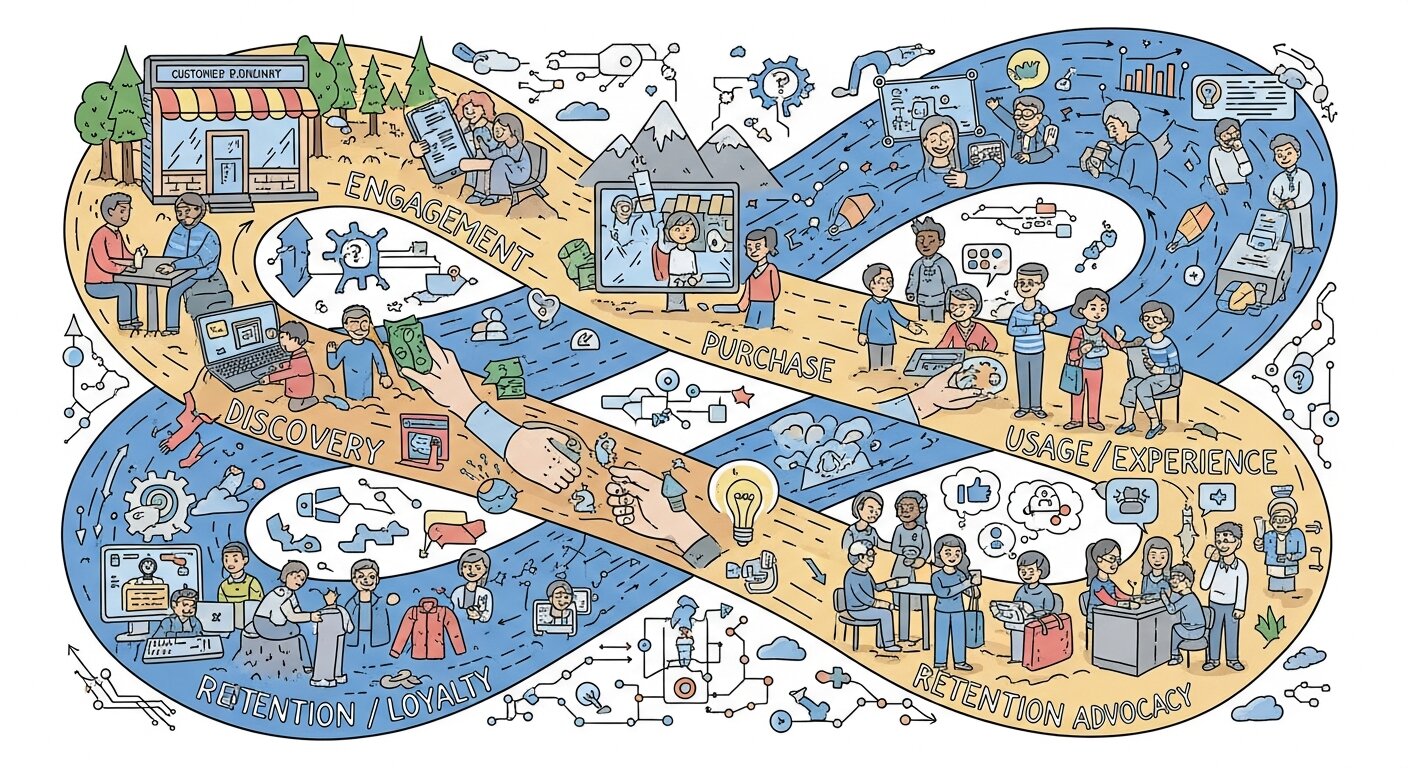
Customer journeys are dynamic. Market conditions, emerging technologies, and shifting buyer behaviors continually alter how prospects research and engage with brands. The COVID-19 pandemic, for example, accelerated digital research, reshaping traditional sales interactions and highlighting previously overlooked Customer Journey Gaps.
New channels and touchpoints constantly emerge, changing how prospects discover, consume, and share content. Competitor strategies evolve, raising expectations for the quality and relevance of information. This ongoing evolution makes journey mapping a continuous practice rather than a one-time exercise.
By regularly refreshing your understanding of customer behaviors and touchpoints, you can proactively identify and address Customer Journey Gaps, ensuring your content strategy remains aligned with actual customer needs rather than outdated assumptions.
Customer journey mapping transforms content from disconnected assets into a strategic ecosystem that guides prospects through their decision process with clarity and confidence. By uncovering and filling critical Customer Journey Gaps, marketers gain a competitive advantage, improve conversion rates, shorten sales cycles, and build stronger, longer-lasting customer relationships.
Frequently Asked Questions
What are Customer Journey Gaps?
Customer Journey Gaps are missing or inadequate content, resources, or experiences at key stages of your prospect’s journey that prevent them from moving smoothly toward a purchase decision.
Why do most inbound strategies fail to address these gaps?
Many strategies assume prospects know what marketers know, focus only on product promotion, or overlook the evolving needs and questions that arise at each stage of the journey.
How is a customer journey map different from a buyer persona?
While personas describe who your customer is, journey maps reveal how they make decisions over time, showing interactions, questions, pain points, and emotions across multiple touchpoints.
What are common content gaps at the awareness stage?
Brands often focus on problem-solving content but neglect context, triggers, industry trends, or unbiased educational material that helps prospects understand the bigger picture.
Why is the consideration stage prone to gaps?
During consideration, prospects seek frameworks for evaluating solutions, comparisons, and self-service resources. Many brands focus on broad overviews or product pages, leaving this critical middle ground unaddressed.
What gaps exist at the decision stage?
Decision-stage gaps often involve specificity. Prospects need detailed case studies, practical use scenarios, ROI tools with stakeholder-relevant variables, and content that reduces risk perception.
How can post-purchase content gaps affect retention?
Neglecting onboarding, advanced usage guidance, and community-building content can lead to confusion, underutilization, low satisfaction, and decreased loyalty.
Why is multi-channel content important in journey mapping?
Prospects interact across email, social media, websites, and other channels. Disconnected experiences create friction, so content must be consistent, relevant, and accessible across all touchpoints.
How should existing content be audited for gaps?
Map each asset to the corresponding journey stage, identify the questions it answers, evaluate coverage density and quality, and flag outdated or missing content to fill critical gaps.
Can small teams implement journey-based content strategies effectively?
Yes. Start with one persona’s journey, repurpose existing content, leverage subject matter experts, and co-create with customers to gradually fill gaps without overwhelming resources.