
A buyer investment strategy focuses on pre-purchase engagement, fostering trust and emotional commitment through content, storytelling, and interactive experiences. By guiding prospects through value-driven sequences and community interactions, conversion becomes a natural next step. This approach transforms casual viewers into invested, loyal customers.
Understanding the concept of a buyer investment strategy is critical for marketers looking to transform passive prospects into engaged, committed customers. Unlike traditional marketing tactics that focus solely on persuading buyers, a buyer investment strategy emphasizes pre-purchase engagement, emotional and mental investment, and trust-building. By guiding prospects through interactive content, storytelling, educational sequences, community engagement, and personalized journeys, brands can foster deeper commitment and make the eventual purchase a natural progression. Below are the ten most frequently asked questions about implementing a buyer investment strategy effectively.
The Psychology of Pre-Purchase Investment
 We value what we invest in. This fundamental principle explains why free trials convert, why customization options boost sales, and why interactive content consistently outperforms passive consumption. Every interaction—whether small or significant—creates a sense of ownership that incrementally builds toward purchase readiness. For marketers, understanding this psychology is the foundation of an effective buyer investment strategy.
This psychological insight, often referred to as the “IKEA effect,” demonstrates that people place higher value on things they have partially created or contributed to. Savvy marketers recognize that this effect applies not only to physical products but also to the buying journey itself. By designing experiences that invite mental and emotional investment, brands can implement a buyer investment strategy that engages prospects long before any financial commitment is requested.
Value-First Content That Drives Investment
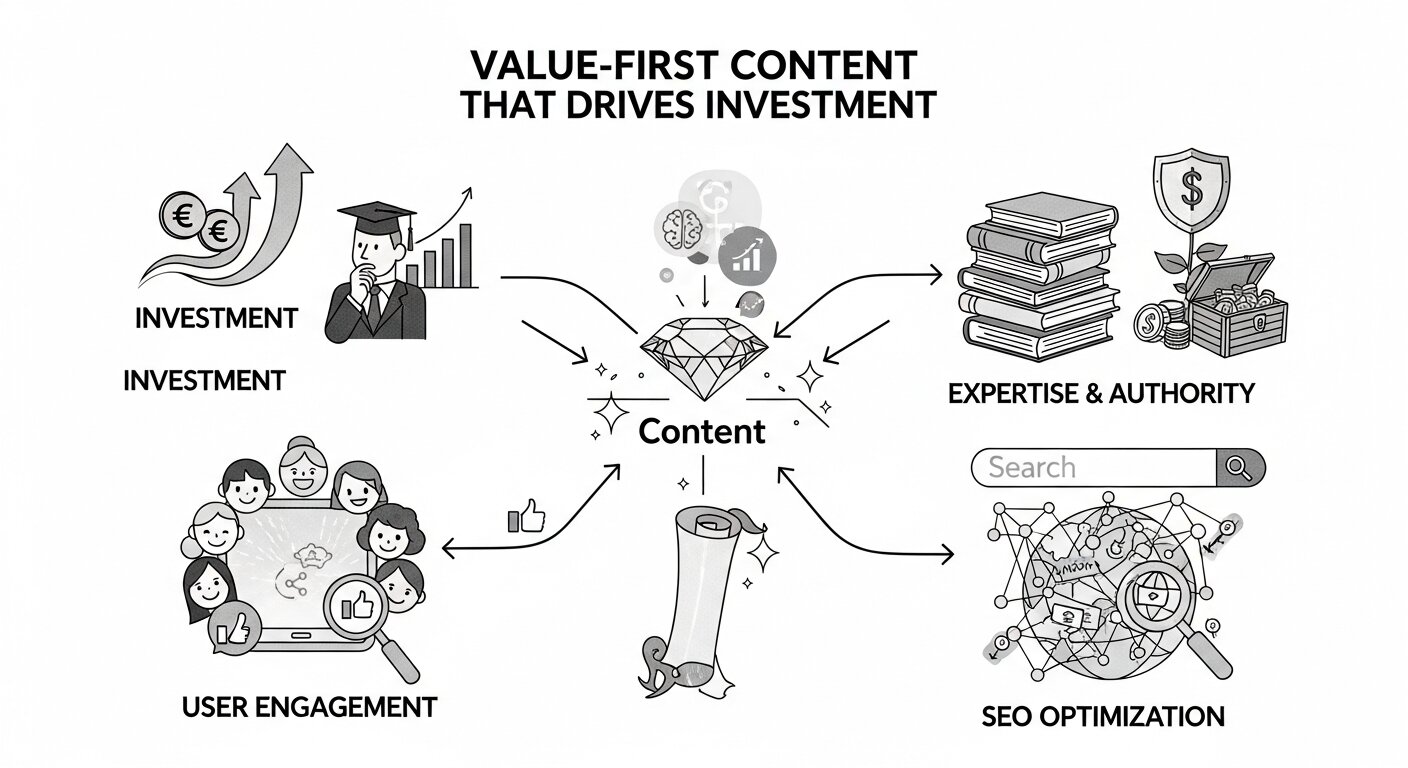
Content that genuinely solves problems triggers a natural psychological reciprocity. When you provide significant value upfront, prospects start to feel a subtle obligation to reciprocate—not necessarily through an immediate purchase, but through ongoing engagement and attention. Integrating this approach into your buyer investment strategy ensures that each interaction contributes to a growing sense of commitment and trust.
For example, a software company might offer a comprehensive template for project management that addresses a key pain point, requiring no signup or payment. A consultant could share a proprietary framework for strategic planning that delivers actionable clarity. A retailer might provide expert product guides instead of thinly-veiled product promotions. Each of these touchpoints reinforces a buyer investment strategy that builds perceived value and encourages deeper engagement.
At InboundMarketo.com, we’ve observed how a well-executed buyer investment strategy creates a foundation of goodwill that prospects carry throughout their journey. The key is to create content so valuable it could reasonably be sold rather than given freely. This approach transforms passive viewers into invested participants, making them far more likely to convert when the timing is right.
Importantly, the reciprocity created by a buyer investment strategy is not manipulative. It doesn’t pressure prospects into purchases they don’t need. Instead, it earns the right to their continued attention—the most valuable currency in today’s overcrowded markets. By focusing on meaningful engagement and incremental investment, businesses can implement a buyer investment strategy that nurtures trust, encourages repeated interaction, and ultimately drives sustainable conversions.
Interactive Content That Fosters Commitment
 Static content—blog posts, videos, podcasts—can deliver significant value to prospects. However, interactive content takes engagement to the next level by requiring active participation rather than passive consumption. This shift is central to any successful buyer investment strategy because it moves prospects from observing to doing, fostering a sense of ownership and deeper commitment.
Assessment tools that provide personalized insights create immediate, tangible value while simultaneously gathering critical information about prospects. Calculators for ROI or savings estimation make abstract benefits concrete, helping prospects understand their unique situation. Configuration or customization tools allow prospects to envision tailored solutions, giving them a hands-on experience of how your product or service could meet their needs. Integrating these tools is a core tactic in a buyer investment strategy, ensuring that each interaction actively contributes to a prospect’s sense of investment.
These interactive elements transform potential customers from passive readers into active participants—a critical shift that increases engagement, retention, and long-term value. For example, a prospect who spends five minutes customizing a potential solution has invested far more than one who merely reads about its features. This principle is at the heart of an effective buyer investment strategy, where small, meaningful interactions accumulate into strong pre-purchase commitment.
The distinction between manipulative and genuinely valuable interactive content lies in whether the interaction delivers standalone value for users, independent of purchase. Effective tools provide actionable insights that benefit users even if they never buy, reinforcing trust and credibility. When integrated thoughtfully, this approach strengthens your overall buyer investment strategy, creating a foundation of goodwill and engagement that persists throughout the buying journey.
Storytelling That Creates Emotional Investment
Facts can inform, but stories transform. When prospects emotionally connect with narratives that mirror their own challenges, they begin to mentally insert themselves into the journey—a powerful form of pre-purchase investment. Storytelling is a key pillar of any comprehensive buyer investment strategy because it engages both the mind and emotions, encouraging prospects to care deeply about outcomes before they commit financially.
Effective story-based content emphasizes the customer’s transformation rather than the product’s features. It frames your offering as the enabler of change, not the hero of the story. A B2B technology company might share detailed customer journeys demonstrating how similar organizations navigated implementation challenges. A consumer brand could highlight authentic customer experiences emphasizing emotional benefits that go beyond functional product attributes. These narratives are central to a buyer investment strategy, as they create resonance and credibility that static product descriptions cannot achieve.
The power of investment-creating stories lies in their specificity and authenticity. Generic success stories feel manufactured, while detailed accounts of successes and challenges foster genuine trust and engagement. By weaving storytelling into your interactive tools and content, marketers create a holistic buyer investment strategy that combines emotional resonance with actionable insights. Prospects who engage with this layered approach are far more likely to feel a sense of ownership, loyalty, and readiness to purchase when the time is right.
Ultimately, incorporating interactive tools and compelling stories is essential for a modern buyer investment strategy. These elements work together to transform passive visitors into active participants, deepen engagement, and build a foundation of trust that supports long-term conversions. By focusing on value, authenticity, and meaningful participation, brands can implement a buyer investment strategy that turns attention into commitment and prospects into invested customers.
Educational Sequences That Build Progressive Investment
 Single pieces of content—no matter how valuable—rarely create enough investment on their own to drive meaningful purchase decisions. Prospects often need a series of thoughtfully designed interactions that progressively build understanding, trust, and commitment. This is where a deliberate buyer investment strategy comes into play. By sequencing content in a structured way, you can guide prospects through incremental engagement, setting the stage for eventual conversion.
This approach, commonly referred to as educational nurturing, relies on interconnected content that addresses progressively complex challenges while simultaneously building familiarity with your solution. Each piece in the sequence must provide standalone value, yet also create context for subsequent content, reinforcing the principles of a strong buyer investment strategy.
For example, a financial services firm might start with foundational retirement planning concepts, then introduce tax optimization strategies, and later explore specific investment vehicles. Each stage of content delivers immediate value while subtly preparing prospects for more sophisticated topics. Over time, this creates a structured path of engagement that mirrors a buyer investment strategy: small, meaningful commitments accumulate into a larger sense of ownership and readiness to act.
The true strength of sequential content lies in its ability to position your brand as a trusted guide through complexity. Purchase becomes a natural continuation of the educational journey rather than an isolated decision. When integrated into a well-planned buyer investment strategy, this method transforms learning into engagement, and engagement into conversion.
Community Content That Drives Belonging and Investment
Perhaps the most compelling form of pre-purchase investment occurs when prospects begin to identify with your brand community before becoming paying customers. This sense of belonging generates identity-based motivation that goes beyond rational decision-making and taps into emotional investment. Building community is an advanced tactic within a comprehensive buyer investment strategy because it transforms passive consideration into active participation.
Effective community content creates spaces where prospects can interact with existing customers, exchange ideas, ask questions, and witness brand values in action. These environments turn potential buyers from outsiders considering a product into engaged members who feel a stake in the community’s success. A well-executed buyer investment strategy leverages these interactions to deepen engagement, foster trust, and encourage long-term loyalty.
Professional services firms may build communities centered around methodologies or frameworks. Software companies often design spaces focused on problem-solving and industry best practices rather than promoting specific products. Consumer brands frequently cultivate communities around lifestyle interests or shared values. In all cases, the community itself becomes a vehicle for your buyer investment strategy, creating multiple touchpoints that reinforce commitment and connection.
The investment generated through community participation typically leads not only to initial purchases but also to ongoing loyalty, repeat business, and advocacy. When woven into a broader buyer investment strategy, community content ensures that engagement is sustained beyond the first transaction, making your brand a consistent presence in the prospect’s decision-making journey.
Ultimately, sequential content combined with community engagement represents a sophisticated buyer investment strategy. It transforms individual interactions into cumulative commitments, guides prospects along a structured path toward conversion, and establishes your brand as a trusted, indispensable partner. By implementing a buyer investment strategy that balances educational sequencing with belonging-driven engagement, organizations can cultivate not just buyers, but invested, loyal advocates aligned with both the brand and its long-term vision.
Personalized Content Journeys That Demonstrate Understanding
When content anticipates needs, addresses specific challenges, and evolves based on previous interactions, prospects experience the powerful feeling of being understood—perhaps the most meaningful pre-purchase investment.
Sophisticated personalization goes beyond simply inserting names into templates. It delivers fundamentally different content experiences based on demonstrated interests, engagement patterns, and stage-appropriate needs.
A healthcare organization might provide distinct content journeys for chronic vs. preventive care patients. A B2B vendor would offer personalized pathways for technical evaluators versus executive decision-makers.
The investment created through personalization stems from the prospect’s recognition that you understand their specific situation, creating the foundation for trust that almost inevitably leads to purchase consideration.
Moving Beyond Content Consumption to Content Commitment
The difference between content that merely informs and content that creates investment often comes down to how you frame the interaction. Subtle shifts in presentation can transform the same information from passive consumption to active commitment.
Effective investment-creating content invites deliberate choices rather than passive scrolling. It frames information as steps in a journey rather than isolated facts. It explicitly connects each interaction to the prospect’s developing story rather than your marketing objectives.
A healthcare provider might present educational content as a wellness journey rather than a collection of articles. A financial advisor could frame resources as steps in a financial planning process rather than isolated tips. These framing approaches transform identical information into experiences that create meaningful pre-purchase investment.
From Investment to Natural Conversion
When prospects feel genuinely invested before purchase, the traditional barriers to conversion diminish or disappear entirely. Price sensitivity decreases, perceived value increases, and competitive comparisons become less relevant as psychological switching costs rise. The sale transforms from a persuasion event into a natural progression.
The most sophisticated marketers recognize that their primary objective isn’t convincing prospects to buy, but rather creating sufficient pre-purchase investment that conversion feels like the obvious next step in an already-meaningful relationship.
By focusing on content that creates genuine value, fosters active participation, tells authentic stories, builds sequential understanding, facilitates community belonging, and demonstrates deep personalization, you create the conditions where prospects convert not because they’ve been persuaded, but because they’re already invested.
frequently asked questions
What is a buyer investment strategy?
A buyer investment strategy is a marketing approach designed to engage prospects before purchase, encouraging mental, emotional, and interactive investment that makes conversion feel like a natural next step rather than a forced decision.
Why is pre-purchase investment important?
Pre-purchase investment reduces friction in the buying process, builds trust, increases perceived value, and makes prospects more likely to commit to a purchase because they already feel connected to the brand.
How does interactive content support a buyer investment strategy?
Interactive content such as assessments, calculators, and configuration tools requires active participation, turning passive readers into engaged prospects and strengthening their sense of ownership and commitment.
Can storytelling be used in a buyer investment strategy?
Yes. Storytelling allows prospects to emotionally relate to customer journeys, positioning the brand as an enabler of transformation. This emotional engagement fosters pre-purchase investment.
What role does sequential content play?
Sequential content, or educational nurturing, guides prospects through increasingly complex topics, building knowledge and trust progressively. Each piece adds value while preparing the prospect for the next step, aligning with a buyer investment strategy.
How does community content influence buyer investment?
Community content creates belonging and identity-based motivation. Engaging with other customers and brand advocates fosters loyalty, trust, and deeper emotional investment before purchase.
Why is personalization essential in a buyer investment strategy?
Personalized content shows prospects that the brand understands their unique needs, challenges, and stage in the journey. This recognition increases engagement, trust, and the likelihood of conversion.
How do you measure the effectiveness of a buyer investment strategy?
Metrics include engagement rates, interaction time with tools, content completion rates, community participation, repeat visits, and ultimately, conversion rates. Qualitative feedback and sentiment analysis also indicate increased pre-purchase investment.
How is a buyer investment strategy different from traditional marketing?
Traditional marketing focuses on persuading prospects to buy. A buyer investment strategy focuses on creating value, building trust, and fostering engagement so that the purchase becomes a natural outcome of prior investment.
Can small businesses implement a buyer investment strategy?
Absolutely. Even small businesses can create interactive content, share educational resources, foster community engagement, and personalize experiences. The key is consistency and delivering genuine value that encourages incremental investment.