Inbound marketing agencies guide businesses in attracting, engaging, and converting customers through value-driven strategies. They combine expertise, tools, and industry insights to implement campaigns aligned with current inbound marketing trends. Partnering with an agency ensures your marketing efforts remain efficient, measurable, and future-ready.
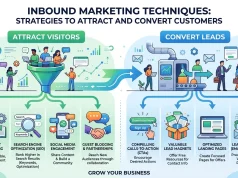
Inbound marketing can feel complex, especially if you’re considering working with an agency for the first time. Unlike traditional marketing, which often relies on push strategies like cold calls, print ads, or untargeted promotions, inbound marketing focuses on attracting prospects organically. It relies on content, SEO, email nurturing, social media engagement, and data analysis to guide customers through their buyer journey.
Partnering with an inbound marketing agency can amplify these efforts, offering specialized expertise, advanced tools, and a data-driven approach that most in-house teams may struggle to implement alone. These agencies stay updated on the latest inbound marketing trends, ensuring your campaigns are relevant, competitive, and optimized for results.
The Evolving Landscape of Inbound Marketing Trends
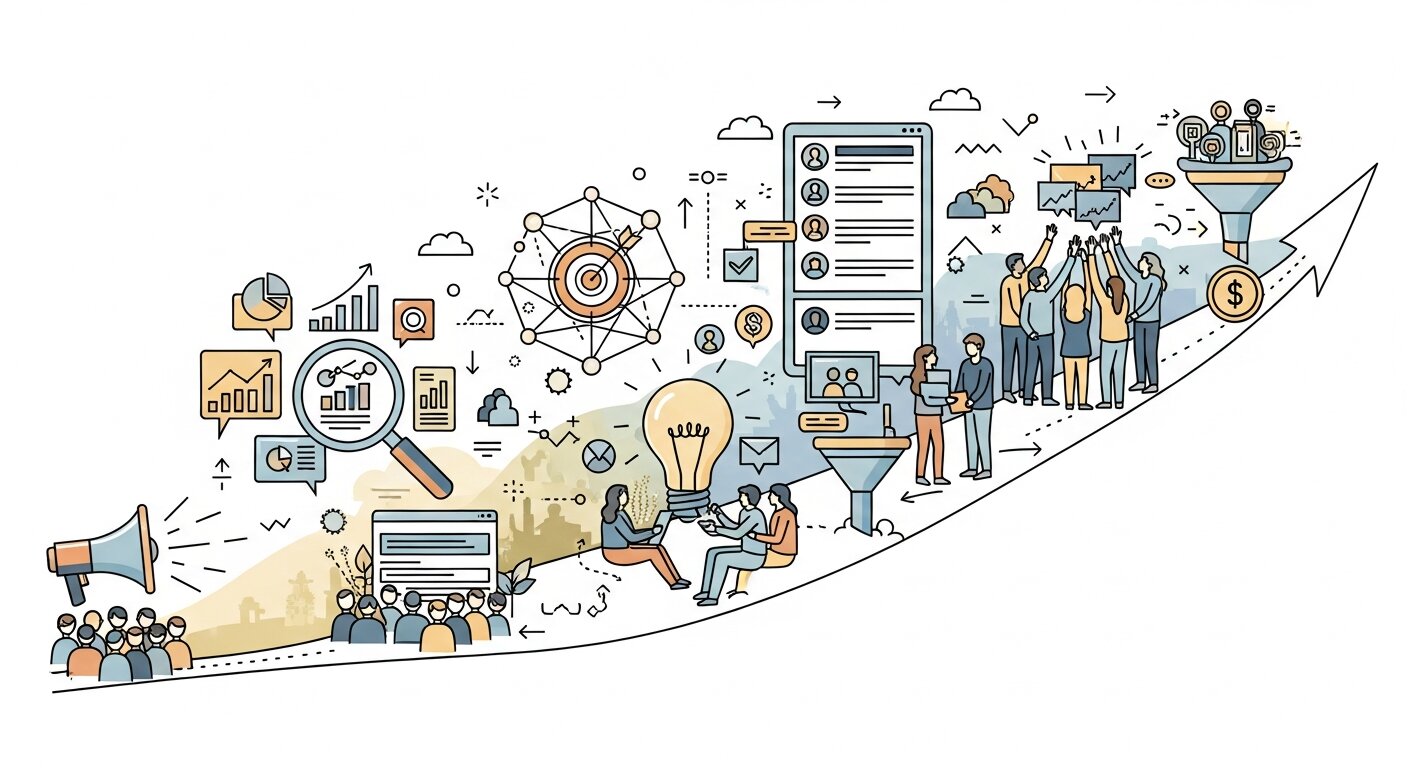
The marketing world is shifting faster than ever, and inbound marketing is at the heart of this transformation. For marketers and business owners alike, staying ahead of emerging trends is essential to attract, engage, and delight customers effectively. Inbound marketing is no longer just a buzzword—it’s a strategic approach that combines content, data, and relationship-building to create long-lasting customer loyalty.
In this blog, we’ll explore the latest developments in inbound marketing, highlight the tools and strategies that are reshaping the field, and provide actionable insights to help you stay competitive. Whether you are a small business or a large enterprise, understanding these inbound marketing trends is crucial for crafting campaigns that resonate with modern consumers and produce measurable results.
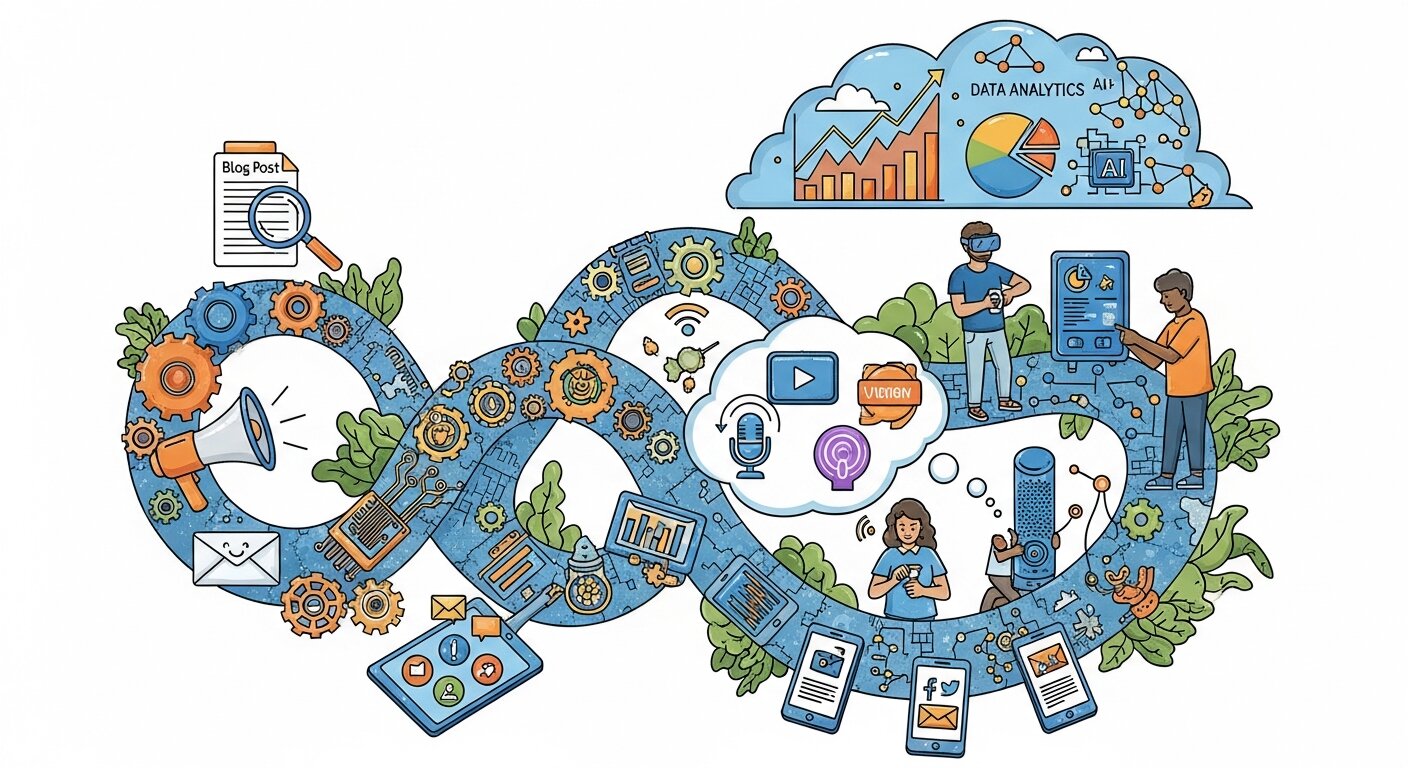
Inbound marketing isn’t merely about drawing users to your brand—it’s about building genuine relationships, earning trust, and delivering real value at every stage of the customer journey. By anticipating customer needs, offering meaningful solutions, and leveraging technology wisely, businesses can create experiences that go far beyond a simple transaction. Staying aware of the current inbound marketing trends allows companies to refine messaging, optimize engagement, and build a loyal audience that returns time and time again. With emerging opportunities, such as Inbound Marketing for the Metaverse: Preparing Your Brand for Immersive Environments, forward-thinking brands can explore innovative ways to engage audiences in immersive digital spaces while maintaining authentic connections.
Why Inbound Marketing is Evolving
The marketing landscape is constantly evolving due to shifting consumer preferences, technological advancements, and increasing competition. Today’s audiences expect personalized experiences, transparency, and value-driven content. Traditional push-based strategies are less effective because consumers are empowered to choose the messages they engage with.
Inbound marketing distinguishes itself by using pull-based techniques, where customers are attracted through high-quality content, educational resources, and meaningful engagement rather than intrusive ads or cold calls. Modern businesses that monitor inbound marketing trends are better equipped to create campaigns that resonate with their target audiences, anticipate changes in consumer behavior, and adapt quickly to new marketing technologies.
Understanding inbound marketing trends also helps marketers make smarter investment decisions. By analyzing which digital marketing channels, content formats, and engagement strategies are performing best, businesses can allocate resources efficiently and maximize ROI. For example, some trends emphasize the rise of AI-powered personalization, interactive content, and video marketing strategies—all of which are shaping the way brands connect with their audiences.
Finally, keeping up with inbound marketing trends ensures that your business remains competitive in an ever-changing digital environment. Brands that ignore these shifts risk falling behind competitors who are actively optimizing marketing strategies, leveraging new tools, and creating content that genuinely resonates with consumers. By integrating insights from these trends into your campaigns, you can maintain a sustainable growth strategy and build meaningful, lasting connections with your audience.
The Role of AI in Modern Inbound Marketing
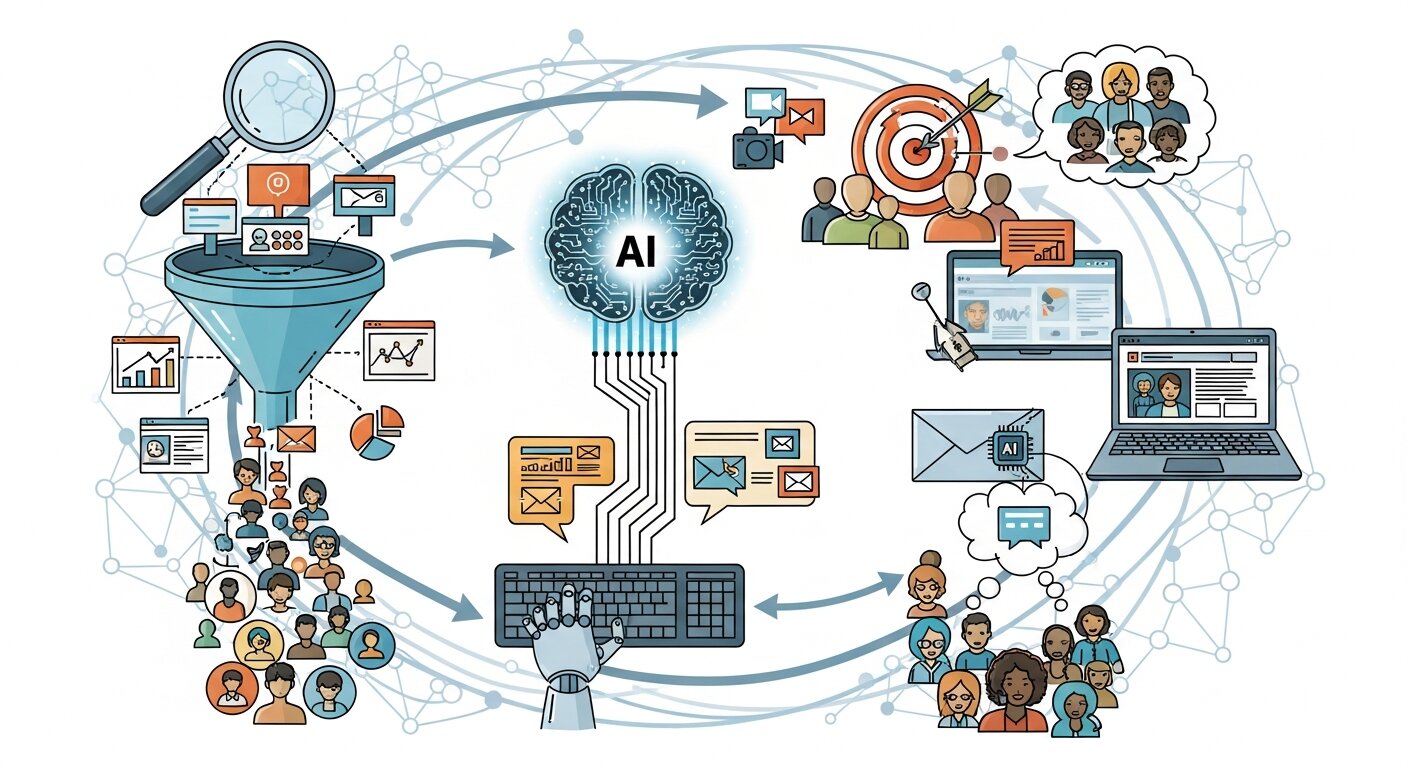
Artificial intelligence (AI) is reshaping inbound marketing across multiple fronts, revolutionizing how brands attract, engage, and retain customers. From automated content creation tools to predictive analytics platforms, AI provides marketers with the ability to deliver personalized experiences, make data-driven decisions, and optimize campaigns for maximum impact. While AI offers incredible efficiency and scalability, it is important to remember that human insight in marketing remains indispensable for authentic engagement and storytelling.
Businesses that closely monitor the latest inbound marketing trends recognize that AI is no longer a futuristic tool—it is a current necessity for staying competitive. By understanding how AI fits into modern inbound strategies, marketers can ensure their campaigns are aligned with evolving consumer expectations and remain relevant in an increasingly crowded digital space.
Key Ways AI Supports Inbound Marketing
Data-Driven Personalization
AI platforms analyze user behavior, segment audiences, and deliver tailored content at the right time. Personalized recommendations based on browsing history, past interactions, or preferences help brands capture attention more effectively. According to recent inbound marketing trends, businesses that implement AI personalization software see higher engagement rates and increased lead conversion, as customers receive content that is directly relevant to their interests.
Content Optimization
AI-powered tools assist in creating content that is SEO-friendly, structured, and designed to rank in search engines. From blog posts to landing pages and social media posts, AI ensures that content meets best practices and aligns with user intent. Staying updated with inbound marketing trends shows that optimizing content for search engine ranking and readability is critical for long-term growth and sustaining organic traffic.
Conversational AI
Advanced chatbots and virtual assistants provide instant, meaningful interactions for website visitors. They answer questions, provide guidance, and recommend resources while maintaining a personal, human-like tone. This integration of AI enhances the customer experience and aligns with current inbound marketing trends that emphasize real-time engagement, personalization, and continuous interaction throughout the buyer journey.
AI is powerful, but the most successful inbound marketing campaigns blend technology with human creativity. AI can scale efforts, automate repetitive tasks, and analyze vast datasets, but human insight ensures the content remains emotionally resonant, relatable, and aligned with your brand voice.
Human-Centric Storytelling
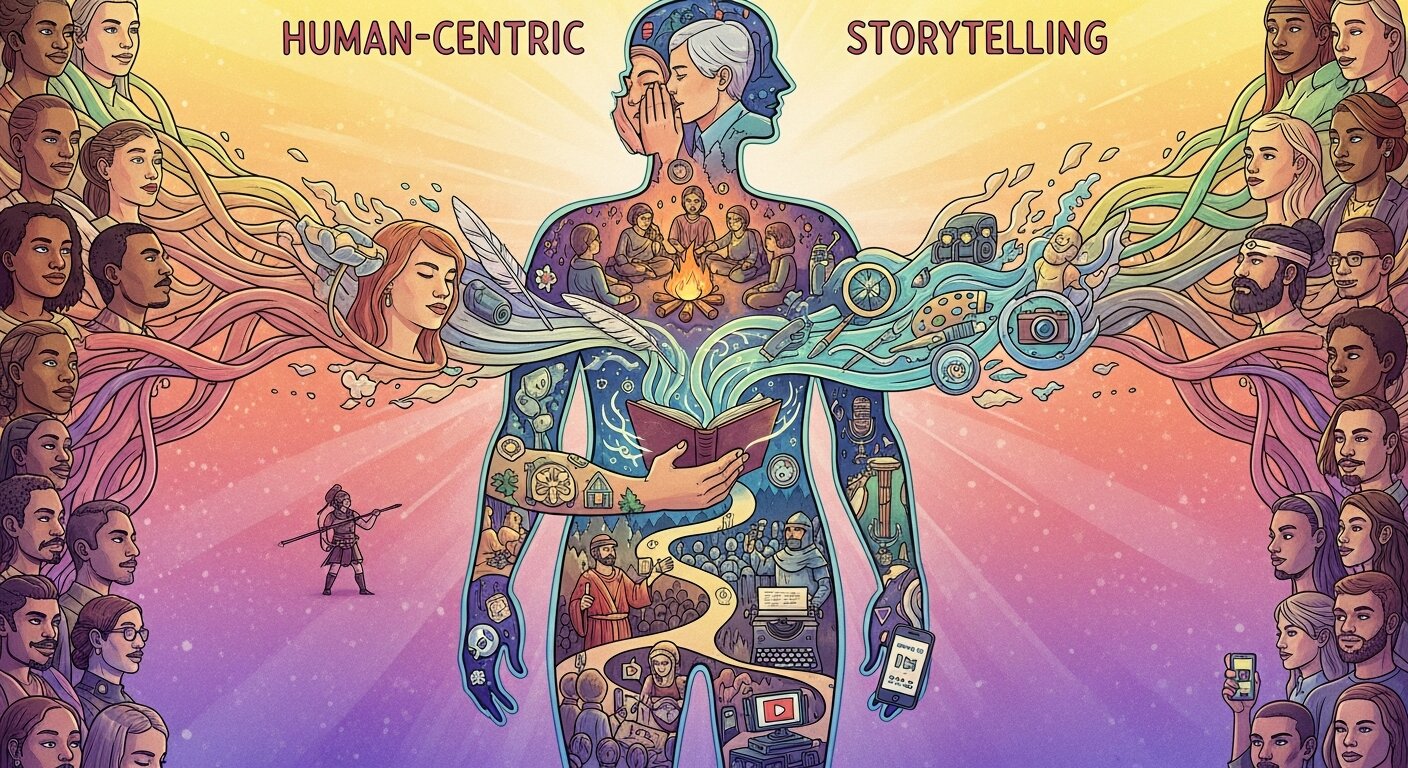
Despite the rise of AI, storytelling remains at the core of successful inbound marketing. Human-centric narratives foster trust, credibility, and long-term loyalty. Brands that embrace storytelling focus on authentic experiences, showcase real team members, and highlight customer success stories, thereby building meaningful connections with audiences.
Following current inbound marketing trends, businesses are investing more in multimedia storytelling to engage audiences across channels. Effective storytelling strategies include:
- Understanding Your Audience: Identify customer pain points, challenges, and aspirations. Tailor stories to reflect these experiences.
- Sharing Lessons, Not Just Wins: Consumers relate to authenticity. By showing obstacles and the solutions your brand provides, you build trust and empathy.
- Using Multimedia: Incorporating videos, images, infographics, and interactive content makes stories more engaging, memorable, and shareable.
Staying up to date with inbound marketing trends shows that audiences increasingly value brands that are transparent, relatable, and human-centered in their communication.
The Power of Video Content
Video remains one of the most influential formats in inbound marketing, consistently outperforming other content types in engagement and retention. Video allows brands to communicate complex ideas quickly, convey emotions effectively, and maintain audience attention. According to recent inbound marketing trends, short, digestible videos such as tutorials, product demos, behind-the-scenes clips, and customer testimonials are particularly effective in boosting engagement.
Why Video Works
- Humans retain up to 95% of information from videos, compared to just 10% from text, making video a powerful tool for brand messaging.
- Video encourages emotional connection and conveys brand personality in a way that text alone cannot.
- Social media platforms like YouTube, TikTok, Instagram Reels, and LinkedIn Video make it easier than ever to distribute content and connect with target audiences.
Incorporating video into inbound strategies is now a must-follow inbound marketing trend. Companies that embrace video content not only capture attention faster but also create opportunities for storytelling, education, and brand loyalty. Video also complements AI-driven personalization—marketers can recommend videos based on user behavior, ensuring content relevance and maximizing impact.
By staying aligned with inbound marketing trends, businesses can leverage AI, human storytelling, and video content to create cohesive, highly effective campaigns. Brands that integrate these elements successfully generate higher engagement, improve conversions, and build stronger long-term relationships with their audience.
Ethical Marketing and Data Privacy

Today’s consumers are increasingly aware of how their personal data is collected, stored, and used. Transparency and ethical practices are no longer optional—they are expected by modern audiences. Companies that ignore data privacy risk losing trust, damaging their reputation, and alienating potential customers. Ethical marketing and careful data management are now central to successful inbound strategies.
Modern inbound marketing trends highlight that respecting user privacy is not just a compliance issue—it is a competitive advantage. By integrating privacy-conscious practices into marketing campaigns, brands can foster loyalty, build trust, and create lasting relationships. Staying updated with inbound marketing trends ensures your campaigns align with evolving regulations and consumer expectations.
Practical Applications
- Value-Driven Opt-Ins: Offer downloadable guides, ebooks, templates, or exclusive content in exchange for email or data consent. Providing clear value incentivizes users to share information willingly, aligning with the latest inbound marketing trends that prioritize customer-centric approaches.
- Secure Data Practices: Use tools and platforms that comply with GDPR, CCPA, and other regional data protection regulations. Implementing secure storage, encryption, and restricted access demonstrates a brand’s commitment to responsible data handling, a growing focus in inbound marketing trends.
- Transparent Communication: Clearly explain how customer data will be collected, stored, and used. Ensure users feel in control by offering opt-out options and regular updates about changes to data policies. Transparency not only builds trust but also supports the broader inbound marketing trend toward ethical, relationship-driven marketing.
Ethical marketing builds trust, strengthens loyalty, and encourages repeat engagement. Brands that prioritize integrity and align with inbound marketing trends are more likely to cultivate advocates, generate word-of-mouth referrals, and maintain a strong market position over time.
SEO as a Core Strategy
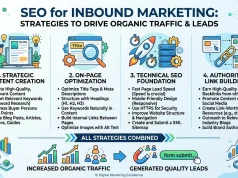
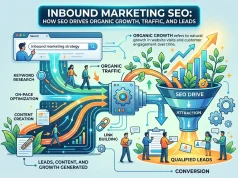
Even as marketing technology evolves, search engine optimization (SEO) remains a foundational component of inbound marketing. Modern SEO emphasizes high-quality, user-focused content that addresses real customer questions, rather than simply inserting keywords. Businesses that stay on top of inbound marketing trends understand that SEO is critical for driving meaningful traffic and generating qualified leads.
Key SEO Strategies
- Understanding Search Intent: Craft content that directly answers the specific questions and needs of your audience. This aligns with inbound marketing trends that prioritize problem-solving and value over promotional messaging.
- Voice Search Optimization: Prepare content to handle conversational queries from voice-activated devices, a rising trend in inbound marketing. Optimizing for voice search ensures your brand remains discoverable in evolving search behaviors.
- Multilingual and Global Content: Reach non-English-speaking audiences by providing localized, relevant content. Incorporating global SEO aligns with inbound marketing trends that emphasize inclusivity and expanded audience engagement.
- Long-Form and Value-Driven Content: Develop comprehensive, informative content that genuinely educates your audience. High-value content not only ranks better in search engines but also reflects current inbound marketing trends focused on authority, relevance, and trustworthiness.
By combining these techniques, businesses can maintain strong search visibility, drive qualified traffic, and remain competitive in line with modern inbound marketing trends.
Community Building Through Social Media
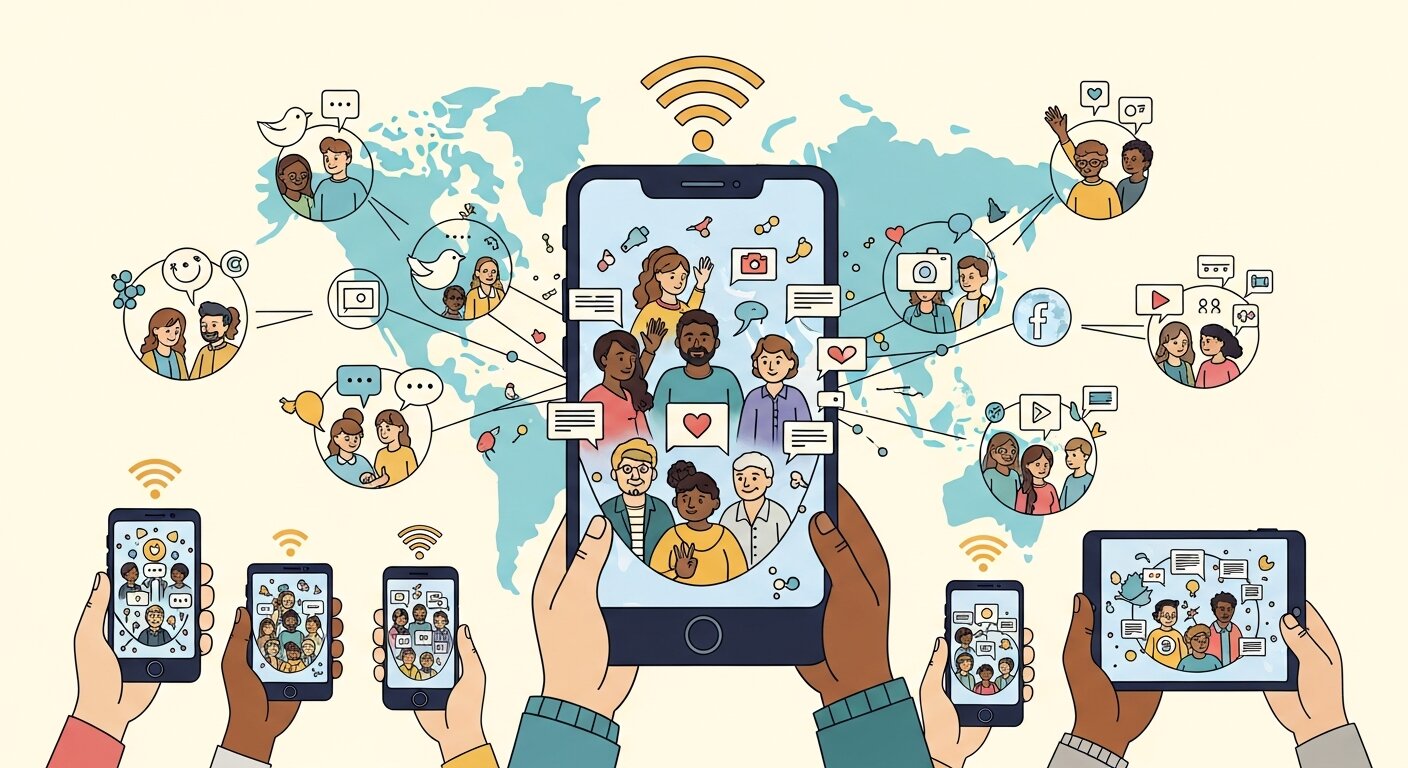
Social media is no longer just a channel for promotion—it has become a space for community-building, engagement, and co-creation. Modern inbound marketing trends emphasize creating authentic interactions where audiences feel heard and valued. Businesses that foster two-way communication, encourage user feedback, and highlight user-generated content see higher engagement and lasting loyalty.
Effective Tactics for Community-Driven Growth
- Host Exclusive Events: Webinars, online workshops, and Q&A sessions offer followers unique value while strengthening community ties—a tactic aligned with inbound marketing trends emphasizing engagement over broadcast messaging.
- Encourage User-Generated Content: Invite customers to share experiences, stories, and testimonials. Highlighting this content on social media reinforces trust and showcases authentic advocacy, reflecting a key inbound marketing trend.
- Leverage Social Listening Tools: Monitor online conversations, analyze sentiment, and identify emerging trends in real time. Businesses that act on these insights align with inbound marketing trends focused on responsiveness and relevance.
A strong community amplifies your brand’s reach, builds credibility, and converts loyal followers into advocates. Keeping pace with inbound marketing trends ensures your community remains active, engaged, and connected to your brand mission.
Preparing for the Future of Inbound Marketing
Success in inbound marketing depends on balancing technology with human insight, ethical practices, and authentic engagement. By monitoring the latest inbound marketing trends, businesses can adopt innovative tools like AI, video, and personalized automation while maintaining human-centric storytelling, transparency, and relationship-building.
Integrating AI to analyze user behavior, implementing ethical data practices, leveraging social media for communities, and optimizing content for SEO are all part of the evolving landscape of inbound marketing trends. Brands that fail to adapt risk falling behind competitors, while those that embrace these trends position themselves to attract high-quality leads, nurture long-term relationships, and achieve sustainable business growth.
By staying flexible, informed, and audience-focused, your business can remain ahead of the curve. Incorporating inbound marketing trends into your strategy ensures campaigns remain effective, measurable, and aligned with customer expectations. Those who proactively adopt these trends will benefit from increased engagement, stronger brand authority, and higher conversion rates, securing a lasting advantage in an ever-changing digital marketplace.
Frequently Asked Questions
What is an inbound marketing agency?
An inbound marketing agency is a specialized firm that helps businesses attract, engage, and convert customers using pull-based strategies like content marketing, SEO, social media, email campaigns, and analytics. They focus on delivering value to potential customers at every stage of the buyer journey.
How is inbound marketing different from traditional marketing?
Inbound marketing draws customers in naturally, using relevant content and engagement, while traditional marketing relies on push tactics such as cold calls, ads, and promotions. Inbound marketing trends highlight that customers now prefer informative, personalized experiences over interruptive messaging.
What services do inbound marketing agencies provide?
Core services include content marketing (blogs, ebooks, videos), SEO, social media management, lead nurturing via email, website design and optimization, analytics, and reporting. Agencies combine these services into integrated campaigns tailored to your audience.
Why should I hire an inbound marketing agency instead of building an in-house team?
Agencies bring specialized expertise, access to advanced tools, and industry insights. Hiring an agency can save time, reduce trial-and-error costs, and ensure your campaigns align with current inbound marketing trends.
How do inbound marketing agencies generate leads?
Agencies create strategies that attract high-quality leads by producing content, optimizing websites, and running targeted campaigns. Instead of casting a wide net, they focus on prospects already interested in your products or services, improving conversion rates.
Can inbound marketing agencies help with SEO?
Yes. SEO is a core part of inbound marketing. Agencies research keywords, optimize website structure, build backlinks, and ensure content aligns with search intent—all strategies that reflect modern inbound marketing trends.
How do agencies measure campaign success?
Agencies track key metrics such as website traffic, lead generation, engagement, conversion rates, and ROI. Data analysis helps refine strategies and ensures campaigns remain aligned with inbound marketing trends and audience behavior.
Do inbound marketing agencies create content for social media?
Absolutely. Agencies manage social media accounts, schedule posts, create campaigns, engage with followers, and leverage platforms to build communities. Modern inbound marketing trends emphasize social engagement and user-generated content.
Are inbound marketing strategies suitable for small businesses?
Yes. Inbound strategies can scale to fit any business size. Agencies can tailor campaigns based on budget, audience, and goals, helping small businesses compete effectively and stay current with inbound marketing trends. If you’re looking to grow smarter and achieve measurable results, understanding how to improve your inbound marketing strategy for better results is key, and partnering with an experienced agency can guide you in implementing the most effective tactics.
How do I know if my business is ready for an inbound marketing agency?
If your business struggles to generate high-quality leads, lacks time or expertise to execute campaigns, or wants long-term sustainable growth, partnering with an inbound marketing agency may be the best decision. Agencies help businesses leverage inbound marketing trends for measurable success.