
Inbound orders bring goods into a business, while outbound orders deliver products to customers. Managing both efficiently improves inventory accuracy, reduces costs, enhances customer satisfaction, and strengthens overall supply chain performance.
Managing the flow of goods is a critical aspect of running any successful business, especially in industries like retail, e-commerce, and manufacturing. At the heart of supply chain operations lies a fundamental question that often confuses new business owners and logistics teams alike: what is the difference between inbound orders and outbound orders?
Whether you’re new to logistics or looking to optimize your processes, this blog post will break down the concepts of inbound and outbound orders, highlight their differences, and explain how they fit into the greater supply chain. We’ll also provide tips on managing these processes efficiently to ensure smooth business operations.
What Are Inbound Orders?
Inbound orders refer to the movement of goods, materials, or products coming into your business. This could range from raw materials required for production to pre-packaged goods ready for retailing. The primary goal of inbound logistics is to ensure that the right materials arrive at the right time, reducing delays while keeping costs under control. Learn more about Understanding Inbound Marketing Agencies.
Examples of inbound orders:
- A clothing manufacturer receiving rolls of fabric and sewing supplies from suppliers.
- A restaurant receiving shipments of fresh produce from a local farm.
- An e-commerce warehouse receiving cases of electronics from its distributors.
Key processes in inbound logistics:
To successfully manage inbound orders, businesses must focus on processes such as:
- Purchase order placement: Creating and sending orders to suppliers accurately.
- Supplier communication: Regular updates on stock availability, delivery timelines, or any delays.
- Receiving and inspecting goods: Ensuring all products meet quality standards before they are stored.
- Inventory storage: Organizing received goods systematically for easy access during order fulfillment.
Simply put, inbound orders are all about what comes “in” to keep your operations running.
What Are Outbound Orders?
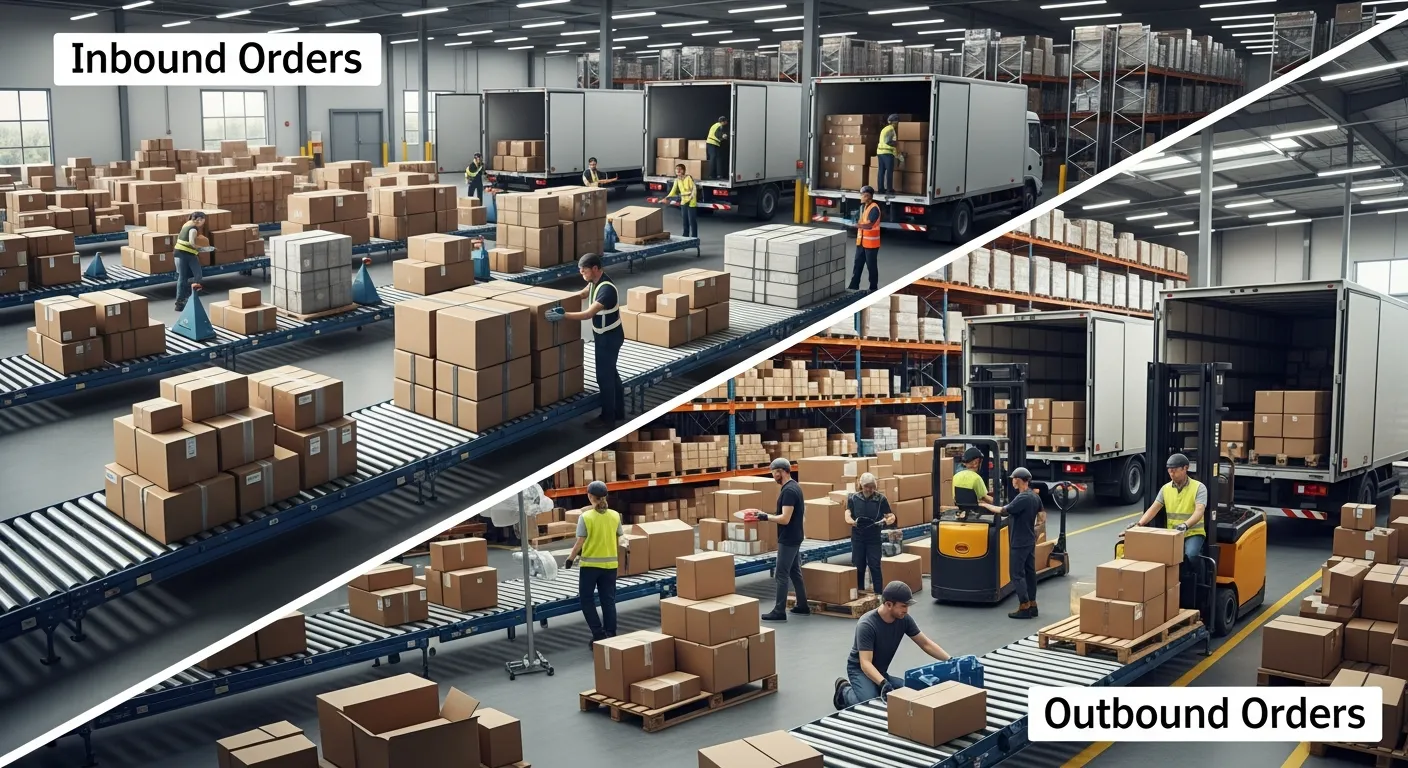 Outbound orders, on the other hand, involve the movement of goods leaving your business to reach customers. This could entail shipping finished products to retail stores, delivering orders directly to customers in the case of e-commerce platforms, or transporting goods to distribution centers.
The primary goal of outbound logistics is customer satisfaction. Ensuring goods are delivered on time, in perfect condition, and at the best shipping cost possible is key to thriving in today’s competitive markets.
Examples of outbound orders:
- A warehouse shipping individual orders to customers of an online store.
- A wholesaler sending batches of products to retail stores.
- A tech company delivering custom-built machines to corporate clients.
Key processes in outbound logistics:
For an effective outbound system, businesses need streamlined processes, such as:
- Order picking and packing: Identifying the correct items in inventory and safely packaging them for shipment.
- Shipping and tracking: Coordinating transport logistics, calculating shipping costs, and providing tracking options to customers.
- Last-mile delivery: Ensuring the product reaches the customer seamlessly, often involving local carriers for the final delivery step.
- Handling returns (reverse logistics): Providing a straightforward process for dealing with customer returns and refunds.
Outbound orders revolve around what moves “out” to your customers.
The Key Differences Between Inbound and Outbound Orders
While both processes are interdependent in the supply chain, there are key differences between the two that make understanding them important:
|
Aspect |
Inbound Orders |
Outbound Orders |
|---|---|---|
|
Purpose |
Receiving goods into your business |
Sending goods out to customers or retailers |
|
Focus Area |
Supplier relationships and inventory management |
Customer satisfaction and timely delivery |
|
Examples |
Raw materials, retail stock, equipment |
Online customer orders, wholesale shipments |
|
Processes |
Purchase orders, inspections, inventory storage |
Order picking, packing, shipping, delivery |
|
End Goal |
Ensuring smooth internal operations |
Meeting customer expectations |
By understanding both inbound and outbound logistics, businesses can optimize their flow of inventory and improve efficiency across the board.
Managing These Processes Efficiently
The success of any supply chain depends on how well inbound and outbound orders are managed. Here’s how businesses can streamline these processes:
1. Use Inventory Management Software
An advanced inventory management solution can help you keep real-time track of what’s coming in and going out. Look for tools that integrate seamlessly with your supply chain management software to avoid manual data entry errors.
2. Establish Strong Supplier Relationships
For inbound orders, cultivating relationships with reliable suppliers ensures that delays or quality issues are minimized. Solid communication and proactive problem-solving can go a long way in creating a stronger supply chain.
3. Streamline Order Fulfillment
For outbound orders, speed and accuracy matter. Adopt warehouse technologies like barcode scanners and pick-to-light systems to simplify order picking. Efficient packaging operations not only save time, but also improve the customer’s unboxing experience.
4. Optimize the Last-Mile Experience
For businesses handling outbound orders, particularly in e-commerce, the last-mile delivery experience is critical. Partner with reliable carriers and ensure package tracking and customer notifications are integrated into your delivery process.
5. Analyze and Improve Constantly
Leverage analytics tools to review how well inbound and outbound processes are functioning. Use data to pinpoint bottlenecks, reduce delays, and enhance cost-efficiency.
By focusing on efficiency in both inbound and outbound processes, you’ll not only save money but also boost your customer’s overall experience.
Why Understanding Both Matters
When you optimize both inbound and outbound logistics, you’re setting your business up for seamless operations. Here’s why understanding both is vital:
- Cost-effectiveness: Reducing inefficiencies in supply chain operations helps save money. Strategically balancing stock levels prevents overstocking or stockouts, which could lead to higher costs.
- Customer satisfaction: Reliable inbound systems mean you’re never short of inventory, while efficient outbound systems ensure your customers get what they need when they need it.
- Data-driven decisions: A thorough understanding of these processes allows you to harness better operational data, enabling smarter decision-making.
Whether you’re a small business just building your supply chain strategy, or a larger company looking to scale its operations, mastering these fundamentals is key to long-term growth.
Maximizing Your Supply Chain Efficiency
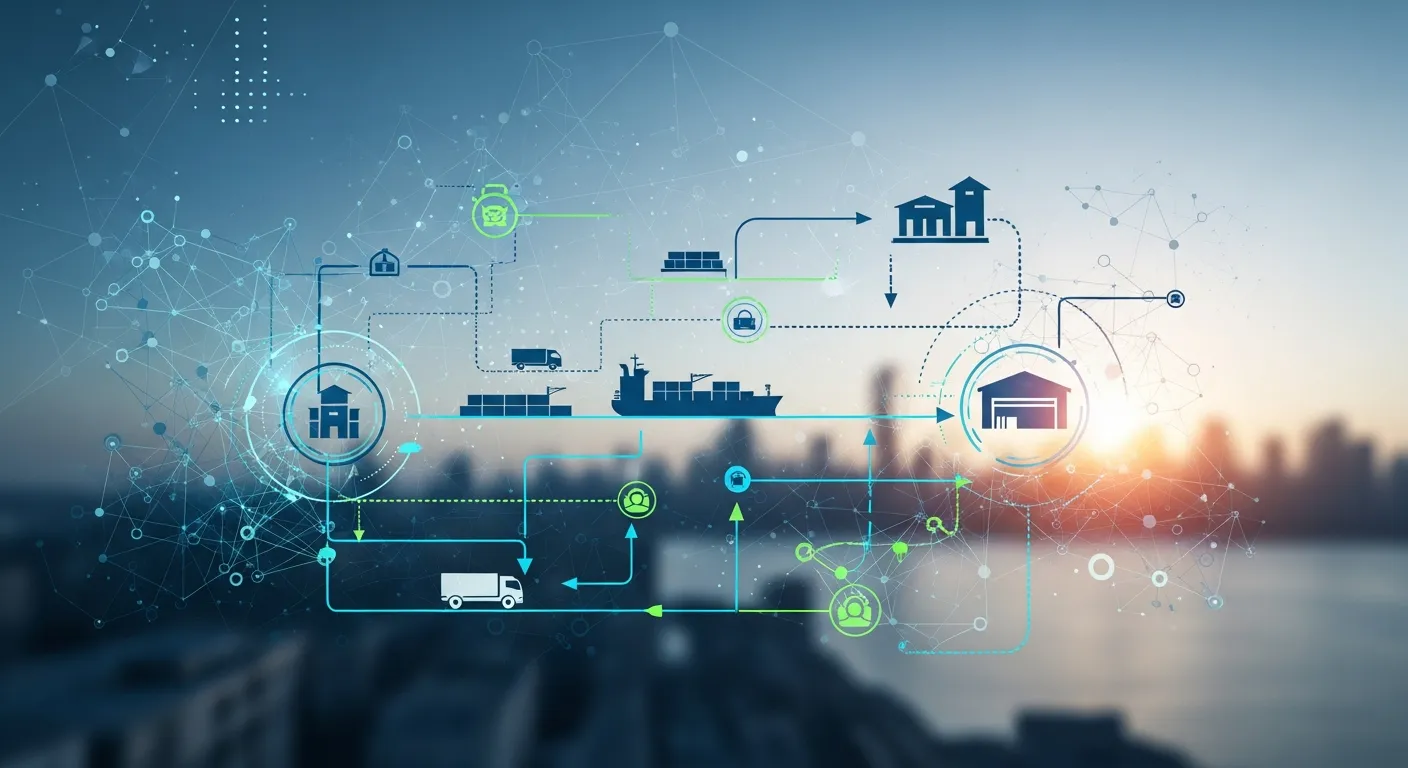
Inbound and outbound orders are two sides of the same coin. Knowing the differences between the two and managing them effectively can give your business an edge in a highly competitive marketplace.
Take the time to evaluate your processes, adopt modern tools, and continuously refine your supply chain strategy. With thoughtful planning and execution, you’ll ensure that every order coming in or going out contributes to your business’s success.
Have questions or need insight into improving your order management? Reach out to our team [or link to consultation service] today to learn more!
Cost Differences Between Inbound and Outbound Orders
Inbound costs include procurement, transportation, inspections, and storage, while outbound costs focus on picking, packing, shipping, and returns. Outbound logistics often carry higher customer-facing expenses due to last-mile delivery and return handling. Understanding cost structures allows businesses to optimize pricing, negotiate better shipping rates, and improve margins.
Importance of Forecasting for Inbound Planning
Accurate demand forecasting improves inbound order planning by aligning purchasing with sales expectations. This reduces excess inventory and avoids emergency restocking. Forecasting tools analyze historical data, trends, and seasonality to ensure optimal stock levels. Better forecasting strengthens supplier relationships and improves cash flow management.
Returns and Reverse Logistics Explained
Reverse logistics bridges outbound and inbound systems. Returned products must be inspected, restocked, repaired, or disposed of properly. Efficient return handling reduces losses and improves customer trust. Clear return policies, automated return labels, and fast refunds make reverse logistics more manageable and customer-friendly.
Scaling Inbound and Outbound Operations
As businesses grow, order volumes increase rapidly. Scaling inbound logistics requires stronger supplier networks and expanded storage capacity. Scaling outbound logistics demands faster fulfillment, better carrier partnerships, and automation. Planning scalability early prevents bottlenecks and supports long-term growth.
Best Practices for Balancing Inbound and Outbound Orders
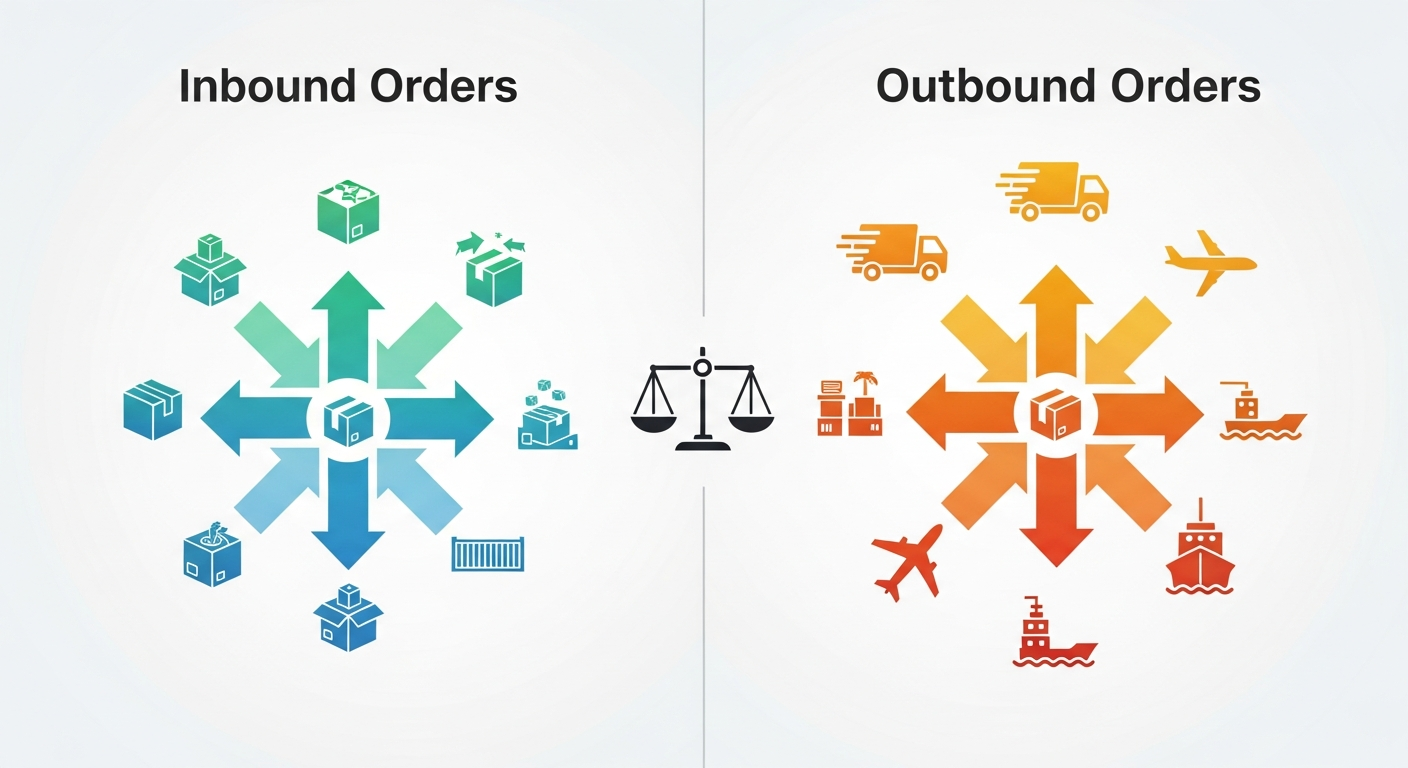
The best supply chains balance inbound supply with outbound demand. This requires synchronized planning, real-time data visibility, and continuous optimization. Regular audits, supplier reviews, and customer feedback help maintain efficiency. Balanced logistics reduce costs, improve service levels, and create competitive advantages.
Conclusion
Inbound and outbound orders are the foundation of efficient supply chain operations. When businesses understand their differences and manage them strategically, they reduce costs, improve inventory flow, and enhance customer satisfaction. Investing in technology, forecasting, and process optimization ensures long-term operational success.
Frequently Asked Questions (FAQs)
1. What is an inbound order?
An inbound order refers to goods, raw materials, or products that enter a business from suppliers, manufacturers, or distributors. These orders support production, restocking, and daily operations. Efficient inbound order management ensures timely deliveries, quality control, and proper inventory storage, helping businesses avoid shortages and operational disruptions.
2. What is an outbound order?
An outbound order involves products leaving a business to reach customers, retailers, or distribution centers. This process includes order picking, packing, shipping, and delivery. Outbound orders directly affect customer experience, as accuracy, speed, and condition of delivery determine satisfaction and repeat business.
3. Which is more important, inbound or outbound?
Neither is more important—they are equally critical and highly interdependent. Inbound orders ensure inventory availability, while outbound orders generate revenue and customer trust. Weakness in one process directly impacts the other, making balance essential for supply chain efficiency.
4. Do inbound orders affect customer satisfaction?
Yes. Delayed or inaccurate inbound orders can cause stockouts, order cancellations, and longer delivery times. When products aren’t available, customers may turn to competitors, damaging brand reputation and sales performance.
5. What industries rely heavily on inbound and outbound logistics?
Industries such as retail, e-commerce, manufacturing, healthcare, food & beverage, and wholesale distribution depend heavily on efficient inbound and outbound logistics. Any sector handling physical goods requires strong coordination between incoming supplies and outgoing deliveries.
6. How can I reduce inbound delays?
Inbound delays can be reduced by working with reliable suppliers, using automated purchase orders, tracking shipments in real time, and improving demand forecasting. Clear communication and backup suppliers also help prevent disruptions.
7. Why is outbound logistics customer-focused?
Outbound logistics directly impacts delivery speed, order accuracy, packaging quality, and return handling. Since it represents the final interaction before the customer receives the product, it plays a major role in customer satisfaction and brand loyalty.
8. What is last-mile delivery?
Last-mile delivery is the final stage of transporting goods from a distribution center or warehouse to the customer’s doorstep. It is often the most expensive and complex part of outbound logistics, requiring careful planning and reliable carriers.
9. How does inventory management support both processes?
Inventory management connects inbound and outbound operations by maintaining accurate stock levels. It ensures incoming goods are properly recorded and outgoing orders are fulfilled without delays, overstocking, or overselling.
10. What tools help manage orders efficiently?
Tools such as Warehouse Management Systems (WMS), Enterprise Resource Planning (ERP) software, barcode scanners, RFID technology, and analytics platforms help automate workflows, reduce errors, and improve visibility across inbound and outbound processes.
11. Are returns part of outbound logistics?
Yes. Returns fall under reverse logistics, which manages products coming back from customers. Efficient return handling improves customer trust, reduces losses, and allows businesses to restock or resell returned items when possible.
12. Can small businesses optimize inbound and outbound orders?
Absolutely. Small businesses can streamline operations using affordable inventory software, clear supplier communication, and simple fulfillment workflows. Even basic automation and process clarity can significantly improve efficiency and customer satisfaction.