This comprehensive guide breaks down the core elements of a high-performing organic strategy. You will learn how to align search intent with the buyer’s journey, build unshakeable topical authority, and optimize your website for semantic search. Expert tips, actionable strategies, common pitfalls to avoid, and an in-depth FAQ section will empower you to achieve page-one rankings and long-term business growth through Inbound Marketing Content SEO.
Building an audience that actively seeks out your business requires more than just publishing articles online. You need a system that attracts, educates, and converts visitors into loyal customers. This is where mastering inbound marketing content SEO becomes your strongest asset. By aligning what your audience searches for with the exact solutions your business provides, you create a sustainable engine for organic growth. Inbound Marketing Content SEO is not just a tactic—it’s a holistic approach that connects valuable content, technical excellence, and user-first thinking. We will explore exactly how you can build this engine to outpace your competitors and dominate search results.
What is Inbound Marketing Content SEO?
Inbound marketing content SEO is the strategic practice of creating highly relevant, optimized materials designed to attract potential customers through search engines. Instead of pushing your message outward through disruptive advertising, you pull users in by answering their specific questions and solving their problems.
This methodology relies heavily on understanding human behavior. When a potential customer faces a challenge, their first instinct is to turn to a search engine. If your website appears at the top of those results with a well-structured, informative answer, you instantly build trust. This trust forms the foundation of the content marketing funnel, guiding users from initial awareness all the way to a purchasing decision. Inbound Marketing Content SEO ensures every stage of this journey is connected, using optimized content to educate and nurture leads until they are ready to convert.
The Evolution of Search Engine Algorithms
Search engines have evolved significantly over the past decade. Early algorithms relied heavily on keyword density and exact-match phrases. Today, platforms like Google Search Central emphasize semantic understanding, user experience, and E-E-A-T (Experience, Expertise, Authoritativeness, and Trustworthiness).
You cannot simply insert keywords into an article and expect it to rank. You must provide genuine value. Search engines use natural language processing to understand the context of your words, the relationships between different entities, and the overall helpfulness of your page. Inbound Marketing Content SEO is essential for adapting to these advancements. Sophisticated engines now reward content that is comprehensive, relevant, original, interconnected, and optimized for both users and technology.
Aligning Search Intent with the Buyer’s Journey

To succeed, every piece you publish must serve a specific purpose for a specific type of searcher. Search intent refers to the underlying goal a user has when typing a query into a search bar. Matching this intent is non-negotiable for high rankings.
Informational Intent
Users at the top of the funnel are looking for answers. They want guides, tutorials, and explanations. Queries often start with “how to,” “what is,” or “best ways to.” Your goal here is to educate without pushing a hard sell. Focus on creating comprehensive pillar pages and foundational guides. Effective Inbound Marketing Content SEO starts here—understanding what your users need and providing trustworthy, actionable information.
Commercial Intent
In the middle of the funnel, users are weighing their options. They know they have a problem and understand the potential solutions, but they are evaluating different vendors or methods. They search for “software reviews,” “tool comparisons,” or “top agencies.” This is the perfect stage to introduce lead generation strategies like downloadable templates, webinars, or detailed comparison charts. Incorporating Inbound Marketing Content SEO principles ensures your content speaks to commercial intent, mapping your solutions to real buyer concerns.
Transactional Intent
At the bottom of the funnel, the user is ready to act. Their searches include words like “buy,” “hire,” “pricing,” or specific brand names. Your product pages, service landing pages, and booking portals must rank for these queries. The copy must be persuasive, clear, and optimized for conversion. Inbound Marketing Content SEO empowers your site to capture this vital search equity, giving you the chance to turn interest into revenue.
Developing a Robust Inbound Marketing Content SEO Strategy
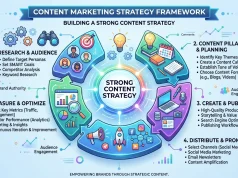
A successful approach requires meticulous planning, research, and execution. You must move away from random blogging and embrace a structured, data-driven architecture. True Inbound Marketing Content SEO is about building systems, not silos.
Content Research and Semantic Mapping
Start with deep research. Keyword tools are useful, but real gold lies in mapping the underlying intent and topic relationships. Use interviews with customers, mining queries in forums like Quora or Reddit, and analyzing leading blogs and competitor sites for content gaps and recurring questions. Build a list of long-tail keywords and semantic variations directly relevant to your audience’s needs.
Try the following steps for the best results:
- Use Google’s “People Also Ask” boxes for question inspiration.
- Analyze the first page of search results for structural cues.
- Note recurring themes, content gaps, and strengths among top competitors.
- Organize research in content briefs to guide your writers.
Inbound Marketing Content SEO is not a guessing game. It’s an ongoing process of refining your keyword universe with actual data and strategic foresight.
Semantic SEO and Entity-Based Optimization
Semantic SEO involves optimizing for topics rather than individual keywords. Search engines categorize information into entities—distinct, well-defined concepts. When writing about a subject, you must include related entities to prove your depth of knowledge.
For example, if you write about running shoes, include discussions about arch support, pronation, breathability, marathon training, injury prevention, and shoe materials. Covering these related concepts signals to search engines that your page provides a complete answer. Tools provided by companies like Semrush and Ahrefs can help you identify these semantic relationships and LSI (Latent Semantic Indexing) keywords to naturally weave into your paragraphs as part of your Inbound Marketing Content SEO strategy.
The Topic Cluster Model
The topic cluster model organizes your website into a logical hierarchy, making it easier for both users and search engine crawlers to navigate.
- Pillar Page: A long-form, comprehensive overview of a broad topic. For example, “Inbound Marketing Content SEO: The Complete Guide.”
- Cluster Content: Specific, detailed articles covering subtopics related to the pillar, such as “How to Build Internal Links for Inbound Marketing Content SEO.”
- Internal Linking: Every cluster article links back to the main pillar page, and the pillar links out to the clusters. Use descriptive, bolded anchor text for logical connection.
This structure passes ranking power between pages and establishes your domain as an authority on the broader subject. Topic clusters are the backbone of smart Inbound Marketing Content SEO, and they improve user experience, session duration, and search engine understanding.
Example Cluster Map
- Pillar: Inbound Marketing Content SEO
-
- Cluster: Keyword Research Methods for Inbound SEO
- Cluster: Creating Evergreen Content Assets
- Cluster: Internal Linking Strategies (see our detailed guide on building strong internal link networks)
- Cluster: Measuring SEO ROI for Businesses
Comparison: Traditional vs. Modern Approaches
|
Feature |
Traditional SEO |
Modern Inbound SEO |
|---|---|---|
|
Primary Focus |
Exact match keywords |
Search intent and user experience |
|
Content Structure |
Isolated blog posts |
Topic clusters and pillar pages |
|
Link Building |
Quantity of backlinks |
Quality and relevance of backlinks |
|
Success Metric |
Raw traffic volume |
Qualified leads and conversions |
|
Voice |
Robotic, keyword-stuffed |
Natural, authoritative, and helpful |
|
Measurement |
Rankings only |
Engagement, dwell time, conversions |
|
User Value |
Often overlooked |
Central to every decision |
Modern Inbound Marketing Content SEO integrates technical best practices, human-centered content, and strategic distribution—all mapped back to business objectives.
Integrating Technical Excellence in Inbound Marketing Content SEO
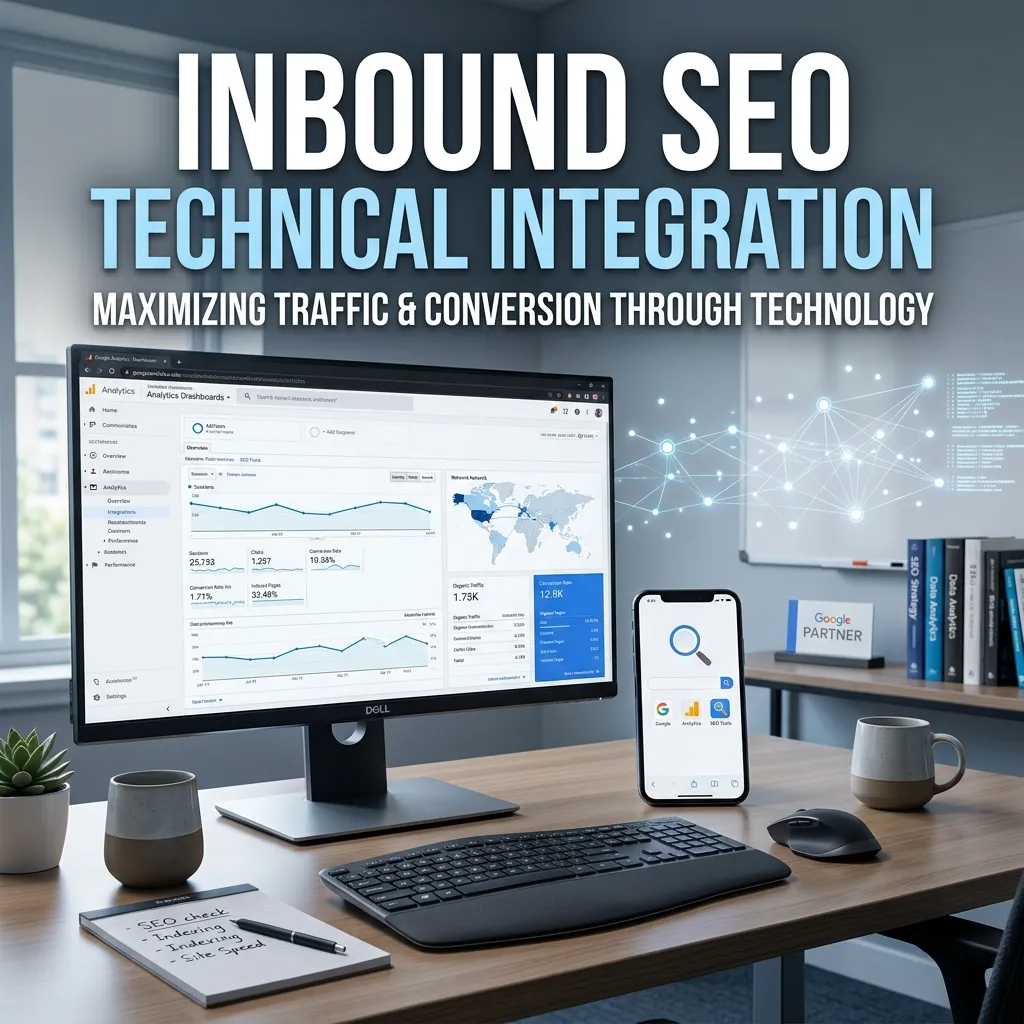
Technical SEO is the foundation of any effective organic strategy. Errors here can undermine the strongest content. Essential technical elements include:
- Site Speed: Pages must load in under three seconds. Use compression, caching, and next-gen image formats.
- Mobile Optimization: Responsive designs ensure content is readable on every device.
- Schema Markup: Add structured data to enable rich search results (see Google’s official structured data guidelines).
- URL Structure: Short, descriptive URLs are preferred (e.g.,
/inbound-marketing-content-seo-growth). - Secure Protocols: HTTPS is now a ranking signal.
- Sitemaps and robots.txt: Help search engines crawl only the right content.
- Core Web Vitals: Optimize for interactivity, stability, and visual load.
A robust Inbound Marketing Content SEO plan always includes technical audits—tools like Google Search Console and Moz’s site audit can catch issues before they affect rankings.
Pro Tips for Expert-Level Optimization
To truly outperform your competitors, you must implement advanced techniques that go beyond basic optimization. Here are expert insights to elevate your strategy for Inbound Marketing Content SEO.
- Optimize for Featured Snippets: Structure your answers clearly. Use bulleted lists, numbered steps, and short, definitive paragraphs right below your H2s to capture position zero.
- Leverage Original Data: Conduct industry surveys or analyze your internal data to publish original statistics. Writers love linking to primary data sources, making this an incredible tactic for earning organic backlinks.
- Conduct Regular Content Audits: Information becomes outdated quickly. Schedule a technical SEO audit and a content refresh every six months. Update old statistics, improve formatting, and expand on sections that have lost traffic.
- Enhance Readability: Break up long walls of text. Use varied sentence lengths. Aim for a conversational yet professional tone that connects with readers naturally.
- Prioritize Page Speed: A slow website kills dwell time. Compress your media files, minify code, and use a fast hosting provider to ensure your pages load in under three seconds. Check Moz’s learning center for specific technical speed optimization tactics.
- Strategic Internal Linking: Use descriptive, bold anchor text to link to related internal resources such as lead generation strategies, on-page SEO best practices, and content auditing guides. These not only boost crawlability, but also guide users toward high-value actions.
- Optimize for Voice Search: Many searches are now conversational (“What’s the best way to improve inbound marketing content SEO?”). Use questions and answers in your headings and body copy.
- Continuous Learning: Follow industry-leading blogs like HubSpot Marketing Blog, Ahrefs Blog, and Content Marketing Institute for updated trends.
Inbound Marketing Content SEO is an ongoing process. Innovation comes from adapting these pro tips and measuring their impact continually.
Common Mistakes to Avoid
Even seasoned marketers fall into traps that hinder their performance. Avoid these common mistakes to protect your rankings and maintain a strong growth trajectory with Inbound Marketing Content SEO.
Ignoring Search Intent
The fastest way to fail is to write an opinion piece when the searcher wants a step-by-step tutorial. Always review the current top-ranking pages for your target query to understand what format and angle the search engine is rewarding.
Overlooking Internal Linking
Publishing a great article and leaving it orphaned (without internal links pointing to it) limits its potential. Internal links help search engines discover new pages and understand your site’s hierarchy. Make sure every new post connects logically to existing material using Inbound Marketing Content SEO frameworks.
Writing for Algorithms Instead of Humans
Keyword stuffing makes your writing unreadable. Search engines are smart enough to penalize content that feels unnatural. Write for your human audience first, ensuring your writing is engaging, clear, and highly valuable.
Neglecting Post-Publishing Distribution
Publishing is only the first step. You must distribute your work through email newsletters, social media channels, and industry communities to generate initial traction and social signals.
Failing to Track Result Metrics
Relying solely on traffic is short-sighted. Real results come from tracking conversions, assisted revenue, customer engagement, and brand sentiment. Integrate your analytics, CRM, and marketing automation systems for a holistic view of how Inbound Marketing Content SEO drives pipeline growth.
Real-World Examples and Case Insights

Let’s look at a few businesses that have implemented Inbound Marketing Content SEO to impressive effect:
- Case Study: SaaS Company
A SaaS product targeting small businesses developed a cluster around “invoice automation.” After optimizing for Inbound Marketing Content SEO, traffic increased by 250%, but more importantly, their demo requests doubled within four months. - Example: Service Agency
By auditing their old blog content, updating underperforming posts with new statistics and stronger internal links, a B2B agency saw a 40% jump in organic leads in a single quarter.
Successful Inbound Marketing Content SEO is built on real results, backed by measured changes and constant iteration.
The Importance of Attributing Authors and Building Trust
Trust is a core part of successful Inbound Marketing Content SEO. Google’s E-E-A-T framework emphasizes that content authored by real, credible experts is more likely to earn high rankings. Attribute each piece to someone with direct knowledge or experience; include author bios, credentials, and references to previous work wherever possible. This increases both user engagement and organic reach.
Achieving Topical Authority With Inbound Marketing Content SEO
A major ranking factor is your overall authority on the main subject. Here’s how to grow it:
- Cover every stage of your user’s journey, from introductory “what is” content to advanced technical guides.
- Reference high-authority, trusted sources throughout each article.
- Update your information with every major industry shift; users and search engines favor fresh, accurate advice.
By consistently building a comprehensive, interconnected library of resources, your Inbound Marketing Content SEO plan will position your brand as the go-to authority—earning not only rankings but also trust that leads to conversions.
Measuring & Analyzing Performance

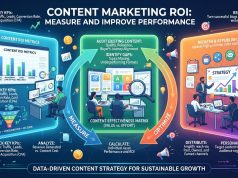
To prove ROI for your Inbound Marketing Content SEO campaigns, focus on these metrics:
- Organic Sessions and Unique Visitors
- Keyword Rankings and Share of Voice
- Backlink Quality and Quantity
- Engagement (Dwell Time, Scroll Depth, Pages/Session)
- Conversions (Form Submissions, Downloads, Sales)
- Assisted Revenue and Pipeline Attribution
Use tools like Google Analytics, Search Console, and HubSpot Analytics to monitor and improve your KPIs.
Conclusion
Inbound Marketing Content SEO is much more than an organic traffic tactic—it’s your engine for lasting, scalable business growth in a crowded digital world. By integrating technical excellence, topical breadth, user-centricity, and strategic internal linking, you’ll build a web presence that not only outperforms competitors but also truly helps your audience.
Remember, your path to sustainable results begins with a deep understanding of your customer’s needs and a commitment to meeting search intent at every stage. Continuously update your content, build partnerships with credible sources, and use data to refine your approach in real-time.
Ensure your team is aligned around Inbound Marketing Content SEO as a core part of your marketing mix. Audit your content regularly, map out topic clusters, strengthen internal links, and commit to being the best answer in your space. The brands that win are those who make it easy for searchers—and search engines—to find trustworthy, relevant resources at every step.
Ready to elevate your business? Start implementing your inbound marketing content SEO plan today and turn every piece of content into a long-term asset that brings you qualified traffic, brand authority, and true growth.
FAQs
1. How long does it take to see results from this strategy?
It typically takes three to six months to see significant organic movement from Inbound Marketing Content SEO. Search engines need time to crawl your new pages, evaluate their quality, and index them appropriately. Consistency and high-quality publishing will accelerate this timeline for inbound marketing content SEO campaigns.
2. What is the difference between inbound marketing and SEO?
Inbound marketing is a broad methodology focused on attracting customers through valuable experiences. SEO is a specific technical and creative practice used within that methodology to ensure your material ranks well in search engines. Inbound Marketing Content SEO combines both for maximum results.
3. How often should I publish new articles?
Quality always trumps quantity. Publishing one highly researched, deeply informative article per week is far more effective than posting five thin, low-effort pieces. Set a consistent schedule that your team can maintain without sacrificing depth; this approach is a cornerstone of effective inbound marketing content SEO.
4. Why is my newly published page not ranking?
New pages take time to index. If it has been several weeks, the page might lack internal links, load slowly, or fail to match the search intent of the target query. Ensure the topic aligns with what users actually want to read and use inbound marketing content SEO best practices for optimization.
5. How important are backlinks today?
Backlinks remain a crucial ranking factor, as they act as votes of confidence from other websites. However, relevance and authority matter more than sheer numbers. A few links from highly respected industry sites will outperform hundreds of low-quality directory links. Make earning trusted links part of your inbound marketing content SEO strategy.
6. Can I rank without long-form articles?
Yes, if the search intent calls for a short answer. However, for complex topics, long-form articles generally perform better because they provide comprehensive answers, naturally incorporate semantic keywords, and keep users on the page longer. Balancing length and clarity is key in inbound marketing content SEO.
7. How do I find the right keywords for my business?
Start by talking to your sales and customer service teams to understand the exact questions your customers ask. Then, use software tools to find search volumes and difficulty scores for those specific terms, prioritizing low-competition, high-intent phrases. Targeting keywords strategically is a pillar of inbound marketing content SEO success.
8. What role does site architecture play in organic rankings?
Site architecture dictates how easily search engines can crawl and understand your website. A flat, logical structure utilizing topic clusters ensures that link equity flows properly and helps establish broad topical authority. This is central to inbound marketing content SEO.
9. Should I update old articles or just write new ones?
You should do both. Updating old articles is often the fastest way to gain traffic, as the page already has some history and authority. Refreshing outdated information, adding new sections, and improving the title tag can result in rapid ranking boosts. Regular updates are fundamental to inbound marketing content SEO.
10. How do I measure the success of my organic efforts?
Track metrics that align with business growth, not just vanity numbers. Monitor organic traffic, keyword ranking improvements, bounce rates, dwell time, and most importantly, the number of qualified leads and conversions generated directly from organic search. Let data-driven insights guide your inbound marketing content SEO decisions.