
AI-powered personalization in inbound marketing leverages machine learning (ML), natural language processing (NLP), and predictive analytics to deliver tailored content across websites, email, and chat. By analyzing behavior, marketers boost engagement, conversions, and long-term customer loyalty while staying ahead of emerging trends.
In today’s competitive digital landscape, generic marketing messages no longer capture audience attention. Prospects expect personalized content and experiences that speak directly to their needs, preferences, and pain points. Artificial intelligence (AI) is transforming how inbound marketers deliver these personalized experiences at scale. By leveraging machine learning algorithms, natural language processing, and predictive analytics, companies can tailor content, recommendations, and engagement across every touchpoint of the buyer’s journey.
Understanding AI-Powered Personalization in Inbound Marketing
AI-powered personalization leverages data-driven models to dynamically tailor messaging, content, and offers for individual prospects or audience segments. Unlike static buyer personas, AI personalization continuously learns from behavioral signals—including page visits, email interactions, browsing patterns, and purchase history—to refine recommendations and predict the next best actions.
This approach allows marketers to deliver highly relevant content at every stage of the buyer’s journey, increasing engagement, improving conversion rates, and fostering long-term customer loyalty. By adapting in real time to each prospect’s behavior and preferences, AI ensures that marketing efforts remain contextually meaningful and more likely to drive desired outcomes. Learn more about AI-Driven Personalization
Key Technologies Driving AI Personalization
Machine Learning Algorithms
Machine learning (ML) enables systems to detect patterns in large datasets and make predictions or decisions without explicit programming. In personalization, ML models analyze historical and real-time data to recommend content, product suggestions, or tailored offers. Common techniques include collaborative filtering for product recommendations and clustering algorithms for dynamic audience segmentation.
Natural Language Processing
Natural language processing (NLP) empowers AI to interpret and generate human language. In inbound marketing, NLP drives automated content tagging, sentiment analysis, and chatbots that understand user intent. By analyzing customer feedback, reviews, and social media mentions, NLP models help marketers refine messaging and address concerns proactively.
Building Your AI-Driven Personalization Framework
Data Collection and Segmentation
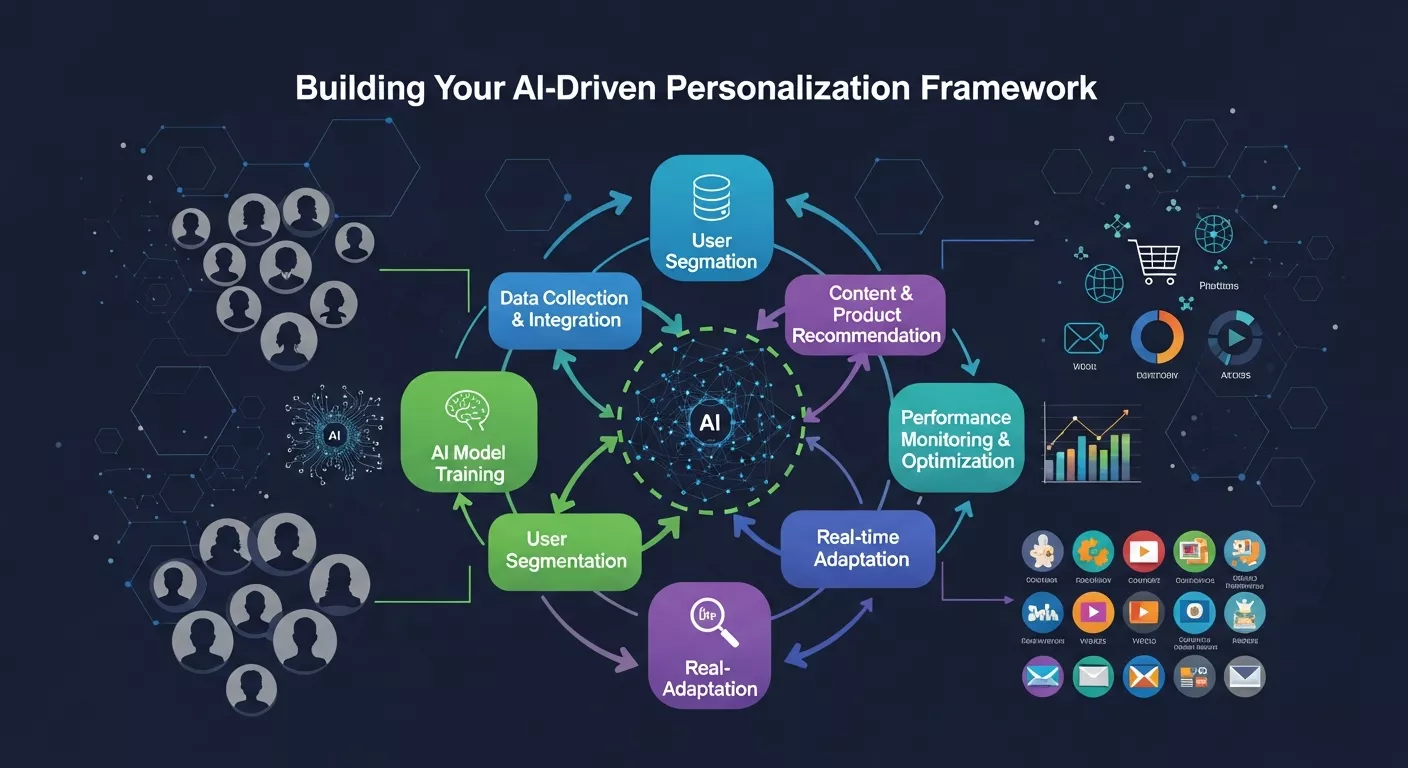
Effective AI-powered personalization begins with comprehensive and accurate data collection. Gather first-party data from sources such as website analytics, CRM records, email interactions, and social media listening. Enhance this with behavioral signals like scroll depth, session duration, click patterns, and past purchase history to create a richer understanding of each prospect.
Next, apply AI-driven clustering techniques to segment your audience into microsegments based on interests, industry, engagement stage, or predicted behavior. These microsegments allow you to deliver highly targeted, relevant content and offers that resonate with each subgroup, driving higher engagement, conversion rates, and long-term loyalty.
Choosing the Right Tools
To implement AI-powered personalization effectively, selecting the right tools and platforms is critical. Many marketing automation platforms and personalization engines now integrate artificial intelligence capabilities, enabling real-time content recommendations, dynamic segmentation, and predictive analytics.
When evaluating solutions, consider ease of integration with your existing systems, real-time decision-making capabilities, and model transparency to ensure you understand how recommendations are generated. Leading platforms often include drag-and-drop workflows, prebuilt AI templates, and API connectivity to your CMS and CRM, allowing seamless data flow and consistent, personalized experiences across channels.
Choosing the right tools ensures that your AI personalization strategy is scalable, efficient, and capable of delivering measurable results.
Implementing Personalized Content and Experiences
Dynamic Website Content
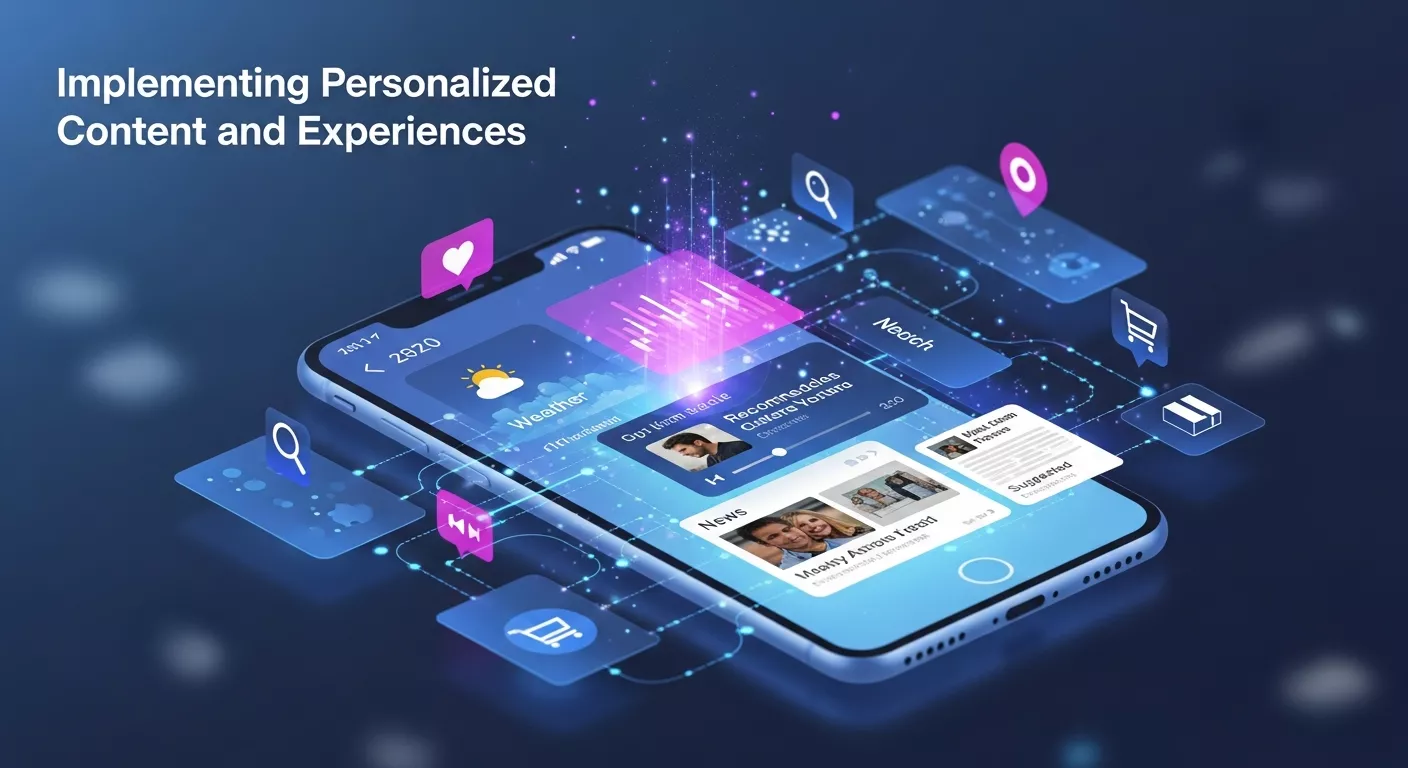
Implement AI-driven web personalization to display tailored content blocks, recommended resources, or dynamic calls to action. For example, repeat visitors might see advanced guides, while first-time visitors receive introductory ebooks. Real-time behavioral triggers—such as downloading a case study—can swap hero images and headlines to match prospect interests.
Email Personalization
AI elevates email marketing by predicting optimal send times, subject lines, and content blocks for individual subscribers. Use predictive scoring models to identify high-intent leads and nurture them with personalized drip campaigns. Incorporate dynamic fields that adjust product recommendations, blog post links, and event invites based on past interactions.
Chatbots and Conversational Marketing
AI-powered chatbots engage visitors with context-aware conversations. By leveraging NLP, chatbots detect user intent and guide prospects to relevant resources, qualify leads, and even schedule meetings. Integrate chat transcripts with your CRM so sales teams receive detailed lead profiles complete with AI-generated interest signals.
Measuring Success and Optimizing Performance
Key Metrics to Track
- Conversion Rate by Segment: Measure how different audience segments respond to personalized campaigns.
- Average Order Value (AOV) Lift: Track increases in revenue per transaction driven by personalized recommendations.
- Email Open and Click-Through Rates: Evaluate engagement with AI-personalized email campaigns to identify top-performing content.
- Web Session Duration on Personalized Pages: Assess how long visitors interact with personalized content, indicating relevance and engagement.
Iterative Testing and Refinement
AI models improve over time by learning from new data. Implement A/B and multivariate testing on personalized experiences to identify which variations perform best. Leverage AI-driven insights to adjust audience segments, content blocks, and offer timing, ensuring that campaigns remain relevant, engaging, and optimized for continuous performance gains.
Challenges and Best Practices
While AI personalization offers immense benefits, marketers must navigate potential pitfalls. Data privacy regulations require transparent data usage policies and consent management. Mitigate bias in AI models by auditing training data for representation. Finally, balance automation with human oversight to maintain brand voice and emotional authenticity.
Future Trends in AI-Enabled Inbound Marketing
The landscape of AI-powered inbound marketing is evolving rapidly. Emerging trends that are shaping the future include:
- Hyperpersonalization with Real-Time Emotion Recognition: AI analyzes emotional cues from user interactions to deliver content that resonates on a deeper, more personal level.
- Voice Search Optimization Driven by AI Conversational Insights: As voice-enabled devices grow in popularity, AI helps marketers optimize content for natural, conversational queries.
- Augmented Reality (AR) Experiences Tailored to Individual Profiles: Personalized AR content allows prospects to interact with products or services in immersive, context-specific ways.
- Predictive Content Orchestration Across Channels: AI predicts which content is most relevant for each prospect and delivers it across multiple touchpoints, ensuring a cohesive, timely, and engaging experience.
Brands that adopt these innovations can exceed customer expectations, drive higher engagement, and strengthen long-term loyalty, positioning themselves ahead of competitors in an increasingly personalized digital marketplace.
Conclusion
AI-powered personalization has transitioned from a competitive advantage to a necessity in modern inbound marketing. By leveraging machine learning (ML), natural language processing (NLP), and predictive analytics, marketers can deliver highly relevant content and experiences that resonate with individual prospects at every stage of the buyer’s journey.
To succeed, start by building a robust data foundation, selecting the right AI tools, and implementing dynamic personalization across your website, email campaigns, and chat platforms. Continuously measure performance, iterate strategies, and stay ahead of emerging trends such as hyperpersonalization, predictive content orchestration, and AI-driven conversational insights.
The result is stronger audience engagement, improved conversion rates, and a sustainable competitive advantage in today’s increasingly digital and personalized marketplace.
FAQ: AI-Powered Personalization in Inbound Marketing
Q1: What is AI-powered personalization in inbound marketing?
A1: AI-powered personalization uses artificial intelligence (AI) to dynamically adjust messaging, content, and offers based on individual behavior, interests, and engagement signals, creating relevant experiences for each prospect or segment.
Q2: Which technologies drive AI personalization?
A2: Key technologies include Machine Learning (ML) for pattern recognition and predictions, and Natural Language Processing (NLP) for analyzing text, sentiment, and conversation intent. These enable predictive recommendations and intelligent segmentation.
Q3: How does AI enhance website and email marketing?
A3: AI enables dynamic website content that adapts to visitor behavior and personalized email campaigns with optimized send times, subject lines, and content blocks, improving engagement and conversions.
Q4: What role do chatbots play in AI personalization?
A4: AI-powered chatbots use NLP to understand user intent, guide prospects to relevant resources, qualify leads, and provide personalized interactions, integrated with CRM systems for detailed lead insights.
Q5: How is success measured in AI-driven personalization?
A5: Key metrics include conversion rates by segment, average order value lift, email open and click-through rates, and web session duration on personalized pages, helping marketers quantify ROI and optimize strategies.
Q6: What are best practices for AI personalization?
A6: Build a robust data foundation, comply with data privacy regulations, audit AI models for bias, balance automation with human oversight, and continuously iterate strategies based on performance metrics.
Q7: What future trends are shaping AI-powered inbound marketing?
A7: Emerging trends include hyperpersonalization with real-time emotion recognition, AI-driven voice search optimization, augmented reality experiences, and predictive content orchestration across channels.