A successful Digital Content Strategy does not force a choice between long-form and micro-content. Instead, it integrates both strategically to support awareness, engagement, conversion, and retention. When depth and accessibility work together, your content ecosystem becomes more powerful, scalable, and results-driven.
The digital marketing landscape has undergone significant transformation over the past decade, driven by shifts in consumer behavior, evolving technology, and the ever-increasing competition for attention online. Marketers are no longer limited to a single type of content; today, success hinges on building a diversified content ecosystem that reaches audiences at the right time, on the right platform, and in the right format. One question that frequently arises is whether to focus primarily on comprehensive long-form content or quick, easily digestible micro-content.
The answer, however, is not a simple either/or scenario. Both long-form and micro-content have distinct advantages and play complementary roles within a broader Digital Content Strategy. Long-form content allows brands to demonstrate thought leadership, provide in-depth education, and establish authority in their industry. Micro-content, on the other hand, enables quick engagement, repeated audience touchpoints, and broader reach across social media, email, and other digital channels.
Understanding when and how to use each format is essential to creating a cohesive, high-performing Digital Content Strategy. It involves assessing audience needs, aligning with the customer journey, and measuring success across multiple metrics. A well-balanced strategy ensures that your content not only attracts attention but also nurtures relationships, drives conversions, and builds long-term loyalty. The FAQs below are designed to address common questions marketers have as they seek to refine their content approach and maximize the effectiveness of their Digital Content Strategy.
What Defines Long-Form Content?
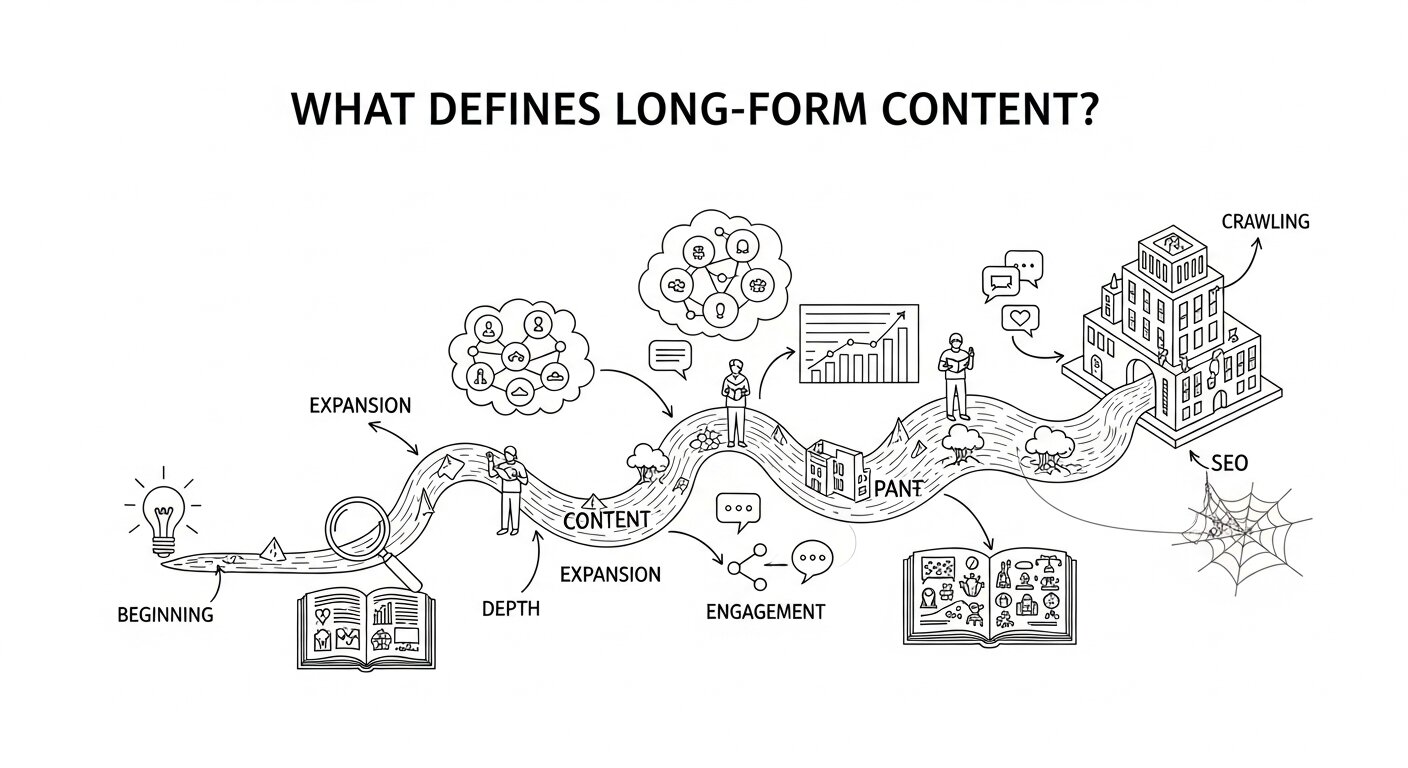
Long-form content typically exceeds 1,200 words and dives deep into a subject. This includes comprehensive guides, detailed case studies, research papers, pillar pages, whitepapers, and in-depth thought leadership articles. In a well-structured Digital Content Strategy, long-form assets often serve as cornerstone content that anchors your SEO, supports topic authority, and builds long-term organic visibility. These pieces are not designed for quick consumption; they are created to become lasting reference points within your industry.
The strength of long-form content comes from its ability to thoroughly address complex topics from multiple angles. It allows you to define terminology, explain frameworks, anticipate objections, and provide practical examples all within one cohesive resource. This depth positions your brand as a trusted authority and provides substantial value to readers seeking comprehensive information before making decisions. When your Digital Content Strategy prioritizes expertise, clarity, and trust-building, long-form content becomes essential for demonstrating credibility and strategic insight.
Long-form content also supports stronger search engine performance. Research consistently supports this approach. According to a study by Back linko, content exceeding 3,000 words receives 77.2% more backlinks than shorter articles, making it especially valuable for SEO performance. In addition, longer pages tend to increase dwell time, expand semantic keyword coverage, and create more opportunities for internal linking — all critical components of a scalable Digital Content Strategy. Over time, these assets compound in value, generating sustained traffic and authority.
Beyond SEO, long-form content strengthens relationship-building. Prospects who invest several minutes reading your in-depth analysis are engaging at a higher cognitive level. That engagement fosters trust and familiarity, which are essential drivers of conversion in competitive markets.
The Power of Micro-Content
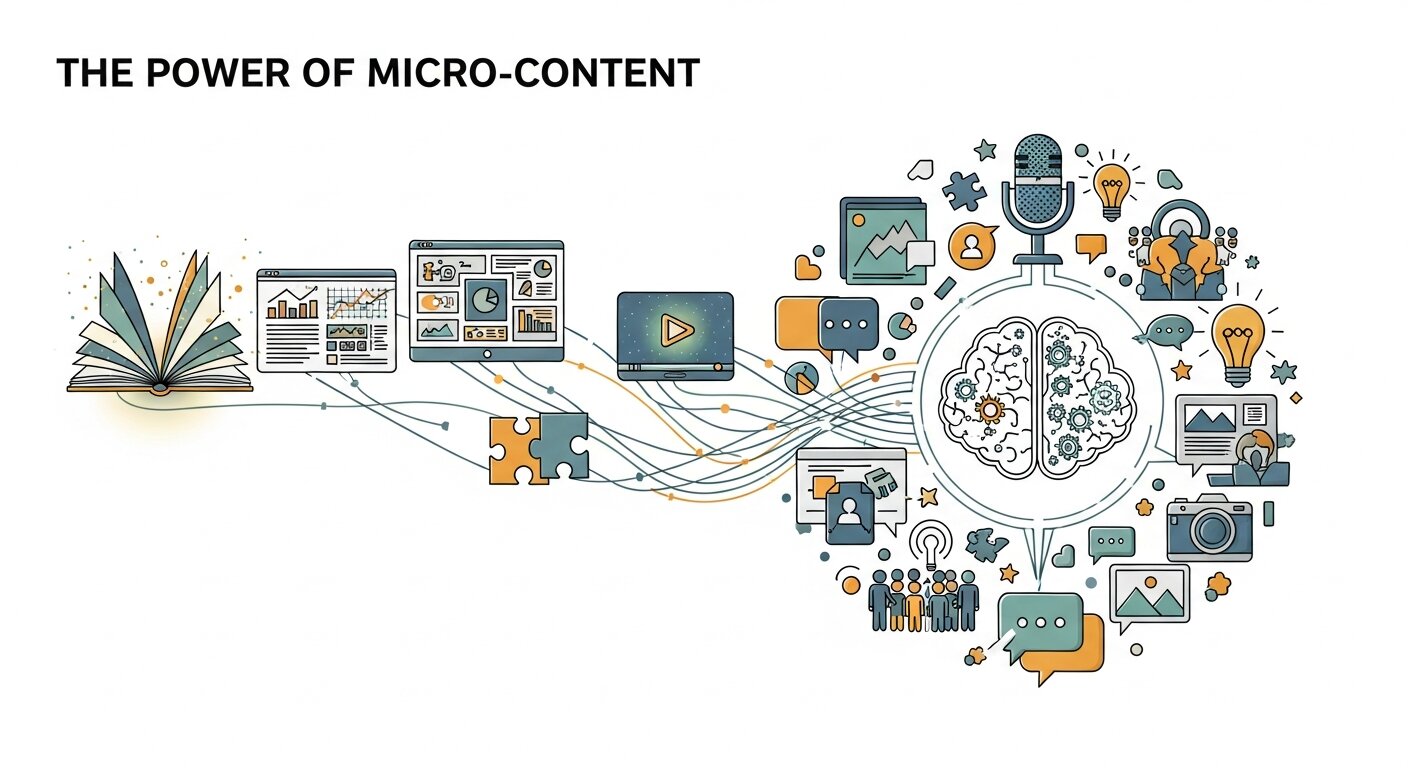
Micro-content delivers information in bite-sized, easily digestible formats. This includes social media posts, short-form videos, carousels, infographics, short blog excerpts, quote graphics, and concise email newsletters. While compact, these assets play a powerful role in amplifying reach and reinforcing brand messaging across multiple platforms.
The beauty of micro-content lies in its immediacy. It captures attention quickly in today’s fast-paced digital environment, where audiences scroll rapidly and evaluate content within seconds. A balanced Digital Content Strategy recognizes that not every interaction should demand deep focus. Sometimes the goal is simply to interrupt the scroll, spark curiosity, or deliver one actionable insight that encourages further exploration.
Micro-content excels at generating initial engagement and repeated exposure. It creates frequent touchpoints with your audience without requiring significant time investment. These repeated impressions build brand familiarity, recall, and perceived authority. When executed consistently, micro-content supports the awareness and consideration stages of the funnel by keeping your brand visible and relevant. Within a comprehensive Digital Content Strategy, micro-content functions as both a distribution channel and a testing ground for messaging, helping you identify which themes resonate most.
Additionally, micro-content adapts well to platform algorithms. Short-form assets are often prioritized in feeds, making them essential for expanding organic reach. By integrating micro-content strategically, your Digital Content Strategy becomes more agile and responsive to changing digital behaviors.
Finding Your Balance
The most effective inbound marketing approaches leverage both formats in a complementary way. Rather than viewing them as competing tactics, a mature Digital Content Strategy treats long-form content and micro-content as interconnected layers within a unified ecosystem.
Your content decisions should align with customer journey mapping. Different content lengths serve different psychological and informational needs at various stages of the funnel. Early-stage audiences may prefer quick educational insights that clarify a problem or introduce a solution. Mid-stage prospects often seek comparisons, case studies, and practical frameworks. Late-stage decision-makers may require detailed implementation guides or ROI breakdowns.
Awareness-stage prospects typically respond better to micro-content that quickly communicates value or highlights a compelling idea. Those further along in their journey seek depth, reassurance, and proof — elements best delivered through long-form content. Structuring your Digital Content Strategy around this progression ensures that each audience segment receives the right level of detail at the right time.
Content Atomization: The Bridge Strategy
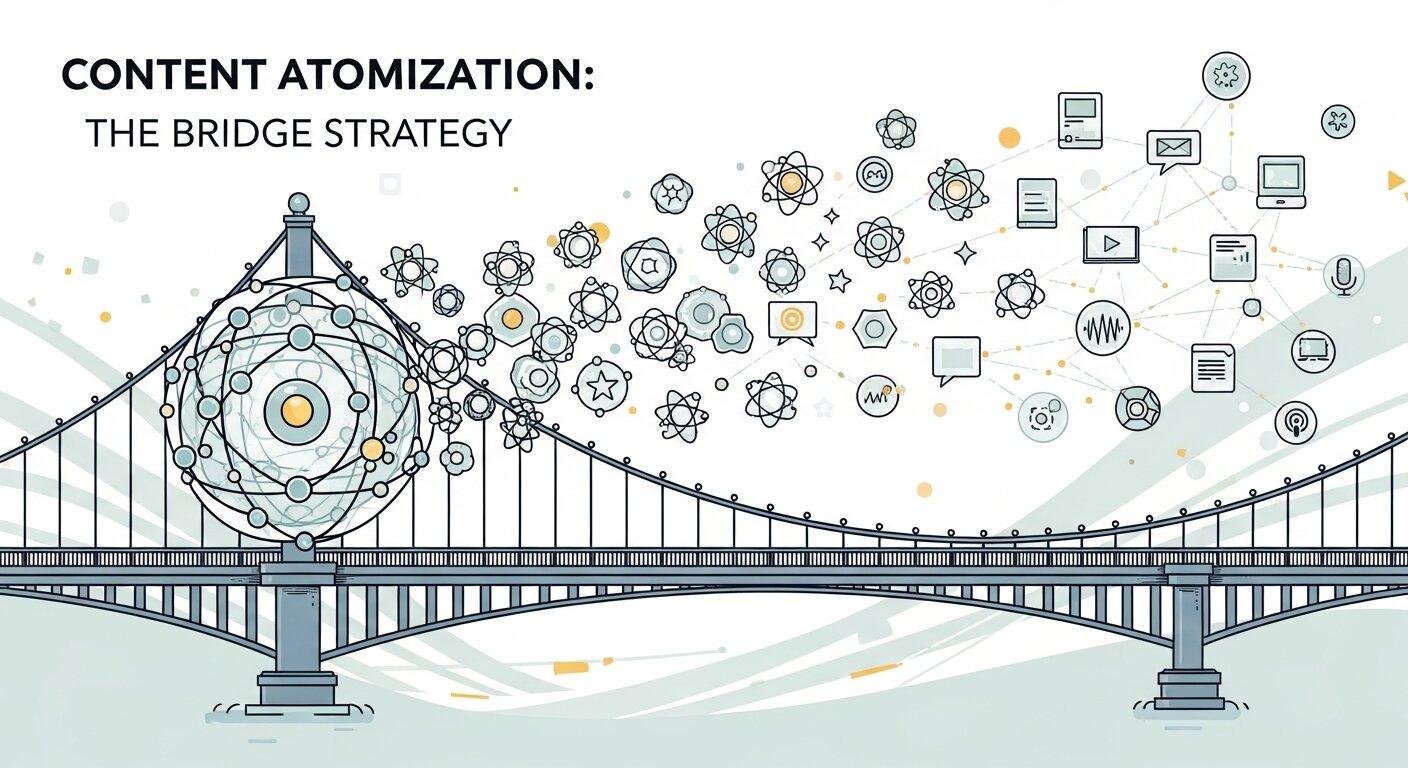
One of the most effective ways to connect both formats is through content atomization — the practice of breaking down comprehensive long-form pieces into multiple micro-content assets.
Start with a cornerstone long-form article that thoroughly covers a high-priority topic relevant to your audience. From that foundational piece, extract key statistics, actionable steps, frameworks, expert quotes, and compelling insights. Transform these elements into social posts, short videos, email highlights, carousel slides, and visual snippets.
This approach maximizes the return on your content investment. Instead of creating separate ideas for every platform, you build once and distribute strategically. It also ensures consistency in messaging, positioning, and value delivery. By integrating atomization into your Digital Content Strategy, you increase efficiency while maintaining strategic alignment across channels.
Aligning Content Length with Business Goals
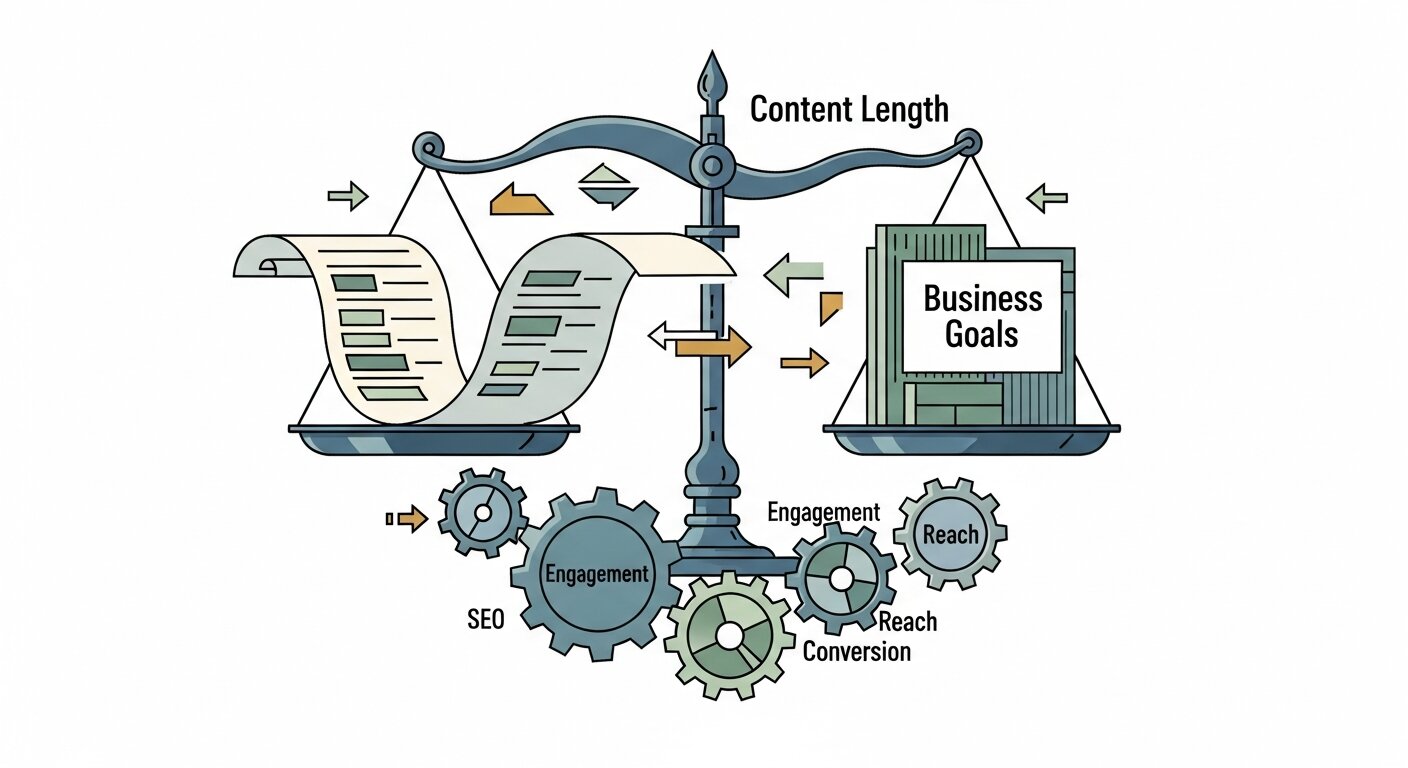
When determining your content mix, always start with your specific objectives. A strong Digital Content Strategy is goal-first, not format-first. Instead of asking, “Should we produce more long-form or short-form content?” ask, “What outcome are we trying to drive?” Your answer should dictate the structure, depth, and distribution of your content.
Brand awareness goals often benefit from micro-content’s broader reach and shareability. Short-form videos, snackable insights, and visually engaging posts are easier to distribute across multiple platforms and are more likely to be shared organically. Within a Digital Content Strategy, micro-content acts as the visibility engine — expanding reach, attracting new audiences, and driving top-of-funnel traffic.
Lead generation, however, typically requires educational depth. Prospects evaluating solutions need clarity, context, and confidence before exchanging their contact information. Medium- to long-form content — such as in-depth guides, webinars, comparison pages, and case studies — builds that trust. A well-designed Digital Content Strategy uses this deeper content to nurture interest into measurable intent.
Conversion and customer retention demand even more specificity. At this stage, your audience is asking detailed questions about implementation, ROI, risk, and long-term value. Long-form assets that address objections, provide step-by-step frameworks, or showcase proof points become powerful conversion tools. When aligned correctly, your Digital Content Strategy ensures that each stage of the buyer journey is supported by the appropriate content depth.
Measuring Impact Across Content Types
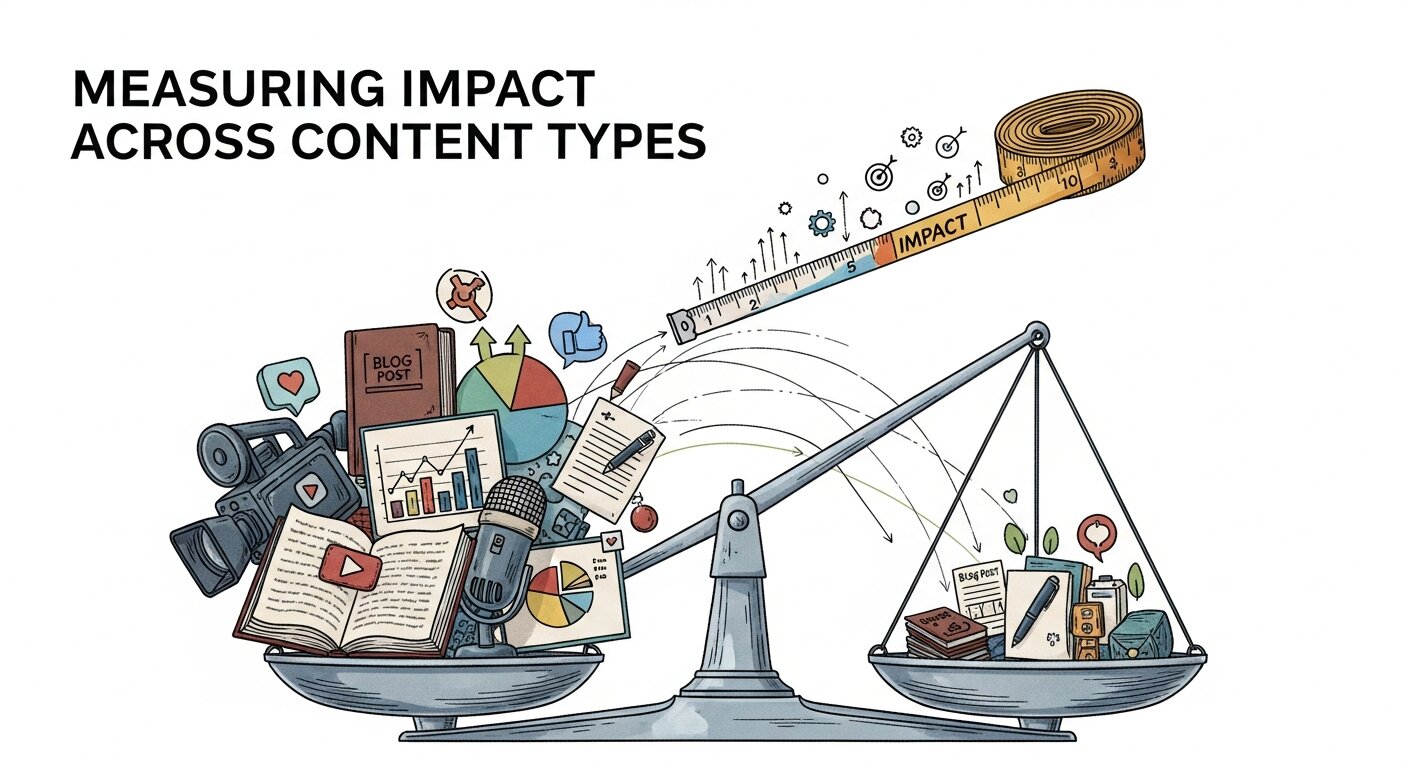
To optimize performance, you must measure each content format according to its purpose. A mature Digital Content Strategy recognizes that not all content should be evaluated with the same metrics.
For long-form content, focus on engagement quality indicators such as time on page, scroll depth, return visits, assisted conversions, and direct conversion rates. These metrics reveal whether your content is holding attention, delivering value, and moving prospects further along the marketing funnel. Long-form success is often tied to depth of engagement rather than sheer reach.
For micro-content, prioritize amplification and interaction metrics. Shares, saves, comments, click-through rates, audience growth, impressions, and profile visits signal whether your content is capturing attention and sparking initial interest. In a comprehensive Digital Content Strategy, micro-content serves as a discovery mechanism, so visibility and engagement are leading indicators of success.
It’s also important to track cross-format influence. For example, how many users discovered your brand through micro-content before later converting through a long-form asset? Multi-touch attribution modeling can reveal how both formats contribute to overall performance. This holistic view strengthens your Digital Content Strategy by ensuring resources are allocated based on real impact rather than surface-level metrics.
Understanding these distinct measurement frameworks allows you to properly assess ROI across your content mix. Instead of favoring one format due to vanity metrics, you can make data-informed decisions that align with revenue and growth goals.
Your Next Steps
Start by auditing your existing content library. Categorize assets by format, funnel stage, performance metrics, and business objective. Are you overly dependent on one content length? Are you producing long-form content without adequate distribution support? Or are you generating high volumes of micro-content without deeper resources to convert interest?
This diagnostic step is critical for refining your Digital Content Strategy. Balance doesn’t mean equal volume; it means intentional alignment with goals and audience needs.
Next, identify opportunities for integration. Can high-performing long-form content be atomized into short-form assets? Can frequently asked questions from social media be expanded into authoritative guides? A connected ecosystem improves efficiency and strengthens your Digital Content Strategy over time.
Remember that quality always outweighs quantity or length. A short post that delivers sharp, actionable insight can outperform a poorly structured 3,000-word article. Likewise, a comprehensive guide that solves a meaningful problem can drive sustainable organic traffic for years. The strength of your Digital Content Strategy lies not in word count, but in relevance, clarity, and strategic intent.
Finally, commit to iteration. Review performance quarterly. Adjust content mix based on audience behavior, evolving business priorities, and emerging distribution channels. The most effective Digital Content Strategy is dynamic — continuously refined based on data and aligned with long-term brand positioning.
The most successful content ecosystems do not force audiences to choose between depth and accessibility. They thoughtfully provide both. By integrating long-form authority with micro-content agility, your Digital Content Strategy creates multiple pathways for engagement — guiding prospects from awareness to trust to action, and ultimately delivering meaningful, measurable business results.
Frequently Asked Questions
What is the ideal length for long-form content?
There is no universal word count, but long-form content typically exceeds 1,200 words and fully explores a topic. The ideal length depends on search intent, competition, and audience expectations. In a strong Digital Content Strategy, depth is determined by value delivered—not arbitrary word count.
Does long-form content always perform better for SEO?
Not always. Long-form content tends to earn more backlinks and improve dwell time, but only if it satisfies user intent. A Digital Content Strategy focused on search performance should prioritize relevance, structure, and quality over length alone.
Is micro-content only useful for social media?
No. While micro-content thrives on social platforms, it also works in email marketing, paid ads, website banners, and SMS campaigns. Within a Digital Content Strategy, micro-content supports awareness, engagement, and traffic generation across multiple channels.
How often should we publish long-form content?
Quality matters more than frequency. Many brands succeed with 2–4 high-quality long-form pieces per month, supported by consistent micro-content distribution. Your Digital Content Strategy should balance production capacity with strategic impact.
Can micro-content generate leads on its own?
Yes, but typically indirectly. Micro-content attracts attention and drives traffic, while long-form content often converts that interest into leads. A well-aligned Digital Content Strategy connects short-form engagement with deeper conversion assets.
What is content atomization and why is it important?
Content atomization is the process of breaking a comprehensive long-form piece into multiple smaller content assets. It increases efficiency and reach. This approach strengthens a Digital Content Strategy by maximizing the return on every major content investment.
How do I know if my content mix is unbalanced?
If you’re generating traffic but not conversions, you may lack depth. If you’re publishing in-depth content with little visibility, you may lack distribution support. An effective Digital Content Strategy continuously audits performance to maintain alignment.
Should startups focus more on micro-content?
Startups often benefit from micro-content early on to build awareness quickly. However, establishing authority still requires foundational long-form assets. A scalable Digital Content Strategy integrates both from the beginning, even at smaller volumes.
How do I measure ROI across different content formats?
Use format-specific metrics. Long-form content should be measured by engagement depth and conversions, while micro-content should be evaluated by reach and interaction. A mature Digital Content Strategy connects both through attribution tracking.
How long does it take to see results from a balanced content approach?
Micro-content can generate engagement quickly, often within days or weeks. Long-form content typically delivers compounding SEO and authority benefits over several months. A sustainable Digital Content Strategy focuses on both short-term momentum and long-term growth.