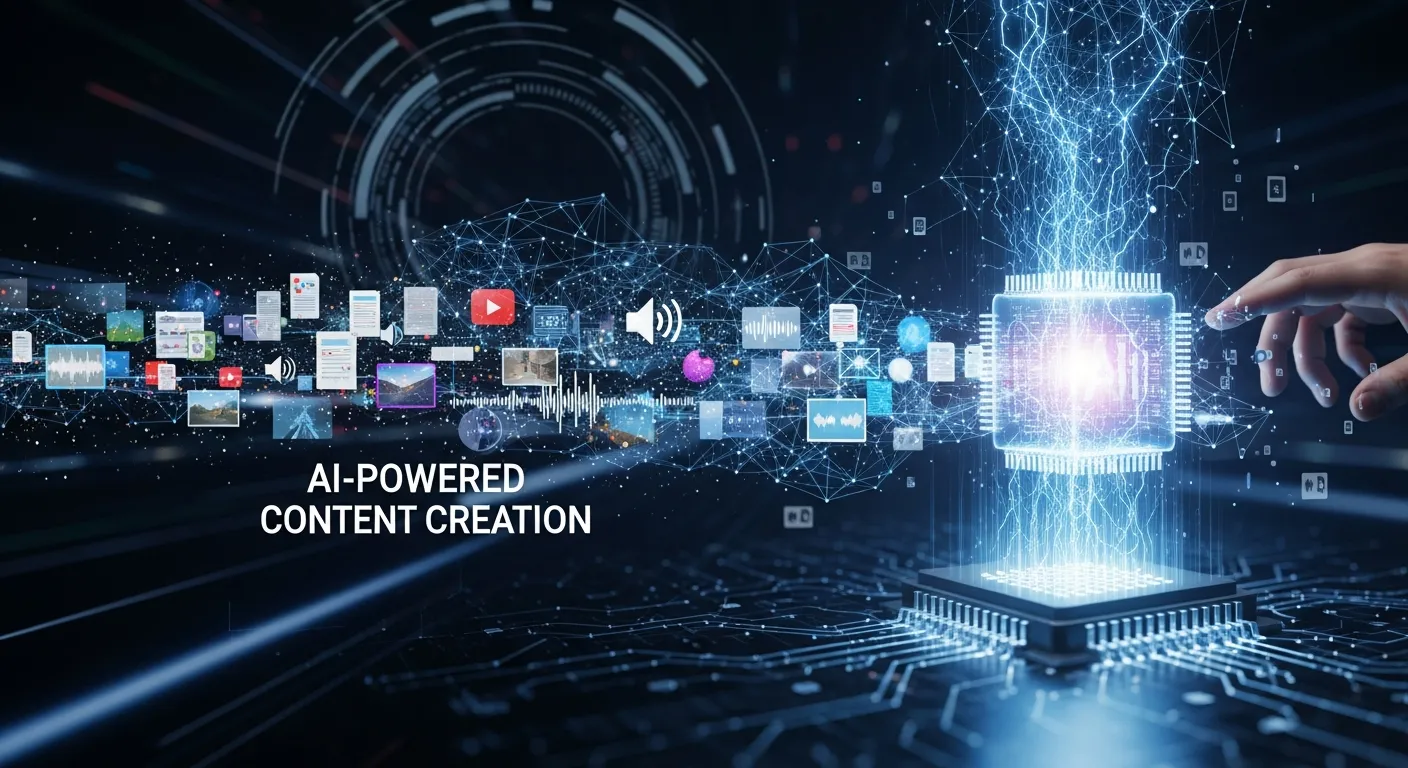
Ethical AI content marketing combines automation with human creativity to build trust, deliver value, and drive sustainable inbound growth. Responsible AI use enhances authenticity, scalability, and long-term audience relationships.
The landscape of content marketing has transformed dramatically with artificial intelligence entering the creative workspace. Modern marketers face unprecedented opportunities to scale their content production while maintaining quality and authenticity.
This shift brings both promise and responsibility. The tools available today can generate compelling copy, analyze audience preferences, and optimize content performance at speeds previously unimaginable. However, success depends entirely on how these capabilities are wielded.
The Foundation of Ethical AI Content Strategy
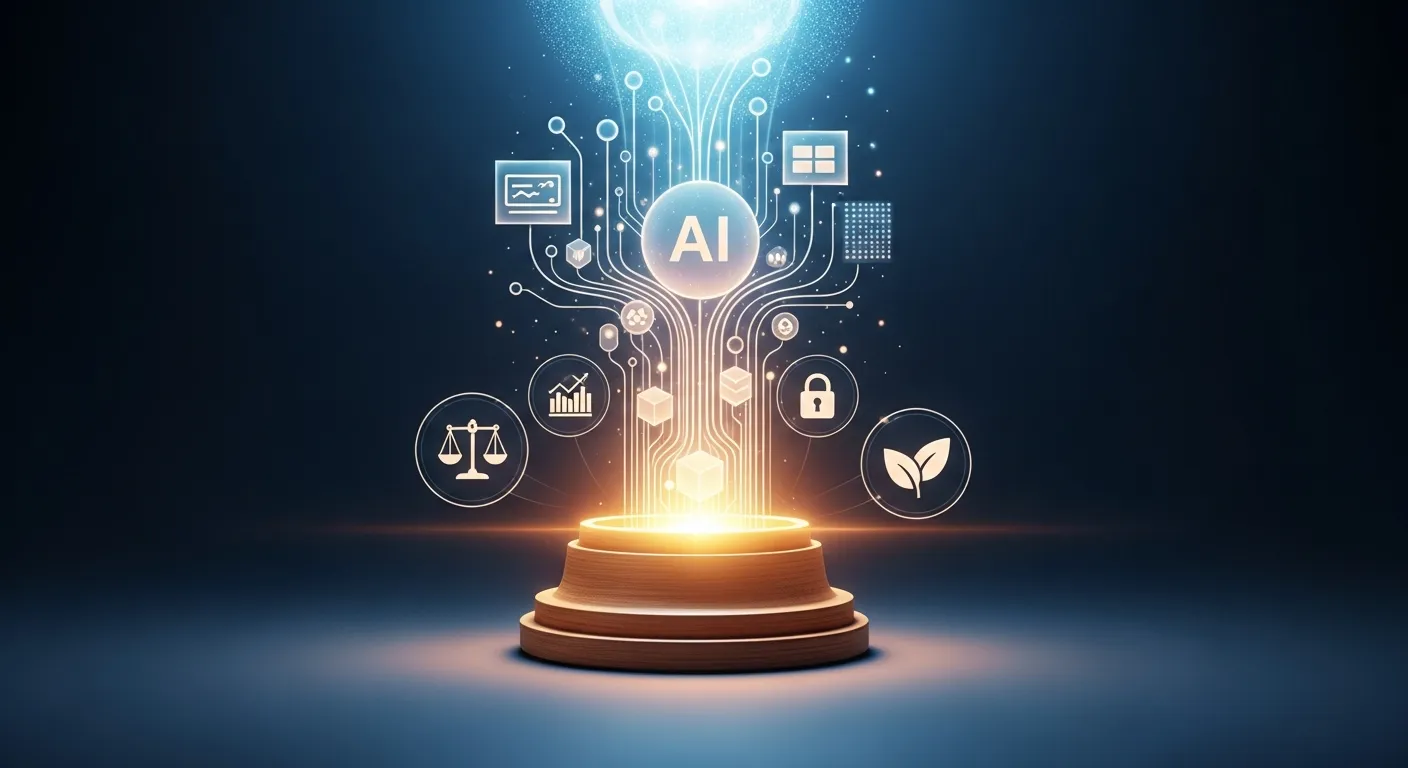
Building trust remains the cornerstone of effective inbound marketing. When artificial intelligence becomes part of your content creation process, transparency becomes more crucial than ever before.
Your audience deserves honesty about the methods behind your content. This doesn’t mean revealing every technical detail, but rather maintaining authentic communication that reflects your brand values consistently.
Smart marketers recognize that AI serves as a powerful assistant, not a replacement for human insight and creativity. The most successful campaigns combine artificial intelligence efficiency with genuine human understanding of customer needs and market dynamics.
Balancing Automation with Authenticity
The temptation to fully automate content creation grows stronger as AI tools become more sophisticated. Yet the most effective approach involves strategic collaboration between human expertise and artificial intelligence capabilities.
Consider your brand voice as sacred territory. While AI can help generate ideas and draft initial content, your unique perspective and industry knowledge should guide every piece that reaches your audience.
Authentic storytelling requires emotional intelligence that current AI systems cannot replicate. Your personal experiences, customer interactions, and industry insights create the narrative threads that truly resonate with readers.
Quality Control in the AI Era
Maintaining editorial standards becomes more complex when artificial intelligence joins your content creation workflow. Establishing clear review processes ensures consistency and accuracy across all published materials.
Every AI-generated piece requires human oversight. This means fact-checking claims, verifying statistics, and ensuring the content aligns with your brand messaging and values.
Consider implementing a multi-stage review system where AI-assisted content undergoes the same scrutiny as traditionally created pieces. This approach maintains quality while leveraging efficiency gains from artificial intelligence tools.
Building Trust Through Transparent Practices
Your audience relationship depends on consistent honesty and value delivery. When integrating AI into your content strategy, focus on enhancing rather than replacing the human elements that make your brand unique.
Successful inbound marketing requires authentic connections with your target audience. Artificial intelligence should amplify your ability to serve customer needs, not create barriers between you and your community.
The goal remains unchanged: providing valuable, relevant content that helps your audience solve problems and achieve their objectives. AI offers new tools for accomplishing this mission more effectively.
Practical Implementation Guidelines
Start small when incorporating artificial intelligence into your content workflow. Choose specific tasks where AI can add immediate value without compromising your brand integrity or audience relationships.
Use AI for research assistance, outline generation, and initial draft creation. Reserve final editing, personal anecdotes, and strategic messaging for human oversight and input.
Monitor performance metrics closely to understand how AI-assisted content resonates with your audience compared to traditional creation methods. This data guides future decisions about where and how to deploy artificial intelligence tools.
Measuring Success Responsibly
Traditional content marketing metrics remain relevant in the AI era. Focus on engagement quality, conversion rates, and long-term relationship building rather than purely volume-based measurements.
Track how your audience responds to different types of AI-assisted content. This feedback loop helps refine your approach and ensures artificial intelligence enhances rather than diminishes your marketing effectiveness.
Remember that sustainable growth comes from building genuine connections with your audience. Artificial intelligence should support this goal, not replace the human elements that create lasting business relationships.
The Rise of AI in Modern Content Marketing

Artificial intelligence has reshaped content marketing by enabling faster production, deeper insights, and scalable personalization. Marketers can now analyze audience behavior, identify trends, and create content efficiently. However, speed alone does not guarantee success. The true value of AI lies in how strategically it is applied. When used responsibly, AI enhances creativity rather than replacing it. Brands that integrate AI thoughtfully can maintain consistency, improve relevance, and stay competitive in a crowded digital space. The challenge is not adoption—but ethical implementation that preserves trust.
Why Ethics Matter in AI-Driven Content
Ethics play a vital role when AI becomes part of content creation. Audiences value authenticity, transparency, and honesty. If content feels misleading or overly automated, trust erodes quickly. Ethical AI use ensures content serves audience needs rather than manipulating attention. Responsible marketers set boundaries on automation, disclose practices when necessary, and prioritize user value. Ethical frameworks protect brand credibility while ensuring long-term inbound marketing success.
Transparency as a Trust-Building Tool
Transparency strengthens audience relationships. When AI assists content creation, brands should remain honest about their processes without overwhelming users with technical details. Clear communication reinforces credibility and shows respect for the audience. Transparency signals that AI supports—not replaces—human expertise. This openness fosters loyalty and aligns with inbound marketing’s core principle: trust before transaction.
Human Creativity in an AI-Assisted Workflow
AI excels at efficiency, but human creativity brings emotion, nuance, and storytelling. Successful content strategies combine AI-generated insights with human judgment. Personal experiences, industry expertise, and emotional intelligence transform basic drafts into compelling narratives. Brands that preserve human creativity stand out in a world of increasingly automated content.
Preserving Brand Voice and Identity
Brand voice defines how audiences perceive your business. While AI can mimic tone, it lacks contextual awareness and cultural sensitivity. Human oversight ensures consistency and authenticity. Establishing clear brand guidelines helps AI-assisted content remain aligned with your identity. Your voice should always sound intentional, not algorithmic.
Quality Assurance in AI Content Creation
Quality control is essential in AI-driven workflows. AI-generated content must be reviewed for accuracy, relevance, and clarity. Fact-checking, tone refinement, and compliance checks prevent misinformation. A structured editorial process ensures AI enhances productivity without compromising standards. Quality builds authority—and authority fuels inbound growth.
AI as a Strategic Content Assistant
AI performs best as a strategic support system rather than a full replacement for human creativity. It can significantly assist marketers with time-intensive tasks such as keyword research, audience analysis, topic ideation, content structuring, and on-page optimization. By handling repetitive and data-driven processes, AI frees marketers to concentrate on higher-level thinking and creative execution.
When deployed strategically, AI helps identify content gaps, predict audience interests, and optimize messaging for search and performance. However, the final direction, storytelling, and emotional depth should always come from human insight. Treating AI as a collaborative partner—not an autonomous creator—ensures content remains authentic, brand-aligned, and trustworthy. This balanced approach allows businesses to scale efficiently while preserving originality, credibility, and meaningful audience connections.
Ethical AI and Inbound Marketing Alignment
Inbound marketing prioritizes value, trust, and long-term relationships. Ethical AI use aligns naturally with these goals. When AI enhances relevance and personalization without manipulation, it strengthens inbound strategies. Responsible automation supports customer-centric marketing rather than transactional messaging.
NFT Marketing and AI Content Relevance
AI-powered content marketing is especially relevant for NFT and Web3 Marketing. NFTs require education, storytelling, and trust-building—areas where inbound marketing excels. AI can help explain complex concepts, optimize SEO content, and personalize community messaging. When used ethically, AI supports long-term NFT adoption, holder retention, and organic community growth instead of short-lived hype.
Measuring AI Content Performance Responsibly
Performance measurement should focus on engagement quality, conversions, and audience trust. Vanity metrics alone don’t reflect success. Ethical marketers analyze how AI-assisted content impacts relationships, retention, and credibility. Continuous optimization ensures AI strengthens—not weakens—marketing outcomes.
Preparing for the Future of AI Content Marketing

AI capabilities will continue to evolve at a rapid pace, reshaping how brands plan, create, and distribute content. As tools become more advanced, the competitive advantage will belong to organizations that prioritize ethical use, continuous learning, and adaptability. Simply adopting AI is no longer enough—brands must understand how to apply it responsibly within their marketing ecosystems.
True success lies in balancing innovation with accountability. While AI can enhance efficiency, insights, and scalability, human judgment remains essential for empathy, creativity, and strategic decision-making. The future of marketing belongs to those who use AI thoughtfully—preserving human connection, maintaining authenticity, and delivering value-driven storytelling that builds trust and long-term relationships with audiences.
Looking Forward
The intersection of artificial intelligence and content marketing will continue evolving rapidly. Staying informed about new developments while maintaining ethical standards positions your brand for long-term success.
Focus on learning and adaptation rather than perfection. The most successful marketers embrace AI as a powerful tool while preserving the human elements that make their content truly valuable to their audience.
Your commitment to ethical practices today builds the foundation for sustained success as AI capabilities expand and become more integrated into marketing workflows across all industries.
Conclusion
Ethical AI content marketing is not about automation alone—it’s about responsibility, trust, and strategic balance. When AI supports human creativity and inbound principles, brands achieve sustainable growth, deeper engagement, and long-term credibility across traditional and NFT markets.
Frequently Asked Questions (FAQs)
1. What is ethical AI content marketing?
Ethical AI content marketing refers to the responsible use of artificial intelligence to create, optimize, and distribute content while maintaining transparency, authenticity, and audience trust. It ensures that AI enhances value rather than misleading users. Ethical practices prioritize accuracy, fairness, and honesty, aligning AI-driven efforts with brand values and inbound marketing principles.
2. How does AI support content marketing?
AI supports content marketing by assisting with keyword research, audience analysis, topic ideation, content optimization, and performance tracking. It helps marketers scale their efforts efficiently while saving time on repetitive tasks. Human teams still lead strategy, creativity, storytelling, and final decision-making.
3. Can AI replace human writers?
AI cannot fully replace human writers. While it can generate drafts and insights quickly, it lacks emotional intelligence, contextual understanding, and lived experience. Human creativity, empathy, and strategic thinking remain essential for authentic storytelling and meaningful brand communication.
4. Is AI-generated content safe for SEO?
Yes, AI-generated content is safe for SEO when it is original, relevant, and valuable to users. Search engines prioritize content quality, usefulness, and intent alignment—not how the content is created. Human review ensures accuracy and compliance with SEO best practices.
5. How does ethical AI build trust?
Ethical AI builds trust by avoiding deceptive tactics, misinformation, and over-automation. When brands prioritize user value and transparency, audiences feel respected and confident. Trust grows through consistent, helpful, and honest content experiences.
6. What risks come with AI content automation?
Unchecked AI automation can lead to generic messaging, factual errors, brand inconsistency, and loss of authenticity. Without human oversight, content may fail to connect emotionally or meet audience expectations. Clear guidelines and reviews mitigate these risks.
7. How can brands maintain authenticity with AI?
Brands maintain authenticity by using AI as a support tool while keeping humans responsible for editing, storytelling, and brand voice. Transparent communication and personalized insights ensure content feels genuine and aligned with audience needs.
8. Does Google penalize AI content?
Google does not penalize AI-generated content based solely on its creation method. It evaluates content based on quality, relevance, expertise, and user value. Poor-quality or spammy content—whether AI-generated or human-written—can be penalized.
9. Is AI content effective for inbound marketing?
Yes, AI content is highly effective for inbound marketing when used ethically. It helps create personalized, timely, and relevant content that attracts, engages, and nurtures audiences throughout the buyer’s journey.
10. How is AI useful in NFT marketing?
AI supports NFT marketing by helping explain complex concepts, optimizing educational content for SEO, analyzing community sentiment, and scaling content across platforms. Ethical AI use builds trust and long-term engagement in Web3 communities.
11. What metrics matter most for AI content?
Key metrics include engagement rates, conversion rates, time on page, audience retention, customer lifetime value, and trust indicators such as repeat visits and feedback. These metrics reflect meaningful impact rather than surface-level volume.
12. How should businesses start using AI ethically?
Businesses should start by applying AI to low-risk tasks such as research and optimisation, then expand gradually. Continuous monitoring, human oversight, and alignment with brand values ensure ethical and effective AI integration.