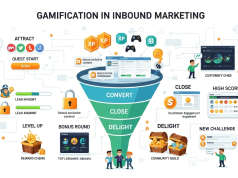

Design Inbound Content transforms your marketing into a strategic, empathetic, and results-driven journey. From awareness to post-purchase advocacy, each content asset should guide, educate, and build trust. By sequencing content thoughtfully and addressing audience needs at every stage, you foster engagement, loyalty, and long-term growth.
Understanding your customers’ journey is critical for creating content that not only attracts prospects but also guides them toward informed decisions and long-term loyalty. Many marketers struggle to produce content that resonates at each stage – from initial awareness to post-purchase advocacy – and that truly drives measurable results. By strategically applying principles of Design Inbound Content, you can craft materials that are empathetic, relevant, and actionable, helping your audience navigate challenges while reinforcing your brand authority. The following FAQs address common questions marketers have when implementing a content strategy that aligns with these pivotal decision points.
The Awareness Threshold: First Impressions Matter

When potential customers first encounter your brand, they’re not immediately evaluating solutions – they’re recognizing problems. At this awareness stage, your content must speak to pain points they already feel but may not have fully articulated. To do this effectively, you need to strategically Design Inbound Content that addresses these early challenges in a way that feels empathetic and relatable.
Blog posts that identify common industry challenges are particularly effective. Short-form videos and infographics also perform well, capturing attention while validating experiences. The key is empathy – showing genuine understanding before presenting solutions. By intentionally planning how you Design Inbound Content, you ensure that every piece resonates with your target audience’s current concerns, helping to establish trust even before a product or service is considered.
Effective awareness content avoids overwhelming technical details. Instead, it creates an emotional connection through relatable scenarios and straightforward language. Your audience doesn’t yet know they need your solution specifically – they just know that something isn’t working. This is why it’s essential to thoughtfully Design Inbound Content that simplifies complex topics into digestible, human-centric narratives. When done well, your content not only educates but also draws potential customers closer to your brand organically.
Consider developing a signature content piece that defines a common industry problem in a memorable way. This cornerstone content, strategically created as part of your plan to Design Inbound Content, can become what your brand is most recognized for. With consistent effort and insight-driven refinements, this type of content positions your company as an authority while setting the tone for all future materials.
The Consideration Pivot: From Problem to Potential Solutions
 Once prospects acknowledge their challenge, they begin evaluating potential approaches. This stage is crucial in determining whether your solution makes their shortlist. Content at this juncture should educate without overwhelming, giving prospects the tools they need to make informed decisions. Case studies that demonstrate varied applications of your approach build confidence, and expert guides that compare methodologies fairly help position your brand as a trusted advisor rather than just a vendor.
To maximize impact, you should continue to Design Inbound Content specifically for consideration-stage prospects. This involves creating guides, templates, and comparative analyses that not only highlight the benefits of your approach but also speak to multiple stakeholders’ priorities, including technical feasibility, financial impact, and implementation requirements. By anticipating these diverse needs, your content empowers champions to advocate for your solution internally.
At Inbound Marketo, we’ve found that consideration-stage content performs best when it balances depth with accessibility. Prospects want substance but in digestible formats that respect their limited time. By applying principles of how to Design Inbound Content, marketers can ensure each piece is structured to provide maximum clarity, engagement, and actionable insights without overwhelming the audience.
Finally, the ongoing process of refining your strategy is essential. By continually analyzing engagement and feedback, you can identify what works best and adjust how you Design Inbound Content accordingly. This iterative approach allows your content to evolve alongside audience needs, ensuring it remains relevant and impactful at every stage of the buyer journey. Thoughtfully applied, this method of content creation solidifies brand authority and enhances trust.
Strategically, every element – from blog posts to videos, guides, and case studies – should reflect how you Design Inbound Content with purpose. By integrating storytelling, problem-solving, and clarity, you create a cohesive experience that guides prospects naturally from awareness to consideration. Over time, consistently applied principles of how to Design Inbound Content establish your brand as a reliable, insightful resource in your industry.
When executed thoughtfully, this approach demonstrates that you understand your audience deeply and can guide them through complex challenges. By embedding strategies on how to Design Inbound Content throughout the journey, you ensure every interaction contributes meaningfully to brand perception, engagement, and conversion.
The Evaluation Crossroads: Why You, Specifically?
With your approach clearly defined, prospects now enter the evaluation stage, where they begin assessing specific providers. This is a critical moment that separates also-rans from serious contenders. To stand out, your content must clearly articulate your distinctive value proposition while guiding prospects through their decision-making process. Strategically, this is where you should focus on how to Design Inbound Content that directly addresses the questions, doubts, and comparisons your audience is actively making.
Detailed comparison resources that honestly present strengths and limitations build tremendous trust. For example, side-by-side guides or evaluation matrices can show where your solution excels while acknowledging realistic constraints. Behind-the-scenes content revealing your internal processes adds transparency and credibility, signaling that your brand has nothing to hide. Thoughtfully designed testimonials that speak to specific customer concerns provide social proof at exactly the right moment. Incorporating these elements into how you Design Inbound Content ensures your materials resonate with prospects who are seeking evidence-based validation rather than generic marketing claims.
Evaluation content should be intentionally crafted to answer the questions prospects are often hesitant to ask. Address potential objections before they become roadblocks, and anticipate concerns that could delay a decision. This proactive approach demonstrates confidence and sets you apart from competitors who avoid uncomfortable discussions. By applying a strategic framework to Design Inbound Content, you create evaluation materials that are not only informative but also persuasive, helping to shorten sales cycles while building deeper trust with your audience.
Avoid generic platitudes. Your content should be specific about what makes your approach unique, but it should highlight tangible customer outcomes rather than simply listing technical features. Case studies, success stories, and metrics-driven examples are invaluable. By integrating these narratives into your plan to Design Inbound Content, you ensure that each piece demonstrates real-world impact, which is far more compelling than abstract claims.
The Decision Moment: Removing Final Obstacles
 Once prospects have narrowed their options, they face the decision stage, accompanied by second thoughts and lingering concerns. At this point, your content must provide reassurance and remove final friction points. Clear implementation guides outlining next steps reduce uncertainty, while ROI calculators quantify potential value and build confidence in the decision. Onboarding previews or walkthroughs of support systems demonstrate foresight and attention to detail, showing prospects that their success is a priority. Leveraging best practices in how to Design Inbound Content ensures these resources are structured to meet diverse learning preferences and reinforce confidence.
Decision-stage content often benefits from multiple formats. Some prospects respond best to visual walkthroughs or video tutorials, while others prefer step-by-step written instructions. Providing both approaches maximizes effectiveness and accessibility. When you Design Inbound Content with format diversity in mind, you create a seamless experience that accommodates different decision-making styles, reducing friction and increasing the likelihood of commitment.
Remember that your champion within the organization may need to justify this decision to colleagues or executives. Equip them with internal-facing materials that make this easier – executive summaries, presentation slides, implementation timelines, and ROI overviews. By strategically applying principles of how to Design Inbound Content, you can create collateral that supports not only the primary prospect but also internal advocates, ensuring alignment across stakeholders.
Finally, this stage is an opportunity to reinforce confidence through thoughtful messaging and targeted storytelling. Each piece of content, whether an FAQ, testimonial, or implementation guide, should reflect careful consideration of audience needs and decision-making triggers. By continuously refining your approach to Design Inbound Content, you maintain relevance, clarity, and impact, ultimately helping prospects feel informed, supported, and ready to commit.
Effectively, when you intentionally integrate Design Inbound Content throughout the evaluation and decision stages, you transform complex buying journeys into structured, reassuring experiences that build trust, shorten sales cycles, and demonstrate clear differentiation from competitors. Each asset serves a purpose, guiding prospects seamlessly from consideration to confident selection.
The Experience Threshold: From Customer to Advocate
The final critical decision point occurs after purchase, when customers decide whether to become enthusiastic advocates or remain passive users. Post-purchase content is pivotal: it can turn early adopters into loyal promoters by guiding them toward success and celebrating their achievements. To achieve this, it’s essential to strategically Design Inbound Content that supports, educates, and delights customers long after the sale is complete.
Customer-exclusive resources that solve specific implementation challenges are highly effective in demonstrating ongoing commitment. Whether it’s detailed how-to guides, troubleshooting FAQs, or advanced tutorials, content crafted through careful planning of how to Design Inbound Content ensures it meets real-world customer needs. Recognition programs that highlight customer successes further create powerful emotional connections. By incorporating these stories into your post-purchase strategy, you reinforce that your brand values both results and relationships.
Community platforms that facilitate peer-to-peer learning add value beyond your product itself. When designing these spaces, thinking about how to Design Inbound Content for engagement and collaboration ensures participants gain practical insights, share experiences, and develop advocacy naturally. This approach not only strengthens loyalty but also transforms satisfied customers into brand ambassadors who help guide newer users.
One of the most overlooked aspects of post-purchase content is timing. Providing advanced tactics before customers have mastered foundational skills can lead to frustration or disengagement. Instead, develop sequenced content that aligns with typical customer progression, delivering the right information at precisely the right moment. Strategically applied principles of Design Inbound Content allow you to map these sequences effectively, ensuring each resource resonates, educates, and drives confidence.
Even subtle, incremental customer education can have an outsized impact on advocacy rates. Short “success tips” or micro-guides delivered at key milestones often outperform comprehensive but overwhelming manuals. By thinking carefully about how to Design Inbound Content for these small, targeted touchpoints, you can create a cadence that keeps customers engaged and steadily moving toward advocacy.
Creating Your Decision-Point Content Strategy
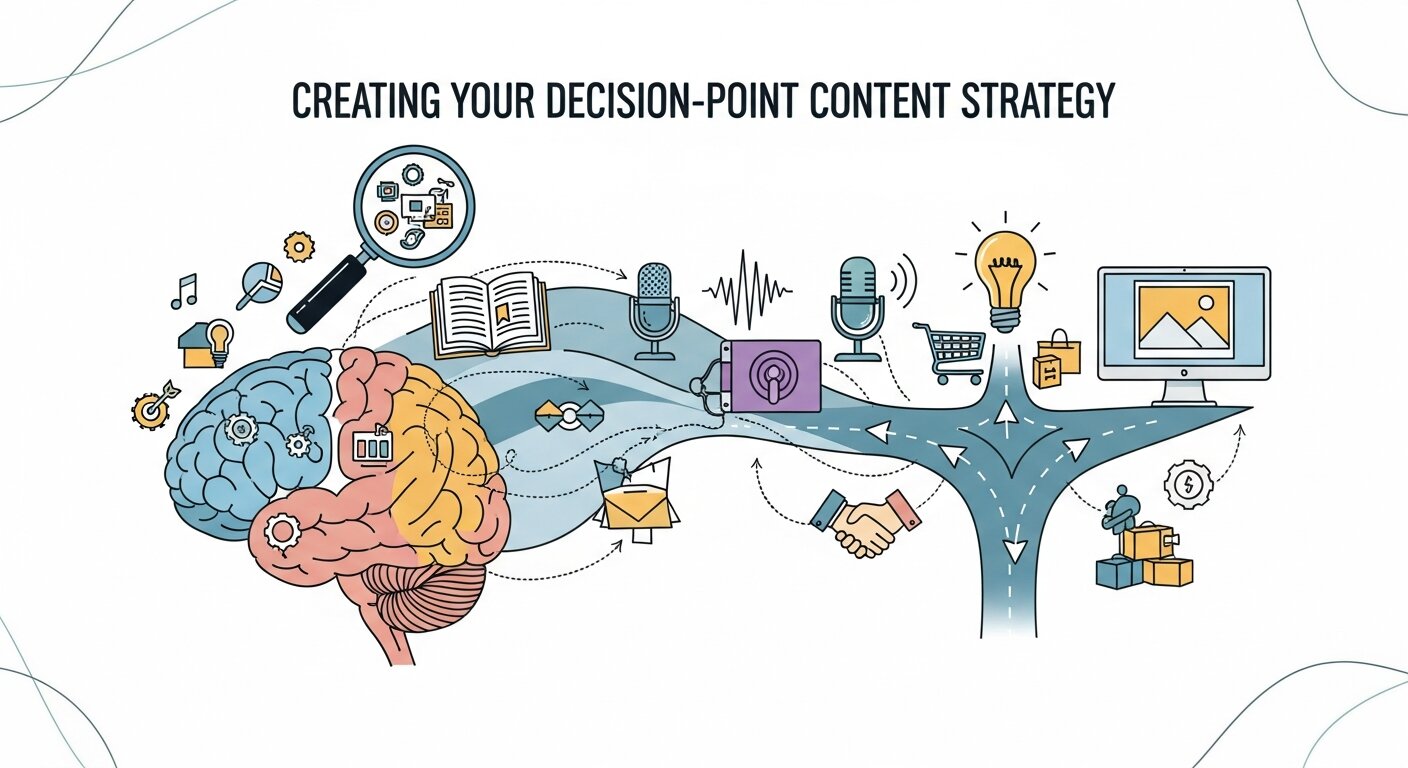
Developing content for these five critical decision points requires a deep understanding of where prospects and customers struggle within your industry. Begin by mapping your current content against these key moments and identifying gaps where engagement drops or customers disengage. This gap analysis guides the strategic application of how to Design Inbound Content to address the areas of greatest need.
Prioritize content creation for the decision point showing the highest abandonment or disengagement rates. A single, powerful piece addressing a critical gap often outperforms multiple pieces targeting areas already covered. Thoughtful planning of how to Design Inbound Content ensures that each piece not only provides practical guidance but also meets the emotional needs of the customer at that specific stage.
It’s important to recognize the emotional context at every stage of the customer journey. Awareness is often marked by confusion or frustration, consideration brings cautious optimism, evaluation creates anxiety over choices, decision triggers commitment concerns, and the post-purchase experience shapes long-term impressions. By intentionally incorporating these insights into the way you Design Inbound Content, each asset becomes a tool for empathy, guidance, and reinforcement, rather than just information.
Ultimately, post-purchase content that is carefully sequenced, thoughtfully crafted, and strategically delivered can transform your marketing from simple messaging to a guiding force in customer decisions. By applying principles of Design Inbound Content throughout the entire journey – from awareness to post-purchase – you create a seamless, supportive experience that fosters satisfaction, loyalty, and advocacy. Every touchpoint becomes an opportunity to reinforce value, nurture trust, and encourage active participation in your brand community.
When executed effectively, the post-purchase phase illustrates the full potential of Design Inbound Content: content that informs, engages, delights, and converts satisfied customers into passionate advocates. By continuously refining your approach and analyzing engagement, you ensure that your content remains relevant, impactful, and aligned with customer needs, ultimately driving stronger retention and long-term growth.
Frequently Asked Questions
What is Design Inbound Content?
Design Inbound Content is the strategic creation of content tailored to each stage of the customer journey, focusing on relevance, engagement, and actionable insights to guide prospects and customers.
Why is it important to Design Inbound Content for awareness?
At the awareness stage, prospects are recognizing problems rather than solutions. Thoughtfully designed content builds trust, highlights common pain points, and establishes your brand as an authoritative voice.
How do I create content for consideration-stage prospects?
Focus on educational, digestible materials like guides, templates, and comparative analyses that address multiple stakeholders’ needs. When planning these resources, consider Creating Content Clusters: Organizing Your Inbound Content for Maximum SEO Impact, which helps structure related topics for better search visibility and audience understanding. Use Design Inbound Content principles to ensure clarity and relevance.
What type of evaluation content works best?
Detailed comparisons, case studies, behind-the-scenes insights, and testimonials are most effective. Design Inbound Content here should answer unspoken questions and address objections proactively.
How can I reduce friction at the decision stage?
Provide clear implementation guides, ROI calculators, and onboarding previews. Content should accommodate multiple learning preferences, following best practices for Design Inbound Content.
What role does post-purchase content play in advocacy?
Post-purchase content helps customers succeed, reinforces trust, and encourages advocacy. Use Design Inbound Content to deliver timely tips, tutorials, and recognition programs that celebrate achievements.
How do I ensure content is delivered at the right time?
Sequence content according to typical customer progression. Design Inbound Content with careful timing to prevent frustration and maximize engagement at each milestone.
Can Design Inbound Content improve internal advocacy?
Yes. Providing champions with materials like executive summaries, slides, and implementation timelines supports internal alignment and decision-making.
How do I measure the effectiveness of Design Inbound Content?
Track engagement metrics, content consumption patterns, conversion rates, and advocacy indicators to understand which pieces resonate and drive outcomes.
How can I continuously improve content strategy?
Regularly analyze performance data and customer feedback. Iteratively refine Design Inbound Content to address gaps, enhance relevance, and adapt to evolving audience needs.