
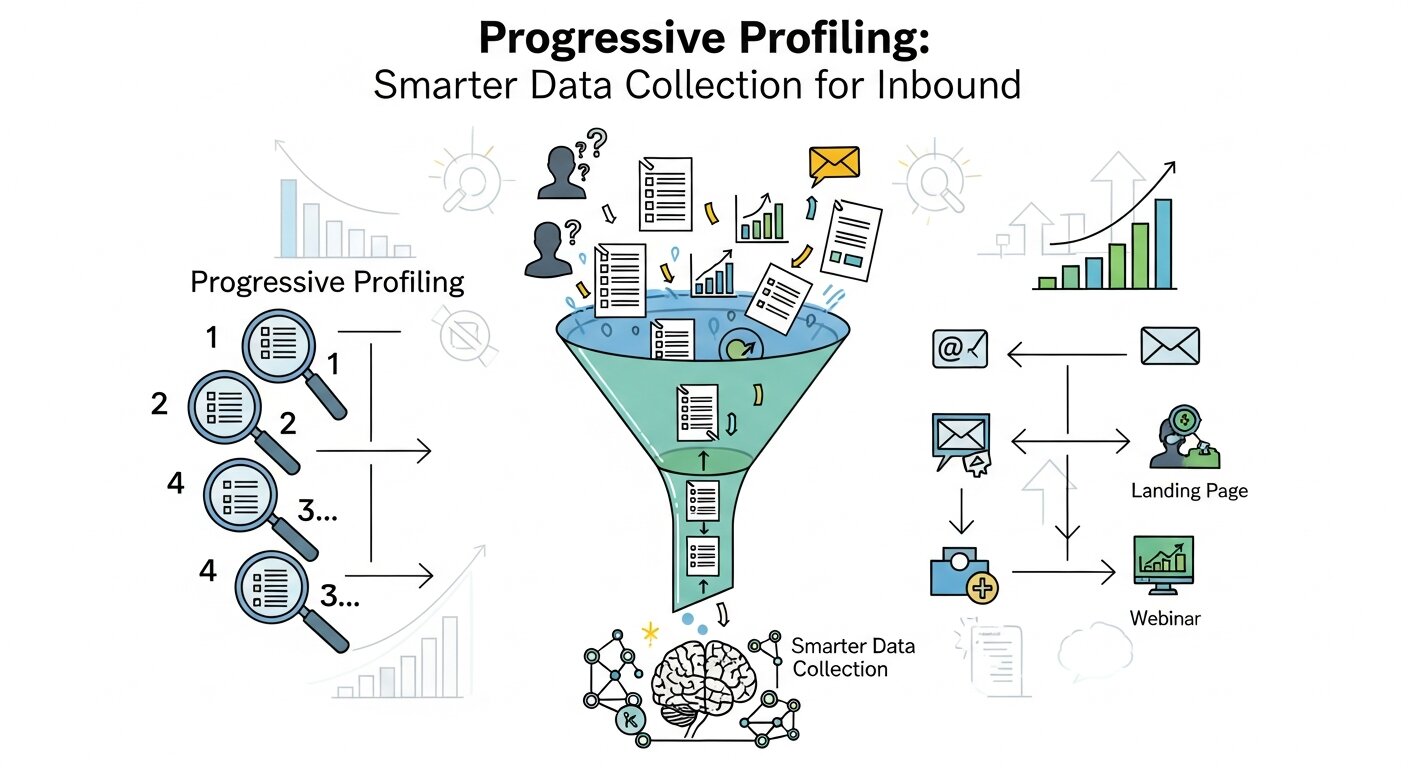
Progressive profiling allows businesses to collect customer data gradually while protecting the user experience. When aligned with a clear inbound data strategy, it strengthens personalization, improves conversions, and builds trust. The key is collecting the right data at the right time—always in exchange for meaningful value.
Progressive profiling often raises both practical and strategic questions for marketing teams that are implementing, optimizing, or scaling their inbound data strategy. While the concept sounds straightforward—collecting information gradually instead of all at once—the execution requires thoughtful planning, cross-functional alignment, and the right technology infrastructure. Marketers must decide what data to collect, when to collect it, how to communicate the value exchange, and how to ensure the experience remains seamless across touchpoints.
Leaders also grapple with balancing personalization goals against privacy expectations. As customer awareness around data usage increases, teams must ensure their inbound data strategy is transparent, consent-driven, and aligned with regulatory standards. At the same time, sales and revenue teams expect deeper insights and better-qualified leads, which places pressure on marketing to gather meaningful information without damaging conversion rates.
Additionally, operational questions often emerge. How should progressive profiling integrate with CRM systems? What triggers should prompt new data requests? How do you measure success beyond form submissions? How do you prevent data silos from undermining your inbound data strategy? These considerations require more than tactical adjustments—they demand a clear framework that connects data collection to customer experience, personalization, and revenue outcomes.
Below are some of the most common questions decision-makers, strategists, and marketing practitioners ask when trying to strike the right balance between personalization, privacy, user experience, and performance within a modern inbound data strategy.
What Is Progressive Profiling?
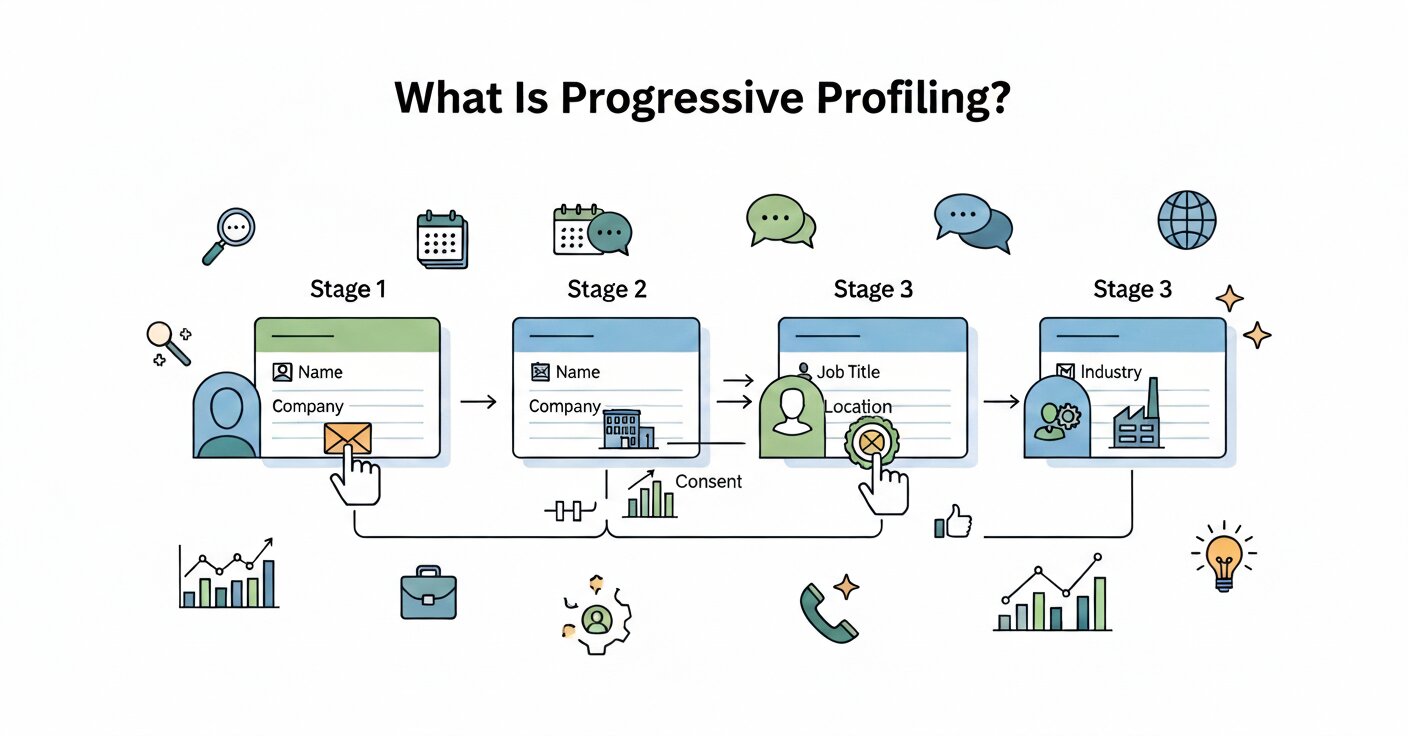
Progressive profiling is the strategic approach of collecting customer information gradually over time, rather than requesting everything at once. Instead of overwhelming visitors with long, intrusive forms, you gather small, meaningful pieces of data at different stages of the relationship. This approach prioritizes trust and user experience, allowing prospects to engage with your brand before being asked for deeper personal details.
At its core, progressive profiling is a foundational element of a strong inbound data strategy. Rather than treating data collection as a single transactional moment, it transforms it into an ongoing, value-driven exchange. Each interaction—whether downloading a resource, subscribing to a newsletter, or registering for a webinar—becomes an opportunity to learn something new. Over time, these micro-conversions build a comprehensive customer profile organically and intelligently.
Why Traditional Forms Are Failing Us
Traditional forms often fail because they prioritize company needs over user comfort. We have all experienced abandoning a form that asked for too much information too soon—phone number, company size, budget, job title, and more—before we even understood the value being offered. Research from the Baymard Institute shows that 26% of online shoppers abandon their purchase because the checkout process is too long or complicated. The same friction applies to marketing forms.
Studies consistently show that each additional form field reduces conversion rates by roughly 4%. When businesses demand extensive information upfront, they introduce unnecessary resistance into the buyer journey. This approach directly conflicts with a thoughtful inbound data strategy, which focuses on minimizing friction while maximizing value exchange. Excessive data requests not only lower conversions but can also damage trust, especially in an era where privacy concerns are increasingly top of mind.
How Progressive Profiling Strengthens an Inbound Data Strategy
True inbound marketing is about attracting prospects with value, not interrupting them with demands. Progressive profiling supports this philosophy by aligning data collection with relationship development. Instead of front-loading every question, you start with the essentials—such as name and email—and gradually request additional information as engagement deepens.
A well-executed inbound data strategy uses progressive profiling to:
- Create a low barrier to entry for first-time visitors.
- Build credibility before asking for sensitive details.
- Demonstrate respect for the visitor’s time and privacy.
- Deliver increasingly personalized experiences as more data is collected.
- Improve segmentation and lead scoring without overwhelming prospects.
For example, a first-time visitor downloading an introductory guide might only provide basic contact details. On their next interaction, such as registering for a webinar, they might be asked about industry or job role. Later, when requesting a product demo, more specific business information can be collected. Each step feels natural because the value exchange is clear.
By integrating progressive profiling into your inbound data strategy, you shift from aggressive data capture to intelligent data cultivation. The result is a richer understanding of your audience, stronger engagement rates, and higher-quality leads. Most importantly, you preserve the seamless inbound experience that builds long-term loyalty rather than short-term conversions.
Implementing Progressive Profiling: A Step-by-Step Approach
 Start with the Essentials
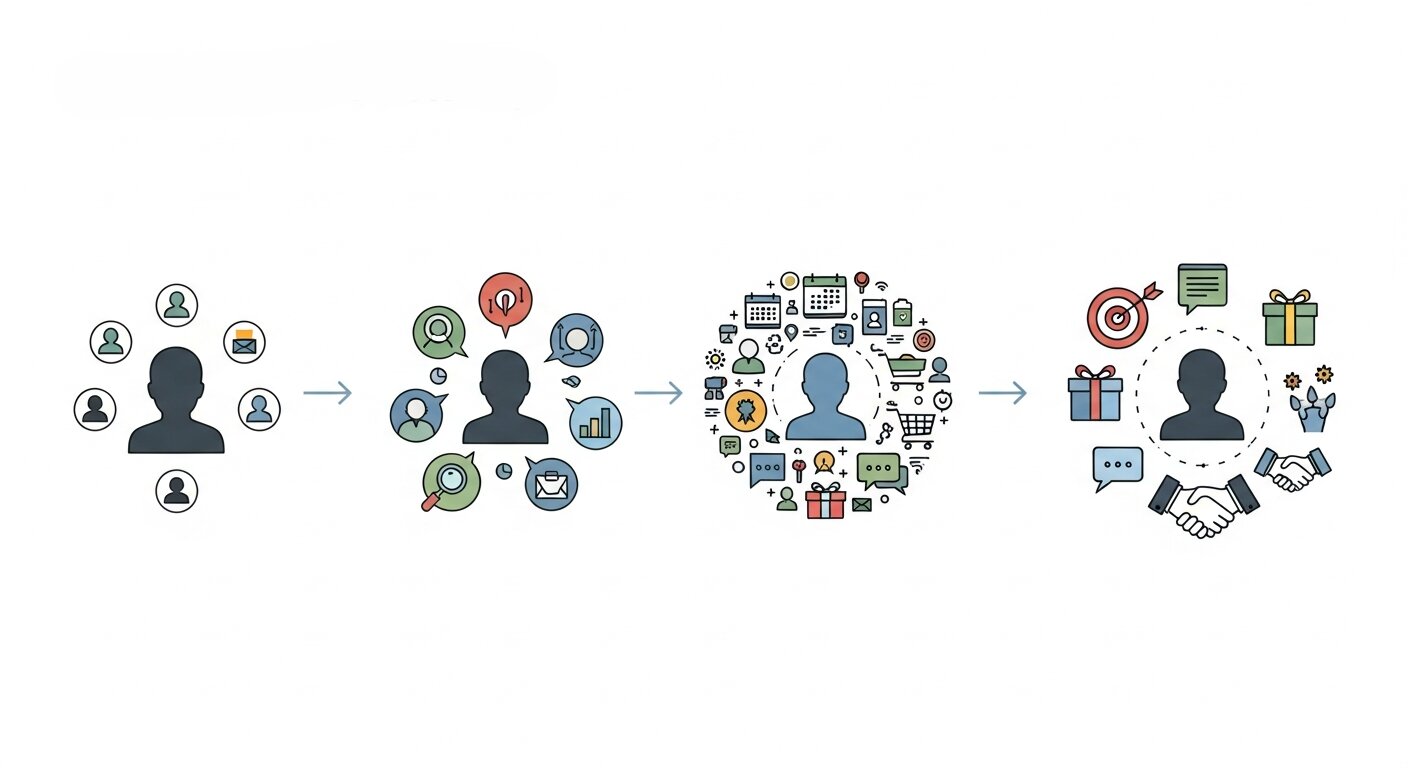
For first-time interactions, ask only for what you absolutely need—typically just an email address. This simple starting point reduces friction and increases the likelihood of conversion. A well-designed inbound data strategy recognizes that the first goal is permission, not perfection. Once a visitor opts in, you have earned the opportunity to continue the conversation and gradually deepen the relationship. For guidance on crafting effective email sign-up forms, check out best practices for lead capture forms.
This approach keeps the entry barrier low while still opening the door to meaningful follow-up. By resisting the urge to collect excessive information upfront, your inbound data strategy protects the user experience and preserves momentum in the buyer journey. Learn more about optimizing user onboarding experiences to reduce drop-offs.
Map Information to the Buyer’s Journey
Progressive profiling works best when it is intentional. Rather than randomly adding new questions to forms, map the information you need to specific stages of the buyer’s journey. For insights on structuring buyer journeys, see how to map the customer journey effectively.
- Early stage: Focus on basic contact information and broad interests. At this point, your inbound data strategy should prioritize understanding general intent rather than detailed qualification. Simple insights such as topic preferences or industry category are often enough. Explore examples of effective lead magnets for early-stage prospects.
- Middle stage: As engagement deepens, begin collecting professional details and specific challenges. This is where your inbound data strategy supports segmentation and targeted nurturing. Information like job role, company size, or primary pain points allows you to personalize messaging effectively. Read about advanced lead segmentation techniques.
- Late stage: When prospects show buying signals, you can responsibly request budget considerations, purchasing authority, and timeline details. By this stage, trust has been established, and your inbound data strategy transitions from nurturing to enabling sales conversations. See how to qualify leads before a demo for more context.
Use Smart Forms Technology
Technology plays a critical role in making progressive profiling seamless. Smart forms can recognize returning visitors and dynamically adjust the fields displayed. Instead of repeating previously answered questions, they present new ones based on what is already known. Learn about smart form software for marketers to implement this effectively.
This capability is essential to any modern inbound data strategy. When forms adapt intelligently, the experience feels smooth and respectful. Visitors see shorter forms, while your system continues building a richer profile behind the scenes. Proper CRM and marketing automation integration ensures data flows consistently across touchpoints. Check out top marketing automation platforms for guidance.
Provide Clear Value Exchanges
Every time you request new information, there must be a clear value exchange. Data should never feel like a demand—it should feel like part of a mutually beneficial interaction. Explore examples of value exchanges in lead generation.
Early-stage requests might be exchanged for educational content such as guides or checklists. Mid-stage information could unlock webinars, case studies, or industry reports. Later-stage details may grant access to personalized consultations or product demonstrations. A thoughtful inbound data strategy ensures that each request for information is aligned with a tangible benefit for the prospect. Learn more about how to design lead nurturing campaigns.
Real-World Progressive Profiling in Action
Imagine Sarah visits your website for the first time and downloads a guide by providing just her email address. Your inbound data strategy captures that initial interest without overwhelming her.
Two weeks later, she returns to register for a webinar. The system already recognizes her email, so instead of asking for it again, the form requests her job title and company size. The process feels efficient and tailored.
A month later, Sarah signs up for a product demo. At this stage, the form asks about her primary challenges, decision-making authority, and timeline. By now, she understands the value your company provides, so sharing additional details feels appropriate. Through this gradual process, your inbound data strategy has built a comprehensive, actionable profile—without ever presenting a long, intimidating form. For more examples, see progressive profiling case studies.
Balancing Data Collection with User Experience
According to research from McKinsey & Company, personalization can deliver five to eight times the ROI on marketing spend. However, meaningful personalization depends on quality data. Explore why personalization drives ROI.
Progressive profiling offers the balance modern marketers need. A carefully executed inbound data strategy allows you to gather the insights required for personalization while protecting the integrity of the user experience. The objective is not to collect the most data possible, but to collect the right data at the right time. Learn how data-driven marketing strategies optimize customer experiences.
Before adding any field to a form, ask a simple question: How will this information improve the customer experience? If you cannot clearly articulate its purpose within your inbound data strategy, it likely does not belong on the form. For tips, see form optimization techniques for marketers.
Common Progressive Profiling Mistakes to Avoid
Asking for the Same Information Repeatedly
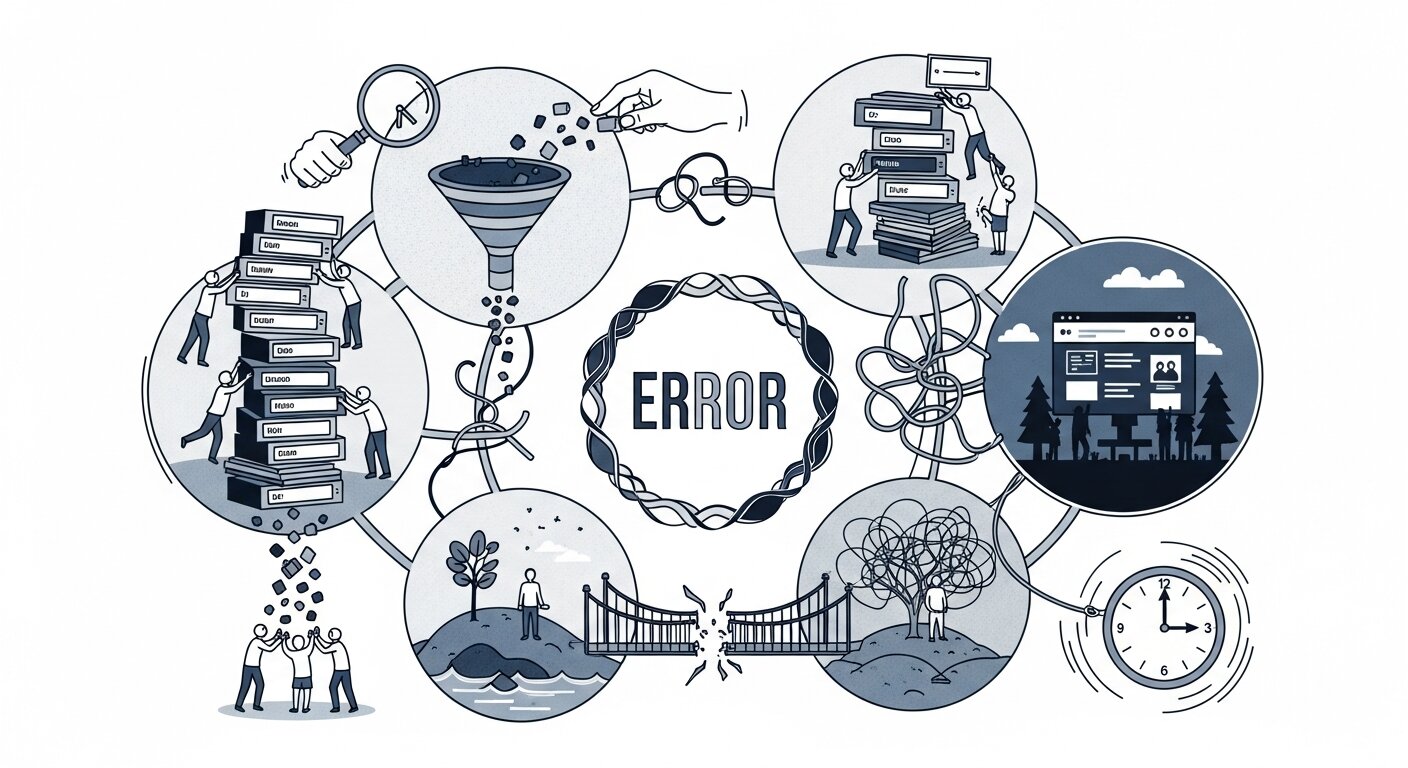
Nothing erodes trust faster than requesting information a user has already provided. This typically happens when systems are not properly integrated. Ensure your CRM, marketing automation platform, and website forms are aligned. A cohesive inbound data strategy depends on accurate, centralized data management.
Collecting Data Without a Plan
Progressive profiling should never be implemented without clear intent. Before launching, define exactly how each data point will influence segmentation, personalization, lead scoring, or sales outreach. An inbound data strategy without a clear usage framework leads to bloated databases and missed opportunities.
Ultimately, progressive profiling is not just a form optimization tactic—it is a strategic discipline. When integrated into a broader inbound data strategy, it transforms data collection from a friction point into a trust-building, revenue-driving advantage.