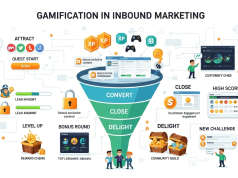

Inbound marketing attracts customers through valuable content, SEO, and authentic engagement. An inbound marketing consultant helps businesses build sustainable systems that generate qualified leads, improve conversions, and align marketing with revenue goals. With expert guidance, inbound marketing becomes a long-term growth engine rather than a short-term expense.
Traditional advertising methods are losing their effectiveness. Cold calls go unanswered, direct mail lands in the trash, and banner ads get blocked. Consumers have grown tired of being interrupted by pushy sales tactics and instead seek out brands that provide genuine value.
This shift has created a massive opportunity for businesses willing to embrace inbound marketing—a strategy that attracts customers through helpful content, search engine optimization, and authentic engagement. However, executing an effective inbound marketing strategy requires specialized knowledge, strategic thinking, and consistent execution that most businesses struggle to manage internally.
An inbound marketing consultant brings the expertise needed to transform your marketing approach from interruptive to magnetic. They understand how to create content that ranks in search engines, nurture leads through strategic email sequences, and convert website visitors into loyal customers. More importantly, they can help you build sustainable systems that generate qualified leads while you sleep.
What Is Inbound Marketing?

Inbound marketing focuses on creating valuable experiences that naturally draw potential customers to your business. Rather than interrupting people with unwanted advertisements, inbound marketing provides helpful information that addresses specific problems your audience faces.
The methodology consists of four key stages: attract, convert, close, and delight. Each stage requires different tactics and careful coordination to move prospects through your sales funnel effectively.
At the attract stage, you create blog posts, videos, and social media content optimized for search engines. This content targets keywords your ideal customers use when searching for solutions online. The convert stage involves offering valuable resources like ebooks, webinars, or free consultations in exchange for contact information. During the close stage, you nurture these leads through targeted email campaigns and personalized sales outreach. Finally, the delight stage focuses on providing exceptional customer experiences that turn buyers into advocates. Learn more about Inbound Marketing Mastery.
The Role of an Inbound Marketing Consultant
An inbound marketing consultant serves as both strategist and implementer, helping businesses develop and execute comprehensive marketing plans that generate consistent results. Their primary responsibility involves analyzing your current marketing efforts, identifying gaps and opportunities, then creating actionable strategies to improve performance.
These professionals bring deep expertise in multiple disciplines including content marketing, search engine optimization, social media management, email marketing, and marketing automation. They stay current with industry trends, algorithm changes, and best practices that can significantly impact your results.
Beyond technical skills, consultants provide objective perspective that internal teams often lack. They can identify blind spots in your messaging, suggest new market opportunities, and recommend budget allocation strategies based on data rather than assumptions.
Key Services Provided by Inbound Marketing Consultants
Content Strategy Development
Content forms the foundation of successful inbound marketing campaigns. Consultants conduct thorough research to understand your target audience’s pain points, preferences, and behavior patterns. They develop editorial calendars that align content creation with business objectives while ensuring consistent publishing schedules.
This process includes keyword research to identify search terms your prospects use most frequently. Consultants analyze search volume, competition levels, and commercial intent to prioritize topics that drive qualified traffic to your website.
Search Engine Optimization
Getting found online requires technical SEO knowledge that extends far beyond keyword stuffing. Consultants optimize website architecture, page loading speeds, and mobile responsiveness to improve search rankings. They also implement schema markup, meta tags, and internal linking strategies that help search engines understand and index your content effectively.
Local SEO becomes particularly important for service-based businesses. Consultants optimize Google Business profiles, manage online reviews, and build local citations that improve visibility in geographic-specific searches.
Lead Generation Systems
Converting website visitors into qualified leads requires strategic placement of compelling offers and streamlined conversion processes. Consultants design landing pages that clearly communicate value propositions while removing friction from the sign-up process.
They also implement lead scoring systems that help sales teams prioritize follow-up efforts based on prospect engagement levels. This ensures your team focuses energy on leads most likely to convert into customers.
Marketing Automation
Nurturing leads through complex sales cycles requires sophisticated automation workflows that deliver personalized messages at optimal times. Consultants set up email sequences, social media campaigns, and retargeting ads that maintain engagement without overwhelming prospects.
These systems can dramatically improve conversion rates while reducing manual workload for your team. Properly configured automation can handle initial lead nurturing, appointment scheduling, and even basic customer service inquiries.
Benefits of Hiring an Inbound Marketing Consultant

Cost-Effective Expertise
Building an internal marketing team with comprehensive inbound expertise requires significant investment in salaries, benefits, and ongoing training. Hiring a consultant provides access to senior-level knowledge at a fraction of the cost while avoiding lengthy recruitment processes.
Consultants also bring established relationships with technology vendors, content creators, and other service providers. These connections often result in better pricing and faster implementation timelines for your projects.
Faster Results
Experienced consultants can quickly identify what’s working and what isn’t in your current marketing efforts. They’ve seen similar challenges across multiple industries and can implement proven solutions rather than experimenting with untested approaches.
This expertise acceleration means you’ll start seeing improved metrics within weeks rather than months. Whether it’s increased website traffic, higher email open rates, or more qualified sales appointments, consultants know which levers to pull for immediate impact.
Objective Analysis
Internal teams often develop emotional attachments to campaigns, content, or strategies that aren’t performing well. Consultants provide unbiased evaluation based on data and industry benchmarks rather than office politics or personal preferences.
This objectivity extends to budget allocation recommendations. Consultants can suggest reallocating resources from underperforming channels to high-impact activities without worrying about stepping on toes or hurting feelings.
Scalable Systems
Rather than implementing quick fixes, experienced consultants build sustainable systems that grow with your business. They establish processes, document workflows, and train your team to maintain momentum after the consulting engagement ends.
These systems continue generating results long after the consultant has moved on, providing ongoing return on your investment.
Why Inbound Marketing Outperforms Traditional Advertising
Traditional advertising relies on interruption, while inbound marketing earns attention. Modern consumers research before buying, compare options, and trust educational content more than promotional messaging. Inbound marketing aligns with this behavior by meeting prospects at the exact moment they are searching for solutions. This results in higher-quality leads, stronger brand trust, and better long-term ROI compared to outbound tactics.
When Your Business Needs an Inbound Marketing Consultant
Many businesses attempt inbound marketing but struggle with consistency and results. A consultant becomes essential when traffic stagnates, leads lack quality, or content fails to convert. If your internal team lacks SEO expertise, automation knowledge, or strategic clarity, a consultant bridges the gap and provides a structured roadmap for growth.
How Consultants Align Marketing With Business Goals
Inbound marketing consultants don’t just focus on traffic—they connect marketing activity directly to revenue goals. They align content strategy with buyer journeys, sales targets, and customer lifetime value. This ensures every campaign supports measurable business outcomes rather than vanity metrics.
How to Choose the Right Inbound Marketing Consultant
Evaluate Track Record
Look for consultants who can demonstrate measurable results for businesses similar to yours. Ask for specific case studies that show improvements in website traffic, lead generation, and customer acquisition costs. Be wary of consultants who only share vanity metrics like social media followers or blog views without connecting these numbers to business outcomes.
Request references from recent clients and actually contact them to discuss their experience. Ask about communication style, project management capabilities, and whether the consultant delivered promised results within expected timeframes.
Assess Technical Competency
Inbound marketing requires proficiency with numerous software platforms and technical concepts. Your consultant should be comfortable with marketing automation tools, analytics platforms, content management systems, and SEO software.
During initial conversations, pay attention to how they explain complex concepts. Great consultants can translate technical jargon into business language that stakeholders throughout your organization can understand and act upon.
Consider Industry Experience
While marketing principles apply across industries, specific sectors have unique challenges, regulations, and customer behaviors. A consultant with relevant industry experience will understand these nuances and can implement strategies that comply with industry standards while resonating with your specific audience.
However, don’t automatically dismiss consultants from different industries. Sometimes fresh perspectives can uncover opportunities that industry insiders might overlook.
Examine Their Own Marketing
Pay close attention to how potential consultants market themselves. Their website, content quality, social media presence, and email communications should demonstrate the expertise they claim to possess. If they can’t generate leads for their own business, how can they help you generate leads for yours?
Start Building Your Inbound Marketing Strategy

Inbound marketing represents a fundamental shift from interruption-based advertising to value-driven customer acquisition. While the potential returns are substantial, success requires strategic planning, consistent execution, and specialized expertise that most businesses lack internally.
An experienced inbound marketing consultant can accelerate your results while building sustainable systems that continue generating qualified leads for years to come. They provide the knowledge, objectivity, and proven processes needed to transform your marketing from expense center to revenue driver.
The question isn’t whether you need better marketing—it’s whether you’ll invest in the expertise required to achieve it. Start by evaluating your current marketing performance and identifying gaps that an inbound consultant could address. Your future customers are already searching for solutions you provide. Make sure they can find you.
Conclusion
Inbound marketing is no longer optional—it’s essential. As consumers reject interruption-based advertising, businesses must adapt by delivering value, relevance, and trust. An inbound marketing consultant provides the expertise, systems, and strategy needed to turn marketing into a predictable growth engine. Investing in inbound expertise today positions your brand for sustainable success tomorrow.
Frequently Asked Questions (FAQs)
What does an inbound marketing consultant do?
An inbound marketing consultant plans, implements, and optimizes strategies that attract, engage, and convert customers. They use content marketing, SEO, email automation, and analytics to build sustainable lead-generation systems aligned with business goals.
Do small businesses benefit from inbound marketing?
Yes, inbound marketing helps small businesses compete effectively by focusing on relevance, helpful content, and search visibility rather than large advertising budgets. It allows smaller teams to attract highly targeted leads organically.
Is inbound marketing better than paid ads?
Inbound marketing delivers stronger long-term ROI by building evergreen traffic and trust. Paid ads provide faster, short-term visibility, but inbound creates lasting assets that continue generating leads even after campaigns end.
How long does inbound marketing take to work?
Most businesses see measurable improvements within 3–6 months. Results depend on consistency, competition, and execution quality, but inbound marketing compounds over time, delivering stronger returns long-term.
Is inbound marketing expensive?
Inbound marketing is more cost-effective over time compared to continuous paid advertising. While there is an upfront investment in strategy and content, long-term lead acquisition costs decrease as organic traffic grows.
Is SEO mandatory for inbound marketing?
Yes, SEO is a foundational inbound channel. It ensures your content is discoverable by people actively searching for solutions, driving high-intent traffic that converts more effectively than interruption-based marketing.
Can inbound marketing generate sales-ready leads?
Yes, when paired with proper lead nurturing, segmentation, and lead scoring. Inbound strategies guide prospects through the buyer’s journey until they are ready for sales conversations.
Do consultants handle implementation or only strategy?
Most inbound marketing consultants provide both strategy and execution. They design the roadmap, implement campaigns, monitor performance, and continuously optimize results for growth.
Do consultants replace internal teams?
No, consultants enhance and guide internal teams. They provide expertise, frameworks, and systems while empowering in-house staff through training, documentation, and collaboration.
What industries benefit most from inbound marketing?
Industries such as B2B, SaaS, healthcare, education, real estate, and professional services benefit greatly because inbound marketing builds trust, educates buyers, and supports longer decision-making cycles.
How is inbound marketing success measured?
Success is measured using traffic growth, lead quality, conversion rates, customer acquisition cost (CAC), and overall return on investment (ROI). These metrics connect marketing activity directly to revenue.