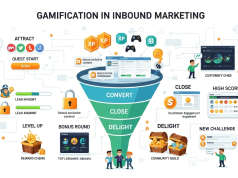

Inbound marketing enables small businesses to attract the right customers by offering valuable, helpful content rather than relying on interruptive advertising. By focusing on the three-stage flywheel—Attract, Engage, and Delight—businesses build trust, nurture relationships, and turn satisfied customers into long-term promoters.
Running a small business means every dollar and every minute counts. Traditional marketing methods, like print ads or cold calling, can feel like shouting into a void—expensive and with no guarantee of a return. You need a more effective way to reach customers who are genuinely interested in what you have to offer. This is where inbound marketing comes in.
Inbound marketing is a strategy that focuses on attracting customers by creating valuable content and experiences tailored to them. Instead of interrupting people with promotional messages, inbound marketing pulls them in, building trust and establishing your brand as a helpful authority in your industry. For small businesses, this approach is a game-changer. It allows you to compete with larger companies by focusing on quality and connection rather than sheer budget size.
What is Inbound Marketing?
Inbound marketing is a business methodology that attracts customers by creating valuable content and experiences tailored to them. It forms connections they are looking for and solves problems they already have. While traditional outbound marketing interrupts your audience with content they don’t always want, inbound marketing forms connections they are looking for and solves problems they already have.
The inbound methodology can be broken down into a three-stage process, often visualized as a flywheel:
- Attract: This stage is all about drawing in the right people with valuable content and conversations that establish you as a trusted advisor. You’re not just looking for any traffic; you want traffic that is most likely to become leads and, ultimately, happy customers. Key tools for this stage include blogging, social media, and search engine optimization (SEO).
- Engage: Once you’ve attracted your target audience, the next step is to engage with them. This involves presenting insights and solutions that align with their pain points and goals. You can do this through email marketing, lead capture forms, and chatbot conversations. The goal is to build a relationship and demonstrate how your products or services can help them.
- Delight: The inbound journey doesn’t end once someone becomes a customer. The delight stage is focused on providing an outstanding experience that turns customers into promoters of your brand. This can be achieved through excellent customer service, surveys for feedback, and exclusive content for existing customers. A delighted customer is your best marketing asset.
For a small business, this approach levels the playing field. It’s not about outspending your competitors; it’s about out-thinking and out-helping them.
Key Benefits of Inbound Marketing for SMBs
Adopting an inbound marketing strategy offers numerous advantages that are particularly impactful for small and medium-sized businesses with limited resources.
It’s More Cost-Effective
One of the most significant benefits of inbound marketing is its cost-effectiveness. Traditional marketing tactics like TV commercials, print ads, and direct mail are expensive and offer diminishing returns. Inbound marketing, on the other hand, focuses on creating digital assets—like blog posts, eBooks, and videos—that have a much longer shelf life. A single blog post can continue to attract traffic and generate leads for years after it’s published, providing a continuous return on your initial investment. For an SMB, this means your marketing budget works harder and goes further.
It Builds Trust and Credibility
Consumers today are skeptical of advertising. They prefer to do their own research and make informed decisions. Inbound marketing caters to this behavior by providing helpful, educational content that addresses their questions and concerns. By consistently offering value without asking for anything in return, you build trust with your audience. When they are ready to make a purchase, your business will be top of mind because you’ve established yourself as a credible and reliable source of information.
It Generates Higher Quality Leads
Outbound marketing often feels like casting a wide net and hoping for the best. You reach a broad audience, but many of them will have no interest in your product or service. Inbound marketing is the opposite. It attracts people who are actively searching for solutions that your business provides. These individuals are already interested and qualified, making them much more likely to convert into customers. This focus on quality over quantity saves your sales team time and effort.
It Improves Search Engine Rankings
Search engine optimization (SEO) is a core component of inbound marketing. By creating content that targets specific keywords and answers common user questions, you increase your website’s visibility on search engines like Google. Higher rankings mean more organic traffic from people searching for terms related to your industry. For a small business, ranking on the first page of Google can be a major source of new business, allowing you to compete with much larger players in your market.
How to Get Started with Inbound Marketing
Ready to start attracting and delighting your customers? Here are the fundamental steps to building your own inbound marketing strategy.
Define Your Target Audience
You can’t create valuable content if you don’t know who you’re creating it for. The first step is to develop detailed buyer personas. A buyer persona is a semi-fictional representation of your ideal customer based on market research and real data about your existing customers. Consider their demographics, goals, challenges, and motivations. What questions are they asking? What problems are they trying to solve? Once you have a clear picture of your ideal customer, you can tailor your content to their specific needs.
Create and Distribute Valuable Content
Content is the engine that keeps your inbound marketing running. When done right, content helps you attract the right audience, answer their questions, and guide them naturally toward becoming customers. The goal is simple: create value that educates, entertains, or inspires your ideal customers. High-quality content builds trust and positions your business as the go-to expert in your industry.
Types of Content Small Businesses Should Create
Blog Posts That Educate and Solve Problems
Blogging is a long-term traffic generator. By writing about topics your audience searches for, you increase your visibility on search engines and attract relevant traffic.
Examples:
- How-to guides
- Buying checklists
- Industry trends
- Case studies
- Problem-solving articles
A well-written blog post can bring in leads for months or even years.
eBooks and Guides for Building Authority

Long-form content allows you to dive deeper into important topics. These are excellent for lead generation because people are willing to exchange their email for valuable knowledge.
Examples:
- “Beginner’s Guide to Inbound Marketing for SMBs”
- “Step-by-Step Marketing Plan Template”
Once downloaded, these assets continue nurturing your leads through automated email follow-ups.
Videos and Webinars That Engage Your Audience
Video is one of the most consumed content formats today. Whether you’re creating short explainer videos or hosting webinars with industry experts, visual content helps your audience understand your message faster.
Great uses include:
- Tutorials
- Product demos
- Q&A sessions
- Customer stories
- Educational mini-classes
Webinars also help build stronger connections as viewers can interact in real time.
Infographics for Visual Storytelling
Infographics simplify complex information into visuals that are easy to digest and share. They are great for boosting engagement and earning backlinks—helping your SEO even more.
Examples:
- Statistics summaries
- Step-by-step workflows
- Comparison charts
- Industry data breakdowns
You can include infographics in blog posts, social media, and email newsletters.
Smart Distribution: How to Get Your Content Seen
Creating content is just the first step; the real impact comes from distributing it effectively.
Share Your Content Across Social Media Platforms
Use the platforms your audience prefers:
- Facebook for community updates
- Instagram/TikTok for short visuals
- YouTube for long-form educational content
- LinkedIn for B2B insights
Social media helps you reach new people, spark conversations, and drive traffic back to your website.
Nurture Your Audience Through Email Marketing
Email is one of the most effective channels for building long-term trust.
Use it to:
- Share blog updates
- Send newsletters
- Deliver exclusive content
- Promote webinars
- Educate leads with automated sequences
- Email keeps you connected with your warmest audience.
Use SEO to Bring in Steady Organic Traffic
Optimizing your content for search engines ensures your content works for you 24/7.
Focus on:
- Keyword research
- Clean headings
- Descriptive meta tags
- Fast, mobile-friendly pages
- Internal and external linking
- Good SEO ensures your content attracts qualified traffic automatically.
Collaborate With Partners for Wider Reach
Partnerships expand your visibility without increasing your workload.
Examples include:
- Guest blog posts
- Co-hosted webinars
- Podcast interviews
- Cross-promotions
This exposes your brand to new audiences who already trust your partners.
Repurpose Your Content to Maximize ROI
One piece of content can become many.
Example:
A blog post → social carousel → YouTube video → infographic → email series
Repurposing saves time and strengthens your brand across multiple channels.
Leverage Search Engine Optimization (SEO)
SEO is the process of optimizing your website and content to rank higher in search engine results. This is crucial for attracting organic traffic. Start by conducting keyword research to identify the terms your target audience is searching for. Use these keywords naturally in your website copy, blog posts, and page titles. Also, focus on on-page SEO best practices, such as using clear headings, writing compelling meta descriptions, and ensuring your site is mobile-friendly.
Engage on Social Media
Social media is a powerful tool for connecting with your audience and promoting your content. Identify the platforms where your target audience is most active and build a presence there. Share your blog posts and other content, but also engage in conversations, answer questions, and participate in relevant communities. Social media is not just a broadcasting tool; it’s a place to build relationships.
Nurture Leads with Email Marketing
Not everyone who visits your website is immediately ready to buy. Email marketing allows you to nurture leads over time, guiding them through the buyer’s journey. Offer a valuable resource—like an eBook or a webinar—in exchange for their email address. Then, use an automated email sequence to send them a series of helpful, relevant emails that build trust and keep your brand top of mind.
Your Path to Sustainable Growth
For small businesses, inbound marketing isn’t just another strategy; it’s a fundamental shift in how you connect with customers. It empowers you to build meaningful relationships, establish your brand as an authority, and generate a steady stream of qualified leads without a massive marketing budget. The journey starts with a commitment to understanding and serving your audience.
By creating valuable content, optimizing for search, and engaging with your community, you build a sustainable engine for growth. Each piece of content becomes a long-term asset, working around the clock to bring new opportunities to your business. The path may require patience and consistent effort, but the result is a stronger, more resilient business built on a foundation of trust.
Conclusion
Inbound marketing gives small businesses a powerful way to grow without relying on expensive advertising. By focusing on creating valuable content, building trust, and nurturing relationships, you can attract customers who are genuinely interested in what you offer. This approach not only helps you stand out in a competitive market but also builds a long-lasting foundation for sustainable growth. When you consistently educate, support, and engage your audience, they become more than customers—they become loyal advocates for your brand. Start small, stay consistent, and let inbound marketing work as your long-term engine for success.
FAQs for Inbound Marketing
1. What is inbound marketing?
Inbound marketing is a strategy that attracts customers by offering valuable content and solving their problems, rather than interrupting them with ads.
2. Why is inbound marketing important for small businesses?
It’s cost-effective, builds trust, and helps small businesses compete by focusing on meaningful customer connections instead of big budgets.
3. How does the inbound marketing flywheel work?
The flywheel includes three stages:
- Attract – Bring in the right people with helpful content
- Engage – Offer solutions and build relationships
- Delight – Provide great experiences so customers become promoters
4. What type of content should small businesses create?
Blog posts, social media content, videos, guides, infographics, and email newsletters are all effective inbound marketing content types.
5. How does inbound marketing help with SEO?
By creating helpful, keyword-optimized content, your website ranks higher on search engines, bringing in more organic traffic.
6. How can social media support inbound marketing?
Social media helps share content, engage with followers, answer questions, and build a community around your brand.
7. How do I convert website visitors into leads?
Use lead magnets like eBooks, checklists, or webinars in exchange for email sign-ups, then nurture them with valuable email sequences.
8. Does inbound marketing take a long time to show results?
Inbound marketing builds momentum over time. It may take a few months, but the results compound and provide long-term growth.