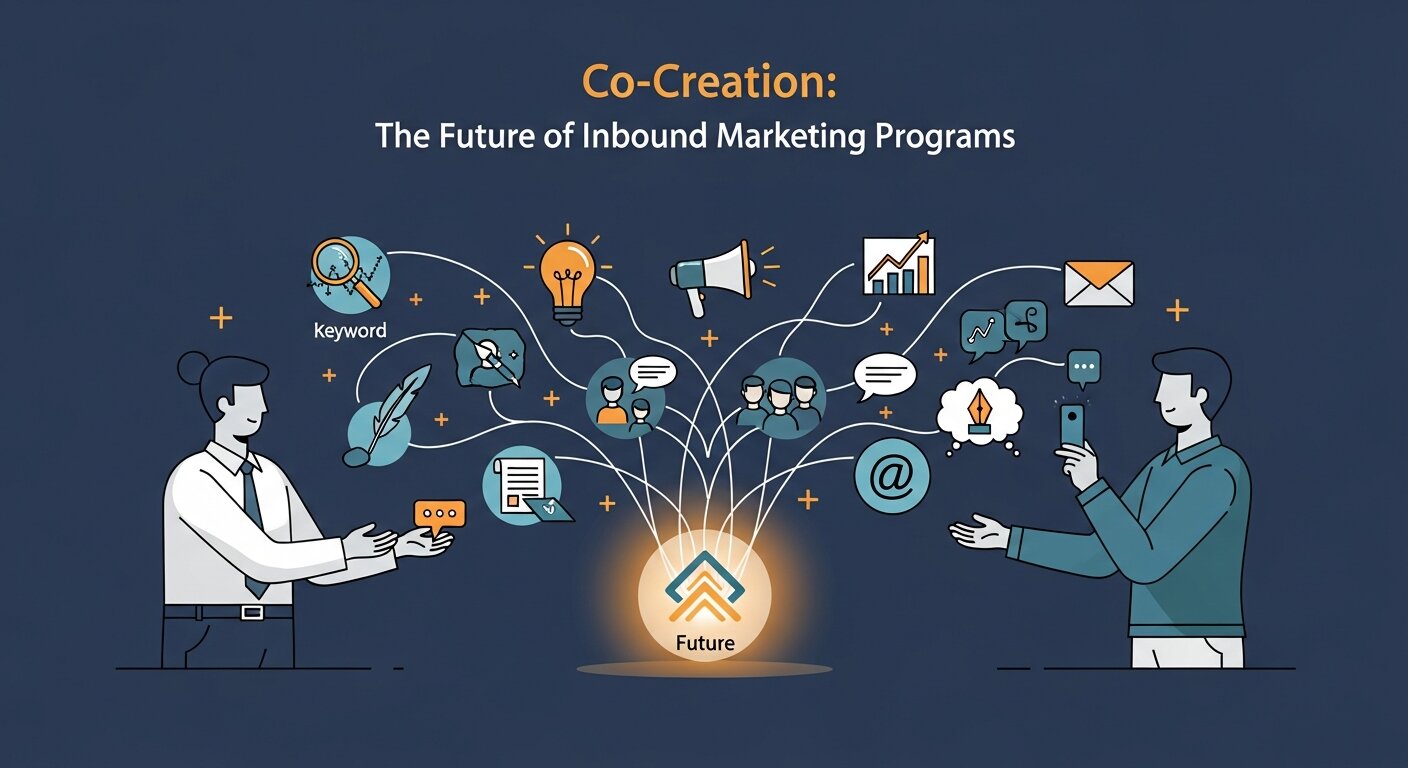
Co-creation transforms inbound marketing programs by integrating partners and customers directly into content development. It enhances authenticity, engagement, and differentiation while overcoming limitations of traditional marketing. Organizations that adopt co-creation effectively create sustainable growth, build stronger relationships, and produce distinctive, high-performing marketing assets.
As inbound marketing continues to evolve, strategic co-creation has emerged as a key differentiator for brands seeking to stand out and engage their audiences more meaningfully. Many organizations, however, have questions about how to start, manage, and measure co-creation initiatives effectively. The following FAQs address the most common concerns, offering insights on best practices, technology, collaboration models, and measurement approaches. These answers can help marketing leaders integrate co-creation into their inbound marketing programs with confidence and clarity.
Why Traditional Inbound Marketing Falls Short
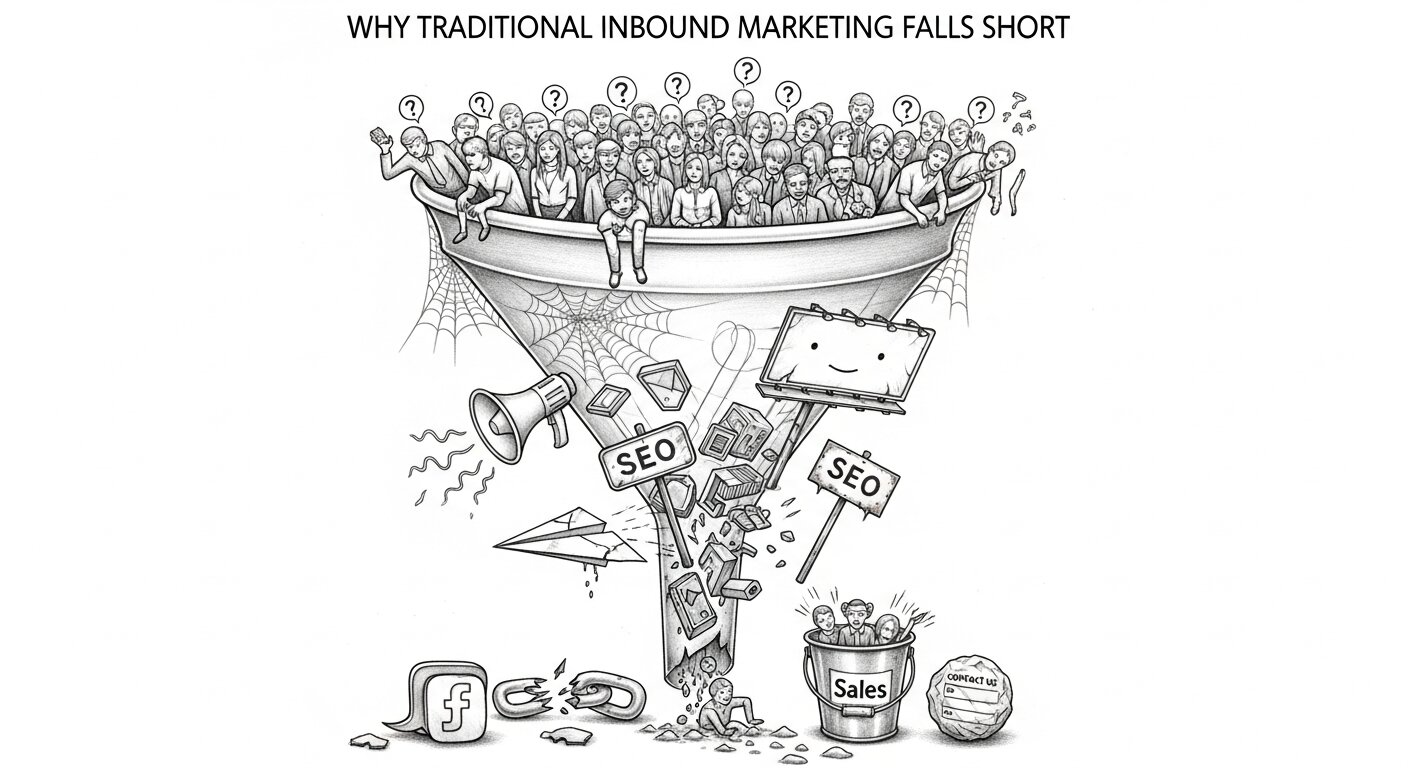 Traditional inbound marketing focuses on creating valuable content that attracts potential customers to your brand. While this approach has proven effective for years, it is increasingly showing limitations in today’s hyper-connected marketplace. Even the most meticulously crafted content can fall short if it fails to capture the subtleties that truly matter to your audience. Traditional inbound marketing programs often feel one-sided, with brands talking at their audience rather than engaging with them in meaningful ways.
Many organizations face challenges in sustaining consistent content production, particularly when trying to address the wide array of topics relevant to their audiences. This becomes even more complex for businesses targeting multiple customer segments or industries. Traditional inbound marketing programs can struggle to maintain variety and relevance, resulting in content that blends into the crowded marketplace. In highly competitive industries, where multiple brands follow similar strategies, traditional methods make it difficult to differentiate your brand or create a unique voice.
The Co-Creation Advantage
 Strategic co-creation offers a powerful solution to these limitations by integrating external voices—partners, customers, and stakeholders—directly into content development. Inbound marketing programs that embrace co-creation see measurable improvements in audience engagement, authenticity, and overall performance. By collaborating with real-world users and industry experts, brands can craft content that reflects the actual language, concerns, and perspectives of their audience. This authenticity allows inbound marketing programs to cut through the noise of generic marketing messages that dominate most industries, especially in an era increasingly shaped by participatory marketing strategies and community-driven engagement.
At Inbound Marketo, we’ve observed firsthand that inbound marketing programs leveraging co-created content consistently outperform traditional methods across every meaningful metric, including engagement rates, lead quality, and conversion performance. The diversity of viewpoints inherent in co-creation aligns closely with the principles of customer-centric content marketing, where audience insight drives creative direction. By incorporating multiple perspectives, inbound marketing programs generate fresh angles and insights that traditional content alone rarely achieves.
Moreover, co-created inbound marketing programs build trust and credibility by highlighting real voices and experiences. Prospects and customers recognize the value of content shaped by their peers or industry experts, reinforcing what research on social proof in digital marketing consistently demonstrates: people trust people more than brands. This strengthens brand relationships and fosters loyalty. When executed effectively, co-creation supports thought leadership development, positioning the brand as a facilitator of industry conversations rather than just a content publisher. This approach transforms inbound marketing programs from a one-way communication tool into a dynamic, interactive experience that drives sustainable growth.
In essence, modern inbound marketing programs that integrate co-creation not only overcome the limitations of traditional methods but also elevate content quality, differentiation, and audience resonance. By collaborating with partners and customers, businesses can create truly distinctive, high-performing inbound marketing programs that stand out in crowded markets and deliver tangible business results—particularly when aligned with broader content distribution strategies and collaborative brand partnerships.
Identifying the Right Co-Creation Partners
Successful co-creation begins with carefully selecting the right collaborators. Choosing the right partners requires looking beyond the obvious and identifying individuals or organizations whose strengths and perspectives truly complement your marketing objectives. Inbound marketing programs that incorporate strategic co-creation rely heavily on this initial selection process to ensure meaningful outcomes and alignment with broader B2B collaboration frameworks.
Customers are among the most natural co-creation partners. Those who have used your solution firsthand provide invaluable insights into the challenges they faced, how your product or service addressed those challenges, and the tangible value they received. Inbound marketing programs that actively involve these customers gain authenticity and credibility, as the content reflects real experiences and real-world results. Incorporating structured formats such as customer success storytelling or case-based narratives can further amplify this impact. It is particularly effective to engage customers who have overcome significant obstacles with your support, as their stories resonate deeply with prospective audiences.
Industry partners who serve similar audiences but do not directly compete offer another rich avenue for collaboration. Their complementary expertise supports the creation of comprehensive resources grounded in strategic partnership marketing principles—resources that neither organization could develop alone. Including such partners in inbound marketing programs not only expands content quality and variety but also strengthens your industry network, opening new opportunities for engagement and joint promotion.
Subject matter experts, whether internal team members or external specialists, bring critical depth and authority to co-created content. Their technical knowledge ensures accuracy, while their professional reputations lend credibility. Inbound marketing programs that integrate subject matter expertise benefit from the authority-building effects commonly associated with expert-led content marketing. This approach enhances perceived trustworthiness, helps attract high-value prospects, and encourages sustained engagement over time.
Creating Frameworks for Effective Collaboration
Co-creation thrives when it operates within clear frameworks. Without structure, collaborative projects can quickly become unfocused, dominated by the most vocal participants rather than the most valuable perspectives. Effective inbound marketing programs establish clear structures that guide collaboration, ensuring that all contributors understand their roles and responsibilities.
Start with well-defined objectives that all participants can support. These objectives should balance marketing outcomes with tangible benefits for the collaborators, creating genuine win-win scenarios that drive full engagement. Inbound marketing programs that articulate clear goals early in the process are more likely to achieve meaningful results, as every participant understands how their contributions impact the overall strategy.
Establish roles that leverage each participant’s strengths while respecting their time constraints. Some collaborators may provide technical expertise, while others excel at sharing authentic experiences or offering creative direction. Well-structured inbound marketing programs assign these roles thoughtfully, maximizing the value of each contribution while ensuring the collaboration remains efficient and productive.
Develop lightweight approval processes to maintain quality without stifling creativity or slowing momentum. The best inbound marketing programs balance necessary oversight with the spontaneity that makes collaborative content feel authentic and relatable to your target audience.
Customer-Centered Co-Creation Models
When developing co-creation initiatives with customers, several models have proven highly effective for inbound marketing programs.
Customer advisory boards offer a structured forum where select clients contribute insights and feedback on marketing initiatives. When members feel genuinely valued and see their input reflected in your programs, inbound marketing programs benefit from richer, more targeted content that resonates with broader audiences.
Story banking programs systematically capture customer experiences, which can be developed into case studies, testimonials, and narrative-driven content. Successful inbound marketing programs ensure that sharing stories is easy for customers while providing recognition for their contributions, reinforcing positive relationships and encouraging future engagement.
User-generated content campaigns invite customers to create and share their own content related to your brand or industry. These initiatives work best when clear prompts and guidelines are provided, allowing participants the freedom to express genuine creativity. Inbound marketing programs that incorporate user-generated content increase audience engagement, expand brand reach, and strengthen community trust, as potential customers see authentic peer voices reflecting real experiences.
By combining careful partner selection, structured frameworks, and customer-centered models, inbound marketing programs achieve a higher level of impact and authenticity. Co-creation not only produces more engaging and credible content but also fosters lasting relationships with collaborators, driving sustainable growth and making inbound marketing programs more effective than traditional, one-sided content strategies.
Partner-Focused Collaboration Approaches
When collaborating with business partners, certain models consistently yield the best results for inbound marketing programs. Choosing the right approach ensures that co-creation not only generates high-quality content but also strengthens relationships and maximizes the impact of your marketing initiatives. Carefully selected collaboration models can transform standard content into assets that drive measurable business results and elevate inbound marketing programs above traditional strategies.
Joint research initiatives are one of the most effective collaboration models. Organizations serving similar audiences can pool resources to conduct original studies that neither could undertake alone. These collaborations produce high-value content that resonates with target audiences while positioning both partners as credible thought leaders. Inbound marketing programs that incorporate joint research often benefit from increased authority, stronger engagement, and more meaningful interactions with prospects.
Co-branded content series represent another highly effective model. By creating ongoing content streams that leverage multiple distribution channels, organizations can consistently engage shared audiences. These programs work best when partners bring complementary expertise and target overlapping audience segments without directly competing. Integrating co-branded series into inbound marketing programs allows organizations to maintain continuous content output, extend their reach, and deliver sustained value to prospects and customers alike.
Collaborative events, whether virtual webinars, workshops, or in-person conferences, provide a dynamic environment for multiple perspectives to converge. These events generate content that can be repurposed across blogs, social media, videos, and other marketing channels. Live interactions often produce unexpected insights and real-time engagement that traditional content methods cannot replicate. Inbound marketing programs that incorporate collaborative events gain both immediate and long-term benefits, creating interactive experiences that strengthen audience trust and deepen relationships.
Technology Enablers for Co-Creation at Scale
Several technologies have emerged that make co-creation more efficient and scalable, enabling organizations to execute sophisticated inbound marketing programs even with limited resources. Leveraging the right tools ensures collaboration is seamless, productive, and aligned with overall marketing goals.
Collaborative content platforms provide shared workspaces where multiple contributors can develop materials simultaneously. These platforms streamline the content creation process, maintain version control, and ensure accountability. Inbound marketing programs that utilize collaborative platforms can manage large-scale initiatives without sacrificing quality or consistency.
Content management systems (CMS) with granular permissions allow external collaborators to contribute directly to your marketing platforms while preserving security and brand standards. These systems support the integration of multiple voices into inbound marketing programs, enabling teams to incorporate diverse expertise without compromising the integrity of content.
Feedback and ideation tools are critical for gathering structured input from large groups of stakeholders. Even when direct collaboration is not feasible, these tools allow inbound marketing programs to capture diverse perspectives, ensuring that the resulting content reflects a broad range of insights and resonates with target audiences.
Measuring Co-Creation Success
Like any marketing initiative, co-creation programs require thoughtful measurement to demonstrate value and inform ongoing optimization. For inbound marketing programs, tracking the right metrics is essential to understand the differential impact of co-created content versus traditional efforts.
Engagement metrics often show the most immediate effect, as co-created content typically generates higher interaction rates than standard marketing materials. Monitoring these metrics separately allows organizations to evaluate the unique contributions of co-creation within inbound marketing programs.
Relationship indicators, including partner satisfaction scores and customer advocacy metrics, reveal less visible but equally important benefits. These metrics help quantify how collaboration strengthens your marketing ecosystem and supports long-term brand loyalty, making inbound marketing programs more strategic and impactful.
Attribution models should account for the multi-faceted influence of co-created content. Unlike traditional campaigns, co-created assets often impact decision-making across multiple touchpoints rather than driving conversions through a single interaction. Incorporating this insight into inbound marketing programs ensures accurate performance evaluation and informs smarter investment in future initiatives.
Overcoming Common Co-Creation Challenges
Despite its many advantages, co-creation comes with unique challenges that organizations must proactively address to fully realize its potential.
Maintaining brand consistency while incorporating multiple voices requires clear guidelines and occasional gentle oversight. Following established brand governance best practices helps ensure external contributions align with tone, positioning, and messaging standards. The best programs balance authentic external perspectives with cohesive brand messaging, ensuring that inbound marketing programs consistently reflect a unified identity.
Managing intellectual property (IP) concerns is essential when working with external partners. Clear agreements regarding content ownership, usage rights, and responsibilities—often guided by content licensing and IP management frameworks—protect all parties and prevent future disputes. Establishing transparent collaborative content agreements safeguards the integrity and longevity of inbound marketing programs.
Sustaining momentum beyond initial enthusiasm often proves challenging. Successful co-creation initiatives build ongoing engagement through regular communication, transparent impact metrics, and meaningful recognition for contributors. Many organizations apply structured community engagement strategies and contributor incentive models to maintain participation. These practices ensure that inbound marketing programs remain productive, scalable, and capable of delivering sustained value over time.
By combining strategic collaboration models, enabling technologies, measurement frameworks, and proactive challenge management—often supported by modern marketing performance measurement systems—organizations can design inbound marketing programs that generate authentic, high-quality content, strengthen relationships, and drive measurable business growth.
Starting Small for Sustainable Growth
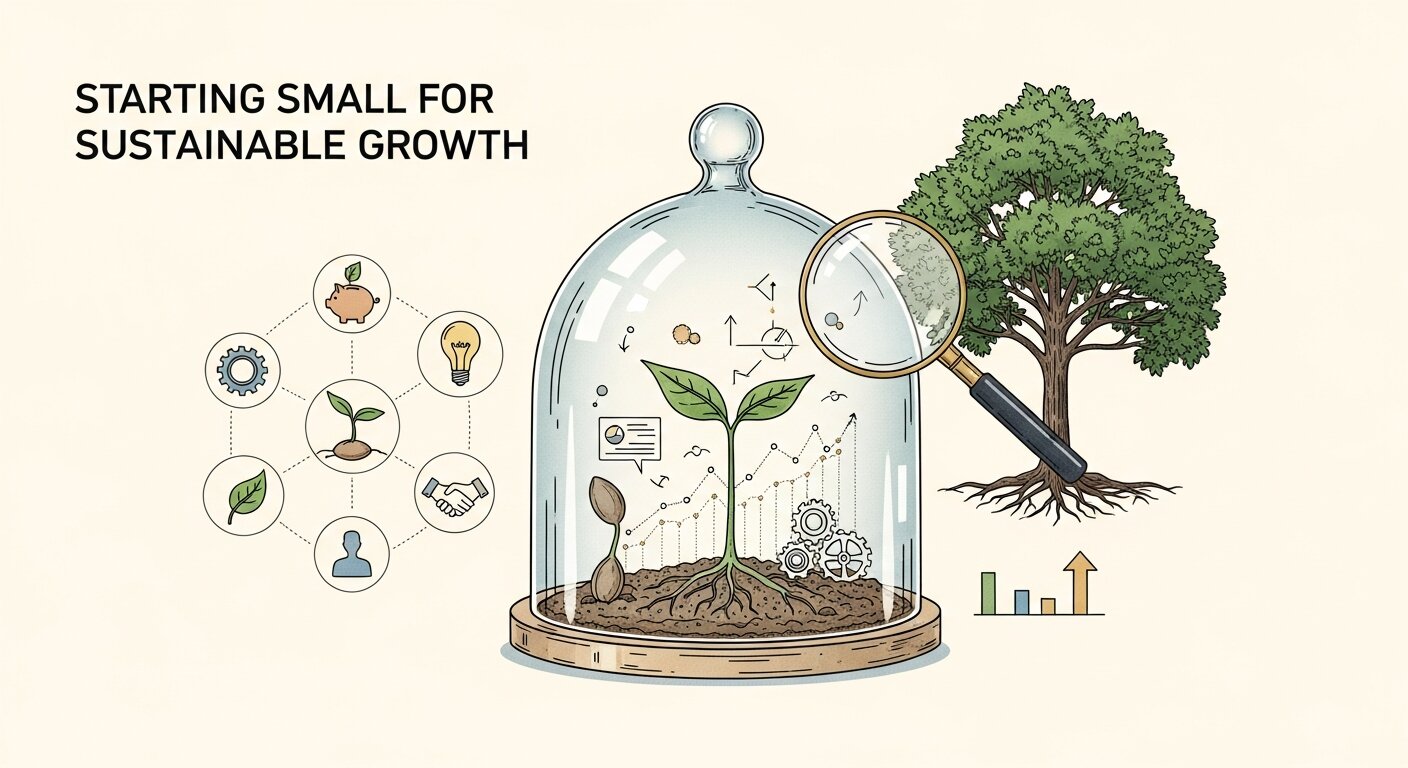
Organizations new to co-creation should begin with focused initiatives before attempting comprehensive programs. This measured approach reflects proven agile marketing methodologies, allowing teams to test, learn, and iterate before scaling.
Pilot projects with established partners or highly engaged customers provide low-risk opportunities to refine your co-creation approach. Structuring these efforts as collaborative pilot programs with clearly defined scope and KPIs ensures alignment and measurable outcomes. These initial collaborations should have clear boundaries and relatively short timeframes.
Document learnings systematically throughout these early projects, capturing both successes and challenges. Applying principles from knowledge management systems helps convert experience into repeatable frameworks that strengthen future inbound marketing programs.
Celebrate early wins publicly, recognizing contributors and sharing outcomes. Leveraging employee and customer advocacy programs can amplify these successes while building internal support and attracting additional external collaborators to future initiatives.
Evolving Toward a Co-Creation Culture
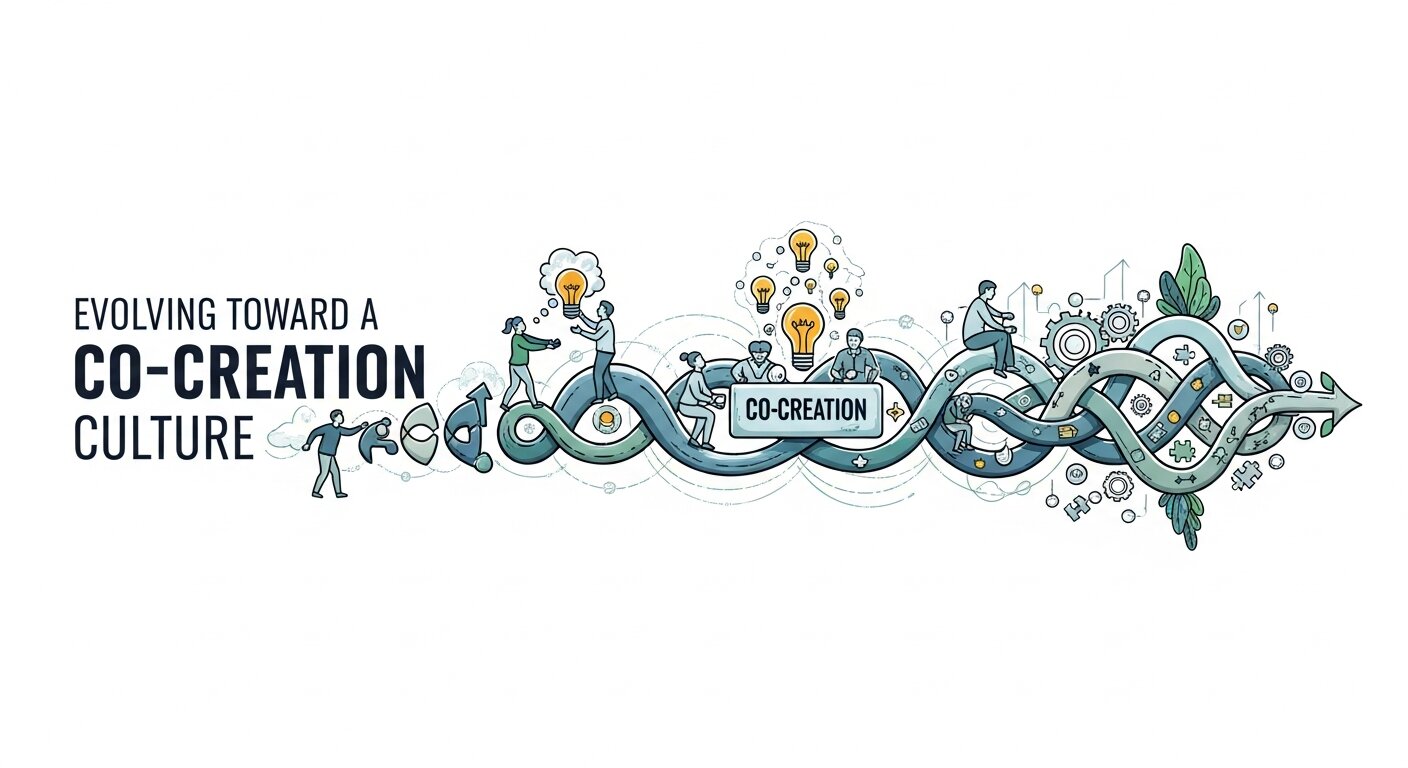 The most powerful co-creation programs eventually transcend specific campaigns or initiatives, becoming integrated into the organization’s broader marketing culture. This transformation aligns closely with customer-led growth strategies, where external insight directly shapes brand direction.
This evolution requires leadership commitment to collaborative approaches, even when they sometimes seem less efficient than traditional content development. Many organizations formalize this shift through cross-functional collaboration frameworks that embed co-creation across departments. This commitment must extend beyond marketing to include product development, customer success, and other customer-facing functions.
Regular co-creation opportunities, rather than one-off projects, help maintain ongoing dialogue with your most valuable partners and customers. Building structured brand community ecosystems ensures these touchpoints remain consistent and mutually beneficial. These consistent engagements provide a steady stream of authentic marketing insights while deepening relationships.
Cross-functional teams that include both internal and external perspectives become the norm in mature co-creation cultures. These diverse groups reflect principles commonly associated with open innovation models, consistently producing marketing content that resonates more deeply with target audiences and strengthens long-term competitive differentiation.
Conclusion: The Co-Creation Imperative
As markets grow increasingly crowded and customers become more discerning, traditional marketing approaches will continue losing effectiveness. Strategic co-creation offers a powerful alternative that aligns perfectly with evolving consumer expectations.
By bringing partners and customers directly into your content development process, you create marketing that feels authentically human rather than corporate. This approach builds deeper connections while producing distinctive content that stands out in crowded markets.
The organizations that thrive in tomorrow’s marketing landscape will be those that master the art of co-creation—turning their marketing from a broadcast channel into a collaborative conversation that genuinely engages their most important audiences.
Frequently Asked Questions
What is co-creation in the context of inbound marketing programs?
Co-creation is a collaborative approach where brands involve partners, customers, or other stakeholders in content development. It ensures marketing materials are authentic, relevant, and resonate more deeply with target audiences.
Why should my organization incorporate co-creation into inbound marketing programs?
Co-creation boosts engagement, builds trust, and strengthens relationships with customers and partners. It also differentiates your brand in crowded markets by producing unique, high-value content that traditional inbound methods often cannot achieve.
Who are the best co-creation partners for inbound marketing programs?
Customers, industry partners, and subject matter experts are ideal collaborators. Customers provide real-world insights, partners bring complementary expertise, and experts add credibility and technical authority to content.
What types of content can be created through co-creation?
Co-creation can produce case studies, testimonials, blogs, research reports, webinars, co-branded content series, user-generated campaigns, and interactive events. Essentially, any content that benefits from multiple perspectives can leverage co-creation.
How do I start small with co-creation initiatives?
Begin with pilot projects involving a limited number of partners or customers. Set clear goals, define roles, and create short-term, manageable projects. Early wins will help build internal support and confidence in larger inbound marketing programs.
What technologies support co-creation at scale?
Collaborative content platforms, content management systems with granular permissions, and feedback/ideation tools streamline co-creation. They allow multiple contributors to collaborate efficiently while maintaining quality and brand consistency in inbound marketing programs.
How should co-creation success be measured?
Track engagement metrics, such as interactions and shares, alongside relationship indicators like partner satisfaction and customer advocacy scores. Attribution models should account for multi-touch influence rather than relying solely on last-click conversions.
What challenges are common in co-creation for inbound marketing programs?
Challenges include maintaining brand consistency, managing intellectual property, and sustaining momentum beyond initial enthusiasm. Clear guidelines, agreements, and recognition programs help overcome these issues.
How can we involve customers in co-creation without overwhelming them?
Use structured models such as customer advisory boards, story banking, or user-generated content campaigns. Provide clear guidance and recognition, ensuring their participation is simple, rewarding, and meaningful.
Can co-creation be applied across multiple industries or customer segments?
Yes, inbound marketing programs can scale co-creation for diverse audiences. Strategic partner selection and tailored collaboration models ensure content is relevant to each segment while leveraging shared insights and expertise.