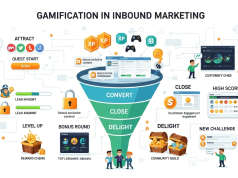
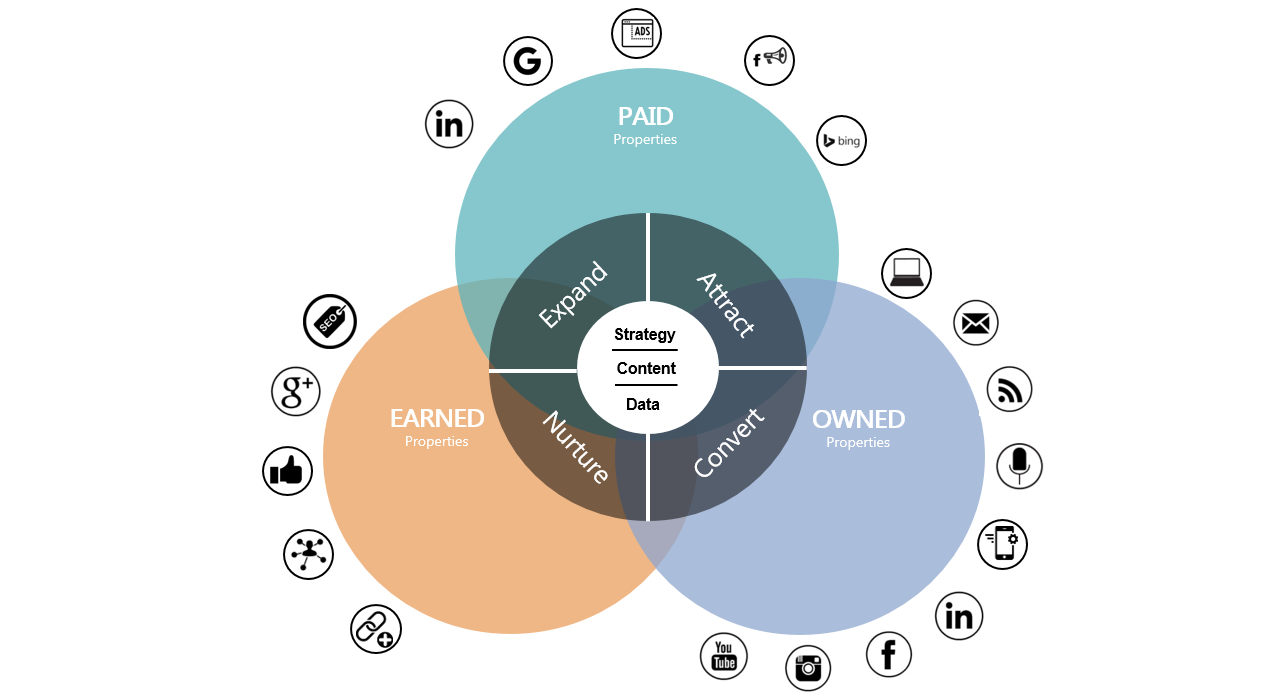
Inbound marketing touchpoints form the backbone of a connected marketing ecosystem. Strategically mapping, personalizing, and measuring these touchpoints ensures prospects move seamlessly through the buyer’s journey. By continuously refining your touchpoints, you build trust, increase engagement, and drive higher conversion rates.
In today’s interconnected marketing landscape, understanding inbound marketing touchpoints is crucial for creating a seamless customer journey. Many marketers struggle to see how individual channels, content pieces, and interactions work together as part of a larger ecosystem. By strategically designing and connecting these touchpoints, businesses can guide prospects from awareness to consideration and ultimately to conversion, while delivering value at every stage. The following FAQs address common questions about how to leverage inbound marketing touchpoints effectively, measure their performance, and optimize their impact across the entire customer journey.
The Foundation: Content That Connects
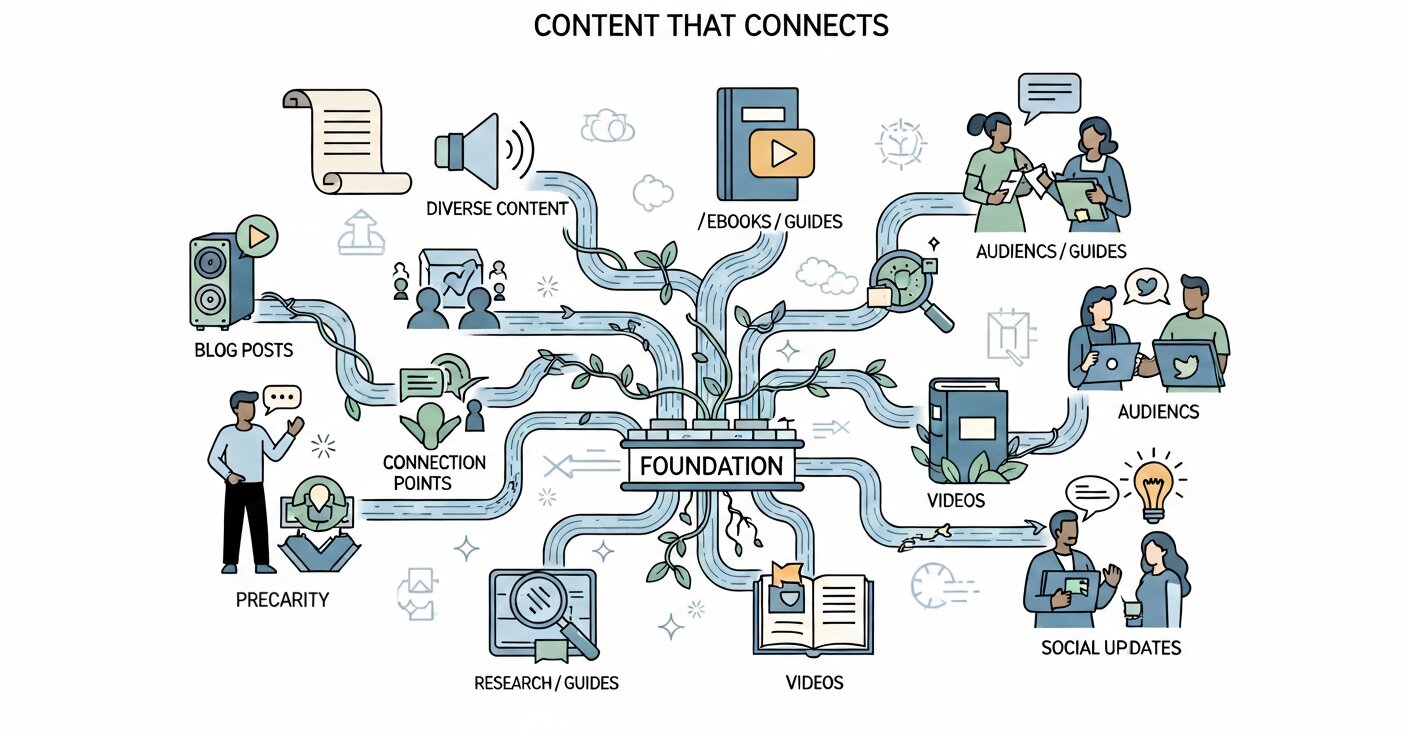
Content forms the foundation of any effective inbound ecosystem. But not just any content—it must act as the connective tissue between inbound marketing touchpoints. Every piece should serve a clear purpose, guiding prospects from one interaction to the next while building trust and authority along the way.
Strong ecosystem content anticipates the reader’s next questions and creates a seamless path through the buyer’s journey. Each article, guide, or resource should naturally lead prospects toward additional inbound marketing touchpoints that deepen understanding and move them closer to conversion. At Inbound Marketo, we’ve observed that conversion rates can double when content strategically links to logical next steps rather than ending abruptly, leaving the prospect without guidance. This subtle difference transforms passive reading into active engagement.
Think of your content as a conversation rather than a broadcast. Each piece should pick up where the last left off, ensuring continuity and reinforcing your brand’s value. When executed well, inbound marketing touchpoints work together like a chain, where each link strengthens the overall customer experience and encourages progression along the journey.
Mapping Touchpoints to the Buyer’s Journey
Different stages of the buyer’s journey require different types of inbound marketing touchpoints. Misalignment here often explains why high-quality content sometimes fails to generate meaningful conversions.
- Awareness stage prospects need educational inbound marketing touchpoints that help them better understand their problems. Blog posts, infographics, and thought leadership content are ideal at this stage, providing context and insights while positioning your brand as a trusted advisor.
- Consideration stage prospects benefit from solution-focused inbound marketing touchpoints. Webinars, case studies, and comparison guides allow them to evaluate options effectively and see how your offerings address their specific needs.
- Decision stage prospects respond to validation inbound marketing touchpoints. Free trials, personalized consultations, and product demonstrations offer reassurance and remove final barriers to purchase.
The Digital Handshake: Transitioning Between Touchpoints
The moments between inbound marketing touchpoints often determine whether prospects continue their journey or disengage. These transitions act as digital handshakes, maintaining momentum and reinforcing the value of moving forward. For more on maintaining engagement, see our guide on effective lead nurturing strategies.
Effective transitions always clarify the benefit of taking the next step. Instead of simply instructing prospects to “download our guide,” explain how this guide directly solves a problem they are currently facing. Personalized transitions amplify this effect. When an email nurturing campaign acknowledges which blog post a prospect read or which webinar they attended, the connection feels natural and intentional rather than generic. You can learn more about personalized email marketing best practices for improving touchpoint effectiveness.
Visual consistency across inbound marketing touchpoints reduces cognitive friction. When design elements, messaging, and brand voice remain consistent from blog to webinar to email, prospects focus on your value proposition rather than adjusting to shifting contexts. Each touchpoint should feel like part of a coherent journey, reinforcing your brand identity while guiding prospects toward conversion. Explore brand consistency in digital marketing to see how visuals and messaging improve engagement.
By strategically mapping content to inbound marketing touchpoints, you create a seamless, interconnected ecosystem. This approach turns casual readers into engaged prospects, builds trust at every stage, and ultimately drives measurable business outcomes. Check out our guide to mapping the buyer journey for practical steps.
Structuring Your Email Nurturing Sequences
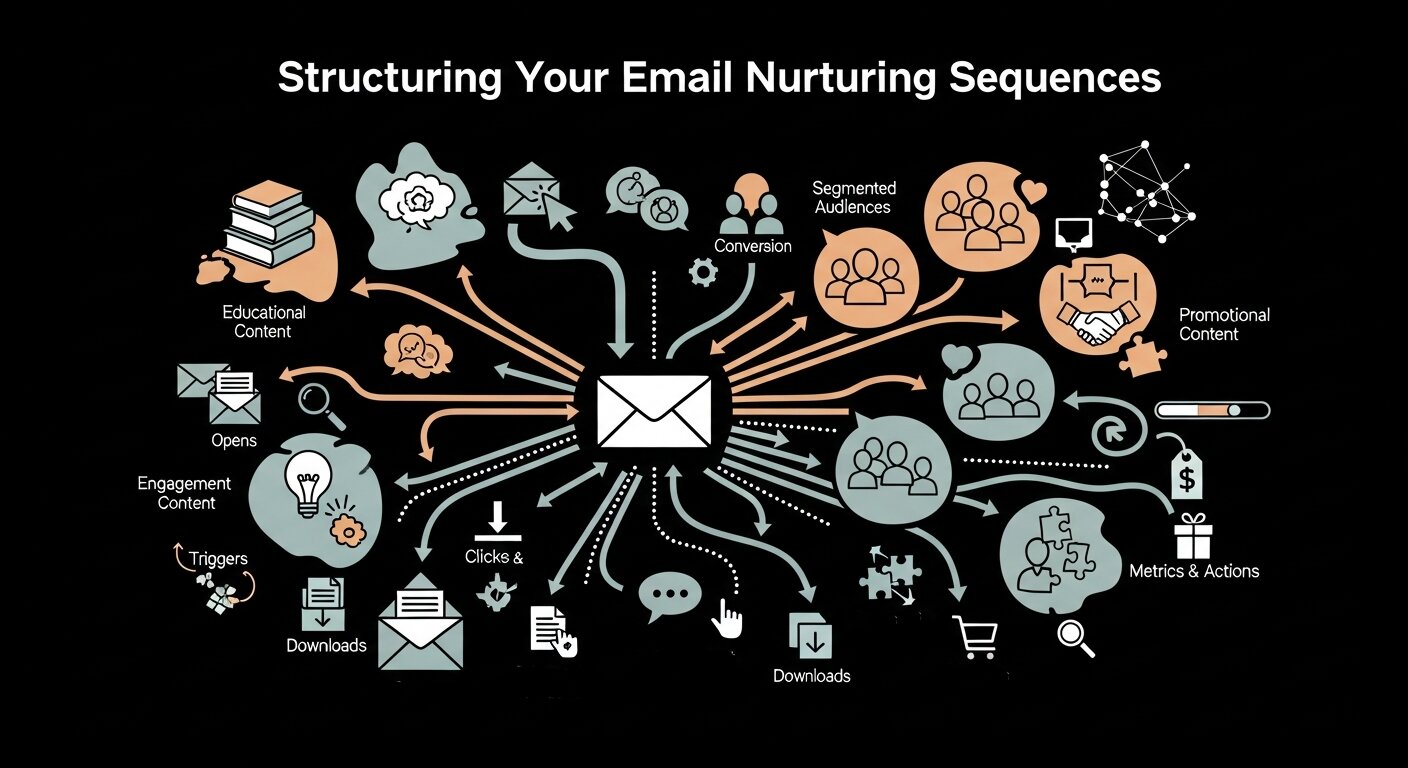 Email nurturing serves as the connective tissue in your inbound ecosystem, guiding prospects between major inbound marketing touchpoints with precision and care. Each interaction is an opportunity to reinforce your brand’s value, build trust, and move prospects closer to conversion. For examples of successful campaigns, see top email marketing case studies.
Strong nurturing sequences respond to behavioral signals rather than rigid timelines. When a prospect engages with a blog, downloads a guide, or attends a webinar, your email response should acknowledge that behavior and provide content or next steps that deepen engagement. This ensures that every touch in your ecosystem feels relevant and intentional. Learn more about behavioral-based marketing automation.
Each email should serve a single clear purpose that advances the relationship. Trying to achieve too much in one message often results in accomplishing nothing at all. The most effective inbound marketing touchpoints within nurturing campaigns anticipate questions and provide answers before prospects even ask. These emails feel like thoughtful guidance from a knowledgeable consultant rather than automated marketing messages, establishing credibility and fostering connection. For best practices, check how to create high-converting nurture emails.
Creating Website Conversion Paths
Your website functions as the central hub of your inbound ecosystem, connecting multiple inbound marketing touchpoints and facilitating key conversion moments. It is the primary location where prospects move from awareness to consideration and ultimately toward decision. For guidance, see our website optimization checklist.
Effective websites offer multiple clearly defined paths tailored to visitor needs and awareness levels. Generic, one-size-fits-all approaches typically underperform compared to strategically designed journeys that align with different buyer personas. Explore personalized website experiences to improve visitor engagement.
Strategic internal linking ensures that visitors encounter inbound marketing touchpoints naturally as they navigate the site. Each page should contain contextual links to logical next steps based on the reader’s likely questions, encouraging engagement without feeling forced. Page design should visually emphasize the most important actions, using clean, focused calls-to-action that guide prospects toward your conversion goals. For examples, see best practices in internal linking for SEO.
Social Media as an Ecosystem Extension
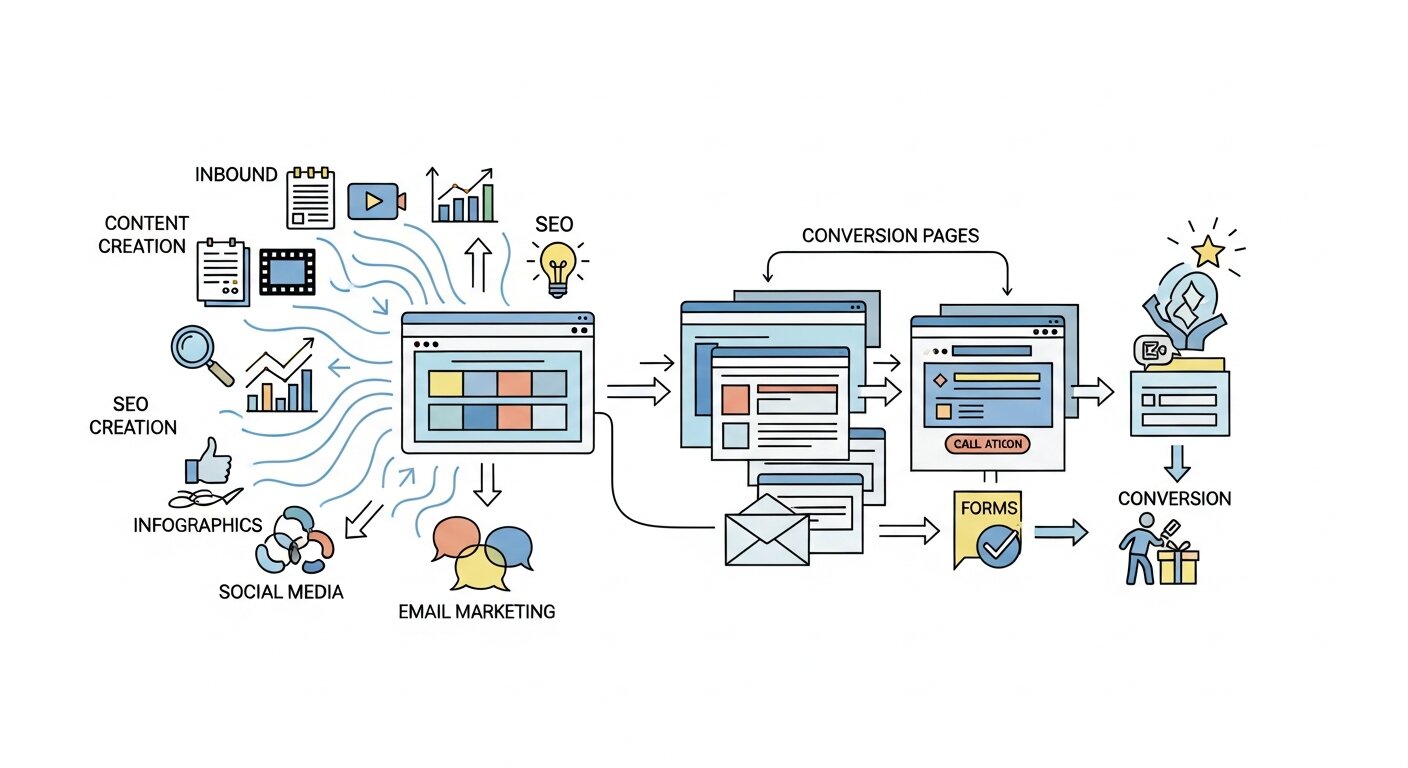 Social media platforms serve as extensions of your inbound ecosystem, creating additional inbound marketing touchpoints that drive prospects toward your core conversion assets. Each platform can play a distinct role—LinkedIn might focus on thought leadership and professional credibility, while Instagram highlights culture, values, and visual storytelling.
The most effective social strategies create platform-appropriate content that still maintains consistent messaging and reinforces your overall value proposition. Even when tone and format vary, the underlying story and brand promise should remain coherent across all inbound marketing touchpoints.
Social content should always provide clear pathways back to your owned conversion assets. Whether it’s a blog, downloadable guide, or landing page, each inbound marketing touchpoint should lead prospects further along the journey. Without these connections, even highly engaging social content risks generating interest without results.
By integrating email nurturing, website conversion paths, and social media into a cohesive network of inbound marketing touchpoints, you create a seamless ecosystem. This interconnected approach ensures that prospects encounter relevant, timely content at every stage, strengthening engagement, building trust, and ultimately driving measurable business outcomes.
Measurement Across the Ecosystem
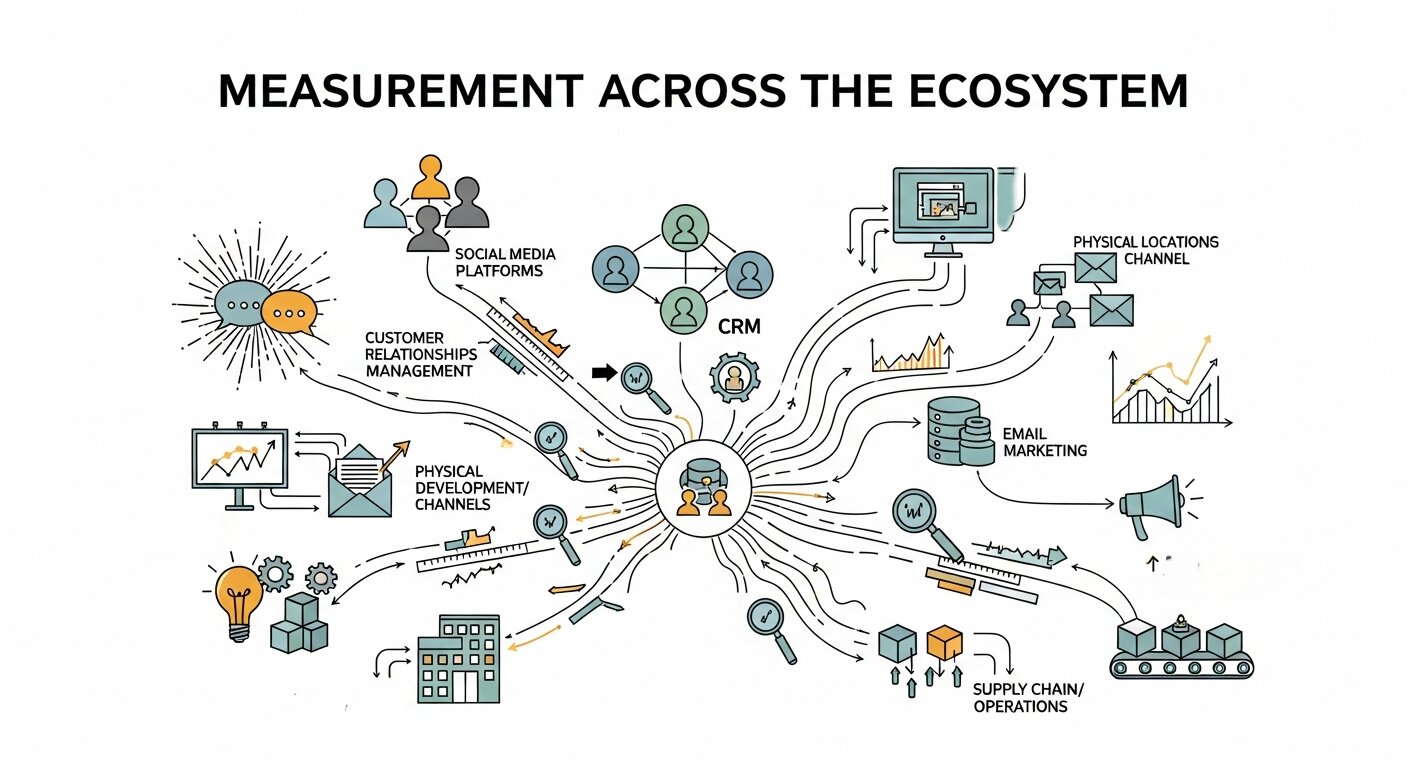
Traditional channel-specific metrics often fail to capture the interconnected nature of effective inbound marketing. Focusing solely on individual channels can obscure the full picture of how prospects move through your ecosystem. Measuring performance at the ecosystem level requires broader thinking, with attention to how inbound marketing touchpoints work together to drive meaningful engagement and conversions.
Multi-touch attribution is an essential approach for understanding which combinations of inbound marketing touchpoints contribute most effectively to high-value conversions. By analyzing interactions across email, social media, website pages, and other channels, marketers can uncover synergies that single-channel metrics completely miss. This insight allows you to prioritize efforts on touchpoints that create the most impact and refine the connections between them.
Time-to-conversion metrics across different entry points further reveal which pathways move prospects most efficiently through your ecosystem. By tracking the duration and sequence of interactions with key inbound marketing touchpoints, you can identify bottlenecks, streamline the journey, and reduce friction at critical stages. These insights inform where to allocate resources and how to optimize messaging for maximum effectiveness.
Customer journey analytics are another vital tool for improving ecosystem performance. They reveal where prospects are likely to drop off and which inbound marketing touchpoints may be underperforming or poorly connected to subsequent steps. For example, a prospect may engage heavily with a blog post but never proceed to a gated guide—indicating a need to improve internal linking, calls-to-action, or personalized follow-ups.
Technology That Enables Ecosystem Marketing
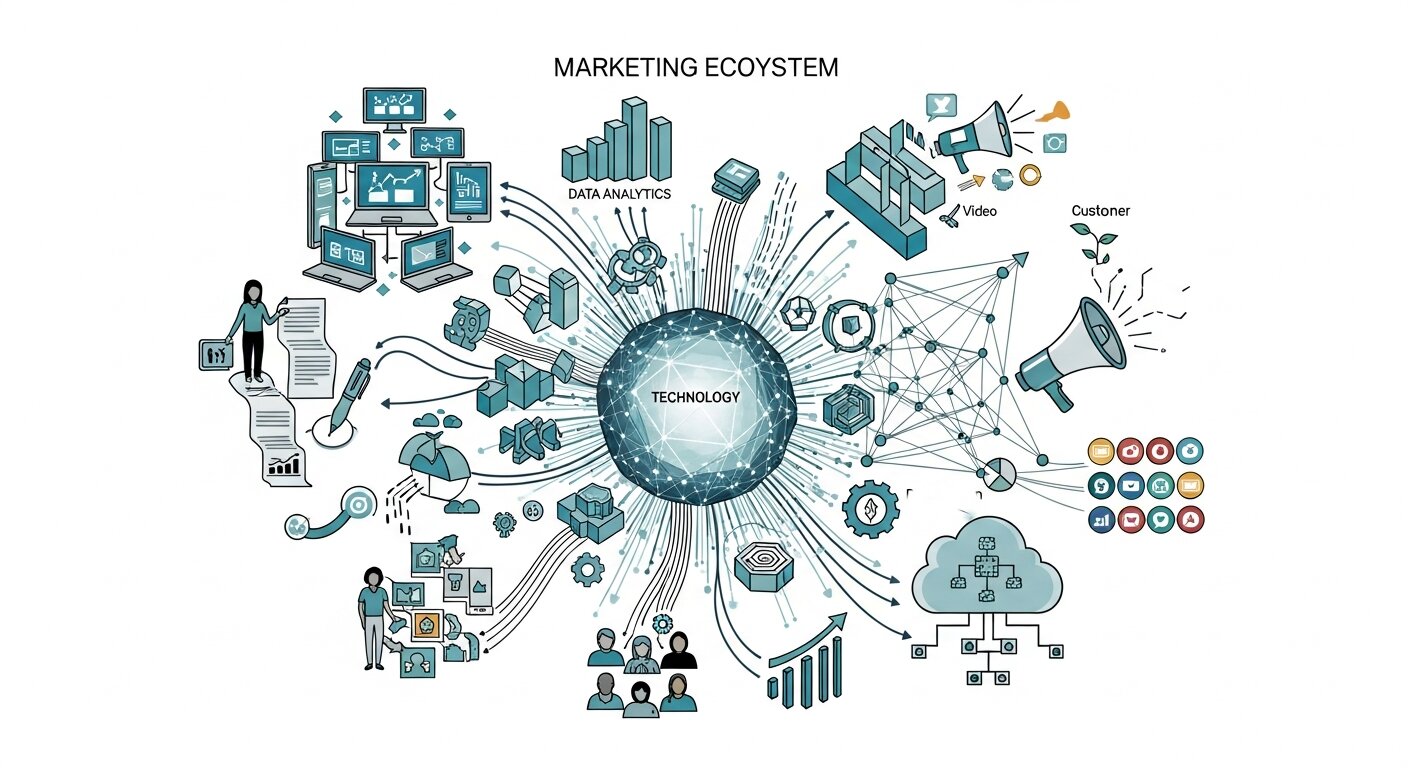
The right technology stack transforms ecosystem marketing from overwhelming to manageable. Integration capabilities are often more important than individual features, as connected systems allow inbound marketing touchpoints to communicate and work together seamlessly. For more on building an effective tech stack, see essential marketing technology tools.
CRM systems act as the central nervous system of your inbound ecosystem, tracking prospect interactions across multiple touchpoints and providing a comprehensive view of engagement. By centralizing this data, teams can personalize messaging, prioritize high-value leads, and ensure continuity across all inbound marketing touchpoints. Learn more about top CRM platforms for marketing.
Marketing automation platforms execute transitional elements of the ecosystem, delivering timely follow-ups, triggered emails, and tailored content based on prospect behavior. When properly configured, these tools allow each inbound marketing touchpoint to reinforce the next, creating a cohesive and persuasive journey toward conversion. Check out best marketing automation platforms for examples.
Analytics tools provide ecosystem-wide visibility, helping marketers understand the performance of inbound marketing touchpoints in context. They highlight strengths and weaknesses, identify gaps where touchpoints may be disconnected, and enable continuous improvement through data-driven adjustments. By leveraging these insights, you can refine your ecosystem so that each inbound marketing touchpoint contributes to a seamless, conversion-focused experience for prospects. Explore analytics tools for marketing performance to learn more.
By integrating multi-touch measurement, customer journey analytics, and the right technology stack, organizations can unlock the full potential of their inbound marketing touchpoints. This approach ensures that every interaction is connected, purposeful, and designed to drive measurable business outcomes across the entire ecosystem. For practical strategies, see multi-touch attribution and analytics best practices.
Real-World Success Patterns
Companies that excel at ecosystem marketing typically start small, connecting just two or three touchpoints effectively before expanding. This focused approach builds capability and demonstrates value. For case studies, see successful inbound marketing implementations.
Cross-functional collaboration emerges as a consistent success factor. When content, web, email, and social teams align their efforts around the customer journey, ecosystem coherence naturally follows. Learn more about cross-functional marketing collaboration.
Regular customer journey audits help identify gaps or disconnects between touchpoints. The most successful organizations conduct these reviews quarterly, making incremental improvements with each cycle. Check customer journey audit guides for step-by-step methodologies.
Building Your Ecosystem Strategy
Start by mapping your current touchpoints against your ideal customer journey. Where are the gaps? Where do connections feel forced or non-existent?
Focus initial improvements on transitions between your highest-traffic touchpoints. These connections typically offer the quickest conversion improvements.
Document your ecosystem visually so all team members understand how their work connects to the broader conversion strategy. This shared vision aligns efforts across channels.
Remember that building an effective inbound marketing ecosystem takes time and continuous refinement. The companies seeing the highest conversion rates today have been iteratively improving their connected touchpoints for years.
By thoughtfully building these connections between every element of your inbound strategy, you create an experience that naturally guides prospects toward conversion while providing genuine value at each step.
Frequently Asked Questions
What are inbound marketing touchpoints?
Inbound marketing touchpoints are any interactions or points of engagement that a prospect has with your brand throughout the buyer’s journey. These can include blog posts, emails, social media posts, webinars, landing pages, and more. Each touchpoint is an opportunity to provide value, build trust, and guide prospects toward conversion.
Why are inbound marketing touchpoints important?
Prospects rarely convert after a single interaction. Inbound marketing touchpoints work together as part of an interconnected ecosystem, ensuring that prospects encounter relevant content at multiple stages, building trust and increasing the likelihood of conversion.
How do I map touchpoints to the buyer’s journey?
Start by identifying awareness, consideration, and decision stage content and interactions. Map each inbound marketing touchpoint to the corresponding stage, ensuring that every interaction naturally leads prospects to the next step in their journey.
How can email nurturing improve touchpoint effectiveness?
Email nurturing sequences act as connective tissue between inbound marketing touchpoints. Personalized, behavior-driven emails help maintain momentum, acknowledge prior engagement, and guide prospects to the next relevant content or resource.
What role does my website play in inbound marketing touchpoints?
Your website serves as the central hub of your ecosystem. It connects multiple inbound marketing touchpoints, provides conversion opportunities, and guides visitors along tailored paths through internal linking, calls-to-action, and resource recommendations.
How do social media touchpoints fit into the ecosystem?
Social media extends your inbound ecosystem by providing additional touchpoints for engagement. Posts, stories, and campaigns should drive traffic to your website or other conversion-focused assets while maintaining consistent messaging across channels.
How can I measure the effectiveness of touchpoints?
Use multi-touch attribution, time-to-conversion metrics, and customer journey analytics to evaluate which inbound marketing touchpoints influence conversions most effectively. This helps prioritize high-impact touchpoints and optimize underperforming ones.
What technology supports inbound marketing touchpoints?
CRM systems track interactions across touchpoints, marketing automation platforms deliver behavior-driven content, and analytics tools provide ecosystem-wide visibility. Together, these technologies ensure every touchpoint is connected and measurable.
How do I improve transitions between touchpoints?
Effective transitions clarify the value of the next step, maintain momentum, and reduce friction. Personalized content, consistent design, and clear calls-to-action ensure that prospects naturally progress from one inbound marketing touchpoint to the next.
How do I start building an inbound marketing touchpoints strategy?
Begin by auditing current touchpoints, mapping them against the ideal customer journey, and identifying gaps. Focus first on high-impact touchpoints and critical transitions, then gradually expand to create a fully connected ecosystem.