
Introduction
In today’s digital landscape, brands face a constant battle for attention. Passive video content can inform, educate, or entertain, but it often fails to deeply engage viewers or collect meaningful insights. That’s where interactive video inbound marketing shines. By transforming static viewing experiences into dynamic journeys, interactive video inbound marketing invites audiences to click, choose, and respond in real time. This active participation not only sustains interest but also delivers valuable data that fuels personalized follow-up campaigns.
As marketers adapt to shorter attention spans and rising expectations for personalization, interactive formats offer a way to stand out. With embedded quizzes, branching scenarios, hotspots, and shoppable elements, you move beyond one-size-fits-all messaging and craft experiences that feel uniquely tailored. Whether you aim to educate prospects on complex solutions or nudge ecommerce visitors toward checkout, interactive video inbound marketing empowers you to do both simultaneously.
In this comprehensive guide, we’ll explore why interactive video inbound marketing matters, review the most effective formats, outline strategy best practices, showcase essential tools, and share tips for measuring success. By the end, you’ll have everything you need to create immersive campaigns that captivate audiences, drive conversions, and deliver data-driven insights in today (2026) environment.
Why Interactive Video Inbound Marketing Matters

Traditional video content often relies on passive consumption—viewers watch and then exit, leaving minimal engagement data behind. Interactive video inbound marketing flips that model by giving your audience control. Embedding calls to action, clickable hotspots, or branching choices lets viewers drive their own experience. This heightened involvement boosts attention spans, reduces abandonment, and elevates brand recall.
Interactive elements also create opportunities for personalization at scale. By asking viewers to answer key questions or select their interests, you can tailor subsequent content in real time. This dynamic approach aligns perfectly with the core principles of inbound—attracting prospects through valuable experiences, engaging them with relevant information, and delighting them with customized follow-up offers.
Research from Pew Research Center highlights that interactive media can increase retention rates by up to 60% compared to linear videos. For inbound marketers, these insights are gold. Each click or selection yields data on preferences, intent, and behavior, enabling you to refine your lead nurturing workflows and deliver hyper-relevant content via email or retargeting ads.
Finally, interactive video inbound marketing accelerates the path to conversion. Embedded forms, in-video demos, and shoppable hotspots allow viewers to take next steps without leaving the player. By removing friction and capitalizing on peak engagement moments, you can drive higher click-through rates and generate more qualified leads without inflating your ad budget.
Types of Interactive Video for Inbound Campaigns
Interactive video inbound marketing encompasses a variety of formats. Selecting the right type depends on your objectives, target audience, and resources. Below are some of the most impactful options:
Clickable Hotspots
Hotspots are overlay elements that viewers can click to reveal additional content—product specs, customer testimonials, behind-the-scenes footage, or direct purchase links. An apparel brand might let viewers explore garment details like fabric composition or styling tips, all without pausing the main video.
Branching Scenarios
Often called “choose-your-own-adventure,” branching videos let viewers navigate different paths based on their needs. A software vendor could present separate storylines for IT leaders testing security features and marketing managers exploring analytics dashboards. Each path delivers a tailored message and ends with a specific call to action.
Quizzes and Polls
Embedding short quizzes or polls within your video offers dual benefits: you entertain the viewer while collecting qualification data. A health services provider might ask which wellness goal resonates most, then follow up with a curated resource package. These interactive survey points can feed directly into your CRM for targeted follow-up.
Shoppable Videos
For retail and ecommerce brands, shoppable videos bridge the gap between inspiration and purchase. Each featured item is tagged with a purchase link or product card, allowing viewers to add to cart in the moment. This seamless shopping path reduces friction and capitalizes on peak interest.
360-Degree Experiences
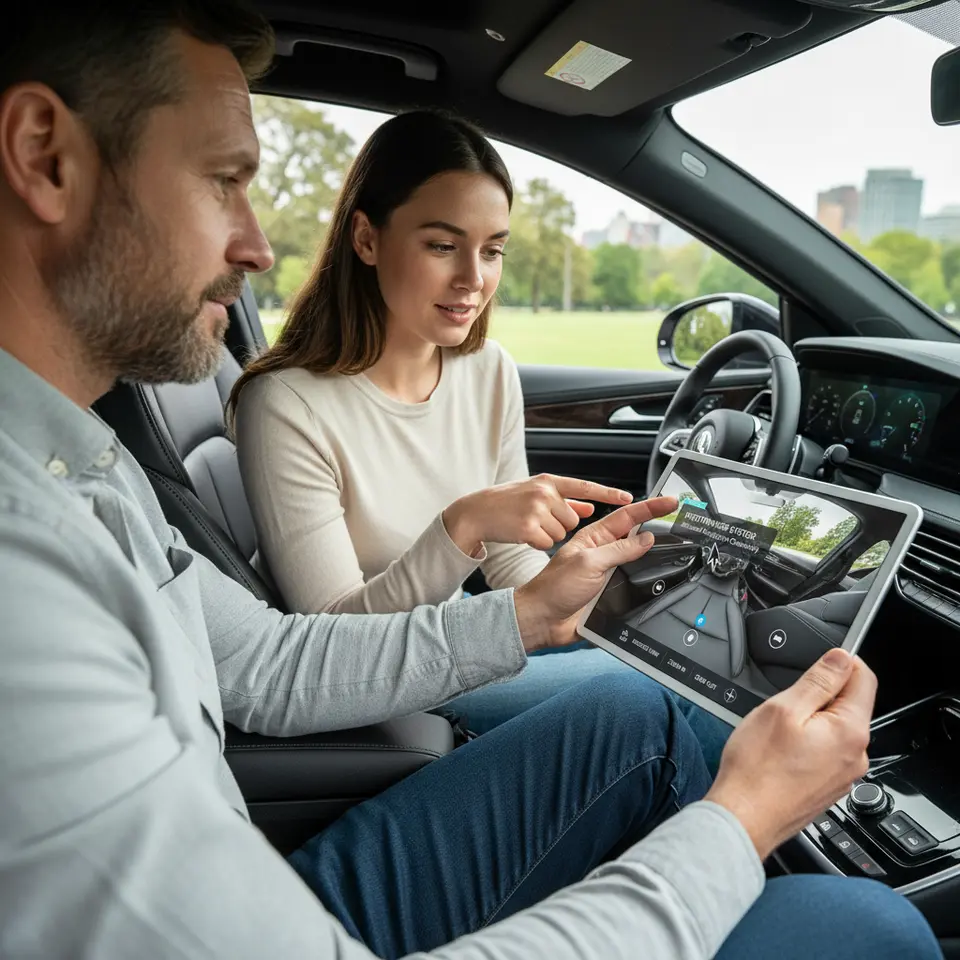
While more complex, 360° video invites viewers to explore environments freely—ideal for travel, real estate, or automotive campaigns. Viewers click and drag to discover features at their own pace, creating an immersive experience that drives deeper engagement.
Crafting a Winning Interactive Video Inbound Marketing Strategy
Success with interactive video inbound marketing requires strategic planning before you press record. Follow these proven steps to ensure your campaign resonates and converts:
Define Clear Objectives
Start by pinpointing precisely what you want to achieve. Are you focused on lead generation, product education, customer onboarding, or cross-sell/upsell campaigns? Clear objectives shape your interactive format choices, messaging tone, and CTAs.
Develop Detailed Buyer Personas
Interactive video thrives on relevance. Craft buyer personas that outline your audience’s pain points, decision drivers, and preferred content formats. Use those insights to script branching questions or quiz prompts that feel personally meaningful.
Script and Storyboard Every Interaction
Lay out each decision point, hotspot reveal, and CTA placement in a storyboard. This visual blueprint ensures your production team, voice talent, and designers share the same creative vision. Include notes on timing, transitions, and user interface elements.
Choose the Right Platform and Technology
Select an interactive video platform that meets your needs for scalability, analytics, and integrations. Whether you choose a hosted solution or an open-source framework like H5P, ensure it supports the interactivity levels your campaign demands.
Embed Persuasive CTAs
Place CTAs at moments of peak engagement—immediately after viewers complete a quiz or reach the end of a branching path. Use action-oriented language like “Access Your Custom Report” or “Start Your Free Trial” to drive immediate responses.
Top Tools and Platforms for Interactive Video Creation
Choosing the right technology is critical for executing an effective interactive video inbound marketing strategy. Below are some of the leading platforms to consider:
Vidyard
Vidyard offers robust features such as branching logic, in-video forms, and CRM integrations. It’s particularly popular with B2B marketers thanks to detailed analytics and personalized video capabilities.
Wistia
Known for its simple, clean player and strong analytics, Wistia supports interactive chapters, turnstile email gates, and CTA overlays. It integrates seamlessly with marketing automation platforms for lead scoring and nurturing.
H5P
An open-source framework that integrates with WordPress, Moodle, and Drupal, H5P lets you build quizzes, interactive timelines, branching scenarios, and more. Its zero-cost entry point makes it attractive for education and small businesses.
Wirewax
Wirewax specializes in hotspot tagging and shoppable video experiences. The platform’s intuitive interface makes it easy to tag objects, merge ecommerce links, and track engagement metrics in real time.
Eko Studio
Eko Studio focuses on storytelling, allowing you to create richly branched narratives with high production value. It’s ideal for brands looking to deliver cinematic, choice-driven experiences.
Best Practices for Maximizing Engagement and Conversion
Even the most creative interactive video inbound marketing efforts can fall flat without careful optimization. Follow these best practices to drive results:
Keep Content Concise
Aim for 2–4 minute videos to respect attention spans. If your topic warrants more depth, split it into a short series. Sequential modules maintain momentum and encourage viewers to return.
Optimize for Mobile
With over half of video consumption occurring on mobile devices, ensure clickable hotspots are large enough for touch. Test your interactive elements on various screen sizes to confirm usability and fast loading.
A/B Test Interactive Elements
Experiment with different CTA language, quiz placements, or branching structures. Use analytics to compare engagement rates, completion rates, and conversion metrics. Iterate based on real data to refine your approach.
Personalize the Experience
If your platform supports cookie-based recognition or CRM data, deliver personalized intros or offers to repeat visitors. A tailored greeting or custom content pathway can boost completion rates by up to 20%.
Provide Immediate Value
Whether it’s a personalized report, discount code, or on-demand demo, make sure your CTA offers something of clear, tangible benefit. This sense of urgency and reward fosters trust and drives action.
Frequently Asked Questions
What is interactive video inbound marketing?
Interactive video inbound marketing is the practice of adding clickable elements and decision points to video content, transforming passive viewing into an engaging, two-way experience that captures data and fuels personalized marketing campaigns.
How can I measure the success of my interactive videos?
Track metrics such as engagement rate, completion rate, click-through rate on CTAs, and lead conversions from embedded forms. Use platform analytics and integrate with your CRM for deeper insights.
Which formats work best for B2B vs. ecommerce?
For B2B, interactive demos, branching scenarios, and in-video forms help qualify leads. Ecommerce brands often benefit from shoppable videos and clickable hotspots that streamline purchase journeys.
Conclusion
Interactive video inbound marketing represents the next evolution in digital engagement. By converting passive viewers into active participants, you capture deeper insights, foster meaningful connections, and accelerate conversions. The combination of personalization, real-time data, and seamless CTAs makes this approach uniquely powerful in today’s crowded marketplace.
As you embark on your interactive video journey this year (2026), remember to define clear objectives, understand your audience, and choose tools that integrate with your existing tech stack. Keep content concise, optimize for mobile, and continuously test to refine your strategies. With a well-executed plan, interactive video inbound marketing can transform your campaigns and deliver lasting ROI.
Ready to get started? Begin with a pilot interactive video, measure performance against your goals, and scale what works. In doing so, you’ll unlock new levels of engagement and pave the way for lasting customer loyalty.