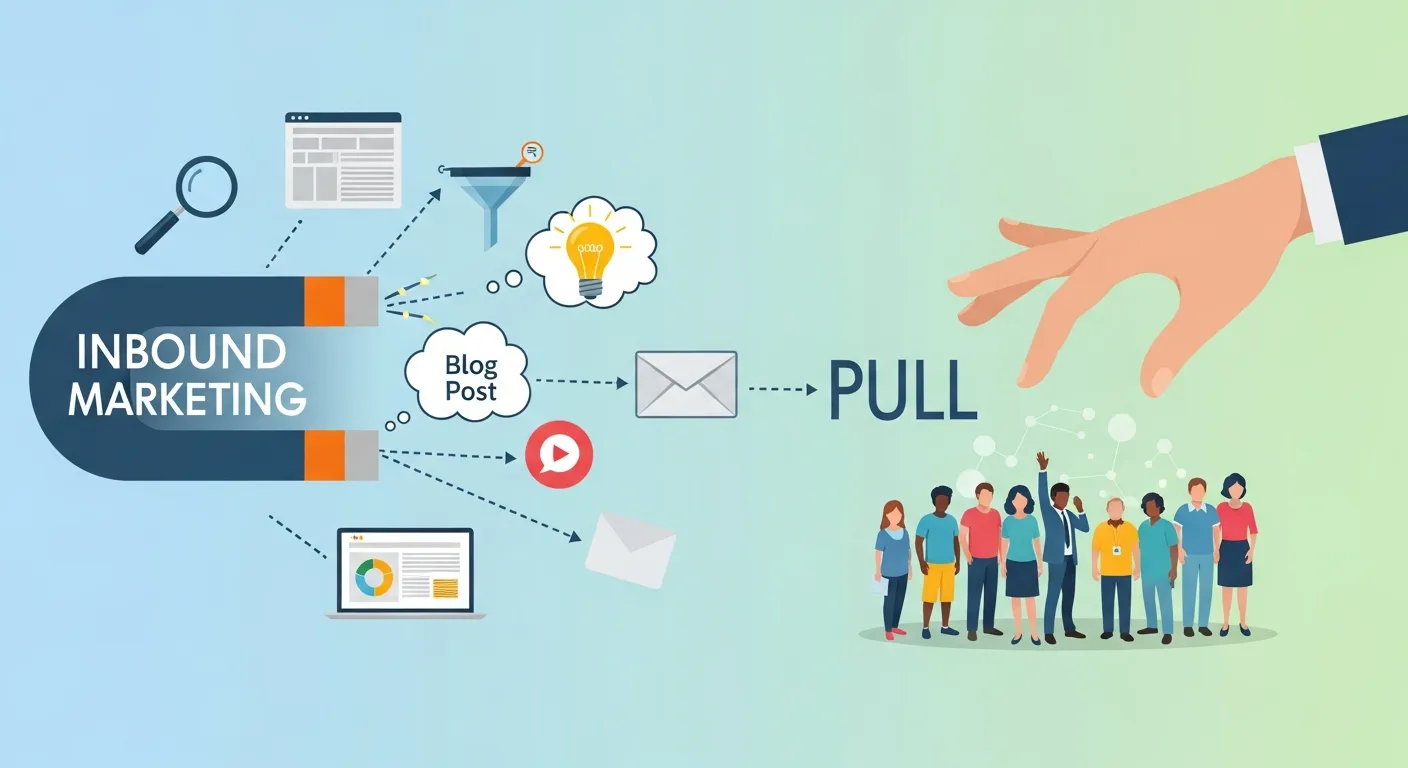
Inbound marketing is a pull-based strategy that attracts qualified leads through valuable content, SEO, and personalization. It builds trust, improves conversions, and delivers sustainable long-term business growth.
Inbound marketing has become a buzzword in the marketing world, often tied to the concepts of pull marketing. But what exactly does this mean, and does it live up to the hype? More importantly, is inbound marketing worth the time, effort, and budget for your business?
Understanding the Connection Between Pull Marketing and Inbound Marketing
What Is Pull Marketing?
Pull marketing refers to strategies designed to “pull” customers toward your brand by creating demand for your products or services. Instead of reaching out to customers directly with ads or cold calls (as in push marketing), pull marketing attracts customers organically through valuable content, positioning, and messaging. Examples of pull marketing tactics include search engine optimization (SEO), social media content, and blogs. Learn more about Inbound Marketing for E-commerce.
The core idea is simple: you provide value first, which sparks genuine interest from potential customers who then actively seek out more information about your offering.
Breaking Down the Concept of Inbound Marketing
Inbound marketing is a methodology that revolves around attracting, engaging, and delighting potential customers. It focuses on creating valuable content tailored to your audience’s needs, addressing their questions, and helping solve their problems.
HubSpot, a pioneer in the field, defines inbound marketing as the process of “drawing customers to your brand through content and interactions that are relevant and helpful—not interruptive.”
Given this description, it’s easy to see how inbound marketing aligns closely with pull marketing. Both approaches focus on attracting customers by offering them relevant, helpful, and necessary resources.
The Key Difference Between Pull Marketing and Inbound Marketing
While pull marketing is a broad category of creating demand and awareness, inbound marketing takes it a step further with a methodical, data-driven framework. It incorporates additional strategies like lead nurturing and customer retention to build long-term relationships, not just drive attention to your brand.
Simply put, inbound is a deeper, more structured version of pull marketing that includes the entire customer funnel, from discovery to conversion and advocacy.
Why Businesses Are Turning to Inbound Marketing
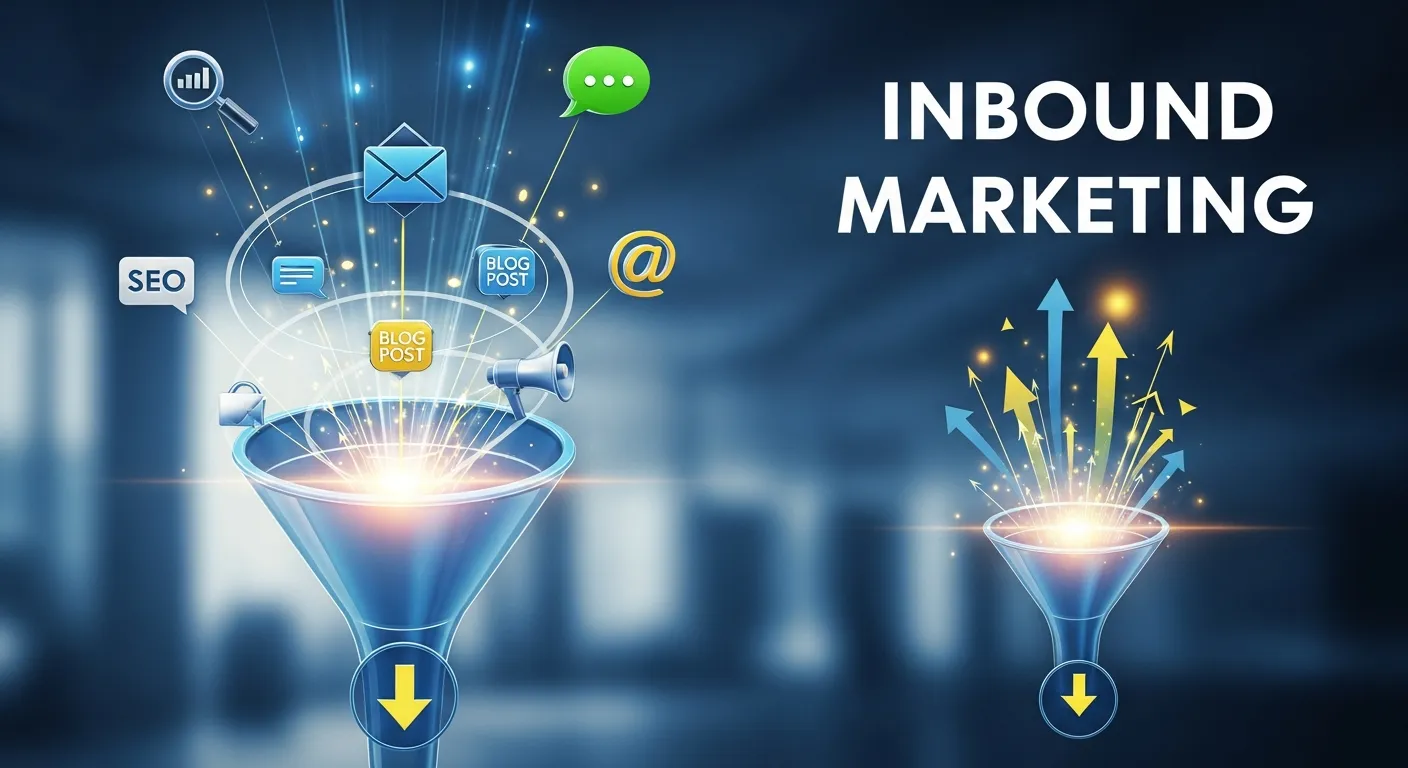 Is inbound marketing just a trend, or is it actually worth doing? Here’s a breakdown of its wide-ranging benefits.
Build Trust and Credibility
Customers now have endless options, and they naturally gravitate toward businesses they trust. With inbound marketing, you position your brand as a valuable resource and industry authority by offering educational content such as how-to guides, whitepapers, and webinars.
This creates a sense of credibility that pushes marketing methods like cold calls can’t achieve. For example, a blog post answering a common customer question like “How do I choose the best CRM software?” will demonstrate your expertise and attract visitors to your website via organic search.
Cost-Effective Lead Generation
Traditional advertising can be expensive, with no guarantee of conversion from your target audience. By relying on organic traffic (e.g., SEO, social media), inbound marketing yields long-term, cost-effective results.
Statistically speaking, inbound marketing costs 62% less per lead compared to outbound strategies like direct mail or paid advertising. Once the initial content investment is made, evergreen pieces like blogs and eBooks can stay relevant and generate traffic without recurring costs.
Target the Right Audience
One of the pitfalls of push marketing is targeting customers who aren’t interested in or ready to buy your product. With inbound marketing, you focus solely on qualified leads who are already seeking a solution and are more likely to engage with your brand.
For example, an inbound framework might include keyword-optimized blog posts, ads targeting specific search queries, or gated resources that collect valuable lead information.
Improve Customer Retention
Inbound marketing doesn’t stop at acquiring new customers. With post-sale strategies like personalized emails, customer success guides, and valuable updates, businesses can keep their customers engaged long after the initial purchase. Keeping your audience in the loop helps build advocacy—for every impressive experience you deliver, your customers are more likely to refer your brand to their networks.
Measure Results Easily
Inbound marketing is data-driven, meaning you can track every phase of your audience’s interaction with your content (e.g., clicks, downloads, shares). Tools like Google Analytics, HubSpot, and SEMrush allow you to evaluate the performance of your inbound strategies and adjust accordingly.
How to Build an Effective Inbound Marketing Strategy
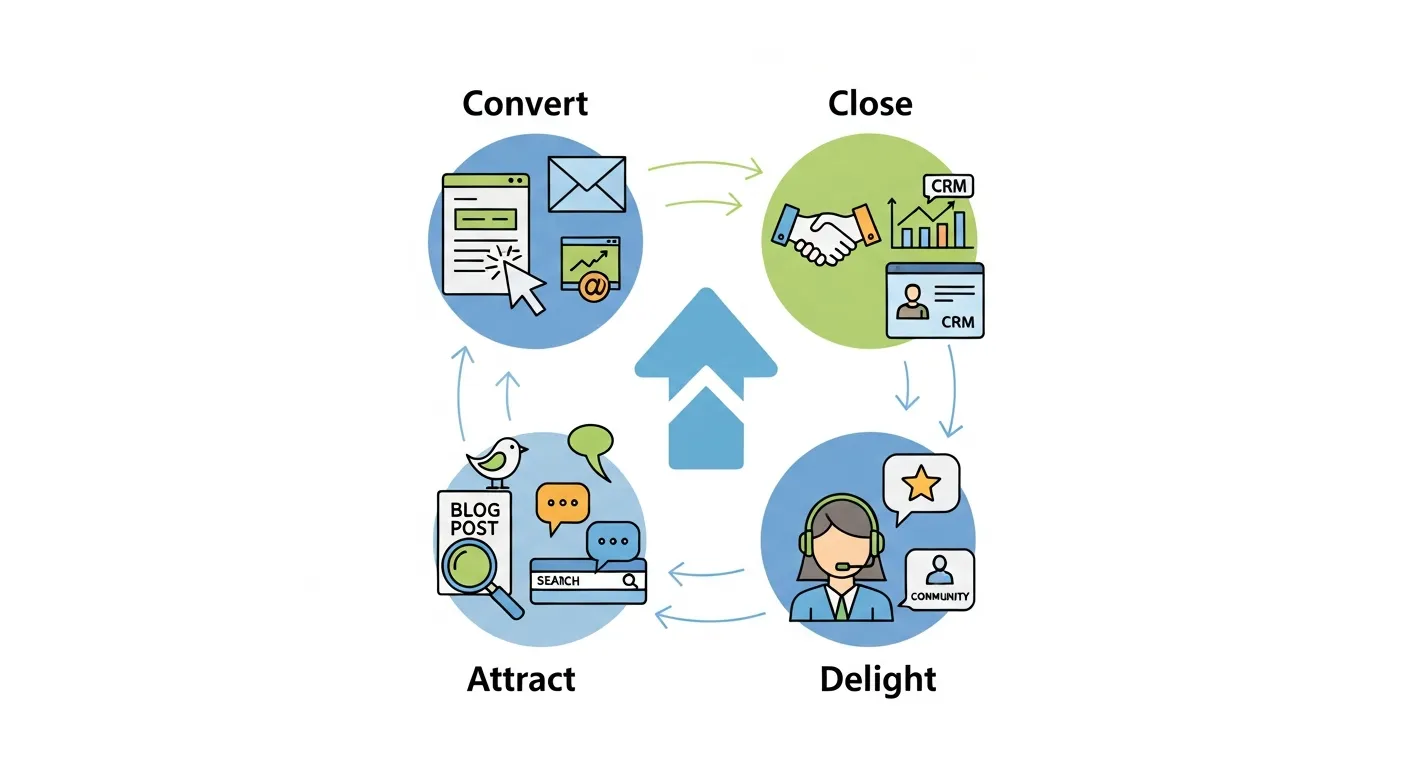 If you’re sold on the value of inbound marketing, here’s how to start building an effective strategy centered on the principles of pull marketing.
Understand Your Audience
Everything starts with your target audience. Build detailed buyer personas to understand their needs, pain points, and preferred content formats. What are their questions? Where do they look for solutions? Answering these questions will guide your inbound tactics.
Create High-Value Content
Focus on creating engaging content that solves real problems for your audience. This includes blogs, infographics, videos, eBooks, and social media posts. Ensure the content is optimized for SEO so it ranks in search engine results when your audience begins their research.
For example, include relevant keywords like “best project management software” in your titles and subheadings to help your content rank. Use multimedia formats to cater to different learning preferences.
Design a Well-Optimized Website
Your website is your digital storefront. Ensure it’s fast, mobile-friendly, and visually appealing. Make navigation simple so visitors can find the information they need quickly. Remember to include clear calls-to-action (CTAs) so leads can easily move to the next step of the funnel.
For instance, a CTA like “Download Our Free ROI Calculator” placed on a landing page can drive leads into your CRM.
Leverage Lead Magnets
Lead magnets (like free tools, templates, and guides) are powerful pull marketing tactics for generating qualified leads. Gated content that requires an email address to access not only provides value to your audience but also helps you collect potential customer data to nurture leads further.
Build an Email Nurture Funnel
Once you capture leads, email campaigns are a powerful way to keep them engaged and lead them closer to a purchase decision. Provide personalized, helpful emails fueled by insights into their previous actions (e.g., downloads, website behavior).
Engage with Analytics
Measure and fine-tune your efforts frequently. Use data to evaluate the performance of your campaigns and adjust strategies as needed. If specific blog posts are generating high traffic but not converting, you may need stronger CTAs or companion content like videos or eBooks.
Marketing Automation in Inbound Campaigns
Marketing automation enhances inbound marketing by streamlining lead nurturing and follow-ups. Automated workflows deliver timely emails, score leads, and segment audiences based on behaviour. This allows businesses to maintain consistent communication without manual effort. Automation ensures prospects receive relevant content at the right time, improving engagement and conversion while saving resources.
Inbound Marketing for Brand Authority Building
Inbound marketing helps businesses establish industry authority. By consistently publishing insightful and educational content, brands position themselves as trusted experts. When audiences repeatedly turn to your content for guidance, brand credibility grows. This authority influences purchase decisions, increases customer loyalty, and reduces price sensitivity—giving businesses a competitive advantage.
Challenges of Inbound Marketing
While inbound marketing offers long-term benefits, it comes with challenges. Results are not immediate and require patience, consistency, and strategic planning. Content creation, SEO optimization, and performance tracking demand time and expertise. However, businesses that stay committed often see compounding returns that outweigh the initial effort.
The Future of Inbound and Pull Marketing
 As consumers become more selective and ad-averse, inbound marketing continues to grow in importance. Trust-based, customer-centric strategies are shaping the future of marketing. Advances in AI, personalization, and analytics will further strengthen inbound effectiveness. Businesses that invest early in inbound marketing are better positioned for long-term success
Is It Worth It?
The short answer is yes, inbound marketing is absolutely worth doing.
If you’re looking for a scalable, cost-effective, and trustworthy way to build long-term customer relationships, inbound is the way forward. Businesses that prioritize helpful, relevant content over hard-selling tactics not only earn attention but also build loyalty and advocacy along the way.
Implementing inbound marketing isn’t an overnight solution, but the long-term benefits are worth the investment. By aligning your inbound efforts with your audience’s needs and objectives, you’ll create a flywheel of growth that brings enduring success.