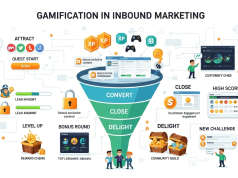

Podcasting is a powerful inbound marketing tool that builds trust, authority, and engagement. By following Podcast Inbound Marketing principles, each episode can attract, nurture, and delight your audience. Consistent, high-value content turns listeners into loyal advocates and long-term business growth drivers.
Podcasting has quickly become a cornerstone of modern inbound marketing strategies. Yet, for many businesses, launching and managing a successful show can feel overwhelming. From understanding the technical setup to measuring ROI, marketers often have questions about how to use podcasts effectively to attract, engage, and delight their audience. By incorporating Podcast Inbound Marketing principles, businesses can ensure every episode delivers measurable value while building authority and fostering a loyal community. Below, we answer the 10 most common questions that marketers and business owners have about leveraging podcasting as part of a strategic inbound approach.
The Intimate Nature of Audio Content

When someone listens to your podcast, you’re literally speaking directly into their ear. This creates an unparalleled sense of connection that other content formats struggle to match. Your voice, with all its natural inflections, tone, and personality, builds trust and credibility far faster than text alone ever could. This immediacy and intimacy are at the core of why Podcast Inbound Marketing is so effective.
Research from Edison Research’s Infinite Dial study shows that podcast listeners are among the most loyal and engaged audiences in digital media. The average listener consumes seven episodes weekly and completes roughly 80% of each episode. Compare that to the mere seconds most visitors spend scanning your blog posts or social media updates. These habits make podcasts a prime tool for businesses seeking meaningful engagement through Podcast Inbound Marketing strategies.
Positioning Your Brand as the Authority
Starting a podcast instantly elevates your brand’s perceived expertise. Hosting a show signals confidence in your knowledge and positions you as an industry authority. The perception strengthens further when you interview thought leaders and influencers, creating associations between your brand and established authorities. Over time, consistently delivering high-value audio content establishes your brand as the go-to resource in your field.
At InboundMarketo, we’ve observed clients transform their market positioning through strategic Podcast Inbound Marketing initiatives. By showcasing unique insights, thought leadership, and actionable advice, brands move from being just another player in the market to being recognized as an authority.
Podcast Marketing’s Role in the Inbound Flywheel
Podcasting naturally feeds every stage of the inbound marketing flywheel:
Attract: Podcasts reach new audiences through directories like Apple Podcasts, Spotify, and Google Podcasts. Each episode creates multiple SEO opportunities through show notes, transcripts, and derivative content such as blog posts or social media snippets. Using Podcast Inbound Marketing techniques, you can maximize visibility and pull in audiences actively searching for expertise in your niche.
Engage: The long-format nature of podcasts allows for in-depth exploration of topics that truly matter to your ideal customers. By diving deep without the pressure of a hard sell, you nurture listeners’ trust and guide them through the consideration stage. Thoughtful discussions, case studies, and actionable insights are at the heart of successful Podcast Inbound Marketing engagement strategies.
Delight: Consistently valuable episodes keep existing customers engaged long after their initial purchase, increasing lifetime value and turning them into brand advocates. Podcasts give you a platform to maintain authentic connections, share ongoing updates, and demonstrate commitment to your audience—key principles in Podcast Inbound Marketing.
Getting Started With Podcast Marketing
Many businesses overthink the technical aspects of podcasting, creating unnecessary barriers to entry. In reality, you can launch a high-quality podcast with minimal equipment and a manageable time investment.
Start by clearly defining your show’s unique value proposition. Ask yourself: Who exactly are you serving, and what transformation are you helping them achieve? Remember, the most successful business podcasts are not about products—they are about solving the bigger problems your audience faces.
Interview formats often work particularly well for beginners. They require less preparation than solo shows and allow you to leverage your guests’ expertise and audience. Over time, layering these efforts into a structured Podcast Inbound Marketing approach ensures each episode contributes to building authority, trust, and meaningful engagement with your target market.
Content Repurposing: The Hidden Superpower
A single 30-minute podcast episode can generate dozens of content pieces across platforms, making it one of the most versatile tools in a marketer’s arsenal. Pull powerful quotes for social media, transform insights into blog posts that expand on key concepts, and create infographics that visualize important data points. Even short segments can be repurposed into email snippets, carousel posts, or short-form videos, extending the life and reach of each episode.
According to Content Marketing Institute, brands that consistently repurpose podcast content see three times higher engagement across channels than those publishing isolated content. This multiplier effect demonstrates why Podcast Inbound Marketing is so effective: each episode becomes a foundation for amplifying your message across multiple touchpoints, driving both awareness and engagement without significantly increasing production effort.
This efficiency makes podcasting a highly strategic content investment, especially for resource-conscious marketers who need to maximize ROI. By approaching content creation with a Podcast Inbound Marketing mindset, businesses can extract maximum value from every episode, turning audio content into an engine for social, blog, and visual content that continuously reinforces brand messaging.
Building Community Through Audio
The most valuable outcome of podcasting isn’t simply download numbers—it’s the community that forms around your show. Regular listeners develop parasocial relationships with hosts, feeling a genuine connection despite the one-way nature of the medium. These relationships are the backbone of long-term engagement and brand loyalty.
Nurture this connection by acknowledging listeners by name, answering questions on air, and creating opportunities for interaction such as live Q&As, polls, or social media discussions. Many of today’s strongest business communities began as podcast audiences before expanding into forums, live events, and customer advocacy programs. Incorporating Podcast Inbound Marketing strategies can turn casual listeners into active community members, advocates, and long-term customers.
Measuring Podcast Marketing Success
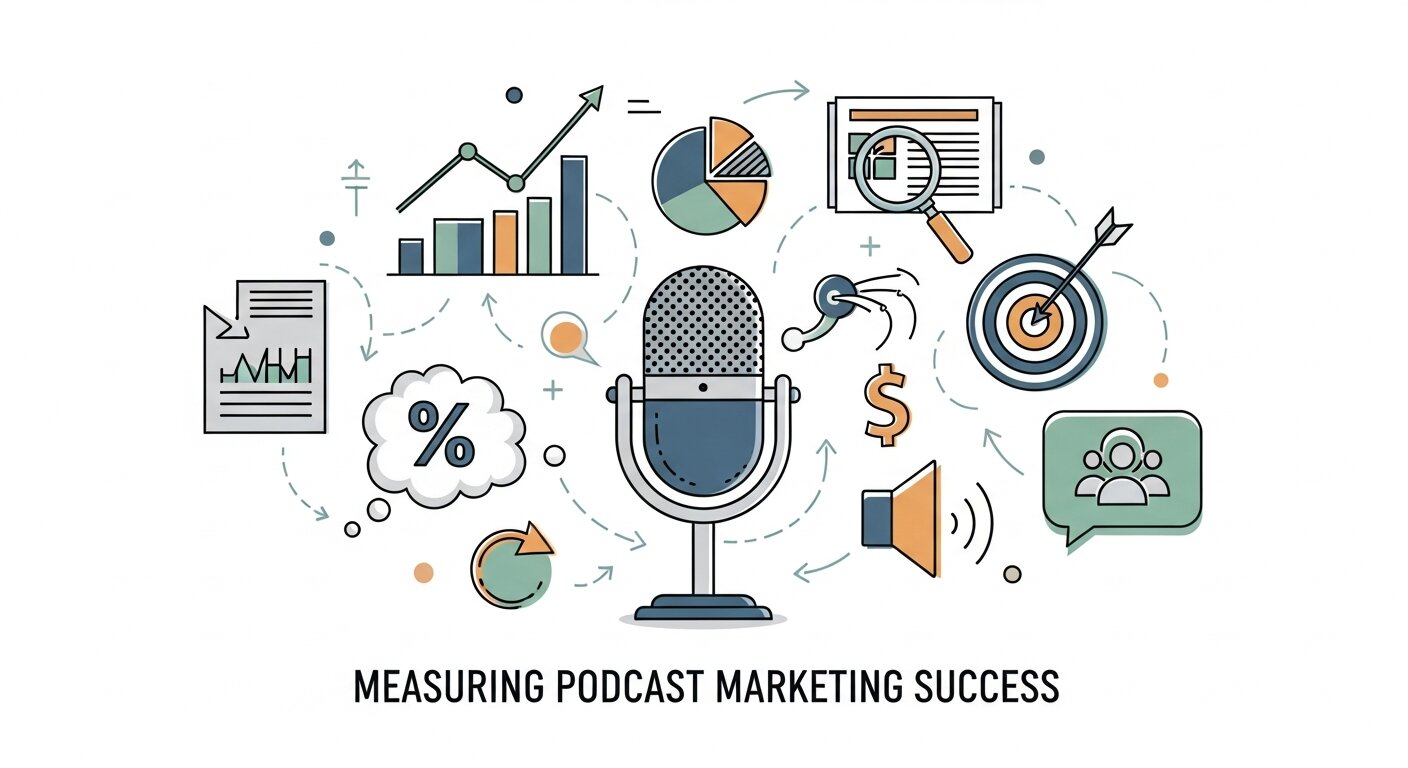
When evaluating your podcast’s performance, it’s important to look beyond raw download numbers. Focus on metrics that reflect meaningful engagement and business impact:
- Track website traffic from show notes pages and blog posts derived from episodes.
- Measure email signups from podcast-specific lead magnets.
- Monitor mentions of your podcast in customer conversations and social channels.
- Pay attention to episode completion rates—high completion indicates content resonates and builds the trust necessary for conversions.
Harvard Business Review reports that podcast listeners demonstrate 4.4 times better brand recall than display ad viewers and 2.6 times higher conversion rates than other digital channels. Leveraging these insights through a structured Podcast Inbound Marketing approach ensures that your podcast isn’t just producing content, but actively contributing to lead generation, nurturing, and long-term growth.
Monetization Pathways
While many business podcasts do not directly monetize through ads, understanding potential revenue pathways helps justify the investment:
- Direct sponsorships: Brands pay to reach your niche audience.
- Premium content: Offer exclusive episodes or early access for paying subscribers.
- Lead generation: The most common business model, where episodes drive qualified prospects into your sales funnel.
- Speaking engagements: Podcast hosts often become sought-after speakers, opening additional revenue streams.
Using a Podcast Inbound Marketing framework, even non-monetized podcasts deliver ROI by generating leads, strengthening brand authority, and providing content that fuels marketing campaigns across channels.
Common Podcast Marketing Pitfalls
Avoid these mistakes that often undermine business podcast success:
- Inconsistent publishing schedules that erode audience trust and engagement.
- Overly promotional content that drives listeners away. Focus on solving audience problems and providing value.
- Poor audio quality that reflects badly on your brand standards. Clear sound is non-negotiable.
- Launching without a promotion strategy beyond publishing episodes. Even the best content needs a strategic plan for distribution, repurposing, and amplification to fully leverage Podcast Inbound Marketing principles.
By focusing on strategy, consistency, and community-building, businesses can harness podcasting as a high-impact tool within their Podcast Inbound Marketing efforts. Every episode can strengthen authority, generate qualified leads, and create lasting connections that feed your inbound flywheel, making podcasting a cornerstone of a modern, multi-channel content strategy.
The Future of Podcast Marketing
The podcasting landscape continues to evolve rapidly, offering interactive features, improved analytics, and new discovery mechanisms that allow listeners to find and engage with content more easily than ever. Smart speakers, in-car entertainment systems, and mobile-first consumption habits are making podcast listening increasingly frictionless, creating opportunities for brands to reach audiences wherever they spend their time. Businesses that establish a podcast presence early will gain a competitive advantage as audio content becomes a central part of consumers’ media diets. Integrating these initiatives into a broader Podcast Inbound Marketing strategy ensures that each episode not only entertains but also drives measurable engagement and business outcomes.
Your Next Steps
Study the landscape: Begin by listening to successful podcasts in your industry or niche. Pay attention to their formats, topics, and engagement strategies. Observe how they structure episodes, incorporate interviews, or create recurring segments. This research will provide inspiration while helping you identify gaps your brand can uniquely fill with Podcast Inbound Marketing techniques.
Identify your unique angle: Pinpoint the distinctive perspective only your brand can offer. The most successful shows focus on solving specific audience problems. By emphasizing your expertise and providing actionable insights, you not only build authority but also reinforce the principles of Podcast Inbound Marketing, turning listeners into loyal advocates who trust your guidance.
Start small but stay consistent: Launching a manageable show—such as a 15-minute weekly episode—often outperforms ambitious but irregular productions. Consistency is critical because the compound effect of regular episodes builds an audience over time, transforming casual listeners into engaged followers. Structured properly, this consistency becomes a key component of your Podcast Inbound Marketing framework, amplifying your reach without overwhelming your team.
Leverage every episode: Each podcast episode can be repurposed into social posts, blog articles, email snippets, and visual content, multiplying its impact across your marketing channels. Adopting this approach aligns with best practices in Podcast Inbound Marketing, ensuring that your content ecosystem works cohesively to attract, engage, and delight your audience.
Engage and measure: Use analytics tools to track listener growth, episode completion rates, and engagement metrics. Pay attention to which topics resonate most, then iterate your content plan accordingly. Measuring performance in this way strengthens your Podcast Inbound Marketing efforts by connecting audio engagement to tangible business results such as leads, conversions, and brand loyalty.
Podcasting rewards brands that are patient and persistent. Over time, consistently delivering high-value content builds a community of engaged advocates who amplify your message far beyond what traditional outbound marketing could achieve. Integrating podcasting into a structured Podcast Inbound Marketing strategy transforms it from a standalone channel into a central element of your broader inbound ecosystem, feeding awareness, engagement, and conversion opportunities across your business.
By approaching podcasting strategically, businesses can harness its long-term benefits, positioning themselves as trusted authorities while building a loyal audience that actively supports and promotes their brand. For modern marketers, podcasting is no longer optional—it is a high-impact component of any comprehensive Podcast Inbound Marketing plan that seeks measurable growth and lasting influence.
Frequently asked questions
What is Podcast Inbound Marketing?
Podcast Inbound Marketing is the strategic use of podcasts to attract new audiences, engage them with valuable content, and nurture long-term relationships. Unlike traditional outbound methods, it emphasizes trust, authority, and meaningful connections with your target market.
How does podcasting fit into an inbound marketing strategy?
Podcasts feed all stages of the inbound flywheel: attracting new listeners through discoverable content, engaging them with deep insights, and delighting them with ongoing value. Podcast episodes can also be repurposed into blogs, social posts, and email campaigns to strengthen inbound efforts.
Do I need professional equipment to start a podcast?
No, you can launch a high-quality podcast with a good USB microphone, headphones, and recording software. Consistency, value, and a clear content strategy are more important than expensive gear, especially when implementing Podcast Inbound Marketing effectively.
How often should I publish episodes?
Consistency is key. A weekly or biweekly schedule is ideal for most businesses. Shorter, consistent episodes outperform irregular, long-form releases because they build a predictable rhythm for your audience and feed the Podcast Inbound Marketing framework.
Can podcasts generate leads and conversions?
Yes. By including calls-to-action, lead magnets, and show notes, podcasts can drive listeners into your sales funnel. Podcast Inbound Marketing leverages audio content as a lead generation and nurturing tool alongside other digital channels.
How do I measure podcast success?
Metrics should go beyond download counts. Track website traffic from show notes, email signups, social engagement, episode completion rates, and multi-touch attribution to evaluate impact. Podcast Inbound Marketing focuses on meaningful engagement that contributes to business objectives.
Should I interview guests or host solo episodes?
Both formats work, but interviews are excellent for beginners. They provide fresh perspectives, attract the guest’s audience, and create opportunities to apply Podcast Inbound Marketing strategies by leveraging the credibility and reach of featured experts.
How can I repurpose podcast content effectively?
Repurpose audio into blog posts, social media clips, email snippets, infographics, and short videos. This approach maximizes your content ROI and strengthens the Podcast Inbound Marketing ecosystem across multiple channels.
How do I build a community around my podcast?
Engage listeners through Q&As, polls, shoutouts, and social media discussions. Consistent, authentic interaction nurtures a loyal audience that advocates for your brand—one of the core benefits of Podcast Inbound Marketing.
What common mistakes should I avoid?
Avoid inconsistent publishing, overly promotional content, poor audio quality, and lack of promotion strategy. Ignoring these pitfalls can limit the effectiveness of Podcast Inbound Marketing and hinder audience growth and engagement.