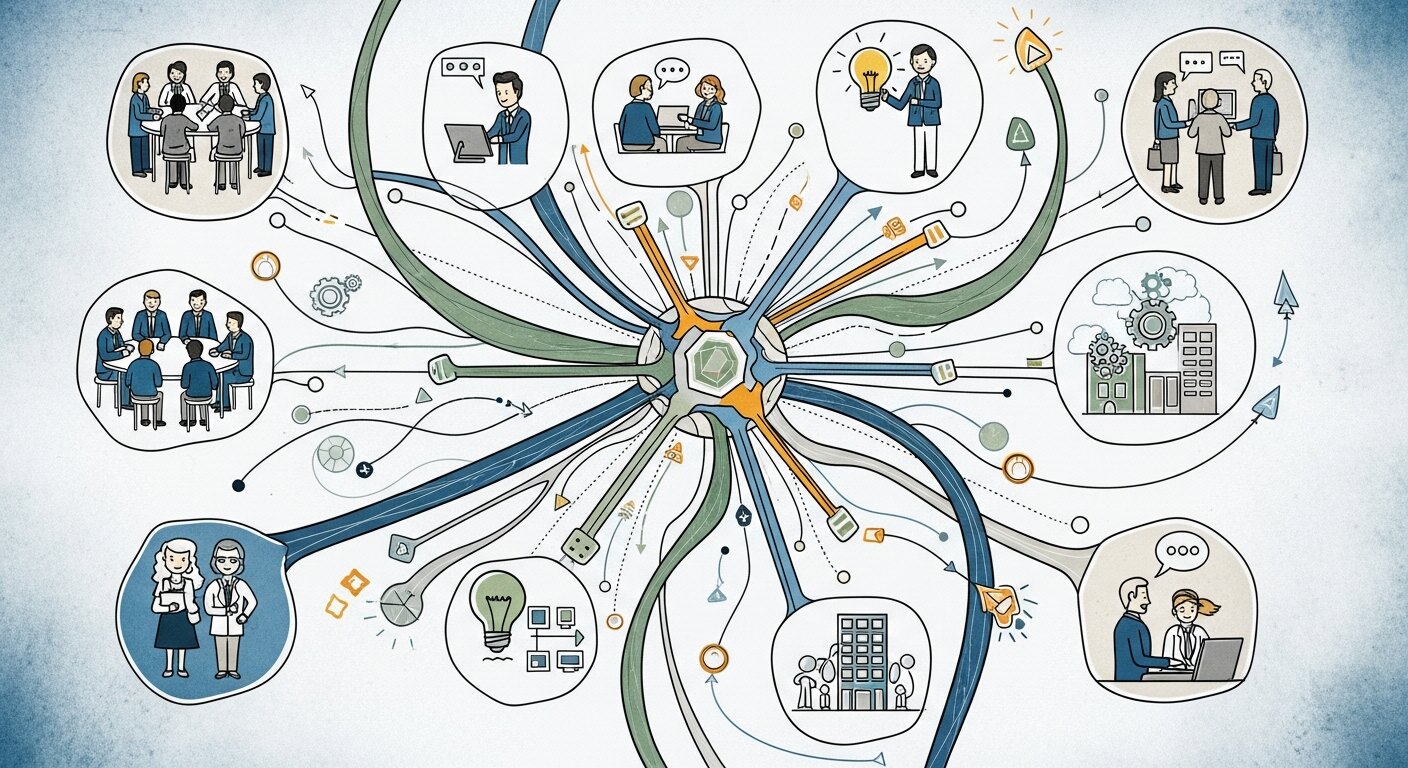
Breaking down content silos transforms fragmented operations into a cohesive, customer-centered system. By aligning culture, technology, and processes, organizations improve efficiency and brand consistency. A sustained integration strategy turns collaboration into a lasting competitive advantage.
As organizations grow, content naturally becomes more complex. Multiple departments create materials to serve their own objectives—marketing builds campaigns, sales develops presentations, product teams publish updates, and customer success produces support documentation. While these efforts may be effective individually, they often lack coordination. Over time, this leads to fragmented messaging, duplicated resources, and inconsistent customer experiences.
A structured Content Silo Integration Strategy addresses these challenges by aligning teams, systems, and processes around shared goals and unified customer journeys. Instead of allowing information to remain isolated within departments, organizations create interconnected workflows, centralized repositories, and collaborative planning models. The result is stronger brand consistency, improved operational efficiency, and a more seamless experience for customers across every touchpoint.
The Real Cost of Content Silos
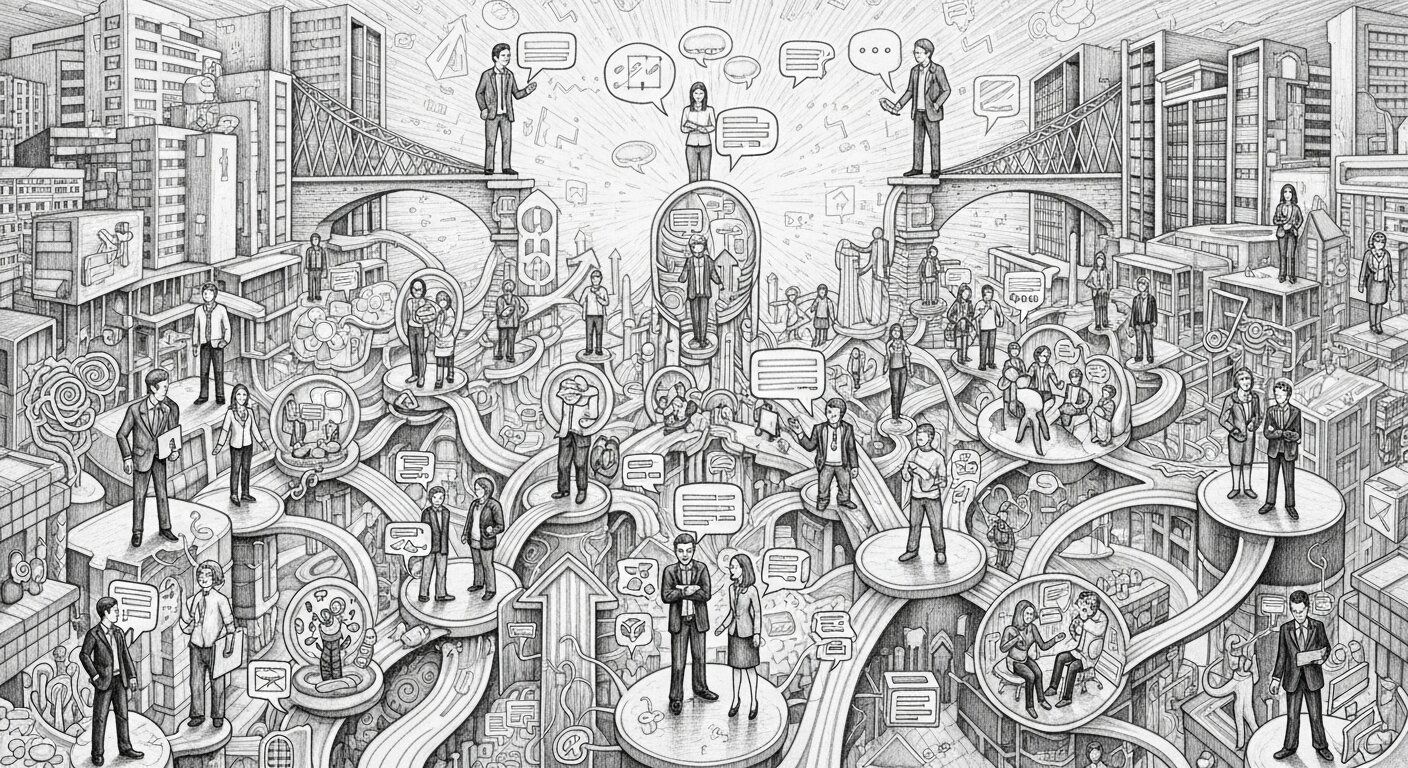 Content silos emerge naturally as organizations grow in size and complexity. As new departments form and teams specialize, communication patterns often become narrower. Marketing develops campaigns without consulting product teams about roadmap updates. Customer service builds help resources based solely on support tickets. Sales creates pitch decks independently to meet quarterly targets. Over time, each department constructs its own content ecosystem, believing it is optimizing for efficiency and speed.
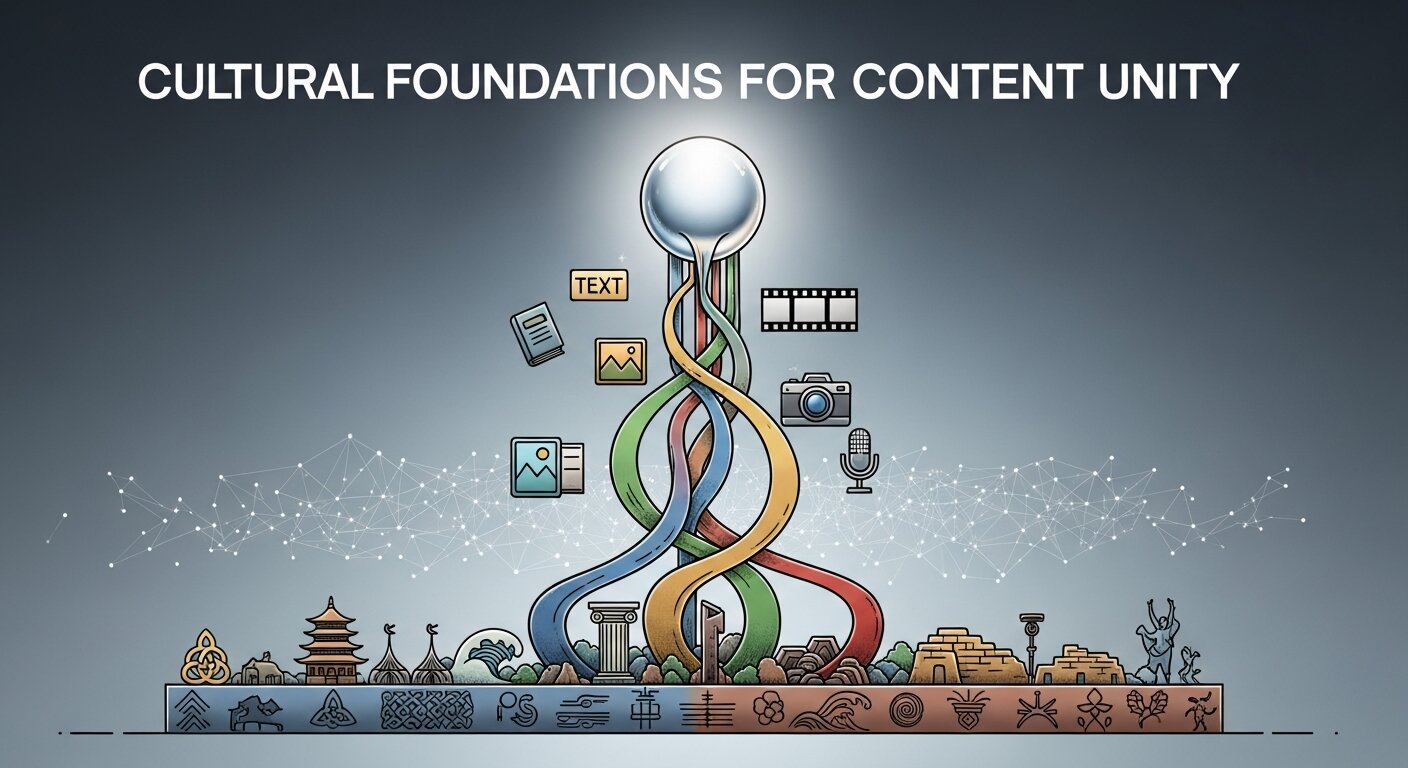 Breaking down silos begins with cultural change. Technology alone cannot solve a problem rooted in mindset and structure. Without a collaborative culture, even the most advanced tools will reinforce isolation.
While culture creates the foundation, technology provides the infrastructure that makes integration scalable and sustainable. A well-defined Content Silo Integration Strategy relies heavily on systems that connect teams, centralize assets, and increase transparency across departments.
Centralized content repositories are often the cornerstone of this effort. Instead of housing files across disconnected drives, inboxes, and departmental platforms, organizations should implement a unified digital asset management system. This ensures every team can access approved blog posts, case studies, whitepapers, sales decks, product sheets, and brand guidelines from one authoritative source. When properly structured, these repositories reduce duplication, prevent outdated messaging from circulating, and reinforce consistency. As part of a broader Content Silo Integration Strategy, they also make content discoverable through search functionality, tagging, and version control.
Unified content calendars further enhance visibility. When marketing, sales enablement, product marketing, and customer education teams plan in isolation, scheduling conflicts and messaging overlaps become inevitable. A shared calendar allows all stakeholders to see upcoming campaigns, launches, and content initiatives in real time. This transparency naturally sparks collaboration and reveals opportunities to co-create multi-channel assets. Integrated planning tools are not just organizational aids—they are tactical enablers within a comprehensive Content Silo Integration Strategy.
Standardized metadata frameworks play an equally critical role. Consistent tagging structures, taxonomies, and categorization systems ensure that content can be filtered, connected, and repurposed across teams. Without shared metadata rules, valuable resources become buried in digital clutter. With alignment, however, departments can quickly identify assets relevant to specific industries, buyer stages, product lines, or campaigns. A Content Silo Integration Strategy that prioritizes metadata governance turns scattered resources into an interconnected content ecosystem.
Process Alignment for Sustainable Integration
Beyond culture and technology, organizations must formalize processes that reinforce integration over time. Even the best tools and intentions fade without structured workflows that embed collaboration into daily operations.
Integrated content planning is one of the most impactful adjustments. Instead of developing content sequentially within departments, cross-functional planning sessions should occur at the ideation stage. Marketing can align campaign themes with product updates. Sales can provide frontline insights into customer objections. Customer success can highlight recurring support questions that deserve proactive content. This early alignment ensures that assets are designed for multiple use cases from the start, strengthening the effectiveness of the Content Silo Integration Strategy.
Shared governance frameworks are equally essential. Clear policies around ownership, review cycles, approvals, publishing standards, and updates eliminate confusion and prevent territorial disputes. Governance should balance flexibility with structure—allowing creativity while maintaining consistency. When governance is transparent and universally adopted, a Content Silo Integration Strategy becomes operationalized rather than theoretical.
Content reuse protocols further reinforce integration. Teams should be encouraged—and incentivized—to adapt and expand existing materials rather than starting from scratch. For example, a webinar can become a blog series, a sales guide, social snippets, and a customer onboarding resource. Establishing documented reuse workflows reduces redundancy and maximizes ROI. Within a mature Content Silo Integration Strategy, repurposing becomes a default behavior rather than an afterthought.
Breaking Silos Through Unified Customer Journeys
One of the most powerful ways to dismantle silos is to shift the focus outward—from departments to customers. When organizations design around customer journeys instead of internal structures, collaboration becomes unavoidable.
Journey mapping workshops bring together stakeholders from marketing, sales, product, and customer support to visualize how prospects and customers interact with the brand across touchpoints. This exercise often reveals disconnects: messaging gaps between awareness and consideration stages, inconsistent value propositions, or abrupt tone shifts during onboarding. Addressing these friction points strengthens both experience and alignment. A customer-centered Content Silo Integration Strategy uses journey mapping as a diagnostic and planning tool.
Creating journey-focused content teams reinforces this perspective. Instead of assigning content ownership solely by department, organizations can assign responsibility by lifecycle stage—awareness, evaluation, purchase, onboarding, retention, and advocacy. These teams collaborate across functions to ensure continuity and coherence. By structuring around journeys, the Content Silo Integration Strategy shifts from departmental output to experience orchestration.
Content gap analysis supports this effort by identifying breakdowns where silos create confusion or dead ends. Perhaps prospects receive strong educational content but lack clear transition materials for sales engagement. Maybe onboarding resources exist, but retention content is fragmented. Systematically identifying and closing these gaps ensures that integration delivers measurable improvements in customer flow and conversion.
Knowledge Sharing Platforms and Practices
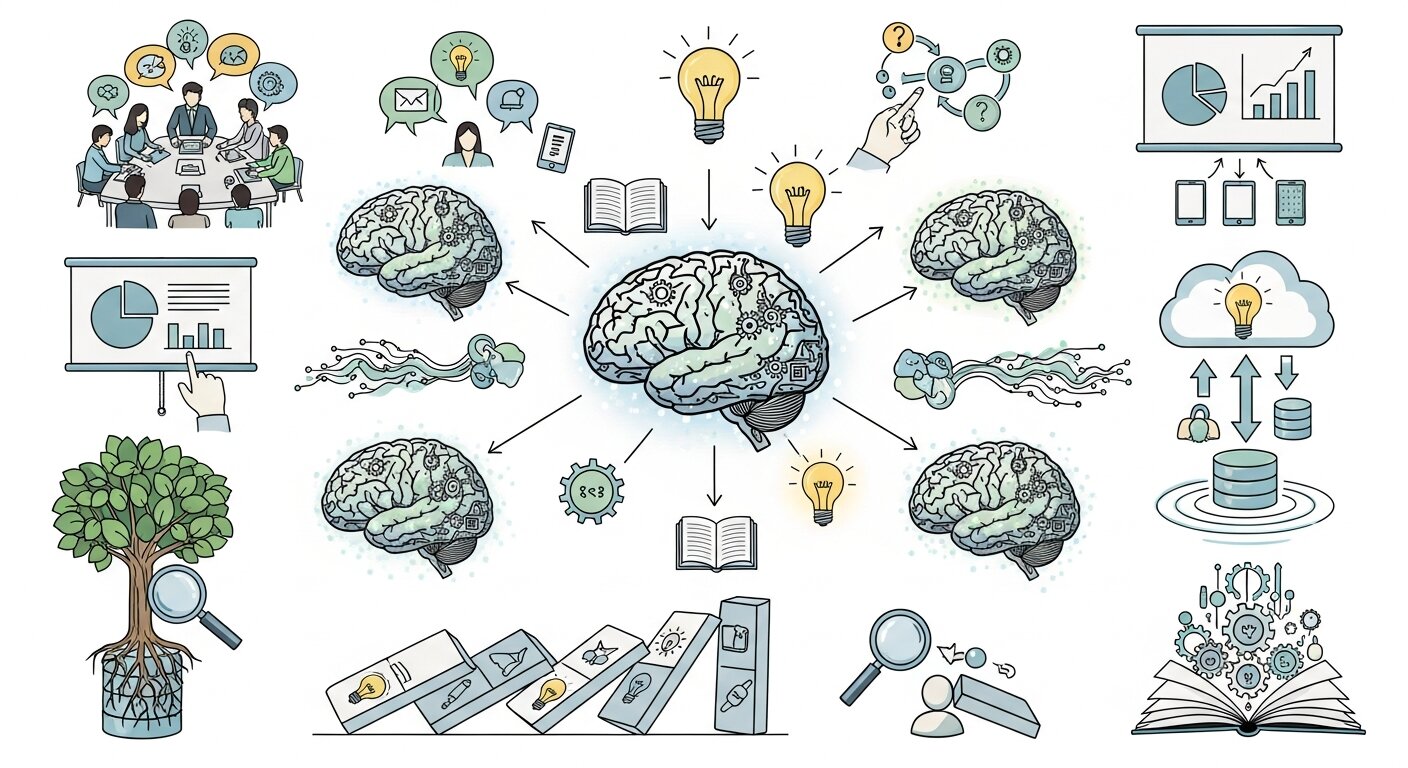
Technology and process alignment must be reinforced by continuous knowledge exchange. Information should not only be accessible—it should actively circulate.
Internal content showcases provide visibility into ongoing work across departments. Monthly or quarterly presentations where teams share successful campaigns, case studies, or innovative formats increase awareness and inspire replication. These forums help reinforce the principles of the Content Silo Integration Strategy by demonstrating its tangible benefits.
Skill-sharing programs also strengthen integration. Content creators, designers, strategists, and analysts from different teams can exchange techniques, tools, and lessons learned. This cross-pollination standardizes quality while building interpersonal trust. Over time, these relationships make collaboration faster and more organic.
Content retrospectives add another layer of institutional learning. After major campaigns or initiatives, teams should evaluate what worked, what didn’t, and where coordination could improve. Including cross-departmental stakeholders in these discussions ensures insights do not remain isolated. Continuous improvement loops are essential to sustaining a Content Silo Integration Strategy in dynamic, growing organizations.
Ultimately, lasting integration requires reinforcing alignment across technology, process, and collaboration habits. When systems are connected, workflows are unified, and knowledge flows freely, silos lose their structural support. A well-executed Content Silo Integration Strategy transforms fragmented operations into a cohesive, scalable, and customer-centered content engine.
Measuring Cross-Silo Success
Frequently Asked Questions
What is a Content Silo Integration Strategy?
A Content Silo Integration Strategy is a structured approach to eliminating isolated content creation across departments. It connects teams, tools, and workflows to ensure consistent messaging and shared visibility. The goal is unified communication aligned with customer journeys.
Why do content silos form in large organizations?
Silos form naturally as companies grow and departments specialize. Teams focus on their own KPIs, tools, and timelines, often without cross-functional coordination. Over time, this isolation becomes embedded in culture and process.
What are the main risks of content silos?
Content silos lead to inconsistent messaging, duplicated efforts, wasted budgets, and fragmented customer experiences. They also slow innovation and reduce collaboration. Most importantly, they erode brand trust when messaging conflicts across touchpoints.
How can organizations identify if silos exist?
Common indicators include conflicting information across channels, duplicate content creation, unclear ownership, and inconsistent brand voice. Fragmented customer journeys are another strong warning sign. Internal confusion about content location or updates also signals silo behavior.
What role does leadership play in breaking silos?
Leadership sets priorities, incentives, and structure. When executives promote cross-functional collaboration and reward shared outcomes, integration gains momentum. Without leadership support, silo-breaking efforts often stall.
How does technology support content integration?
Centralized content repositories, unified calendars, and standardized metadata systems improve visibility and coordination. Integrated tools reduce duplication and streamline approvals. Technology makes collaboration scalable and sustainable.
What is the benefit of journey-based content planning?
Journey-based planning shifts focus from departments to customers. It ensures consistent messaging from awareness to retention. This approach reduces gaps and creates smoother transitions between touchpoints.
How can teams improve cross-department collaboration?
Regular cross-functional planning sessions, shared governance frameworks, and joint KPIs encourage alignment. Internal content showcases and retrospectives also promote knowledge exchange. Consistent communication builds trust over time.
What metrics measure silo integration success?
Key metrics include content reuse rate, cross-team project frequency, customer experience consistency scores, and reduced time-to-publish. Increased collaboration and improved messaging alignment are strong performance indicators.
Is breaking content silos a one-time project?
No. Integration requires ongoing cultural reinforcement, leadership support, and process refinement. As organizations evolve, the strategy must adapt. Sustainable integration is a continuous effort.