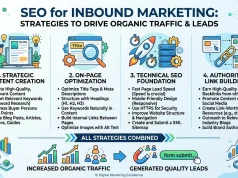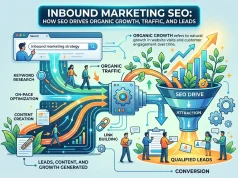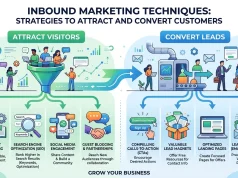

Inbound marketing campaigns attract, engage, and convert customers by delivering valuable content at every stage of the buyer’s journey—rather than interrupting them with outbound tactics.
Businesses that consistently generate high-quality leads don’t do it by accident. They build inbound marketing campaigns that meet potential customers exactly where they are—on search engines, social platforms, and email inboxes—and guide them toward a purchase through trust, relevance, and value.
The shift from push-based advertising to pull-based marketing has changed how brands grow. According to HubSpot’s State of Marketing Report (2023), companies that prioritize inbound marketing campaigns generate 54% more leads than those relying primarily on outbound strategies. That’s not a marginal improvement—it’s transformational.
But building inbound marketing campaigns that genuinely perform requires more than publishing a few blog posts or running a social media account. It demands strategy, consistency, and a deep understanding of your audience’s psychology. What questions are they asking? What problems are keeping them up at night? What kind of content makes them stop scrolling and actually engage?
This guide breaks down everything you need to know—from the foundational stages of inbound marketing campaigns to advanced tactics, real-world examples, and the metrics that matter. By the time you finish reading, you’ll have a clear, actionable roadmap for building inbound marketing campaigns that attract the right people and convert them into loyal customers.
What Are Inbound Marketing Campaigns?
Inbound marketing campaigns are structured, goal-oriented efforts to attract potential customers through content and experiences tailored to their needs and interests. Unlike outbound approaches—cold calls, paid interruption ads, or mass email blasts—inbound marketing campaigns draw people in organically by offering genuine value.
The concept was popularized by HubSpot co-founders Brian Halligan and Dharmesh Shah in 2006, who argued that modern buyers research solutions before speaking to sales teams. Inbound marketing campaigns align with this behavior by creating content that answers real questions, solves real problems, and builds trust over time.
A well-executed inbound marketing campaign typically spans multiple channels—blog content, SEO, social media, email automation, landing pages, and lead magnets—all working together under a unified strategy.
|
Component |
Role in Inbound Marketing Campaigns |
|---|---|
|
Blog content |
Drives organic traffic and educates prospects |
|
SEO |
Ensures content surfaces when buyers search |
|
Lead magnets |
Captures contact information in exchange for value |
|
Email automation |
Nurtures leads through the funnel |
|
Social media |
Amplifies content and builds community |
|
Landing pages |
Converts traffic into actionable leads |
|
Analytics |
Measures performance and guides optimization |
How Do Inbound Marketing Campaigns Differ from Outbound Marketing?

The clearest distinction between inbound and outbound lies in permission. Outbound marketing campaigns push messages toward audiences who haven’t asked for them. Inbound marketing campaigns attract audiences who are already searching for answers.
Consider this: when someone types “best project management software for remote teams” into Google, they’re actively seeking a solution. An inbound marketing campaign positions your brand as the answer to that query—through a well-optimized blog post, comparison guide, or free trial offer. No interruption required.
Outbound marketing can still play a supporting role, but the economics increasingly favor inbound. According to Demand Metric, inbound marketing campaigns cost 62% less per lead than traditional outbound methods while delivering higher-quality prospects who are further along in the decision-making process.
What Are the Core Stages of Inbound Marketing Campaigns?
The anatomy of successful inbound marketing campaigns follows a three-stage model: Attract, Engage, and Delight. HubSpot originally framed this as a funnel and later reframed it as the “Flywheel”—a model that places customer experience at the center of growth.
Attract: Drawing the Right Audience In
The first stage of any inbound marketing campaign focuses on visibility. At this point, potential customers may not know your brand exists. Your goal is to surface in the places they’re already looking.
Tactics at this stage include:
- SEO-optimized blog content targeting informational keywords
- Social media content that educates, entertains, or inspires
- Paid search campaigns amplifying organic reach during early momentum
- Podcast appearances and guest posts to reach new audiences
The key principle here is relevance. Inbound marketing campaigns fail at the attract stage when businesses create content they want to publish rather than content their audience wants to consume.
Engage: Converting Visitors into Leads
Attracting traffic means nothing if visitors leave without taking action. The engage stage of inbound marketing campaigns focuses on converting anonymous visitors into identifiable leads through compelling offers, clear calls-to-action, and frictionless landing pages.
Lead magnets are one of the most effective tools here. An eBook, webinar, free template, or consultation offer gives visitors a reason to exchange their contact details. Once captured, these leads enter nurture sequences—typically email automation workflows—that progressively build trust and move prospects closer to a purchase decision.
Delight: Turning Customers into Advocates
The most overlooked stage of inbound marketing campaigns is what happens after conversion. Customers who feel genuinely supported become repeat buyers—and more importantly, brand advocates who drive referrals.
Delight-focused tactics include onboarding email sequences, loyalty programs, personalized follow-ups, knowledge base content, and proactive customer success outreach. Inbound marketing campaigns that include a structured delight stage consistently outperform those that stop at the point of sale.
How to Create Effective Inbound Marketing Campaigns
Learning how to create effective inbound marketing campaigns starts with understanding your audience at a granular level. Demographic data is a starting point, but psychographic insight—understanding motivations, fears, and decision-making patterns—is what separates average campaigns from exceptional ones.
Follow this step-by-step framework:
Step 1: Define a Clear Campaign Goal
Every inbound marketing campaign should have a singular, measurable objective. Are you trying to increase organic traffic by 30%? Generate 500 new email subscribers? Convert free trial users into paid plans?
Vague goals produce vague results. Set SMART goals—Specific, Measurable, Achievable, Relevant, and Time-bound—before creating a single piece of content.
Step 2: Build Detailed Buyer Personas
A buyer persona is a semi-fictional representation of your ideal customer based on real data. Effective inbound marketing campaigns are built around personas, not assumptions.
Conduct customer interviews, analyze CRM data, review competitor reviews on platforms like G2 or Capterra, and study search query data to understand what your audience truly cares about.
Step 3: Map Content to the Buyer’s Journey
Different content types serve different stages of awareness:
|
Buyer’s Journey Stage |
Content Type |
Example |
|---|---|---|
|
Awareness |
Blog posts, infographics, social content |
“What is inbound marketing?” |
|
Consideration |
Case studies, comparison guides, webinars |
“Inbound vs. outbound marketing” |
|
Decision |
Free trials, demos, testimonials |
“Book a free strategy call” |
Inbound marketing campaigns that map content to each stage dramatically improve conversion rates because each piece of content addresses the prospect’s specific mindset at that moment.
Step 4: Choose Your Channels Strategically
Not every channel is right for every audience. B2B inbound marketing campaigns often perform best on LinkedIn, Google Search, and email. B2C campaigns may find more traction on Instagram, TikTok, or Pinterest. Base channel selection on data, not assumption.
Step 5: Build Your Content Calendar and Production Workflow
Consistency is non-negotiable for inbound marketing campaigns. A sporadic publishing schedule undermines SEO momentum and audience trust. Build a realistic content calendar—one that your team can sustain—and develop a clear production workflow covering ideation, writing, editing, design, and distribution.
Step 6: Set Up Measurement and Reporting
Before launching, define which KPIs you’ll track. Inbound marketing campaigns should be measured across every stage of the funnel, from organic impressions to revenue generated.
Inbound Marketing Campaign Strategies That Drive Results
There is no one-size-fits-all approach to inbound marketing campaign strategies—but several methods consistently outperform others across industries.
Topic Cluster SEO Strategy
Google’s algorithm rewards topical authority. Rather than creating isolated blog posts, the topic cluster model involves building a comprehensive “pillar” page around a broad topic and supporting it with a network of interlinked “cluster” pages covering related subtopics.
Inbound marketing campaigns built around topic clusters generate more organic traffic over time because they signal to search engines that a site is a trusted, authoritative source on a given subject.
Account-Based Inbound Marketing Campaigns
For B2B companies targeting specific enterprise accounts, account-based inbound marketing campaigns combine the personalization of ABM with the organic pull of inbound. This might involve creating custom content assets for specific industries, using LinkedIn thought leadership targeting, or developing personalized email sequences for identified decision-makers.
Video-Led Inbound Campaigns
Video content consumption has risen sharply across all demographics. YouTube, in particular, functions as a powerful search engine—second only to Google in monthly active users. Inbound marketing campaigns that include video tutorials, product walkthroughs, and thought leadership content on YouTube see compounding traffic returns as videos accumulate views over time.
Community-Driven Inbound Marketing Campaigns
Communities—whether Slack groups, LinkedIn groups, Discord servers, or branded forums—create organic, self-sustaining inbound engines. When a brand cultivates a valuable community, members consistently drive new visitors through word-of-mouth, user-generated content, and peer recommendations.
Best Inbound Marketing Campaign Examples from Leading Brands
Studying the best inbound marketing campaign examples reveals consistent patterns: audience clarity, content depth, strategic distribution, and seamless conversion paths.
HubSpot
HubSpot’s own content marketing operation is arguably the most studied inbound marketing campaign example in history. By creating free tools (Website Grader, Email Signature Generator), a comprehensive blog, and an entire certification platform (HubSpot Academy), HubSpot attracts millions of monthly visitors organically. These visitors enter nurture sequences that eventually convert to paid CRM, email marketing, and sales platform customers.
Moz
Moz built its customer base almost entirely through inbound. Their “Whiteboard Friday” video series—weekly 10-minute SEO tutorials hosted by industry experts—became a trusted resource for marketers worldwide. Each video drove traffic, built brand authority, and fed a consistent pipeline of inbound leads into their software funnel.
Canva
Canva’s inbound marketing campaign strategy centers on free tools and educational content. Their free design templates attract millions of users searching for specific visual assets (“Instagram story template,” “resume template”). Once users experience the platform’s value for free, a meaningful percentage convert to paid Canva Pro plans.
These examples share a common thread: each brand invested in creating genuinely useful resources that served their audience before asking for anything in return.
Inbound Marketing Campaigns for Customer Engagement
Generating leads is only half the challenge. Inbound marketing campaigns for customer engagement focus on maintaining an ongoing, two-way relationship with prospects and existing customers that extends far beyond the initial conversion.
Engagement-oriented inbound marketing campaigns often incorporate:
- Personalized email sequences triggered by user behavior (e.g., page visits, content downloads, free trial activity)
- Interactive content such as quizzes, calculators, and assessments that provide immediate, personalized value
- Retargeting campaigns that re-engage visitors who interacted with inbound content but didn’t convert
- Webinars and live Q&A sessions that deepen trust through real-time interaction
- SMS and push notification flows for time-sensitive engagement opportunities
Behavioral personalization is increasingly central to high-performing inbound marketing campaigns. According to McKinsey & Company (2021), 76% of consumers are more likely to purchase from brands that personalize their marketing—and 78% are more likely to repurchase and recommend.
Key Metrics to Measure Your Inbound Marketing Campaigns
Without measurement, inbound marketing campaigns are educated guesses. Rigorous analytics allow you to identify what’s working, cut what isn’t, and double down on the channels and content types delivering the best return.
Traffic and Visibility Metrics
|
Metric |
What It Measures |
|---|---|
|
Organic Sessions |
Volume of search-driven traffic |
|
Keyword Rankings |
SERP position for target keywords |
|
Backlinks Acquired |
Authority signals from external domains |
|
Social Reach |
Content amplification across platforms |
Lead Generation Metrics
|
Metric |
What It Measures |
|---|---|
|
Conversion Rate |
% of visitors who become leads |
|
Cost Per Lead |
Investment required to generate one lead |
|
Lead Quality Score |
Fit between lead profile and ideal customer |
|
Email Opt-in Rate |
Effectiveness of lead magnet offers |
Revenue and ROI Metrics
|
Metric |
What It Measures |
|---|---|
|
Customer Acquisition Cost |
Total cost to acquire one paying customer |
|
Marketing Qualified Leads |
Leads deemed ready for sales outreach |
|
Revenue Attributed to Inbound |
Direct revenue tied to inbound campaigns |
|
Return on Marketing Investment |
Revenue generated per dollar spent |
Regular reporting cadences—weekly for tactical metrics, monthly for strategic performance reviews—keep inbound marketing campaigns accountable and agile.
Successful Inbound Marketing Techniques to Implement Today
Beyond strategy, execution comes down to specific, repeatable techniques. Implementing successful inbound marketing techniques requires both creativity and discipline—but the following practices have proven ROI across industries and company sizes.
Long-Form, Comprehensive Content
Search engines reward depth. A 2,500-word definitive guide consistently outranks a 500-word blog post for competitive keywords because it answers more questions, earns more backlinks, and keeps readers on-page longer. Inbound marketing campaigns built around comprehensive content assets generate stronger long-term results than those relying on shallow, high-volume publishing.
Strategic Internal Linking
Internal links distribute authority across your site, guide visitors deeper into your content ecosystem, and help search engines understand your site architecture. Every new piece of content within your inbound marketing campaigns should link to at least two or three relevant existing pages—and receive links from existing high-traffic pages.
Lead Nurture Email Sequences
Not every lead is ready to buy. Email nurture sequences within inbound marketing campaigns maintain contact with leads through a series of value-driven messages—case studies, educational content, customer success stories—that progressively build confidence and move prospects toward a purchase decision.
According to Forrester Research, companies that excel at lead nurturing generate 50% more sales-ready leads at a 33% lower cost.
Conversion Rate Optimization (CRO)
Inbound marketing campaigns that invest in CRO extract more value from existing traffic without increasing spend. A/B testing landing page headlines, CTA button copy, form length, and page layout can materially increase conversion rates. Even a 1% improvement in conversion rate across a high-traffic page can translate to hundreds of additional leads per month.
Influencer and Co-Marketing Partnerships
Partnering with complementary brands or industry influencers on joint webinars, co-authored content, or email list swaps amplifies the reach of inbound marketing campaigns without requiring significant additional spend. Partnerships introduce your brand to pre-qualified audiences who already trust the co-marketing partner.
Common Mistakes to Avoid in Inbound Marketing Campaigns
Even well-resourced teams make avoidable errors that limit the performance of their inbound marketing campaigns. Understanding these pitfalls is as important as knowing the best practices.
Creating Content for Search Engines Instead of People
Google’s Helpful Content System update (2022) explicitly penalizes content created primarily to rank rather than to genuinely serve readers. Inbound marketing campaigns must prioritize audience value above keyword manipulation.
Neglecting the Bottom of the Funnel
Many inbound marketing campaigns invest heavily in top-of-funnel awareness content while neglecting decision-stage assets—case studies, ROI calculators, testimonials, and comparison guides—that convert warm leads into paying customers.
Inconsistent Publishing
SEO momentum requires consistency. Brands that publish intensively for three months and then go quiet find that their inbound marketing campaigns lose ranking positions, email engagement drops, and audience trust erodes. Build a schedule that’s sustainable long-term.
Ignoring Analytics
Inbound marketing campaigns that aren’t regularly reviewed against performance data continue burning budget on underperforming tactics. Monthly performance reviews are the minimum standard.
Misalignment Between Marketing and Sales
Inbound marketing campaigns generate leads, but sales teams convert them. Without shared definitions (what constitutes a qualified lead?), shared data (CRM integration), and shared feedback loops (what content is prospects referencing?), even high-performing inbound campaigns fail to deliver revenue.
Build Inbound Marketing Campaigns That Compound Over Time

The most powerful characteristic of inbound marketing campaigns is their compounding nature. A well-optimized blog post published today may drive leads three years from now. An email sequence built this quarter will continue nurturing leads automatically for months. A community cultivated through consistent value-giving generates word-of-mouth that no paid campaign can replicate.
Inbound marketing campaigns don’t produce overnight results—but they build durable, scalable growth engines that become increasingly efficient over time. Start with a clear audience, a defined goal, and a commitment to genuine value creation. Then measure, optimize, and repeat.
The brands winning with inbound marketing campaigns aren’t the ones with the biggest budgets. They’re the ones most willing to listen to their audience, answer their questions honestly, and show up consistently with content that makes a real difference.
Conclusion
Inbound marketing campaigns are the most sustainable way to attract, engage, and convert customers at scale. By creating valuable content mapped to the buyer’s journey, optimizing for search and AI visibility, and continuously measuring performance, businesses can build compounding growth engines that deliver long-term ROI. Whether you’re launching your first inbound marketing campaign or refining an established strategy, the fundamentals remain the same: know your audience, serve them well, and let the results speak for themselves. Start with one channel, master it, and expand from there.
Frequently Asked Questions
What is an inbound marketing campaign?
An inbound marketing campaign is a structured effort to attract potential customers by delivering relevant content and experiences tailored to their needs—rather than pushing unsolicited messages. Inbound marketing campaigns typically span SEO, content marketing, email, and social media, all aligned around a specific goal.
How long does it take for inbound marketing campaigns to show results?
Most inbound marketing campaigns take three to six months to generate meaningful organic traffic and lead volume. SEO, in particular, is a long-term investment. Paid amplification and email marketing can accelerate early results, but sustainable inbound growth compounds over 12 to 24 months.
How much do inbound marketing campaigns cost?
Costs vary widely depending on team size, content volume, and tool stack. According to Demand Metric, inbound marketing campaigns cost 62% less per lead than outbound marketing. A lean in-house team can run effective inbound marketing campaigns on $2,000–$5,000 per month in tools and freelance support, while larger enterprise campaigns may invest $30,000 or more monthly.
What types of content work best for inbound marketing campaigns?
The most effective content types for inbound marketing campaigns include SEO blog posts, long-form guides, video tutorials, webinars, case studies, email sequences, and interactive tools like calculators and quizzes. The right mix depends on your audience and industry.
How do I measure the success of inbound marketing campaigns?
Key metrics for inbound marketing campaigns include organic traffic growth, lead conversion rate, cost per lead, marketing qualified leads (MQLs), email open and click rates, and revenue attributed to inbound. Establish baseline measurements before launch and review performance monthly.
What is the difference between inbound and outbound marketing campaigns?
Outbound marketing campaigns push messages to audiences who haven’t requested them (cold calls, display ads, TV commercials). Inbound marketing campaigns attract audiences who are actively searching for solutions, resulting in higher-quality leads and lower cost per acquisition.
Can small businesses run successful inbound marketing campaigns?
Yes. Inbound marketing campaigns are well-suited to small businesses because they prioritize content quality and audience relevance over budget size. A small business with a clear niche and consistent publishing schedule can outperform larger competitors in organic search and lead generation.
What tools are needed to run inbound marketing campaigns?
Essential tools for inbound marketing campaigns include an SEO platform (Ahrefs, SEMrush), a CMS (WordPress, HubSpot), an email marketing platform (Mailchimp, ActiveCampaign), a CRM (HubSpot, Salesforce), and analytics tools (Google Analytics 4, Google Search Console).
How do I align inbound marketing campaigns with my sales team?
Align inbound marketing campaigns with sales by establishing shared definitions for lead qualification, integrating marketing and CRM data, creating regular feedback loops between teams, and developing sales enablement content—case studies, one-pagers, objection-handling guides—based on inbound insights.
What are the most common reasons inbound marketing campaigns fail?
Inbound marketing campaigns most commonly fail due to inconsistent content production, misalignment between content and buyer journey stage, lack of SEO strategy, neglect of bottom-funnel conversion assets, and insufficient measurement and optimization. A clear strategy, consistent execution, and regular performance reviews significantly reduce the risk of campaign underperformance.