Inbound digital marketing is a customer-focused strategy that attracts and converts prospects through valuable content rather than interruptive advertising. By using content marketing, SEO, social media, and email marketing, businesses build trust, generate qualified leads, and create sustainable long-term growth.
Inbound digital marketing is a modern, customer-focused approach that helps businesses attract, engage, and convert customers by providing valuable content instead of interruptive advertising. Rather than relying on cold calls, billboards, or pushy sales tactics, inbound digital marketing focuses on being present when potential customers are actively searching for solutions. By using content marketing, SEO, social media, and email marketing, businesses can build trust, nurture relationships, and create sustainable long-term growth. This guide explains the fundamentals, strategy, and best practices beginners need to successfully implement inbound digital marketing.
What is Inbound Digital Marketing? A Beginner’s Guide to Growing Your Business
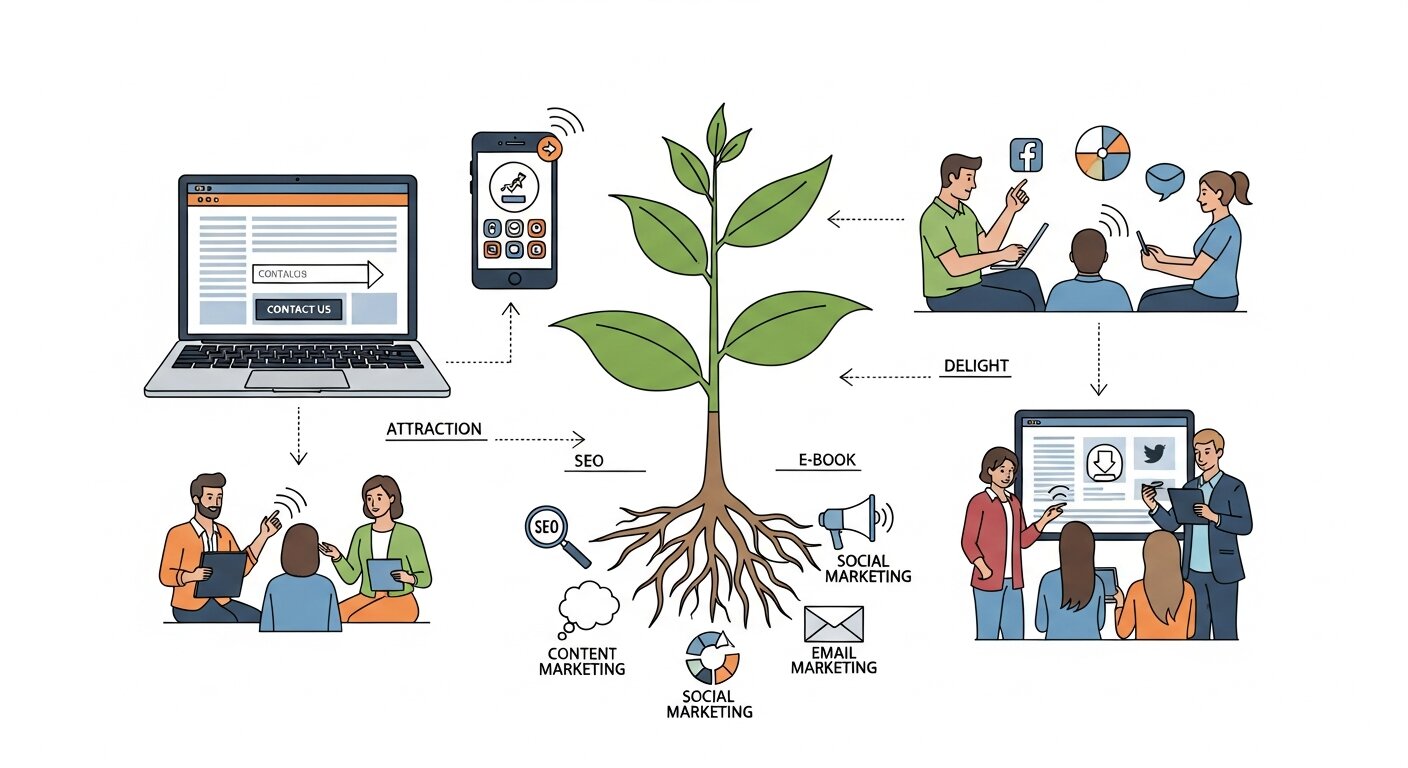
Inbound digital marketing transforms how businesses attract, engage, and convert customers by creating value-driven content that naturally draws people in, building trust and loyalty while generating sustainable growth through strategic online channels.
Businesses face a critical challenge: how do you reach potential customers without interrupting their day? Traditional advertising methods—cold calls, billboards, and pushy sales tactics—are losing effectiveness. Consumers have learned to tune out these intrusions. They want information on their terms, solutions that feel personal, and brands that earn their attention rather than demand it.
This shift has given rise to inbound digital marketing, a methodology that flips the traditional marketing approach on its head. Instead of pushing messages to a broad audience hoping something sticks, inbound digital marketing focuses on creating valuable experiences that pull customers toward your business naturally. It’s about being present when customers are searching for solutions, providing helpful content that addresses their pain points, and building relationships that extend far beyond a single transaction.
For business owners, marketers, and entrepreneurs just starting their digital journey, understanding inbound digital marketing isn’t optional—it’s essential. This guide will walk you through the fundamentals of this powerful approach, explain why it matters for modern businesses, and show you practical steps to implement it effectively.
Understanding Inbound Digital Marketing
Inbound digital marketing is a customer-centric approach that attracts prospects through relevant and helpful content, adding value at every stage of the buyer’s journey. Rather than buying ads or cold-calling prospects, you create content designed to address the problems and needs of your ideal customers, drawing qualified leads to your business.
The methodology rests on four key stages: attract, convert, close, and delight. Each stage requires specific strategies and tactics that work together to create a cohesive customer experience.
During the attract phase, you draw in the right people with valuable content and conversations that establish you as a trusted advisor. The convert phase transforms visitors into leads through high-converting landing pages by gathering their contact information in exchange for offers they find valuable. In the close phase, you nurture these leads into customers through targeted communication and marketing and sales alignment strategies. Finally, the delight phase ensures customers become promoters of your brand through exceptional experiences and continued engagement.
What sets inbound digital marketing apart is its foundation in permission and value. You’re not interrupting someone’s favorite TV show with a commercial or filling their mailbox with postcards they didn’t request. Instead, you’re creating content they actively seek out, sharing insights they want to consume, and building relationships they choose to continue.
Core Components of Inbound Digital Marketing
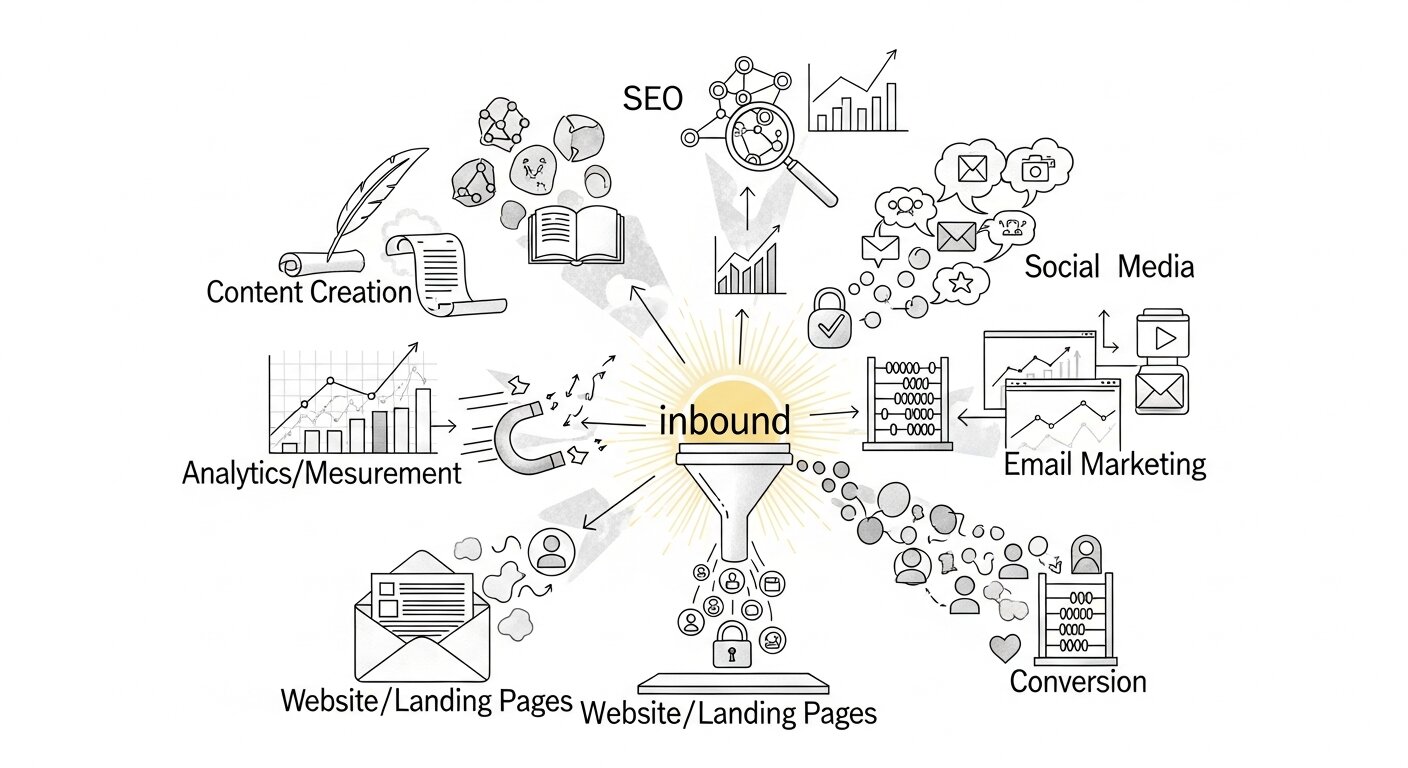
Content Marketing
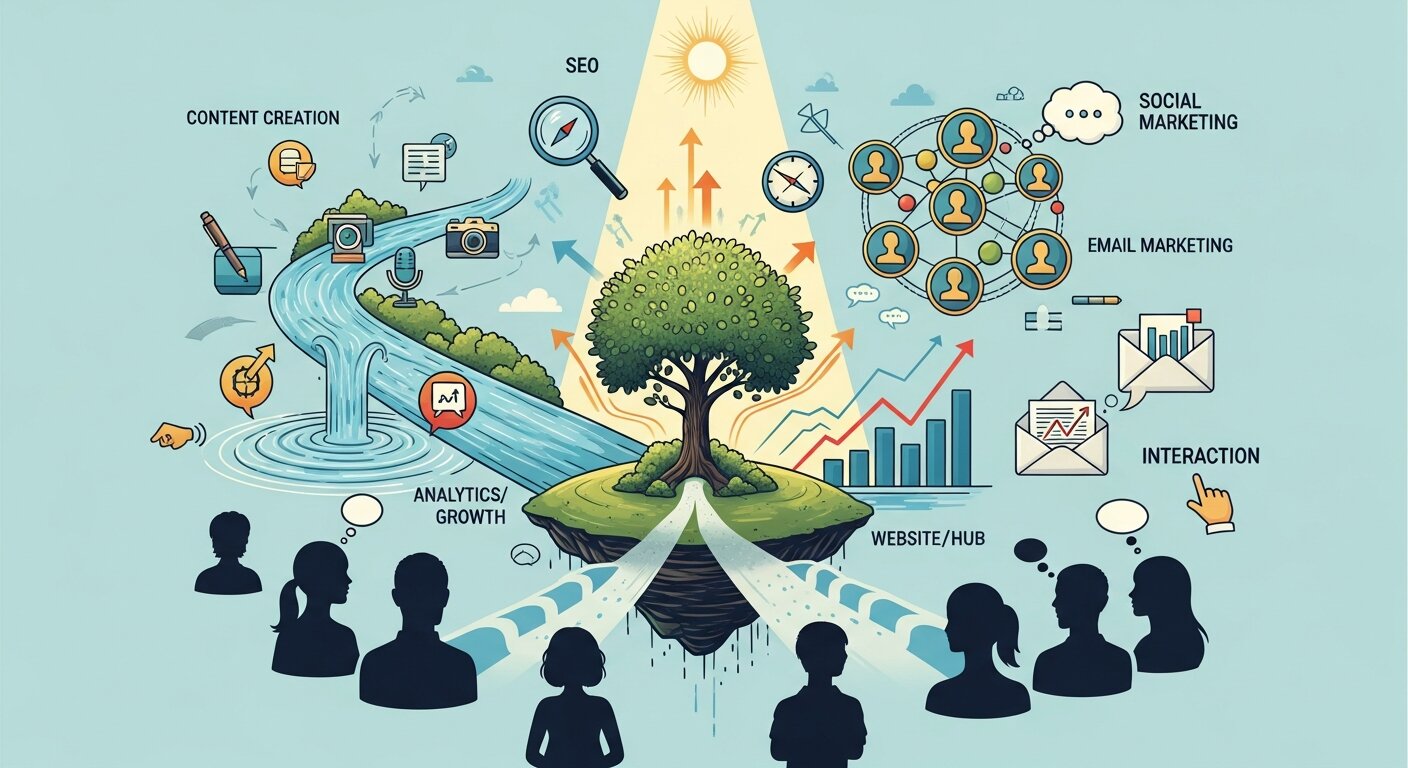
Content marketing serves as the engine of inbound digital marketing. It encompasses blog posts, videos, podcasts, infographics, ebooks, and other formats within a strong content marketing strategy that delivers information your audience finds useful. Quality content addresses specific questions, solves particular problems, or entertains in ways that align with your brand values.
Effective content marketing requires deep audience research and buyer persona development. What challenges keep them awake at night? What goals are they trying to achieve? What information would make their jobs easier or their lives better? Answering these questions through well-researched, expertly written content positions your business as a trusted industry resource.
Search Engine Optimization
Search engine optimization ensures your valuable content actually reaches the people who need it. When someone searches for information related to your business, you want to appear prominently in their results. This visibility comes from optimizing your website structure, following on-page SEO best practices, earning backlinks from reputable sites, and improving overall technical SEO performance.
SEO isn’t about gaming the system. Modern algorithms reward genuine value and punish manipulative tactics. Focus on comprehensive content, fast-loading pages, mobile responsiveness, and clear navigation to support long-term visibility.
Social Media Marketing
Social media platforms offer powerful channels for distributing content, engaging with audiences, and building community around your brand. Each platform serves different purposes and attracts distinct demographics, so choose channels aligned with your audience behavior.
Social media engagement strategies matter for inbound marketing because they provide direct access to real-time conversations. You can answer questions, address concerns, share timely content, and humanize your brand through authentic interactions. Consistency builds stronger relationships than sporadic posting.
Email Marketing
Email remains one of the highest-ROI channels available. It allows direct communication with people who have explicitly expressed interest in your business. Through segmented lists and personalized messaging, supported by email marketing automation tools, you can deliver relevant content that moves subscribers through the buyer’s journey.
Successful email marketing balances promotional content with value-driven insights. Share industry knowledge, how-to guides, company updates, and exclusive offers in ways that keep subscribers engaged without overwhelming their inboxes.
Why Inbound Marketing is Important for Modern Businesses
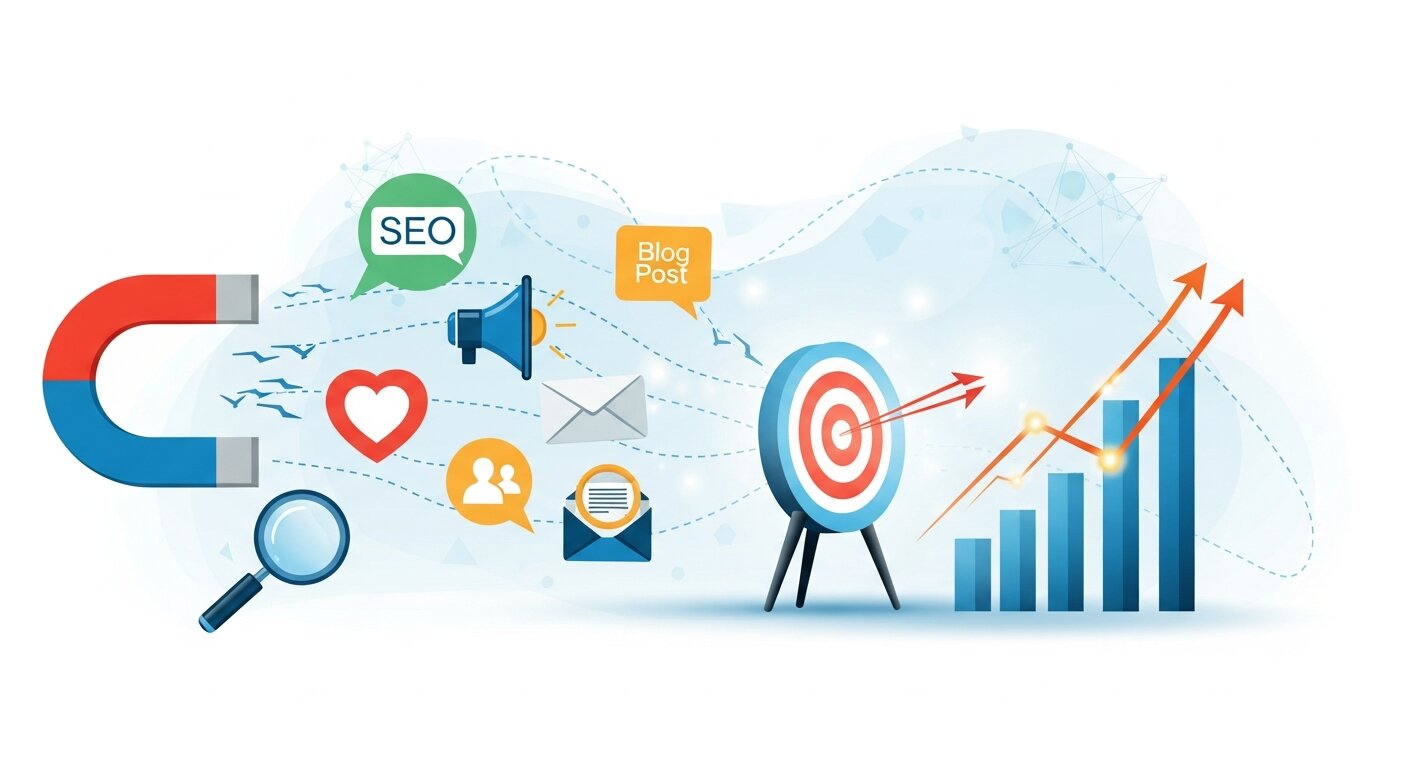
Consumer behavior has fundamentally changed. Buyers now research extensively before making decisions—reading reviews, comparing options, and trusting expert content over traditional ads. Inbound Marketing is Important for Modern Businesses because it aligns with this shift, providing valuable information when prospects are actively searching for solutions.
By meeting customers during their research phase, you build credibility and trust before any sales conversation begins. It’s especially effective for products or services that require education and consideration.
Inbound digital marketing is also cost-efficient. Unlike traditional advertising that demands ongoing spending, quality content continues generating traffic and leads over time. With clear tracking and performance data, businesses can measure results, optimize strategies, and continuously improve ROI.
Developing Your Inbound Digital Marketing Strategy

Define Your Buyer Personas
Effective inbound digital marketing starts with knowing exactly who you’re trying to reach. Buyer personas are semi-fictional representations of your ideal customers based on market research and real data about your existing customers. They include demographic information, behavior patterns, motivations, and goals.
Create detailed personas that go beyond basic demographics. What does a typical day look like for them? What challenges do they face? What objections might they have to your product or service? How do they prefer to consume information? The more specific your personas, the more targeted and effective your content becomes.
Map the Buyer’s Journey
Your prospects move through predictable stages as they progress from awareness to consideration to decision. Map your content to these stages, ensuring you have resources available for each phase.
Awareness-stage content addresses broad problems and questions, introducing your brand as a helpful resource. Consideration-stage content compares different approaches to solving the problem, positioning your solution favorably. Decision-stage content addresses specific concerns about choosing your product or service, removing barriers to purchase.
Create a Content Calendar
Consistency drives results in inbound digital marketing. A content calendar ensures you maintain regular publishing schedules across all channels. Plan themes, topics, formats, and distribution channels in advance, but remain flexible enough to address timely opportunities or respond to industry developments.
Balance evergreen content that remains relevant over time with timely pieces that address current trends or events. Repurpose strong content across multiple formats—turn a comprehensive blog post into a video, infographic, podcast episode, and social media series to maximize its value.
Implement Marketing Automation
Marketing automation tools streamline repetitive tasks, allowing your team to focus on strategy and creativity. Automated email sequences nurture leads based on their behaviors and interests. Workflows can assign leads to sales representatives when they meet specific criteria. Social media scheduling tools maintain consistent presence without manual posting.
Start simple with automation, adding complexity as you master basics. A welcome email sequence for new subscribers provides immediate value. Lead scoring helps prioritize sales outreach. Automated reporting keeps stakeholders informed without manual data compilation.
Measuring Inbound Digital Marketing Success
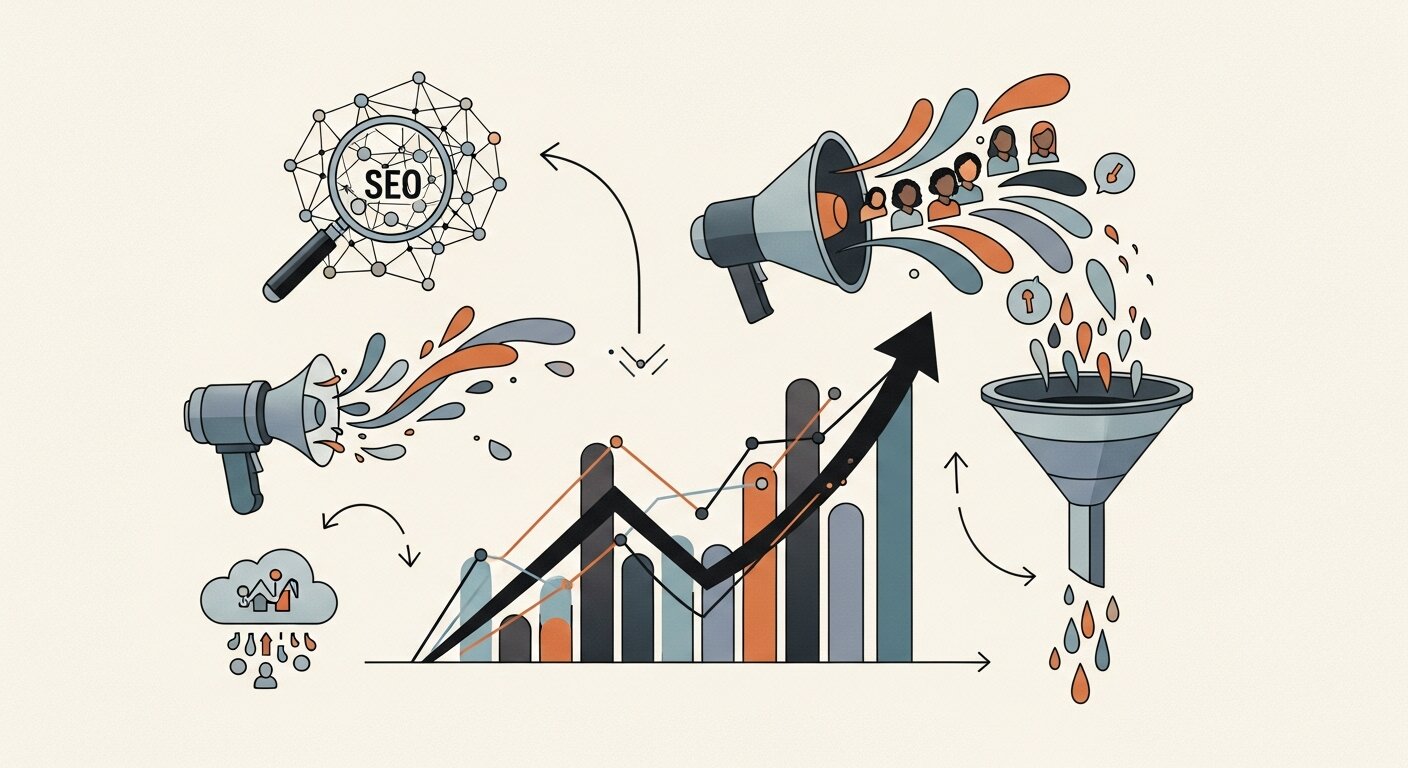
Key Performance Indicators
Track metrics that matter to your business objectives. Website traffic indicates reach, but qualified traffic matters more than raw numbers. Conversion rates show how effectively you turn visitors into leads and leads into customers. Customer acquisition cost reveals the efficiency of your efforts. Customer lifetime value demonstrates long-term impact.
Monitor engagement metrics like time on page, bounce rate, and pages per session to gauge content quality. Track email open rates, click-through rates, and unsubscribe rates to refine your email marketing. Social media metrics like engagement rate and share of voice indicate brand health and audience connection.
Attribution Modeling
Understanding which touchpoints contribute to conversions allows smarter resource allocation. First-touch attribution credits the initial interaction that brought someone to your business. Last-touch attribution credits the final interaction before conversion. Multi-touch models distribute credit across all touchpoints, providing a more complete picture of the customer journey.
Most businesses benefit from multi-touch attribution as it recognizes that inbound digital marketing works through accumulated touchpoints rather than single interactions. Someone might discover your blog through search, return through social media, subscribe to your email list, and convert after receiving a targeted email campaign. Each touchpoint played a role in that conversion.
Continuous Optimization
Use data to guide improvements rather than guesswork. A/B test email subject lines, landing page headlines, call-to-action buttons, and content formats. Analyze which blog topics generate the most engagement and create more content in those areas. Study paths successful customers took and optimize those journeys for future prospects.
Set regular review cycles—monthly for tactical adjustments, quarterly for strategic shifts. Compare performance against benchmarks and goals, celebrating wins while honestly assessing shortfalls. Inbound digital marketing rewards patience and persistence, with results typically compounding over time rather than appearing overnight.
Special Considerations for Different Industries
Inbound Marketing for Regulated Industries presents unique challenges for businesses in healthcare, finance, legal services, and other compliance-heavy sectors. Strict regulations limit what you can claim, how you communicate, and what customer data you collect. Privacy laws like HIPAA and GDPR require careful data handling and consent management.
However, these restrictions don’t make inbound digital marketing impossible—they make strategy more important. Focus on educational, value-driven content that informs without violating compliance rules. Implement strong consent processes, secure data practices, and clear content approval workflows with your compliance team.
Because many regulated industries lack high-quality educational content, businesses that invest in compliant inbound strategies can stand out. By answering common questions and providing trustworthy information, you build credibility while maintaining legal standards.
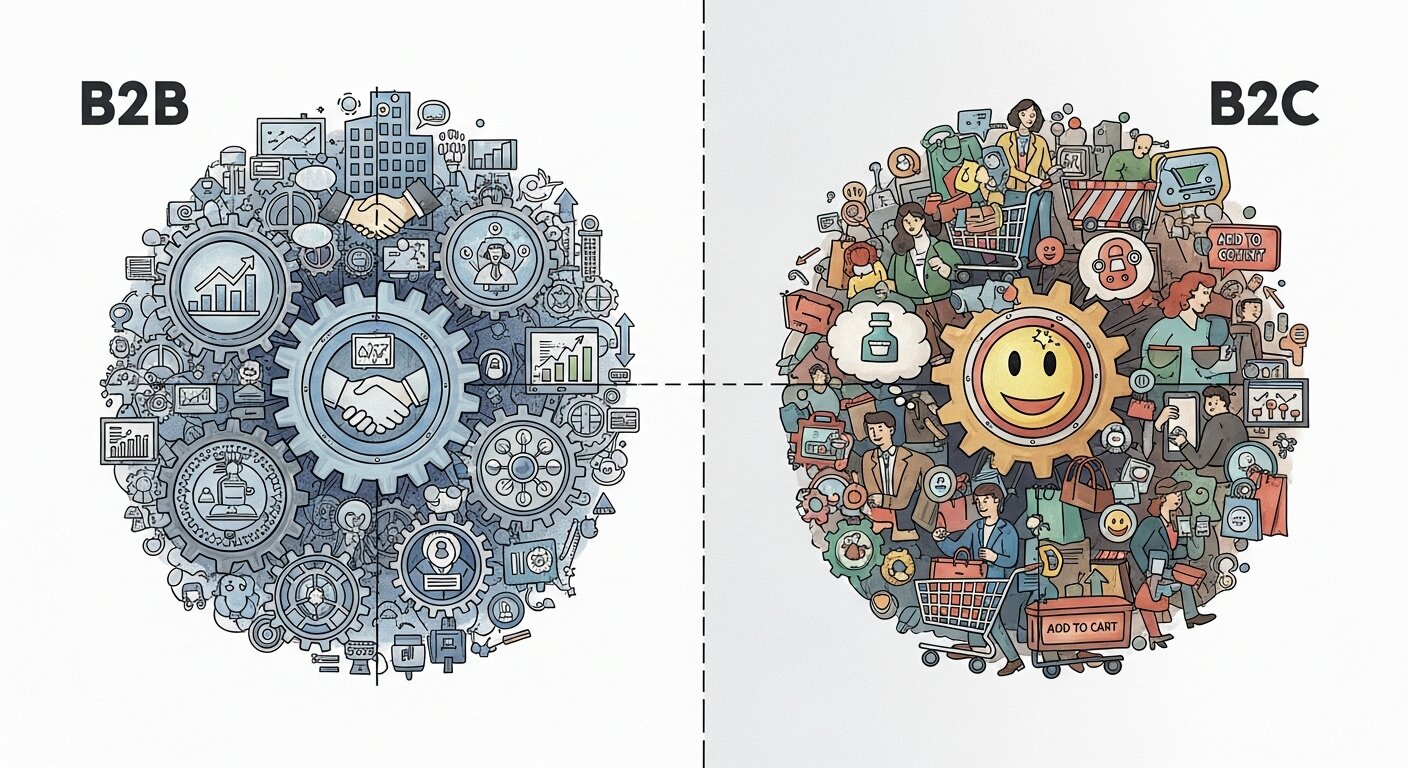
B2B vs. B2C Approaches
Inbound digital marketing represents a fundamental shift from interruption-based advertising to value-driven customer attraction. By creating helpful content, optimizing for search visibility, engaging authentically on social platforms, and nurturing relationships through email, businesses build sustainable growth engines that compound over time. Success requires understanding your audience deeply, providing genuine value consistently, and measuring results continuously. While results take time to materialize, businesses that commit to inbound digital marketing develop competitive advantages that traditional advertising cannot replicate—trust, authority, and loyal customer relationships that drive long-term profitability.
Frequently Asked Questions
What is inbound digital marketing?
Inbound digital marketing is a customer-centric methodology that attracts prospects through valuable content and experiences tailored to their needs, rather than interrupting them with traditional advertising.
How long does inbound digital marketing take to show results?
Most businesses see initial results within three to six months, with significant traction typically appearing after 12 months of consistent effort as content libraries grow and compound.
What’s the difference between inbound and outbound marketing?
Inbound marketing attracts customers through valuable content they seek out, while outbound marketing pushes messages to audiences through advertising, cold calls, and direct mail.
How much does inbound digital marketing cost?
Costs vary widely based on whether you handle efforts in-house or hire agencies, ranging from minimal tool expenses to tens of thousands monthly for comprehensive programs.
What tools do I need for inbound digital marketing?
Essential tools include a content management system, email marketing platform, analytics software, and social media management tools. Advanced needs may include marketing automation and CRM systems.
Can small businesses use inbound digital marketing effectively?
Small businesses often excel at inbound digital marketing because they can create authentic, niche-focused content that resonates deeply with specific audiences without requiring massive budgets.
How do I measure inbound digital marketing ROI?
Calculate ROI by comparing the cost of your inbound digital marketing efforts against the revenue generated from customers acquired through those channels, tracking full customer lifetime value.
What type of content works best for inbound digital marketing?
The most effective content addresses specific questions your audience asks, provides actionable solutions to their problems, and matches their preferred consumption formats and channels.
How often should I publish new content?
Consistency matters more than frequency. Whether you publish daily or weekly, maintain a regular schedule your audience can rely on while ensuring quality remains high.
Do I need to be on every social media platform?
Focus on platforms where your target audience actively engages rather than spreading resources thin across every channel. Quality presence on two platforms beats mediocre presence on six.
How does inbound digital marketing support sales teams?
Inbound digital marketing educates prospects before sales conversations, shortening cycles and improving close rates by delivering leads who already understand your value proposition and trust your expertise.
Can inbound digital marketing work for offline businesses?
Absolutely. Local businesses use inbound digital marketing to attract nearby customers through local SEO, location-specific content, and community engagement that drives foot traffic to physical locations.