Inbound Marketing Attribution turns data into actionable insights, helping marketers understand the true impact of every touchpoint. By selecting the right models, tracking effectively, and analyzing performance regularly, businesses can optimize campaigns and improve ROI. Over time, it enables smarter decisions, better resource allocation, and a clearer view of the customer journey.
Inbound Marketing Attribution can seem complex at first, particularly because digital marketing today spans a wide variety of channels and touchpoints. From email campaigns and social media engagement to search advertising, content marketing, and webinars, prospects interact with your brand in multiple ways before making a purchase or conversion decision. Many marketers struggle to determine which of these interactions truly influence conversions and how to allocate their marketing resources effectively.
Without a structured approach, it’s easy to misinterpret data, over-invest in certain channels, or overlook the strategies that are actually driving results. By understanding the underlying principles of attribution modeling and applying best practices, businesses can gain actionable insights into customer behavior, optimize marketing strategies, and ultimately improve campaign performance and ROI.
This section of frequently asked questions addresses the most common concerns about implementing and optimizing Inbound Marketing Attribution. It covers everything from selecting the right attribution model, integrating tracking technologies, and analyzing data, to overcoming challenges such as cross-device tracking and privacy limitations. Whether you are just beginning your attribution journey or looking to refine an existing strategy, these FAQs provide guidance to help you maximize the impact of your inbound marketing efforts.
What Is Attribution Modeling?
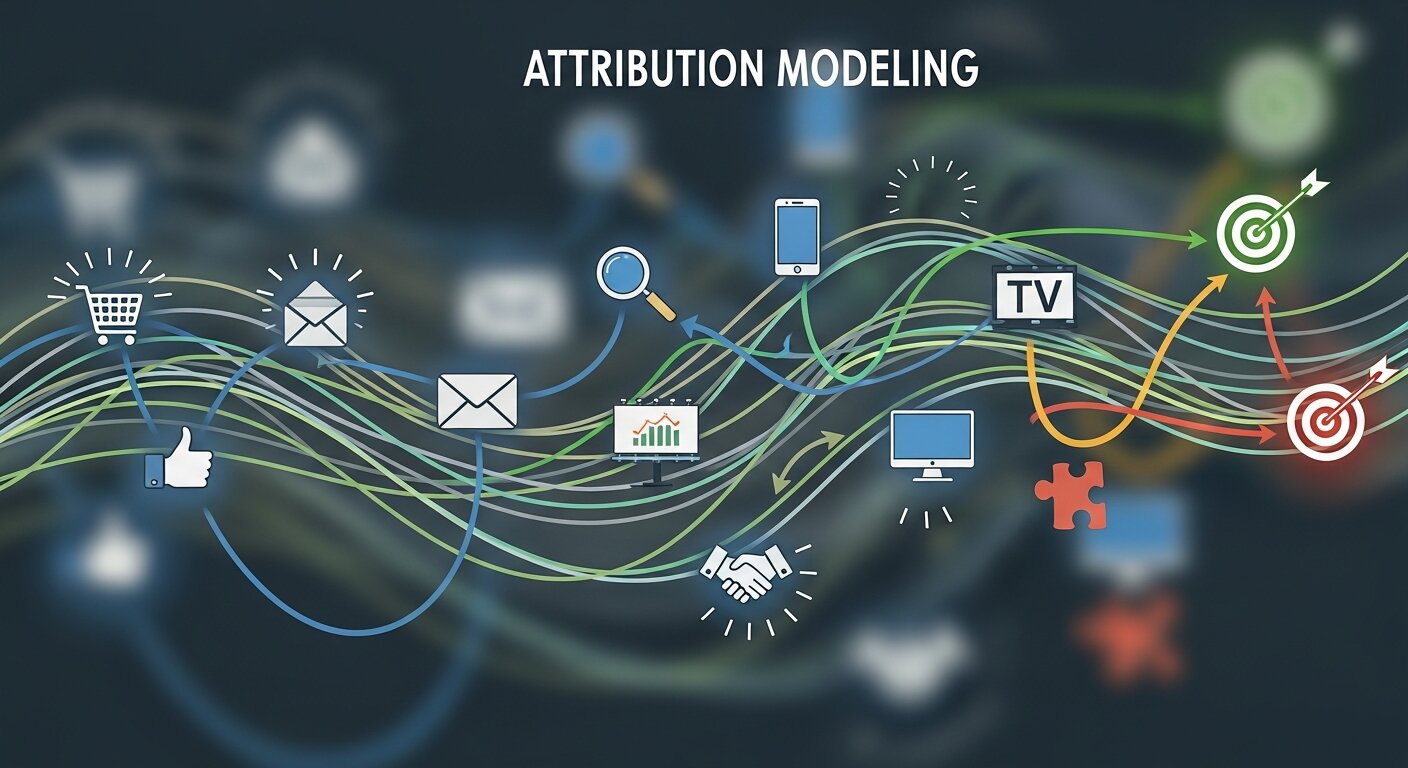
Attribution modeling is the framework that helps marketers determine which touchpoints along the customer journey deserve credit for conversions. In the world of digital marketing, understanding which interactions drive results is crucial, and this is where Inbound Marketing Attribution comes into play.
Think of it as solving a mystery. Your customer converted—great! But which of your marketing efforts actually influenced that decision? Was it the blog post they read three weeks ago? The email newsletter they opened yesterday? Or perhaps the social media ad they clicked just before purchasing? Inbound Marketing Attribution allows you to assign credit accurately and uncover the true impact of every marketing touchpoint.
Why Attribution Modeling Matters for Inbound Marketing
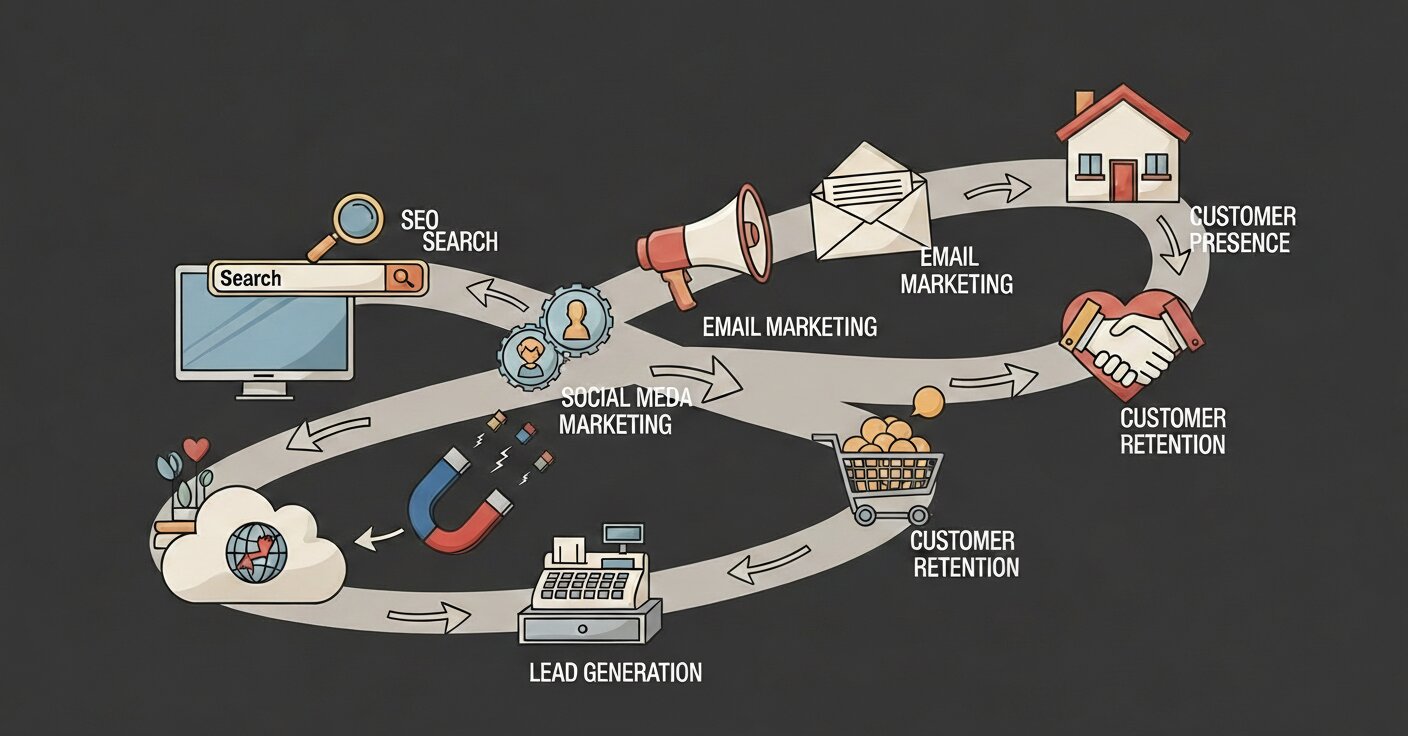
Inbound marketing typically involves multiple touchpoints across channels like email marketing, social media marketing,search, and content marketing. A prospect might discover your brand through several interactions before making a decision. Without proper attribution, you’re essentially flying blind—spending resources on channels that may not actually drive conversions. Implementing Inbound Marketing Attribution gives marketers the ability to:
- Allocate marketing budgets more effectively based on actual performance
- Identify which content types drive the most value at each stage of the journey
- Understand the customer journeyin granular detail
- Optimize campaigns for better ROI and long-term growth
By using Inbound Marketing Attribution, marketers gain actionable insights that turn guesswork into informed strategy. This not only improves campaign effectiveness but also strengthens the connection between marketing efforts and measurable business outcomes.
Common Attribution Models Explained
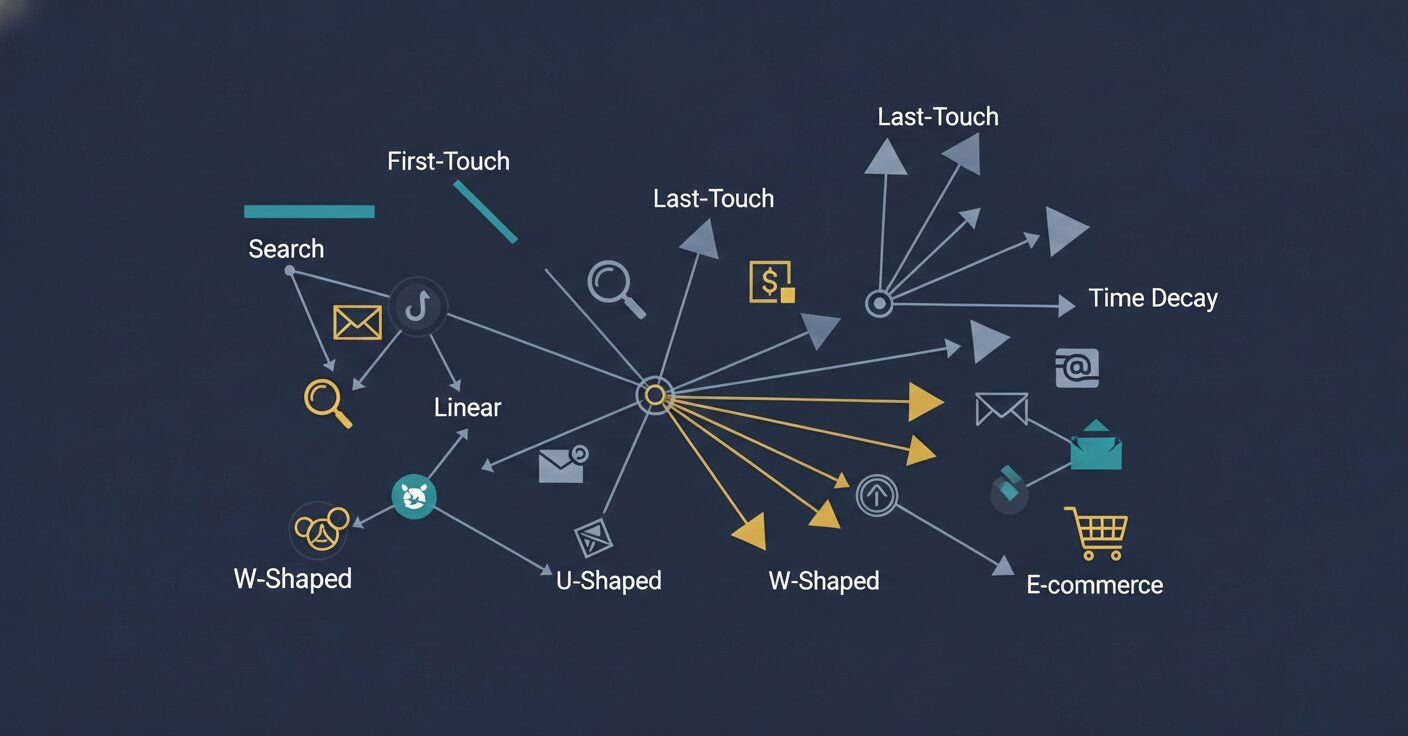
Different attribution models distribute conversion credit in unique ways, each suited to different business goals. Understanding these models is key to implementing Inbound Marketing Attribution successfully:
First-Touch Attribution
This model gives 100% of the credit to the first interaction a prospect has with your brand. It’s useful for identifying which channels are most effective at introducing new prospects. However, it ignores all subsequent touchpoints, which may have played a crucial role in driving the final conversion. Learn more aboutfirst-touch attribution for marketing insights.
Last-Touch Attribution
The opposite of first-touch, last-touch attribution assigns all credit to the final interaction before conversion. While simple and easy to implement, it overlooks the early and middle stages of the buyer’s journey, missing opportunities to understand Inbound Marketing Attribution holistically. For strategies on implementing this model, check this last-touch guide.
Linear Attribution
Linear attribution distributes credit equally across all touchpoints. This model acknowledges every interaction in the customer journey but does not differentiate between more and less influential touchpoints. It’s often a solid starting point for teams new to Inbound Marketing Attribution. Explore more on linear attribution strategies.
Time-Decay Attribution
Time-decay attribution gives more credit to touchpoints closer to the conversion and less to earlier ones. This approach recognizes that recent interactions often have the strongest influence on a customer’s decision, adding a temporal perspective to Inbound Marketing Attribution. Learn how time-decay models work for campaigns.
Position-Based (U-Shaped) Attribution
This model typically assigns 40% credit to both the first and last interactions, with the remaining 20% distributed among middle touchpoints. It highlights the importance of both the discovery and decision-making moments, making it ideal for evaluating long-term campaigns through Inbound Marketing Attribution. Read about position-based attribution for more details.
Data-Driven Attribution
Data-driven attribution uses machine learning algorithms to analyze your specific data and determine the actual contribution of each touchpoint. This advanced model is the most accurate form of Inbound Marketing Attribution, providing detailed insights that allow marketers to optimize strategies with precision. Learn more about data-driven attribution.
In conclusion, mastering attribution modeling is critical for any inbound marketing strategy. By leveraging Inbound Marketing Attribution, businesses can understand which channels and content truly drive conversions, improve ROI, and build a smarter, data-informed marketing approach. Each model offers unique insights, and choosing the right one depends on your specific goals, customer journey, and available data.
Implementing Attribution Modeling for Your Inbound Strategy
Ready to implement attribution modeling for your inbound marketing efforts? Getting started with Inbound Marketing Attribution may seem complex, but breaking it down step by step ensures you capture the full value of every marketing touchpoint.
Define Your Conversion Goals
Before selecting an attribution model, clearly define what counts as a conversion for your business. Is it purchases, newsletter sign-ups, demo requests, form submissions, or some combination? Having well-defined conversion goals is essential for accurate Inbound Marketing Attribution, as it ensures that the data you collect is meaningful and tied directly to business outcomes.
Map Your Customer Journey
Document all potential touchpoints across your inbound marketing channels. This includes blog articles, social media posts, email campaigns, webinars, landing pages, and other initiatives. Mapping the journey allows you to see where prospects engage, which is critical for effective Inbound Marketing Attribution. Without a comprehensive view of the customer journey, even the most sophisticated attribution models will give incomplete insights. For more guidance, check out customer journey mapping techniques.
Select the Right Model (or Models)
No single attribution model fits every scenario. Many marketers use multiple models to gain different perspectives on their data. Choosing the right combination is a central part of implementing Inbound Marketing Attribution successfully. Learn about choosing the right attribution model.
Implement Tracking Technology
Ensure your analytics setup can capture interactions across all touchpoints. This may involve setting up UTM parameters, using cookie tracking, or leveraging more advanced tracking platforms that integrate with your CRM. Accurate tracking is the backbone of Inbound Marketing Attribution, as unreliable data can lead to incorrect conclusions about which efforts are driving results. Explore analytics and tracking tools to support implementation.
Analyze and Optimize
Once your attribution system is in place, regularly review the data to understand channel performance, content effectiveness, and overall campaign impact. This ongoing optimization is where Inbound Marketing Attribution delivers its most tangible value, helping marketers make smarter budget and content decisions.
Challenges in Attribution Modeling
While attribution modeling provides powerful insights, it comes with several challenges:
- Cross-device tracking can be difficult, as customers often switch between phones, tablets, and desktops. Proper Inbound Marketing Attribution requires strategies to link interactions across devices.
- Privacy regulations and cookie restrictions reduce the ability to track user behavior, making it harder to assign credit accurately.
- Offline interactions, such as in-store visits or phone calls, can influence conversions but are challenging to integrate into digital attribution models.
Moving Beyond Last-Click Attribution
Many businesses default to last-click attribution because it’s simple to implement. However, relying solely on last-click attribution often obscures the true value of upper-funnel activities such as content marketing and social media engagement. By adopting more sophisticated attribution models, you gain a complete view of how your inbound channels work together. Advanced approaches to Inbound Marketing Attribution allow you to recognize contributions across all touchpoints, enabling better decision-making, higher ROI, and improved campaign performance.
Final Thoughts
Attribution modeling isn’t just about assigning credit for conversions—it’s about gaining a deep understanding of your customer’s journey and using that knowledge to optimize your marketing efforts. Effective Inbound Marketing Attribution provides insights into which channels, campaigns, and content pieces are truly driving engagement and conversions, rather than relying on assumptions or incomplete data.
As you implement attribution models, it’s important to recognize that no single approach is perfect. Each model—whether first-touch, last-touch, linear, time-decay, or data-driven—offers a different perspective on your marketing performance. By comparing results from multiple models, you can identify patterns, uncover hidden opportunities, and refine your strategies. This multi-model approach is at the heart of advanced Inbound Marketing Attribution, allowing you to understand not just which touchpoints contribute, but how they work together across the customer journey.
Start simple by choosing one or two models to implement first, but don’t hesitate to evolve your strategy as your inbound marketing program grows. As your campaigns become more complex, integrating sophisticated tracking tools and machine learning approaches will enhance your Inbound Marketing Attribution, giving you a more accurate and holistic view of marketing effectiveness.
Remember that Inbound Marketing Attribution is not a one-time setup; it requires continuous monitoring, analysis, and optimization. Regularly reviewing your data allows you to adjust budget allocation, optimize high-performing channels, and even re-evaluate underperforming tactics. Over time, the insights gained from Inbound Marketing Attribution help you make informed decisions that maximize ROI and improve overall campaign performance.
Additionally, Inbound Marketing Attribution helps build alignment between marketing and sales teams by clearly showing which efforts drive conversions and revenue. When stakeholders see the full picture, it’s easier to justify marketing investments and prioritize strategies that have a measurable impact.
Ultimately, the goal of Inbound Marketing Attribution is to create a feedback loop where data informs strategy, and strategy is continuously refined based on measurable results. By approaching attribution thoughtfully and iteratively, your organization can turn complex data into actionable insights, improve decision-making, and enhance the overall effectiveness of your inbound marketing initiatives.
Frequently Asked Questions
What is Inbound Marketing Attribution?
Inbound Marketing Attribution is the process of identifying and assigning credit to the various marketing touchpoints that lead to a conversion. It helps marketers understand which campaigns, channels, or content pieces contribute most effectively to the customer journey.
Why is Inbound Marketing Attribution important?
It allows businesses to allocate budgets efficiently, optimize campaigns, and make data-driven decisions. Without attribution, marketers risk investing in channels that appear effective but may not actually drive conversions.
What are the common types of attribution models?
The most common models include first-touch, last-touch, linear, time-decay, position-based (U-shaped), and data-driven attribution. Each model provides a different perspective on how marketing interactions contribute to conversions.
Which attribution model is best for my business?
There is no one-size-fits-all model. Many marketers use multiple models to gain varied insights. For example, first-touch helps identify top-of-funnel channels, while data-driven models reveal precise contributions across all touchpoints.
How do I track all touchpoints effectively?
Implementing UTM parameters, cookie tracking, CRM integration, and analytics platforms is key. Proper tracking ensures accurate data collection, which is essential for effective Inbound Marketing Attribution.
Can Inbound Marketing Attribution measure offline interactions?
While digital touchpoints are easier to track, offline interactions like in-store visits, phone calls, or events can also influence conversions. These often require integrated tools or manual data inputs to include them in your attribution strategy.
How often should I review attribution data?
Regularly reviewing attribution data—monthly or quarterly—helps identify trends, adjust budgets, and optimize campaigns. Continuous analysis ensures your marketing strategy stays aligned with actual customer behavior.
What are the main challenges of Inbound Marketing Attribution?
Key challenges include cross-device tracking, privacy restrictions (cookies and regulations), and integrating offline touchpoints. Proper planning and advanced tracking solutions can mitigate these challenges.
Can attribution improve ROI?
Yes. By understanding which channels and content drive conversions, marketers can invest in high-performing touchpoints, reduce wasted spend, and improve overall campaign ROI using Inbound Marketing Attribution.
How do I start implementing Inbound Marketing Attribution?
Begin by defining your conversion goals, mapping the customer journey, selecting appropriate models, implementing tracking, and regularly analyzing results. Start simple and evolve your approach as your marketing program matures.