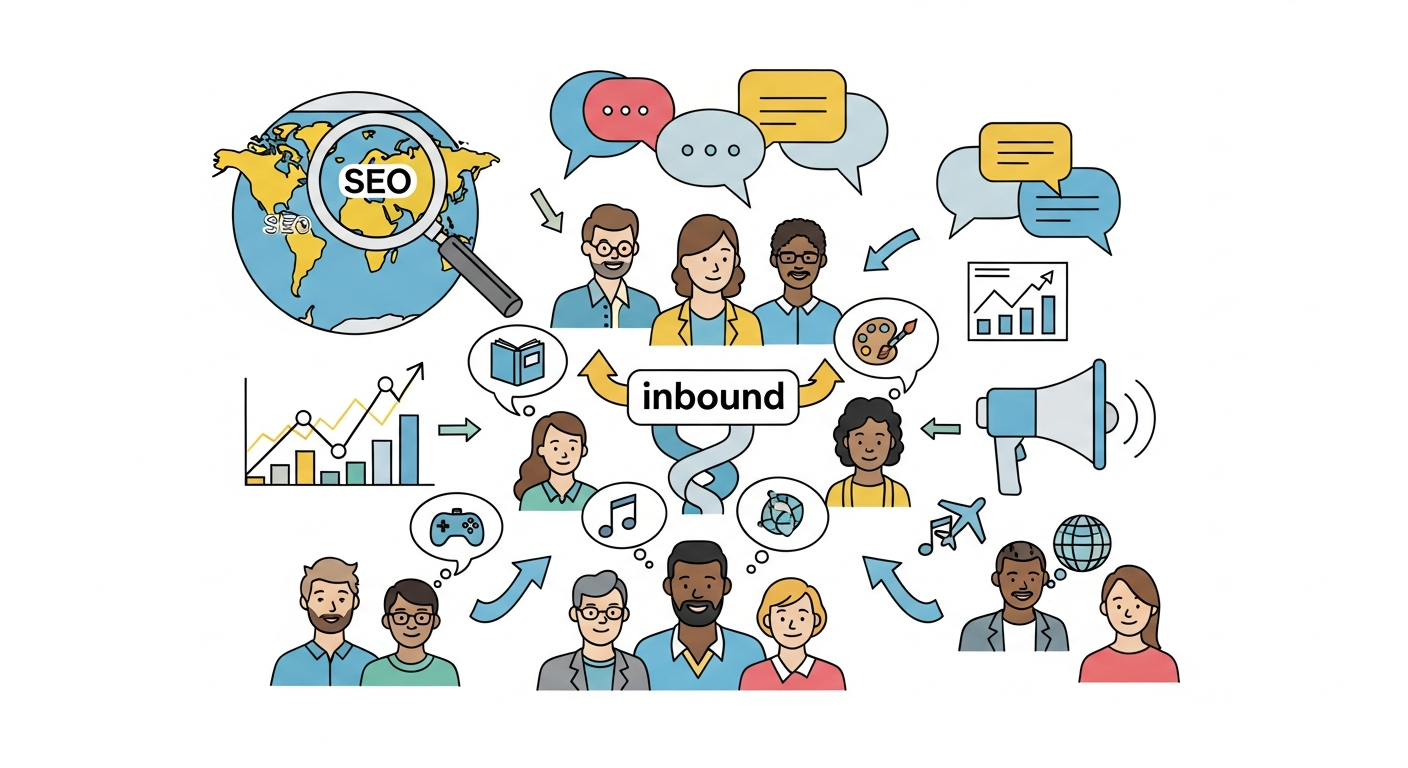
Inclusive Inbound Marketing is a long-term commitment to empathy, representation, and accessibility. It strengthens brand trust by reflecting real human diversity across every stage of the marketing journey. When inclusion becomes embedded in strategy and culture, businesses build deeper relationships that drive sustainable growth.
As audience expectations evolve, brands can no longer rely on generic messaging or surface-level representation. Today’s consumers want to feel understood, respected, and genuinely valued. Inclusive Inbound Marketing responds to this shift by combining empathy, research, accessibility, and cultural intelligence into a cohesive strategy. It moves beyond performative gestures and instead builds meaningful connections rooted in trust.
Rather than treating inclusion as a campaign theme, this approach integrates inclusive thinking into audience research, content creation, design, measurement, and team structure. The goal is simple but powerful: create marketing experiences that reflect the full diversity of human identities, abilities, cultures, ages, and economic realities. Below are answers to common questions that help clarify how this strategy works in practice.
Understanding Your Diverse Audience
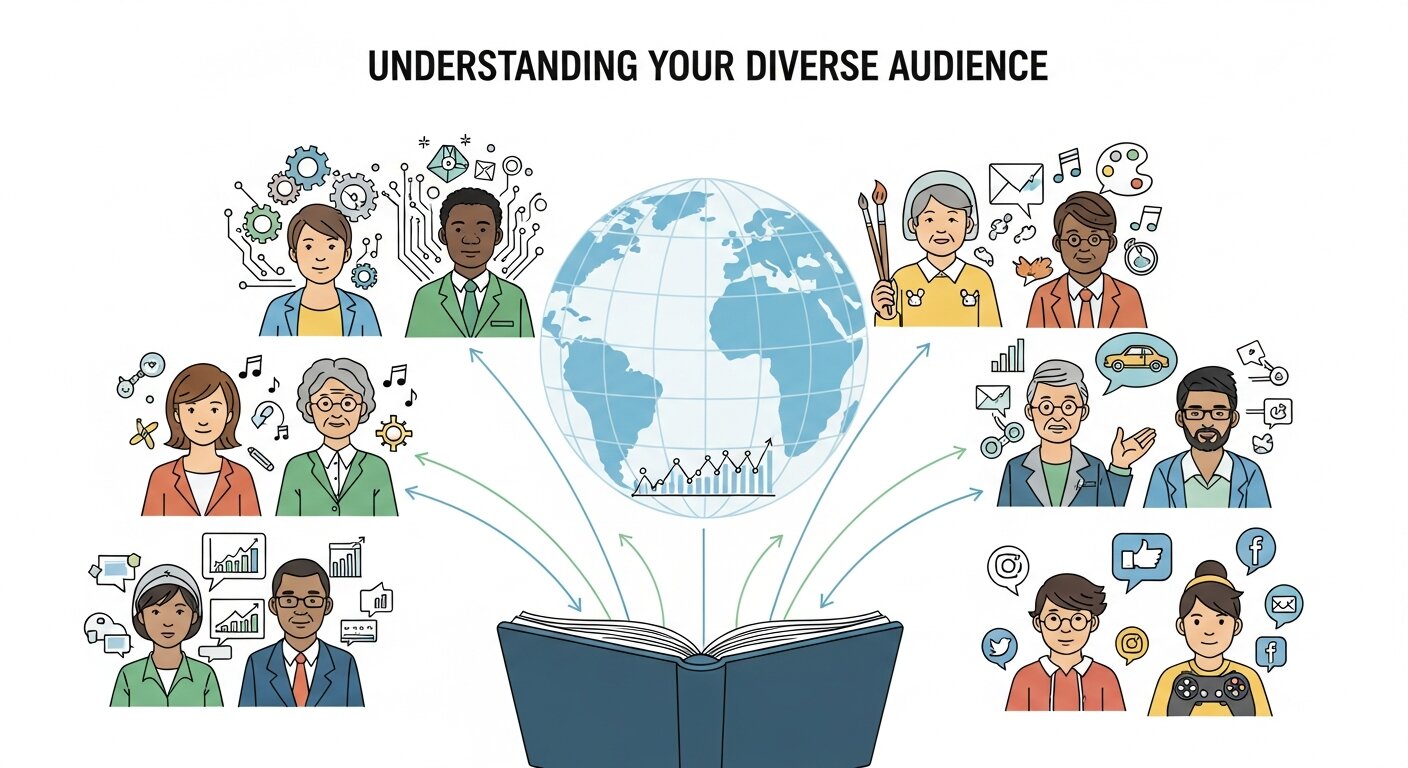 Effective inclusive marketing begins with genuine curiosity about your audience in all its complexity. Inclusive Inbound Marketing is not simply about widening your reach—it is about deepening your understanding. That means moving beyond surface-level demographics and investing in nuanced audience personas that reflect the real diversity of human experience.
Traditional personas often fall short because they center majority experiences and treat diversity as an afterthought. Inclusive Inbound Marketing challenges this limitation by expanding personas to include varying ability levels, cultural identities, socioeconomic backgrounds, gender expressions, faith traditions, family structures, and non-traditional life paths. It also recognizes intersectionality—the reality that people hold multiple identities at once, and those identities shape how they experience brands, content, and messaging.
Developing this richer perspective requires intentional research. Surveys and interviews should extend beyond your current customer base to intentionally include underrepresented voices. Community partnerships, focus groups, and qualitative research methods help surface insights that data dashboards alone cannot reveal. Social listening across diverse online spaces uncovers authentic conversations, unmet needs, and cultural nuances that inform stronger strategy. Inclusive Inbound Marketing depends on this kind of proactive outreach; waiting for diverse audiences to find you is not enough.
At Inbound Marketo, we have seen how investing in deeper audience intelligence transforms content performance. Campaigns built on Inclusive Inbound Marketing principles generate stronger engagement because they reflect lived realities rather than assumptions. When people feel seen and understood, trust grows naturally.
Language plays a central role in this process. Words shape perception, belonging, and emotional response. Inclusive Inbound Marketing requires careful attention to terminology, tone, and framing. Language evolves constantly, and staying informed means listening, learning, and adapting over time.
Marketers must examine how terminology may be interpreted across communities. A phrase that feels neutral in one cultural context may carry exclusionary or outdated connotations in another. Inclusive Inbound Marketing encourages brands to choose language that respects autonomy, identity, and dignity. When uncertainty arises, transparency and openness to feedback strengthen credibility rather than weaken it.
Avoiding assumptions is equally important. Casual phrases such as “as every mother knows” or “when you and your spouse” unintentionally narrow the audience. These subtle cues communicate who is expected to belong. Inclusive Inbound Marketing replaces those assumptions with broader framing—acknowledging caregivers instead of mothers, partners instead of spouses, or simply speaking to “your experience” without defining it. Small adjustments can significantly expand who feels welcome.
Translation and localization deserve strategic investment as well. Direct translation rarely captures cultural nuance, humor, or emotional context. Effective Inclusive Inbound Marketing collaborates with native speakers and cultural consultants who understand both language and lived experience. Localization should adapt examples, imagery, idioms, and references so the message resonates authentically rather than sounding imported.
Ultimately, Inclusive Inbound Marketing is an ongoing commitment, not a checklist. It combines deep research, thoughtful language, continuous learning, and meaningful representation. When brands approach marketing with empathy and intentional inclusion, they do more than attract attention—they build communities rooted in trust, respect, and long-term connection.
Inclusive Visual Storytelling
 Images communicate powerful messages about who belongs in your brand community. Visual storytelling often shapes perception faster than written copy, which makes it central to Inclusive Inbound Marketing. When audiences encounter imagery that reflects their identities and lived experiences, they feel acknowledged before they read a single sentence. This is especially important when aligning visuals with your broader brand positioning strategy or reinforcing your customer experience framework across channels.
Thoughtfully diverse visuals signal that your brand values inclusion and welcomes everyone. But Inclusive Inbound Marketing goes beyond token representation. It requires featuring people of various races, ages, body types, gender identities, abilities, and cultural backgrounds in meaningful, protagonist roles—not merely as background characters. Representation should feel natural and integrated into the narrative of your content, rather than staged for optics. Brands that prioritize authentic brand storytelling and human-centered marketing strategies often see stronger emotional engagement as a result.
Authentic diversity also means avoiding stereotypes. Instead of relying on predictable visual cues, show individuals in varied professional roles, leadership positions, family structures, and lifestyle contexts. Inclusive Inbound Marketing encourages brands to reflect the real complexity of modern communities. Diversity within communities matters just as much as diversity across them. Conducting a regular content representation audit and aligning visuals with your inclusive content strategy guidelines can help ensure your imagery consistently reflects your values.
Intersectionality should guide visual decision-making as well. People do not fit into single categories. A person may simultaneously identify across multiple cultural, generational, or ability dimensions. When visual content reflects that layered identity, it prevents the appearance of “checking boxes” and instead communicates genuine understanding. Inclusive Inbound Marketing thrives when representation feels multidimensional and human.
Accessibility in visual content is equally critical. High contrast between text and backgrounds improves readability for users with low vision. Thoughtful color palettes that accommodate color-blind users ensure information is not conveyed by color alone. Descriptive, meaningful alt text allows screen reader users to fully experience visual storytelling. Inclusive Inbound Marketing treats accessibility as a creative standard, not an afterthought.
Creating Accessible Content Experiences
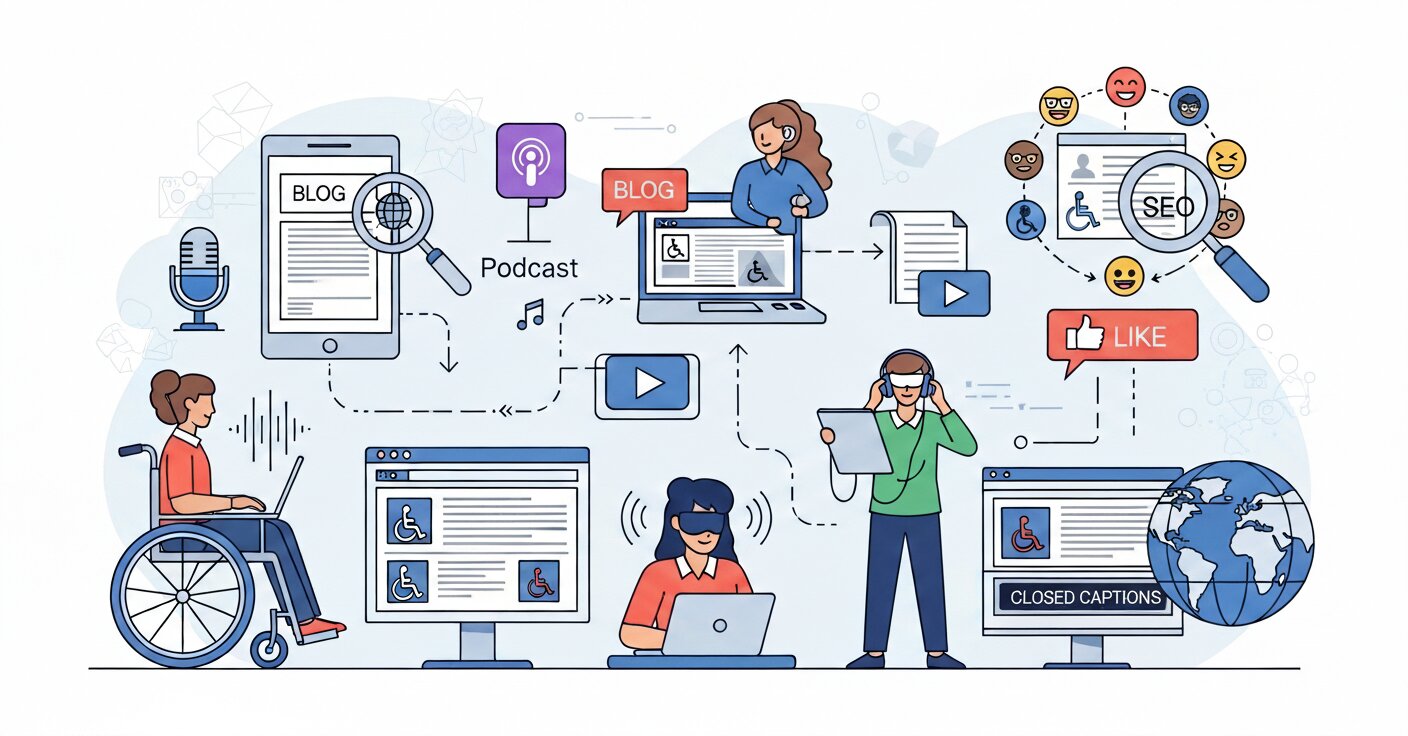 True inclusivity requires content that everyone can access, regardless of ability. Inclusive Inbound Marketing recognizes that accessibility expands reach while strengthening brand trust. When digital experiences are designed to include people with disabilities, they often become more user-friendly for everyone.
Screen reader compatibility should shape how content is structured from the beginning. Clear heading hierarchies, properly labeled buttons, logical reading order, and semantic HTML markup enable assistive technologies to interpret content accurately. Inclusive Inbound Marketing integrates accessibility into the design process rather than retrofitting it after publication.
Video and multimedia content demand particular attention. Captions and full transcripts are essential—not only for deaf or hard-of-hearing users but also for individuals watching in sound-sensitive environments, non-native language speakers, and those who process written information more effectively. Audio descriptions for key visual elements can further enhance accessibility. These practices ensure that Inclusive Inbound Marketing delivers value across diverse contexts.
Cognitive accessibility is another important dimension. Overly complex layouts, dense jargon, and cluttered navigation create unnecessary barriers. Plain language, concise paragraphs, intuitive navigation, and clear calls to action help users process information efficiently. Inclusive Inbound Marketing prioritizes clarity without sacrificing depth, making content welcoming to individuals with cognitive disabilities, learning differences, or limited time.
Culturally Responsive Content Strategy
Different cultures have distinct communication norms, values, and expectations. Inclusive Inbound Marketing recognizes that effective engagement requires cultural intelligence, not just translation. Rather than assuming a one-size-fits-all message will resonate universally, culturally responsive strategy adapts thoughtfully while maintaining brand consistency.
Researching cultural contexts thoroughly is essential before developing targeted campaigns. Communication styles vary widely—some cultures value directness and brevity, while others prioritize relationship-building and contextual storytelling. Humor, symbolism, color meanings, gestures, and even formatting conventions can carry different implications across regions. Inclusive Inbound Marketing invests time in understanding these nuances so that content feels respectful and relevant rather than awkward or tone-deaf.
It is equally important to understand cultural values and sensitivities. Topics that are openly discussed in one society may be considered private or inappropriate in another. Historical context, social dynamics, and community priorities all influence how marketing messages are received. Inclusive Inbound Marketing avoids stereotypes by grounding creative decisions in research and lived expertise rather than surface-level assumptions.
Content calendars should also be reviewed through a cultural lens. Major religious observances, national events, and community milestones can influence audience attention and emotional tone. This does not require producing campaigns for every cultural celebration, but Inclusive Inbound Marketing encourages awareness of how standard promotions or messaging might appear during significant cultural moments. Sensitivity to timing can prevent misalignment and demonstrate genuine awareness.
When entering unfamiliar cultural spaces, involving cultural consultants or community collaborators is a best practice. Their insight reduces the risk of unintended missteps and enhances authenticity. Inclusive Inbound Marketing thrives on collaboration, recognizing that inclusion is strengthened when diverse voices help shape strategy rather than simply respond to it.
Addressing Economic Inclusion
Economic diversity is another dimension that deserves careful attention. Inclusive Inbound Marketing acknowledges that audiences operate within varied financial realities, and those realities shape purchasing decisions, priorities, and emotional responses to messaging. Brands that understand this can better align their pricing strategies and customer value propositions with audience needs.
Marketing language often unintentionally assumes disposable income or access to certain resources. Phrases that frame premium products as “must-haves” or portray luxury experiences as universal norms can alienate segments of the audience. Inclusive Inbound Marketing reframes value propositions to respect different financial contexts without diminishing brand positioning. Using market research reports or consumer behavior studies can help ensure messaging resonates across economic segments.
Thoughtful messaging considers multiple perspectives on value. For some audiences, value emphasizes durability and long-term return. For others, affordability and flexibility are more pressing. Inclusive Inbound Marketing aligns its storytelling with these varied priorities, demonstrating empathy rather than presumption. Linking to financial literacy resources or budget-friendly product guides can reinforce this approach and provide practical support.
Providing tiered options is another practical approach. Offering multiple price points, flexible payment structures, scaled service packages, or DIY alternatives allows broader participation. Educational resources on maximizing product lifespan or getting the most from a service can further enhance perceived accessibility. Inclusive Inbound Marketing recognizes that inclusion expands opportunity—for both the audience and the brand. Embedding links to how-to tutorials or product comparison tools gives audiences actionable insights.
Age-Inclusive Marketing Approaches
 Age diversity also shapes how content is perceived. Inclusive Inbound Marketing rejects narrow generational stereotypes and instead focuses on shared human motivations across life stages. Referencing demographic insights studies can guide messaging and campaign planning.
Younger audiences are often portrayed as impulsive or trend-driven, while older audiences may be depicted as resistant to change or technologically challenged. These assumptions oversimplify reality and risk alienating both groups. Inclusive Inbound Marketing examines actual behavioral data and lived experiences rather than relying on clichés. Incorporating generational marketing resources ensures content remains relevant.
Understanding generational context can be valuable when applied thoughtfully. Formative events, economic conditions, and technological shifts influence perspectives and expectations. However, individuals vary widely within any age cohort. Inclusive Inbound Marketing balances generational insight with personalization, ensuring messaging feels nuanced rather than generalized. Linking to audience segmentation guides can help teams navigate these differences.
Representation across the age spectrum is equally important. Feature individuals at different life stages in leadership roles, aspirational scenarios, and everyday moments that highlight competence, creativity, and agency. Avoid limiting certain age groups to narrow roles. Inclusive Inbound Marketing ensures that imagery and narratives reflect vitality, relevance, and contribution at every stage of life. Case studies on age-inclusive campaigns can provide inspiration.
By integrating cultural awareness, economic sensitivity, and age inclusivity into strategic planning, Inclusive Inbound Marketing becomes more than a messaging tactic—it becomes a framework for building meaningful, long-term relationships with a broader and more diverse audience.
Measurement and Continuous Improvement
Inclusive marketing requires ongoing assessment and refinement. Inclusive Inbound Marketing is not a one-time campaign adjustment but a continuous strategic commitment. As audience expectations evolve and communities grow more vocal about representation and equity, brands must regularly evaluate whether their content truly reflects inclusive principles. Accessing analytics best practices guides can support measurement efforts.
Establishing meaningful metrics is a critical first step. Inclusive Inbound Marketing benefits from analytics that go beyond surface-level traffic numbers. Track engagement rates, time on page, click-through behavior, and conversion data across segmented audience groups. When data is viewed holistically, it can reveal whether certain communities are engaging more deeply—or disengaging entirely. These insights provide practical direction for refining messaging, visuals, and offers. Performance dashboards can help visualize these insights.
Segmentation plays a powerful role in identifying disparities that might otherwise remain hidden beneath aggregate performance metrics. Rather than reviewing overall traffic or conversion rates alone, analyze performance across demographics, geographies, device types, accessibility usage patterns, language preferences, and behavioral clusters. Examine where users drop off in the journey, which segments spend more time engaging with content, and which audiences convert at lower rates. When one group consistently exits earlier or interacts differently, treat it as an opportunity to investigate structural or messaging barriers. Customer journey mapping tools can help uncover these gaps.
Data becomes even more powerful when quantitative insights are paired with qualitative feedback. Numbers reveal patterns, but lived experiences explain why those patterns exist. Create accessible, welcoming channels for audience input such as surveys with open-ended responses, feedback forms that are easy to navigate, moderated community discussions, and active social media listening. Make it clear that critical feedback is valued rather than discouraged. Some of the most transformative insights come from individuals who feel overlooked, misrepresented, or excluded. Their perspectives can illuminate blind spots that analytics alone cannot surface and can guide more meaningful content refinement. Linking to user feedback platforms helps streamline this process.
Accountability strengthens credibility and trust. Establish measurable inclusion goals that extend beyond broad statements of intent. These goals might include benchmarks for accessible design compliance, representation diversity in visuals, balanced voice in storytelling, or equitable engagement rates across segments. Track progress consistently and share outcomes transparently when appropriate. A willingness to acknowledge gaps and outline concrete improvement steps signals authenticity. Audiences are more likely to respect brands that demonstrate growth and responsiveness rather than perfection. Inclusion scorecards or reporting templates can be linked to provide practical guidance.
Creating an Inclusive Content Creation Process
Sustainable inclusion starts within the content creation process. The perspectives shaping strategy, messaging, and visuals directly influence how inclusive the final output becomes. Diverse teams naturally reduce blind spots, challenge assumptions, and create more nuanced, representative storytelling.
When internal diversity is limited, external collaboration becomes essential. Engaging consultants, creators, and community advocates early in the process brings informed insight and strengthens authenticity. Clear expectations and fair compensation build long-term trust.
Structured workflows help embed inclusive thinking into daily operations. Review checkpoints, accessibility standards, and representation guidelines should be integrated from ideation through final approval. Ongoing education and leadership commitment ensure inclusion remains a core priority rather than a temporary initiative.
By aligning people, processes, and accountability, organizations can create content systems that evolve alongside the diverse communities they serve.
The Future of Inclusive Inbound Marketing
Inclusive marketing continues to evolve as our understanding of human diversity deepens. Brands that commit to this journey position themselves for long-term success in an increasingly diverse marketplace.
The most effective approach combines clear principles with ongoing learning. Establish core values that guide your inclusive marketing efforts while remaining open to new insights and perspectives.
Technology will create both challenges and opportunities. Emerging tools like AI content generation require careful evaluation for bias. Meanwhile, new platforms may offer innovative ways to create more personalized and accessible experiences.
The brands that thrive will be those that view inclusion not as a marketing tactic but as a fundamental commitment to recognizing the full humanity of their audience. This authentic approach builds lasting connections that transcend transactions.
Frequently Asked Questions
What is Inclusive Inbound Marketing?
Inclusive Inbound Marketing is a strategic approach that attracts and engages diverse audiences by creating accessible, culturally aware, and representative content. It focuses on building trust through empathy and authentic understanding rather than broad, one-size-fits-all messaging.
How is it different from traditional inbound marketing?
Traditional inbound marketing focuses on attracting, engaging, and converting audiences through valuable content. An inclusive approach expands this by ensuring that content reflects diverse identities, avoids exclusionary assumptions, and removes accessibility barriers throughout the customer journey.
Why is inclusive marketing important for business growth?
Inclusive strategies expand market reach, strengthen brand loyalty, and improve engagement. When people see themselves represented and respected, they are more likely to trust the brand, return for future interactions, and recommend it to others.
Does inclusive marketing only focus on race and gender?
No. Inclusion spans many dimensions, including age, ability, socioeconomic background, culture, language, religion, family structure, and lived experience. A comprehensive strategy considers the intersection of these identities rather than isolating one factor.
How can brands avoid tokenism?
Avoid tokenism by integrating diversity naturally across campaigns instead of highlighting it only during specific moments. Representation should appear consistently in meaningful roles, supported by authentic storytelling and research-backed audience understanding.
What role does accessibility play in inclusive marketing?
Accessibility ensures that people with disabilities can fully engage with content. This includes screen reader compatibility, captions for videos, alt text for images, high-contrast design, and clear language structure. Accessibility improves user experience for everyone, not just those with disabilities.
How do you measure the success of inclusive marketing efforts?
Success can be measured through segmented engagement metrics, conversion rates across audience groups, accessibility compliance benchmarks, audience feedback, and representation audits. Combining quantitative data with qualitative insights provides the clearest picture.
What are common mistakes brands make?
Common mistakes include relying on stereotypes, making assumptions about financial or cultural norms, treating inclusion as a campaign theme rather than a long-term strategy, and failing to involve diverse voices in the content creation process.
Do small businesses need inclusive marketing strategies?
Yes. Inclusion is not limited to large enterprises. Small businesses can adopt inclusive practices by refining language, improving accessibility, diversifying visuals, and engaging directly with their communities for feedback and insight.
How can a company start implementing inclusive practices today?
Begin with an audit of existing content, language, visuals, and accessibility standards. Identify gaps, gather feedback from diverse audiences, set measurable goals, and build review checkpoints into your content workflow. Start with small improvements and expand consistently over time.