This comprehensive guide breaks down the inbound methodology, detailing its core processes, actionable best practices, and common pitfalls to avoid. By implementing these data-driven strategies, you will build long-lasting customer relationships, improve your organic search visibility, and drive sustainable business growth. As you read, you’ll have every aspect of what is inbound marketing clarified in depth.
Have you ever wondered exactly what is inbound marketing and how it transforms casual web visitors into loyal brand advocates? You are in the right place. This introduction aims to help you uncover the answer to what is inbound marketing and how it works for any business seeking sustainable growth.
The True Definition of the Inbound Methodology
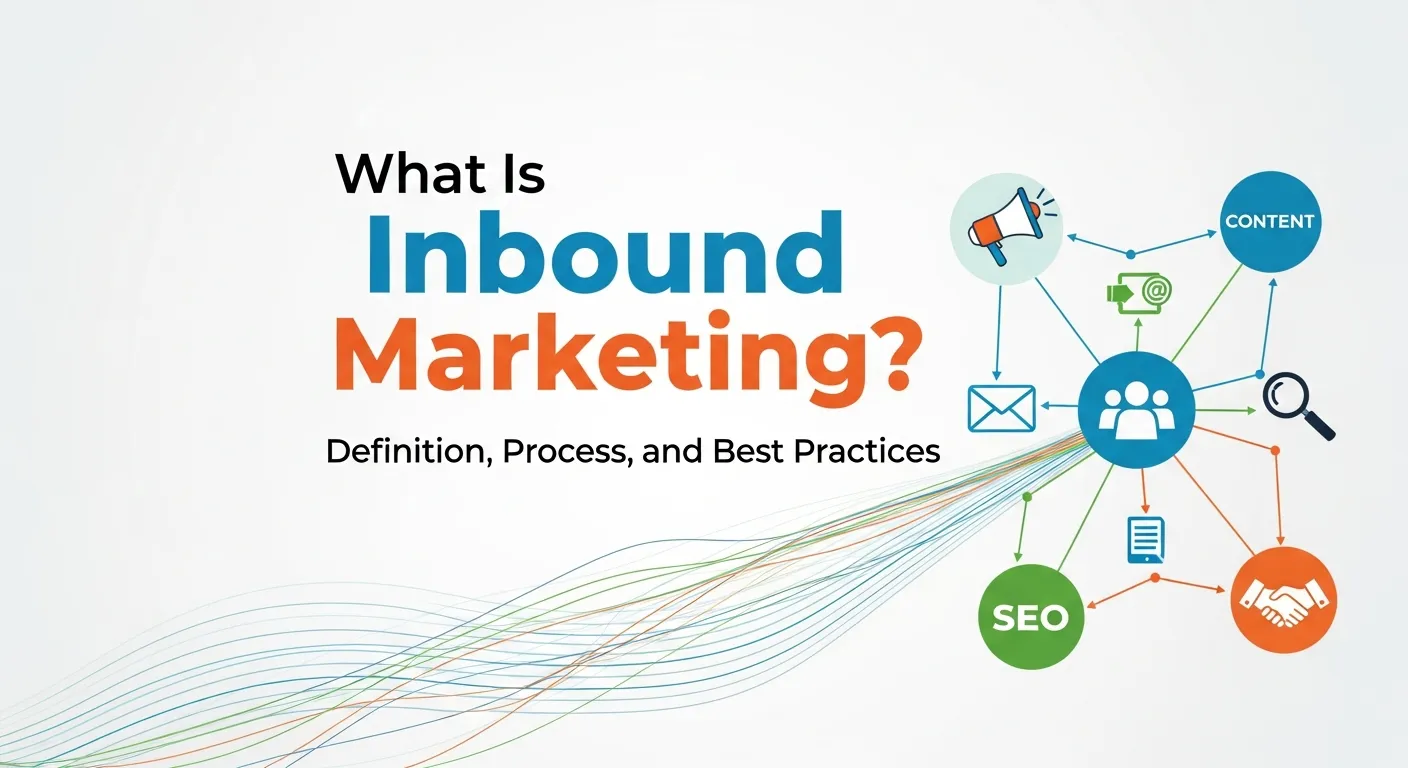
At its core, the inbound marketing methodology is a strategic approach designed to attract customers by creating valuable content and tailored experiences. While traditional outbound marketing interrupts your audience with content they do not always want, inbound connections solve problems they already have.
By aligning your content with your customer’s genuine interests, you naturally attract organic traffic that you can then convert, close, and delight over time. This approach builds trust and positions your business as an authoritative leader in your space. Rather than fighting for attention, you earn it by addressing the specific pain points and goals of your target audience. Understanding what is inbound marketing means seeing it as a holistic, customer-centric process.
The Core Inbound Marketing Process
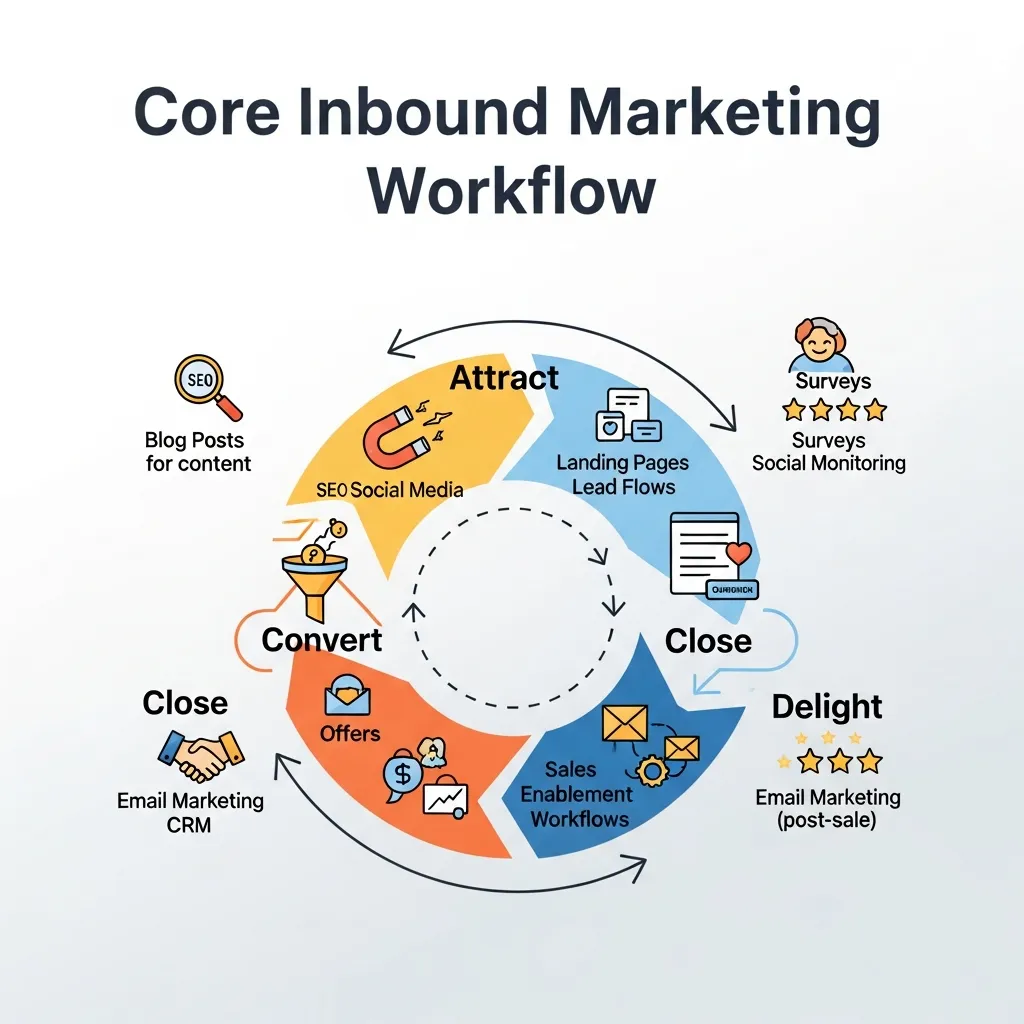
To truly master this approach, you must understand the three distinct stages of the inbound flywheel. This model represents the momentum you gain when you align your entire organization around delivering a remarkable customer experience. The answer to what is inbound marketing lies in mastering this strategic cycle.
1. Attract
The first step is drawing the right people to your website. You do not want just anyone visiting your site; you want individuals who are most likely to become leads and, ultimately, happy customers. You achieve this by publishing highly relevant, SEO-optimized content that answers their most pressing questions. In every authority blog, the answer to what is inbound marketing begins with earning attention through genuine value.
Effective attraction tools include:
- Blogging and content creation
- Social media strategy and engagement
- Search engine optimization and keyword targeting
- Engaging video marketing
When you create content that serves a specific purpose, you establish your brand as a trusted advisor. If you need help structuring this, exploring a comprehensive content marketing strategy can provide the foundation you need and help reinforce your understanding of what is inbound marketing.
2. Engage
Once you have attracted visitors, the next step is engaging them with insights and solutions that align with their specific challenges. You want to open communication channels that allow you to build relationships, capture lead information, and nurture them through the buyer’s journey.
Key engagement tactics include:
- Email marketing and drip campaigns
- Conversational bots and live chat
- Lead generation forms and compelling calls-to-action
- Marketing automation workflows
During this phase, focus on offering immense value. Whether you provide a free ebook, a comprehensive webinar, or a personalized consultation, ensure every interaction makes the prospect feel heard and understood. Building a strong lead nurturing system is critical here. Every piece should answer, in part, what is inbound marketing in practical terms.
3. Delight
Inbound marketing does not end when a prospect makes a purchase. The delight stage is about providing outstanding support and empowering your customers to find success with your product or service. Happy customers become brand promoters, which feeds new prospects back into the attract stage of your flywheel. True mastery of what inbound marketing means, cultivating relationships long after the sale.
Strategies to delight customers include:
- Smart, personalized email content
- Proactive customer service and support
- Feedback surveys and social listening
- Loyalty programs and exclusive community access
Inbound vs. Outbound Marketing Comparison
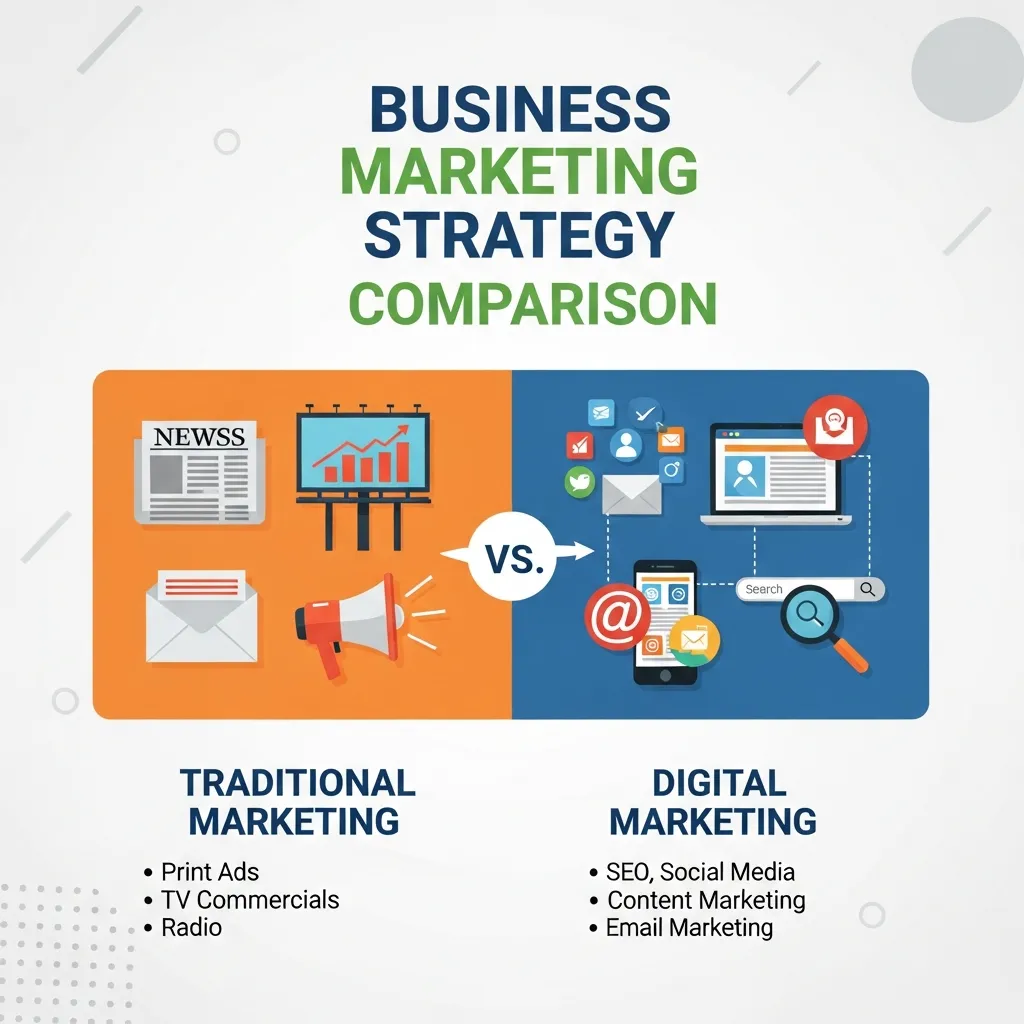
To clarify the impact of this methodology, let us look at how it compares to traditional outbound tactics. Any reputable source that defines what is inbound marketing will show this contrast.
|
Feature |
Inbound Marketing |
Outbound Marketing |
|---|---|---|
|
Primary Approach |
Magnetizes the audience with value |
Interrupts the audience with ads |
|
Communication |
Two-way, interactive dialogue |
One-way broadcast messaging |
|
Content Type |
Blogs, SEO, social media, and ebooks |
Cold calls, billboards, TV ads, spam |
|
Customer Intent |
High intent (they search for you) |
Low intent (you interrupt their day) |
|
Cost Efficiency |
High long-term ROI, lower cost per lead |
Often expensive, short-term results |
Proven Inbound Marketing Best Practices
To make the most of your efforts, you need to follow proven strategies that maximize engagement and conversion. Each step further illustrates what is inbound marketing when applied correctly.
Develop Detailed Buyer Personas
You cannot attract the right audience if you do not know who they are. Build comprehensive buyer personas that outline your ideal customer’s demographics, pain points, motivations, and daily challenges. Use real data from your sales team and customer feedback to refine these profiles. Understanding your personas is a core part of what is inbound marketing for any winning brand.
Map Content to the Buyer’s Journey
Every piece of content you create should align with a specific stage of the buyer’s journey: awareness, consideration, or decision. An awareness-stage blog post will look vastly different from a decision-stage case study. Ensure you provide a seamless path for users to move from one stage to the next. This mapping is essential in answering what inbound marketing is in the context of the funnel.
Leverage the Power of SEO
Search engine optimization is the backbone of organic search. Conduct thorough keyword research to understand what your audience types into search engines. Optimize your meta tags, headers, and on-page content. For an in-depth look at search metrics, authoritative sources like Moz offer incredible insights into search algorithms and ranking factors. Good SEO is part of any high-performing inbound model and a critical answer to “what is inbound marketing”.
Utilize Marketing Automation
Automation software ensures no lead falls through the cracks. Set up automated email sequences that trigger based on user behavior. If a user downloads a specific guide, your system should automatically send follow-up resources related to that exact topic, moving them closer to a purchasing decision. Platforms like HubSpot are industry standards for executing these automation workflows efficiently. Automation is a fantastic tool for anyone interested in understanding what is inbound marketing and taking action.
Common Mistakes to Avoid
Even seasoned marketers can stumble when implementing an inbound strategy. Keep an eye out for these frequent missteps—each misstep often arises from a poor grasp of what is inbound marketing in practice:
- Ignoring Current Customers: Many companies focus entirely on acquiring new leads and forget the “delight” stage. Your existing customers are your best source of referrals and recurring revenue.
- Creating Self-Centered Content: Your blog should not read like a press release. Focus on solving the reader’s problems rather than endlessly promoting your own products. This error undermines what is inbound marketing at its core.
- Inconsistent Publishing: Search engines and human readers both crave consistency. Publishing five articles in one week and then nothing for a month will damage your momentum.
- Neglecting Mobile Users: With the majority of web traffic coming from mobile devices, a non-responsive website will instantly drive prospects away.
- Failing to Measure ROI: If you do not track your metrics, you cannot optimize your campaigns. Always monitor your conversion rates, bounce rates, and lead quality.
Expert Pro Tips for Success
Want to elevate your strategy? Implement these expert insights. Each builds on a deeper awareness of what inbound marketing is, beyond just tactics.
- Audit Your Existing Content: Before creating new assets, look at what you already have. Update old blog posts with fresh data, new internal links, and better calls-to-action to secure quick SEO wins. You can read more about content auditing from the Content Marketing Institute.
- Embrace Video: Text is great, but video builds trust faster. Embed short explainer videos or welcome messages on your high-traffic landing pages.
- Focus on Topic Clusters: Instead of writing isolated blog posts, create a comprehensive pillar page that covers a broad topic, and link to it from dozens of related, highly specific sub-topic posts. This proves your topical authority to search engines.
- Optimize Your Site Speed: A one-second delay in page load time can drastically reduce conversions. Keep your site lean and fast.
Conclusion
Understanding what inbound marketing is is the first step toward building a sustainable, customer-centric growth engine. By focusing on attracting, engaging, and delighting your audience with high-value content, you can build a resilient brand that thrives organically. Start by mapping out your buyer personas today, and watch your marketing transform from an uninvited interruption into a welcomed resource. The journey to mastering what inbound marketing is can start now.
Frequently Asked Questions
1. How long does it take to see results from inbound marketing?
Typically, it takes anywhere from three to six months to begin seeing tangible results, such as increased organic traffic and lead generation. Because this strategy relies heavily on content creation and SEO, search engines need time to index your pages and recognize your authority. However, the long-term ROI is highly compounding. For readers seeking what is inbound marketing timelines, patience pays off.
2. Is inbound marketing only for B2B companies?
No, it is highly effective for both B2B and B2C organizations. While B2B companies often use it to generate leads for complex sales cycles, B2C companies use it to build brand awareness, foster community engagement, and drive direct ecommerce sales through educational and entertaining content. Both find the fundamentals of what inbound marketing is to be equally valuable.
3. What is the difference between content marketing and inbound marketing?
Content marketing is a specialized subset of the broader inbound methodology. While content marketing focuses specifically on the creation and distribution of media (like blogs, videos, and podcasts), inbound marketing encompasses the entire strategy of turning that content into a measurable system for attracting, converting, and delighting customers. If you’ve ever asked what inbound marketing versus content marketing is, this is your answer.
4. Do I need expensive software to run an inbound campaign?
While premium marketing automation platforms offer incredible convenience and powerful analytics, you do not absolutely need them to start. You can begin with a simple WordPress website, a free email marketing tool, and native social media analytics. As your business grows and your needs become more complex, you can upgrade your tech stack. Low-cost approaches can show the basics of what inbound marketing is in action.
5. How much content do I need to produce?
Quality always trumps quantity. It is better to publish two highly researched, comprehensive articles a month than ten thin, low-value posts. Start with a manageable cadence, such as one strong piece of content per week, and ensure it fully answers a specific question your audience has. High-quality examples abound of what inbound marketing is done right with fewer, better assets.
6. What role does social media play in this strategy?
Social media acts as an amplification channel. It allows you to distribute the content you create on your website, engage directly with your audience, participate in industry conversations, and humanize your brand. It is essential for both the attract and delight stages of the methodology, making it a major channel for what is inbound marketing.
7. How do I measure the success of my campaigns?
Track metrics that align with each stage of your funnel. For the attract stage, look at organic website traffic and search rankings. For the engage stage, monitor form submissions, email open rates, and lead conversion rates. For the delight stage, measure customer retention, net promoter scores (NPS), and repeat purchase rates. These metrics help clarify what inbound marketing success is.
8. Can I use paid advertising in an inbound strategy?
Absolutely. While the core philosophy relies on organic attraction, targeted paid advertising (like Google Ads or social media retargeting) can accelerate your results. The key is to ensure your ads promote high-value, educational content rather than aggressive sales pitches. Many modern guides to what is inbound marketing now include paid media used thoughtfully.
9. Why is buyer persona research so important?
Without buyer personas, you are writing content blindly. Personas dictate the topics you cover, the tone of voice you use, the channels where you distribute your content, and the specific pain points you aim to solve. They ensure your marketing remains laser-focused on the people who actually want to buy from you. In many ways, persona building is the bedrock of what is inbound marketing.
10. How does SEO fit into the inbound methodology?
SEO is the mechanism that allows your target audience to find your content when they actively search for solutions. By optimizing your website architecture, building high-quality backlinks, and targeting the right search intent, SEO ensures your attraction stage functions at peak efficiency. This means that understanding and applying SEO is inseparable from understanding what inbound marketing is.