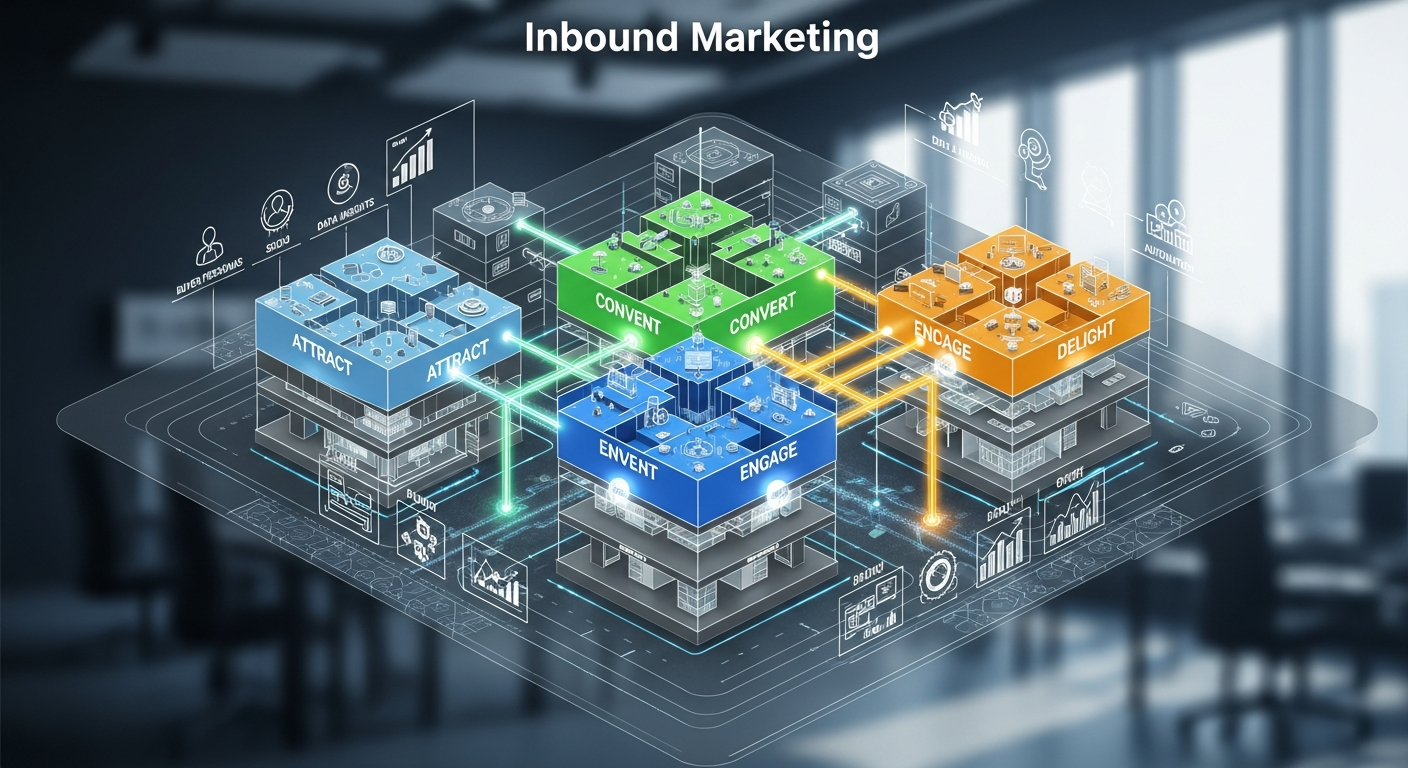
Inbound marketing architecture is a strategic framework that connects content, channels, tools, and processes into one unified system. It guides prospects through the buyer journey, improves lead quality, increases conversions, and enables scalable, data-driven marketing growth through continuous optimization.
Inbound marketing has transformed how businesses attract and engage customers. But success depends on more than just creating great content or running social media campaigns. It requires a well-designed inbound marketing architecture that connects every touchpoint in your customer’s journey.
What is Inbound Marketing Architecture?
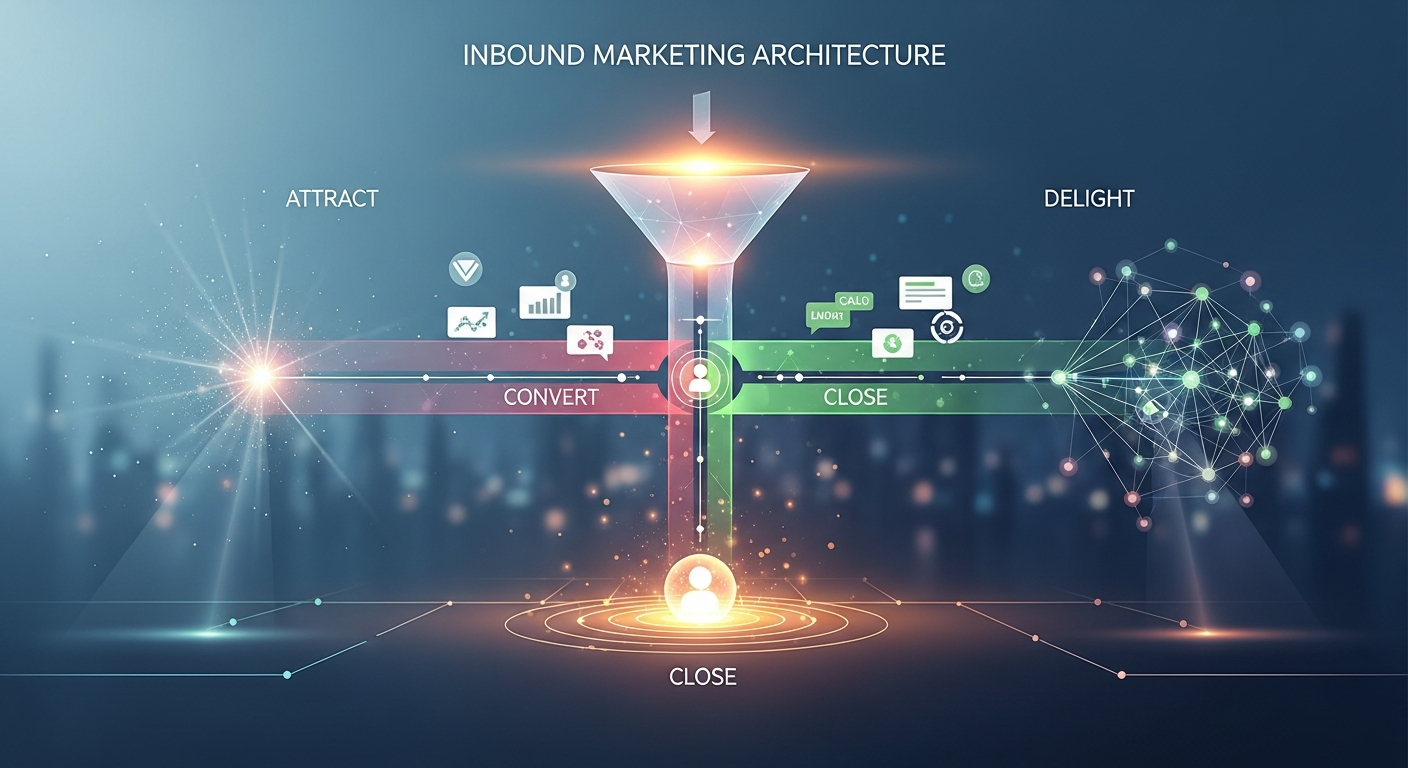
Inbound marketing architecture is the strategic framework that organizes all your marketing components into a cohesive system. Think of it as the blueprint that shows how your content, channels, tools, and processes work together to attract, engage, and delight customers. Learn more about Inbound Marketing.
Unlike traditional outbound marketing that interrupts people with ads, inbound marketing architecture creates a magnetic pull. It draws potential customers to your business through valuable content and experiences tailored to their needs. Learn more about Inbound Marketing Mastery.
The architecture includes four key layers:
- Content layer: Blog posts, videos, podcasts, and other materials that provide value
- Channel layer: Platforms where you distribute content and engage audiences
- Technology layer: Tools and systems that automate and measure your efforts
- Process layer: Workflows and procedures that guide prospect interactions
Core Components of Inbound Marketing Architecture
Content Strategy Foundation
Your content strategy serves as the cornerstone of inbound marketing architecture. It determines what you create, when you publish it, and how it supports your business goals.
Start by mapping content to your buyer’s journey. Create awareness-stage content like blog posts and videos that address common problems. Develop consideration-stage materials such as ebooks and webinars that showcase solutions. Finally, produce decision-stage content like case studies and demos that demonstrate value.
Content pillars help maintain focus and consistency. Choose three to five core topics that align with your expertise and audience interests. Each pillar should support your business objectives while addressing customer pain points.
Lead Generation Systems
Effective lead generation transforms anonymous visitors into known prospects. Your architecture should include multiple conversion opportunities that feel natural and valuable.
Landing pages play a crucial role in lead generation. Each page should focus on a single offer with clear value proposition. Remove navigation elements that might distract visitors from converting. Use compelling headlines, benefit-focused copy, and prominent call-to-action buttons.
Lead magnets entice visitors to share contact information. Popular formats include:
- Comprehensive guides and ebooks
- Industry reports and research
- Templates and checklists
- Free tools and calculators
- Exclusive webinars and courses
Customer Relationship Management
CRM systems form the backbone of your inbound marketing architecture. They store prospect information, track interactions, and enable personalized communication at scale.
Choose a CRM that integrates with your marketing tools. This connection ensures seamless data flow and provides a complete view of each prospect’s journey. Look for features like contact scoring, automated workflows, and detailed analytics.
Segmentation capabilities allow you to group prospects based on behavior, demographics, or engagement level. Create targeted campaigns for each segment to improve relevance and conversion rates.
Analytics and Measurement Framework
Data-driven decision making distinguishes successful inbound marketing programs. Your architecture must include robust analytics that measure performance across all channels and touchpoints.
Track metrics at each funnel stage. Monitor website traffic, content engagement, and social media reach for awareness. Measure lead generation, email open rates, and download completions for consideration. Analyze sales qualified leads, conversion rates, and customer acquisition costs for decision-stage performance.
Set up conversion tracking to understand which channels and content types drive the best results. Use attribution modeling to see how different touchpoints contribute to conversions throughout the customer journey.
Building Your Inbound Marketing Architecture
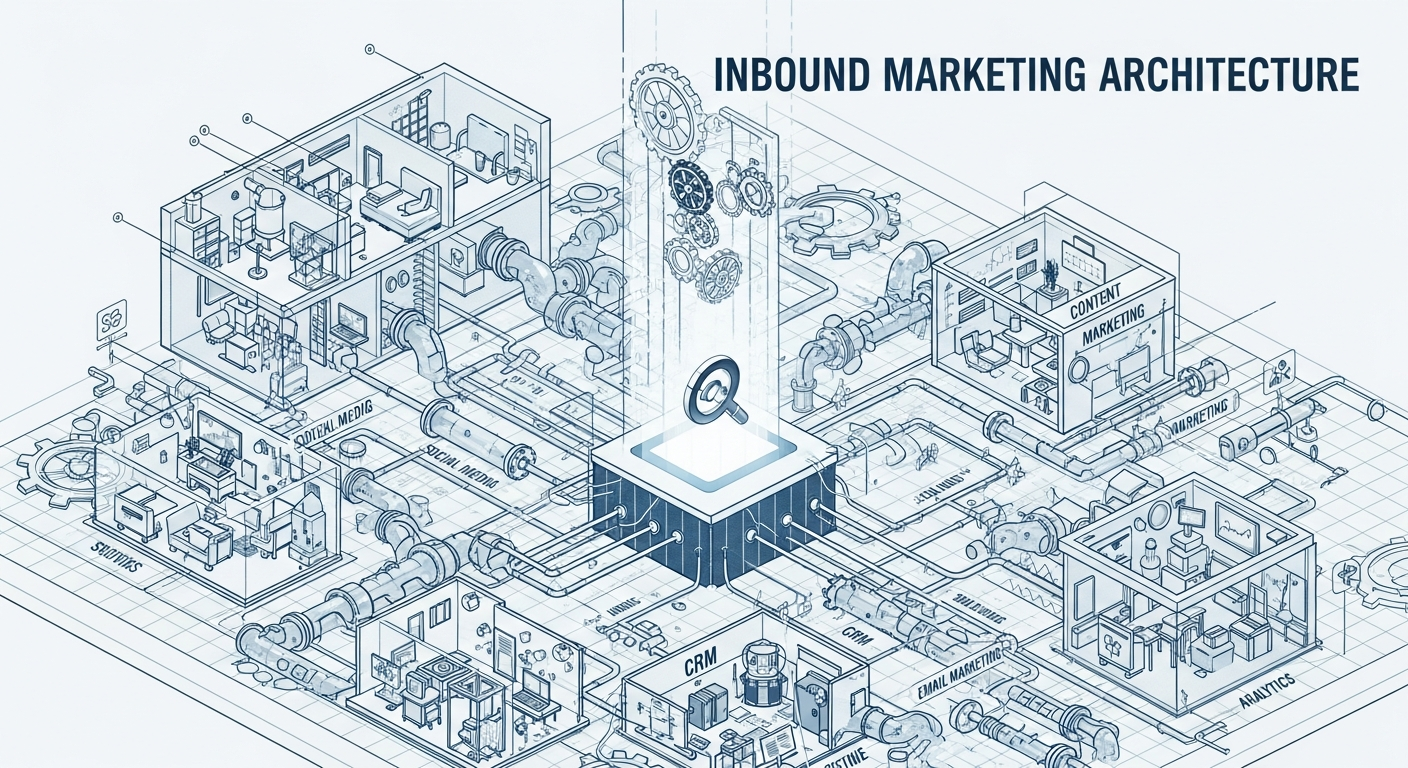
Phase 1: Foundation and Planning
Begin with thorough research and planning. Define your target audience through detailed buyer personas that include demographics, challenges, goals, and content preferences. Survey existing customers and analyze website data to uncover insights.
Conduct a content audit to inventory existing materials. Identify gaps where additional content could better serve your audience. Map out content themes and formats that align with your buyer’s journey stages.
Choose your technology stack carefully. Select tools that integrate well together and can scale with your business growth. Common categories include:
- Content management systems
- Email marketing platforms
- Social media management tools
- Analytics and reporting software
- Marketing automation platforms
Phase 2: Content Creation and Distribution
Develop a content calendar that maintains consistent publishing while allowing flexibility for timely topics. Balance educational content with promotional materials to build trust while driving business results.
Create pillar content pieces that comprehensively cover important topics. These substantial resources establish thought leadership and provide material for multiple smaller pieces. Break pillar content into blog posts, social media updates, and email newsletter segments.
Establish distribution channels that reach your audience where they spend time. Focus on platforms where you can consistently provide value rather than spreading efforts too thin across numerous channels.
Phase 3: Automation and Optimization
Marketing automation streamlines repetitive tasks and delivers personalized experiences at scale. Set up automated email sequences that nurture leads based on their interests and behavior.
Lead scoring helps prioritize sales efforts by identifying prospects most likely to convert. Assign points for valuable actions like downloading resources, visiting pricing pages, or attending webinars.
Implement feedback loops that continuously improve your architecture. Regular testing of headlines, calls-to-action, and content formats reveals what resonates best with your audience.
Marketing Automation Workflow Design
Automation transforms inbound marketing into a scalable system. Workflow design connects lead capture, follow-ups, scoring, and sales handoff seamlessly. Automated processes reduce manual effort while ensuring timely and relevant communication. Well-designed workflows help businesses respond faster to prospect actions, improve efficiency, and maintain consistency across the customer journey.
Lead Scoring and Qualification System
Not all leads are ready to buy. Lead scoring architecture assigns value to prospect actions such as page visits, downloads, and email engagement. This system helps marketing and sales teams identify high-intent leads and prioritize outreach. Effective lead scoring improves conversion rates, shortens sales cycles, and ensures sales teams focus on the most valuable opportunities.
Measuring Success and ROI
Key Performance Indicators
Track metrics that directly relate to business outcomes. Website traffic and social media followers might indicate reach, but focus on indicators that show progression toward revenue goals.
Essential KPIs include:
- Lead generation volume and quality
- Customer acquisition cost
- Customer lifetime value
- Conversion rates by channel
- Sales cycle length
- Return on marketing investment
Attribution and Analysis
Understanding which touchpoints contribute to conversions helps optimize budget allocation. Multi-touch attribution models provide more accurate insights than last-click attribution for complex B2B sales cycles.
Regular reporting keeps stakeholders informed and identifies trends before they become problems. Create dashboards that highlight key metrics and provide drill-down capabilities for deeper analysis.
Common Pitfalls and How to Avoid Them
Lack of Integration
Siloed tools and disconnected processes create gaps in your customer experience. Ensure all systems communicate effectively and provide a unified view of each prospect’s journey.
Focusing on Vanity Metrics
High website traffic or social media engagement might feel good, but concentrate on metrics that drive business results. Align measurement with revenue-generating activities.
Neglecting Mobile Experience
Mobile devices account for significant web traffic across industries. Optimize all touchpoints for mobile users, including websites, emails, and landing pages.
Insufficient Lead Nurturing
Generating leads is only the beginning. Many prospects aren’t ready to buy immediately and need ongoing education and relationship building before making decisions.
Advanced Strategies for Optimization
Personalization at Scale
Use data and automation to deliver personalized experiences that feel individual rather than mass-produced. Dynamic content adjusts based on visitor behavior, location, or previous interactions.
Account-Based Marketing Integration

For B2B companies, integrating account-based marketing with inbound architecture creates powerful synergies. Target specific accounts with personalized content while maintaining broader inbound efforts.
Artificial Intelligence and Machine Learning
AI tools can enhance your architecture through predictive analytics, content optimization, and chatbot interactions. These technologies help identify patterns and opportunities that might otherwise go unnoticed.
Taking Your Architecture to the Next Level
Building effective inbound marketing architecture requires strategic thinking, consistent execution, and continuous optimization. Start with solid foundations in content strategy, lead generation, and measurement. Then gradually add sophistication through automation, personalization, and advanced analytics.
Remember that architecture is never truly complete. Market conditions change, customer preferences evolve, and new technologies emerge. Successful inbound marketing requires ongoing adaptation and improvement.
Begin by auditing your current marketing efforts against the framework outlined here. Identify the biggest gaps and prioritize improvements that will have the most significant impact on your business goals. With patience and persistence, you can build an inbound marketing architecture that consistently attracts, engages, and delights customers.
Conclusion
Inbound marketing architecture provides the foundation for sustainable, scalable growth. By aligning content, channels, technology, and processes, businesses can attract qualified leads, nurture relationships, and drive consistent conversions. A well-structured inbound system improves efficiency, customer experience, and long-term ROI.
Frequently Asked Questions (FAQs)
What is inbound marketing architecture?
Inbound marketing architecture is a structured framework that connects content, channels, tools, and processes into a unified system. It ensures that every marketing activity works together to attract, engage, and convert prospects efficiently. Rather than operating in silos, this architecture aligns strategy, execution, and measurement to support sustainable inbound growth.
Why is inbound architecture important?
Inbound architecture is important because it brings consistency, scalability, and clarity to marketing efforts. It prevents disconnected campaigns, improves customer experience across touchpoints, and enables accurate performance tracking. With a strong architecture in place, businesses can scale marketing activities while maintaining quality and measurable results.
Is inbound architecture suitable for small businesses?
Yes, inbound marketing architecture is highly suitable for small businesses. It can be implemented gradually based on budget and resources. Small teams can start with core components such as content, SEO, and CRM, then expand into automation and advanced analytics as the business grows.
How does inbound architecture improve conversions?
Inbound architecture improves conversions by delivering relevant, timely content at every stage of the buyer journey. Prospects receive the right message based on their needs and behavior, which builds trust, reduces friction, and increases the likelihood of taking action.
What tools are needed for inbound marketing architecture?
Common tools include a Content Management System (CMS), Customer Relationship Management (CRM) software, marketing automation platforms, analytics tools, and SEO software. These tools work together to manage content, track interactions, automate workflows, and measure performance.
How long does it take to set up inbound architecture?
Initial setup may take several weeks depending on complexity and existing systems. However, inbound architecture is not a one-time task. Ongoing optimization, testing, and refinement are required to adapt to market changes and improve performance over time.
Does inbound architecture include paid marketing?
Yes, paid marketing can be integrated into inbound architecture to support content distribution and accelerate lead generation. Paid channels such as search ads and social ads work best when aligned with inbound content and conversion strategies.
How is SEO connected to inbound architecture?
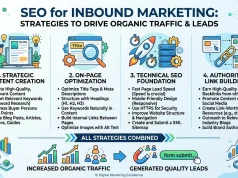
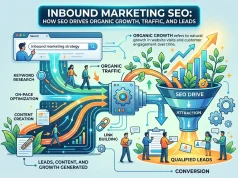
SEO is a foundational element of inbound architecture. It drives organic traffic by aligning content with user search intent. Technical SEO, keyword strategy, and on-page optimization ensure that inbound content is discoverable and consistently attracts qualified visitors.
Is inbound marketing architecture effective for B2B businesses?
Absolutely. Inbound architecture is especially effective for B2B companies with long sales cycles and multiple decision-makers. It supports lead nurturing, education, and trust-building throughout the buying process, making it easier to convert high-value prospects.
What role does CRM play in inbound architecture?
CRM acts as the central data hub within inbound architecture. It stores customer information, tracks interactions, and enables personalized communication. CRM integration ensures smooth collaboration between marketing and sales teams and improves lead management efficiency.
How is inbound marketing success measured?
Success is measured using metrics such as lead volume and quality, conversion rates, customer acquisition cost, ROI, customer retention, and lifetime value. Analytics and reporting tools help track performance across the entire inbound funnel.
Is inbound marketing architecture a one-time process?
No, inbound marketing architecture is an ongoing process. Continuous optimization, content updates, testing, and technology improvements are necessary to stay competitive and meet evolving customer expectations.