Inbound marketing pricing depends on goals, industry complexity, service scope, and strategy depth. Costs range from starter packages to enterprise solutions, each delivering different value levels. While upfront investment varies, inbound marketing offers long-term, compounding ROI through content, SEO, automation, and data-driven optimization when aligned with clear business objectives.
Choosing the right inbound marketing services can transform your business, but understanding the investment required is crucial for making informed decisions. Unlike traditional advertising, where costs are predictable, inbound marketing pricing varies significantly based on your goals, industry, and the complexity of your strategy.
What Influences Inbound Marketing Services Pricing?
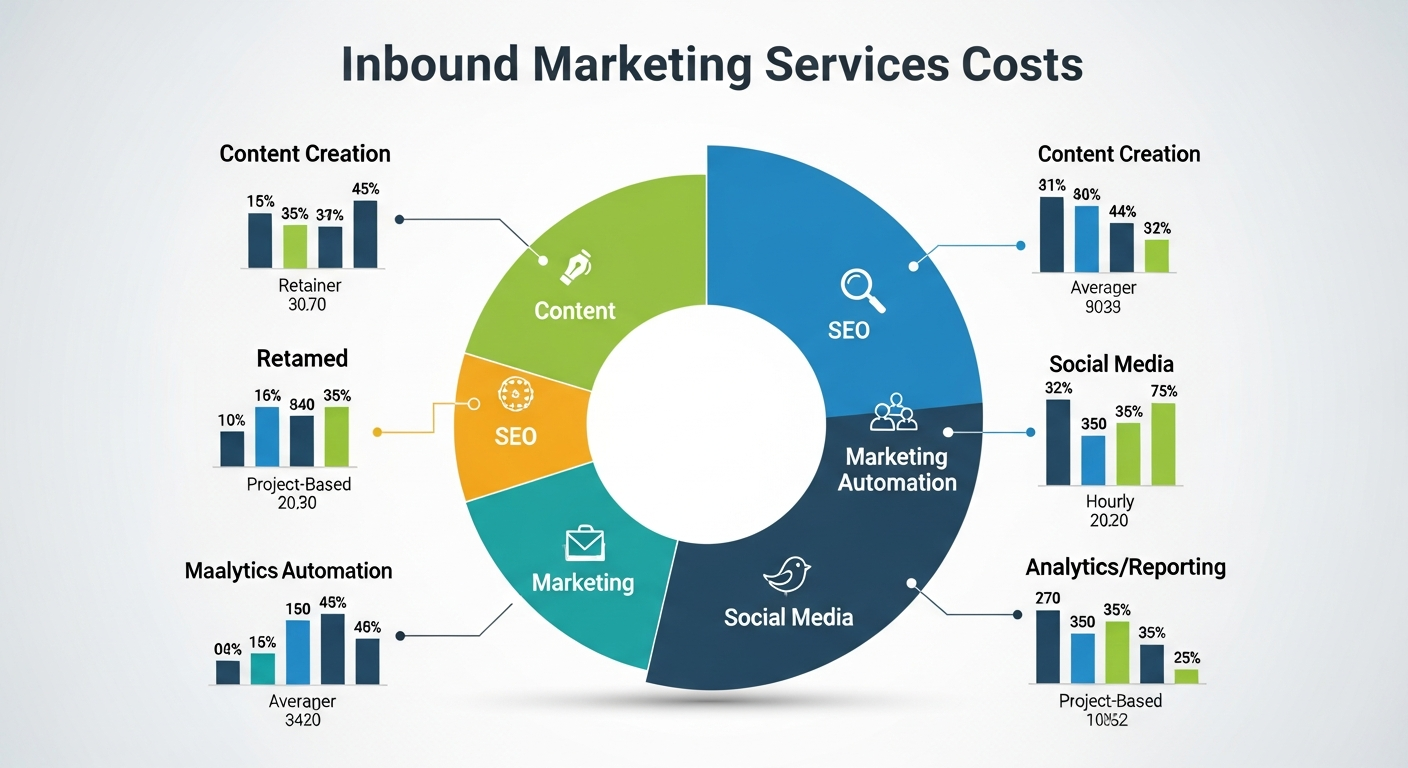
Several key factors determine how much you’ll pay for inbound marketing services. Understanding these variables helps you evaluate quotes and ensure you’re getting fair value for your investment. To learn more about how inbound strategies work alongside SEO, check out our detailed guide on Inbound Marketing and SEO.
Company Size and Goals
Your business size directly impacts the pricing structure. Small businesses typically start with basic packages focusing on essential elements like blog content, social media management, and email campaigns. These foundational services usually cost less but provide a limited scope.
Mid-market companies often require more sophisticated strategies involving multiple channels, advanced automation, and detailed analytics. Enterprise-level organizations need comprehensive solutions with dedicated account teams, custom integrations, and extensive reporting capabilities.
Industry Complexity
Some industries require specialized knowledge that commands premium pricing. Healthcare, financial services, and technology companies often face strict regulations, longer sales cycles, and highly technical content requirements. Agencies serving these sectors typically charge 15-30% more than those working with simpler business models.
Scope of Services
The breadth of services you need significantly affects your total investment. A basic content marketing package costs far less than a full-stack solution, including SEO, paid advertising, marketing automation, website development, and lead-nurturing campaigns.
Geographic Location
Agency location influences pricing structures. Firms based in major metropolitan areas like New York, San Francisco, or London typically charge premium rates due to higher operational costs. Regional agencies often provide similar quality services at more competitive prices.
Common Inbound Marketing Pricing Models
Agencies structure their pricing using several different approaches. Each model has advantages and disadvantages depending on your situation and preferences.
Monthly Retainer Model
Most established agencies prefer monthly retainer arrangements. This model provides predictable revenue for the agency while giving clients consistent service delivery. Retainers typically range from $3,000 to $15,000 monthly, depending on service scope and agency reputation.
The retainer model works well for long-term partnerships where you need ongoing content creation, campaign management, and strategic guidance. You’ll receive a set amount of work each month, with clear deliverables and performance metrics.
Project-Based Pricing
Some agencies offer project-based pricing for specific initiatives like website redesigns, campaign launches, or content audits. Projects can range from $5,000 for basic website optimization to $50,000 or more for comprehensive marketing system implementations.
This approach suits businesses with defined short-term goals or those testing an agency relationship before committing to ongoing services.
Performance-Based Pricing
A growing number of agencies offer performance-based models where fees tie directly to results like lead generation, conversion rates, or revenue growth. Base fees are typically lower, but success bonuses can increase total costs significantly.
While performance-based pricing aligns agency incentives with your goals, it requires sophisticated tracking systems and clear success metrics that both parties agree upon.
Hourly Consulting
Strategic consulting often uses hourly rates ranging from $150 to $500 per hour. Senior strategists and specialists command higher rates, while junior team members cost less. This model works best for advisory services, audits, or supplementing internal marketing teams.
Typical Pricing Ranges by Service Level
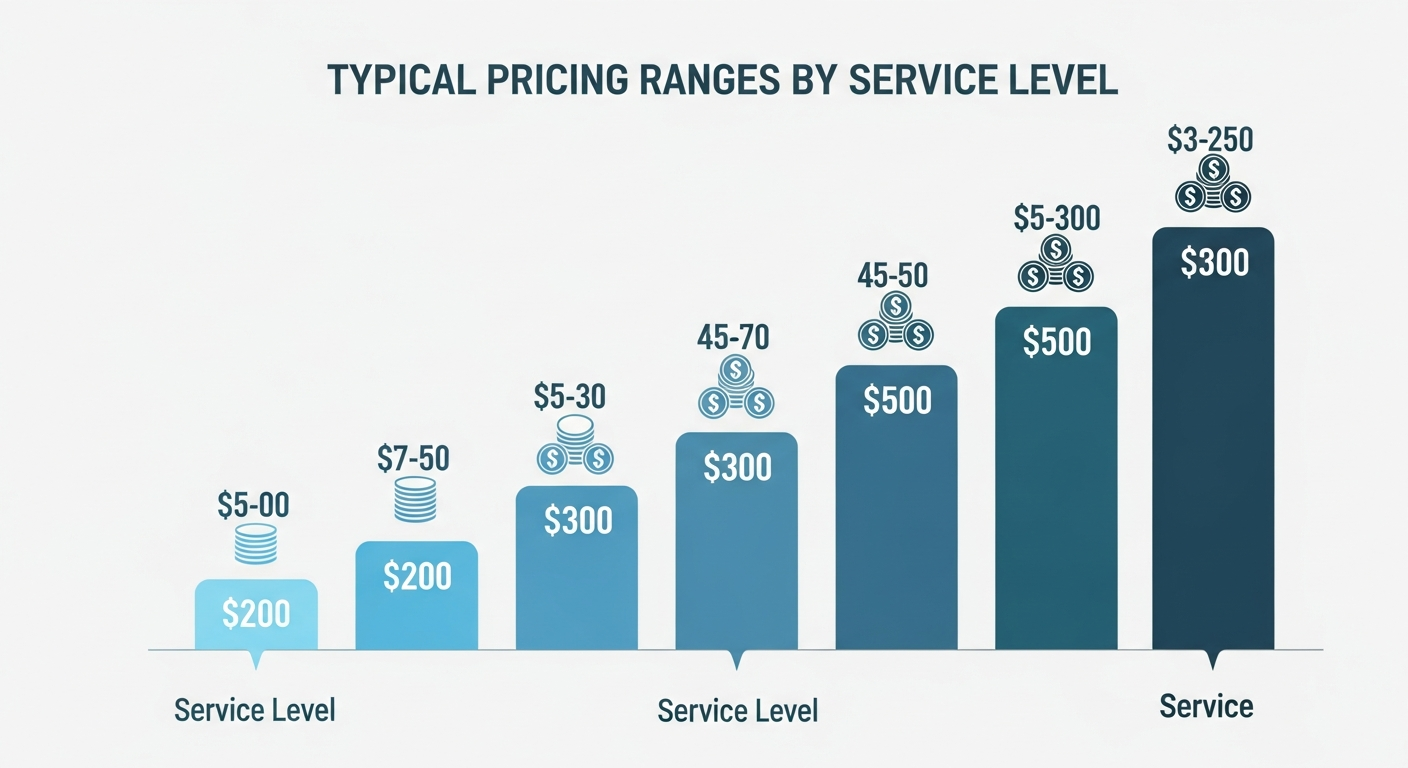
Understanding standard pricing tiers helps you evaluate proposals and set realistic budget expectations.
Starter Packages ($2,000 – $5,000/month)
Entry-level packages typically include basic content marketing, social media management, and email campaigns. You might receive 4-8 blog posts monthly, social media posting, and simple email sequences. These packages suit small businesses starting their inbound marketing journey.
Growth Packages ($5,000 – $10,000/month)
Mid-tier services expand to include SEO optimization, lead-nurturing campaigns, and more sophisticated content strategies. Expect 8-12 blog posts, premium content offers, landing page creation, and detailed performance reporting. This level suits growing companies ready to scale their marketing efforts.
Enterprise Solutions ($10,000 – $25,000+/month)
Comprehensive packages include everything from content creation to marketing automation, paid advertising management, and strategic consulting. You’ll receive dedicated account management, custom reporting, and priority support. Large organizations with complex sales processes typically require this service level.
Hidden Costs to Consider
Beyond base service fees, several additional costs can impact your total investment.
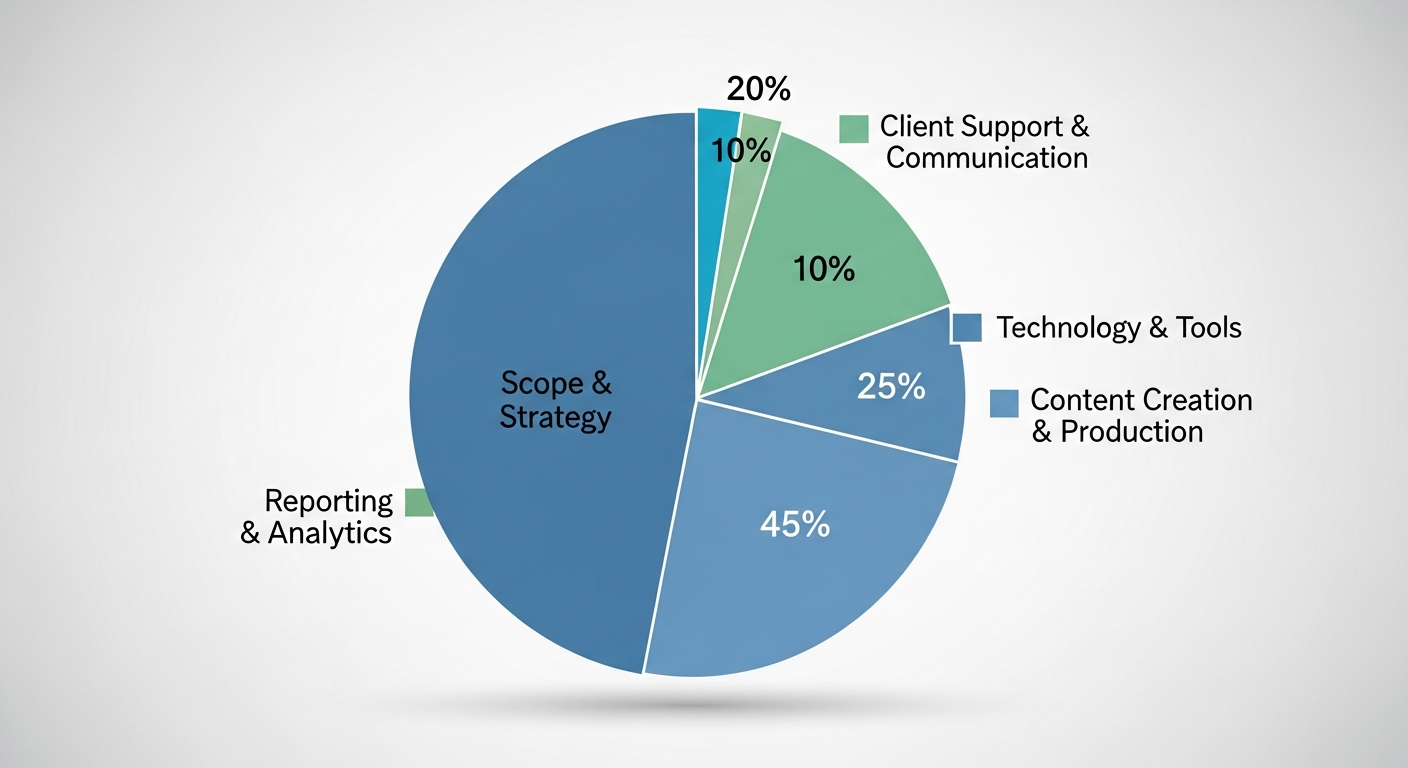
Technology and Software Licensing
Most agencies use premium marketing tools for automation, analytics, and content management. Some include these costs in their fees, while others pass them through to clients. Budget an additional $500-2,000 monthly for software licensing.
Content Production Costs
High-quality content often requires additional investments in photography, videography, graphic design, or premium research tools. These costs vary widely but can add 10-20% to your monthly fees.
Paid Advertising Management
If your strategy includes paid social media or search advertising, expect management fees of 10-20% of your ad spend on top of the actual advertising costs.
How to Evaluate Inbound Marketing Service Value
Price alone doesn’t determine value. Consider these factors when comparing agencies and pricing proposals. Check out our Digital Inbound Marketing Complete Guide.
Team Experience and Expertise
Experienced teams deliver better results faster, potentially providing better return on investment despite higher upfront costs. Review case studies, client testimonials, and team credentials carefully.
Reporting and Transparency
Quality agencies provide detailed reporting showing how your investment translates into business results. Look for clear metrics tracking website traffic, lead generation, conversion rates, and revenue attribution.
Scalability and Flexibility
Your marketing needs will evolve as your business grows. Choose partners who can scale services up or down and adapt strategies based on performance data and changing business priorities.
Goal-Based Budget Planning
Inbound marketing costs should always be tied to measurable business goals. Whether your objective is brand awareness, lead generation, or sales growth, each goal demands a different level of investment. A company aiming to generate 50 qualified leads per month will need fewer resources than one targeting nationwide brand authority. Goal-based planning ensures your budget is allocated efficiently, avoiding wasted spend on unnecessary channels. Agencies that start with clear KPIs—such as traffic growth, conversion rates, or pipeline value—deliver better ROI. Always align your marketing budget with short-term wins and long-term growth milestones to maximize results.
Content Volume and Quality Impact
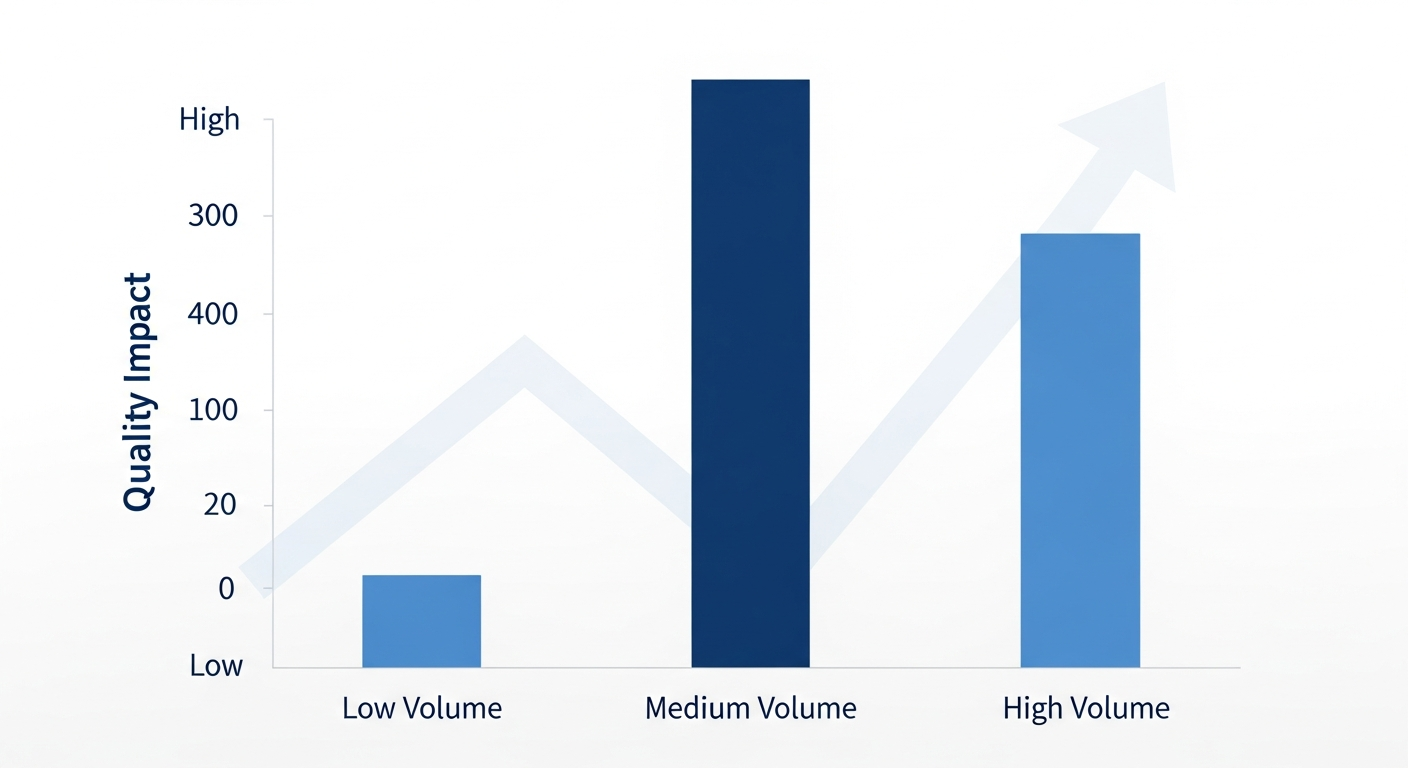
The quantity and quality of content significantly affect pricing. High-performing inbound strategies rely on in-depth blogs, case studies, videos, and gated assets. Long-form, research-driven content costs more but delivers higher engagement and SEO value. Cheap, low-quality content may reduce upfront costs but often fails to convert or rank. Agencies investing in skilled writers, editors, and strategists naturally charge higher fees. However, quality content compounds over time, generating traffic and leads long after publication. When evaluating pricing, assess content depth, originality, and alignment with buyer intent—not just the number of deliverables.
Making the Right Investment Decision
Success with inbound marketing requires viewing it as a long-term investment rather than an expense. Most businesses see meaningful results within 6-12 months, with compound benefits continuing over time.
Start by clearly defining your goals and budget parameters. Request detailed proposals from multiple agencies, focusing on those with relevant industry experience and proven track records. Remember that the cheapest option rarely provides the best value, while the most expensive doesn’t guarantee superior results.
Consider starting with a smaller engagement to test the relationship before committing to comprehensive services. This approach lets you evaluate agency communication, work quality, and cultural fit before making larger investments.
The right inbound marketing partner becomes an extension of your team, driving sustainable growth and helping you achieve ambitious business goals. Take time to choose wisely, and you’ll build a partnership that delivers exceptional returns for years to come.
Conclusion
Inbound marketing pricing varies because no two businesses have the same goals, audiences, or growth stages. While costs may seem high initially, inbound delivers long-term value through sustainable traffic, qualified leads, and brand authority. The key is aligning investment with strategy, choosing the right partner, and committing to consistent execution. When done right, inbound marketing becomes one of the highest ROI channels for business growth.
Frequently Asked Questions (FAQ)
How long does inbound marketing take to show results?
Inbound marketing is a long-term growth strategy rather than a quick win. Most businesses begin to see early traction within 3–6 months through increased website traffic, engagement, and initial lead generation. Strong, consistent ROI usually develops between 6–12 months as content ranks higher in search engines, brand trust grows, and lead nurturing improves conversion rates. Results continue to compound over time with ongoing optimization.
Is inbound marketing cheaper than paid advertising?
In the long run, inbound marketing is typically more cost-effective than paid advertising. Paid ads deliver immediate traffic but stop generating results once the budget ends. Inbound marketing focuses on creating lasting assets such as blog content, SEO authority, and automated workflows that continue driving leads without ongoing ad spend. Over time, the cost per lead usually decreases significantly.
Can small businesses afford inbound marketing?
Yes, inbound marketing is highly accessible for small businesses. Starter packages are designed to focus on essential activities like content creation, SEO basics, and email marketing. These services are scalable, allowing businesses to start with a manageable budget and expand as results and revenue grow. Inbound marketing helps small businesses compete with larger brands by leveraging strategy rather than ad spend.
Why do inbound marketing prices vary so much?
Inbound marketing pricing varies due to differences in agency experience, service scope, tools used, and strategic depth. Agencies offering advanced SEO, automation, analytics, and custom strategy naturally charge more than those providing basic content services. Industry complexity, campaign scale, and performance tracking requirements also impact overall pricing.
Does inbound marketing replace traditional advertising?
Inbound marketing can replace or complement traditional advertising depending on your business objectives. Many companies gradually reduce traditional ad spending as inbound channels begin generating consistent leads. Others use inbound alongside traditional advertising to support brand awareness, product launches, or short-term campaigns. The most effective strategies often integrate both approaches.
Are inbound marketing results guaranteed?
No ethical inbound marketing agency can guarantee specific results, as performance depends on market conditions, competition, and execution consistency. However, agencies using proven frameworks, data-driven strategies, and continuous optimization significantly reduce risk. Transparent reporting and clear KPIs help track progress and ensure accountability.
Is SEO included in inbound marketing?
Yes, SEO is a core foundation of inbound marketing. Most inbound strategies include keyword research, on-page optimization, technical SEO improvements, and content creation designed to rank in search engines. SEO ensures that your content is discoverable by users actively searching for solutions related to your business.
Can inbound services be paused or adjusted?
Inbound services can often be paused or adjusted, depending on contract terms. Monthly retainer agreements typically offer greater flexibility than long-term fixed contracts. Many agencies allow scope adjustments, campaign shifts, or temporary pauses based on business needs, seasonal demand, or budget changes.
Who owns the content created?
In most cases, the client owns all content created as part of inbound marketing services. This includes blog posts, landing pages, emails, and downloadable assets. Ownership details should always be clearly outlined in the contract to avoid future disputes and ensure full control over marketing assets.
Is inbound marketing only for B2B companies?
No, inbound marketing is effective for both B2B and B2C businesses. While it is especially popular in B2B due to longer sales cycles, B2C companies also benefit from content-driven discovery, SEO, social engagement, and email nurturing. The strategy is adaptable to nearly any industry or audience type.
What tools are used for inbound marketing?
Inbound marketing commonly uses tools such as HubSpot for automation and CRM, Google Analytics for performance tracking, SEMrush or Ahrefs for SEO research, and email marketing platforms for lead nurturing. Tool selection depends on business size, goals, and reporting requirements.
How is inbound marketing success measured?
Success is measured through a combination of metrics, including website traffic growth, lead volume and quality, conversion rates, engagement levels, and revenue attribution. Advanced tracking may also include customer lifetime value, pipeline contribution, and ROI analysis to ensure marketing efforts align with business goals.