Journey-based inbound marketing aligns content with how customers discover, evaluate, and buy. By delivering the right message at awareness, consideration, decision, and post-purchase stages, businesses build trust, improve conversions, retain customers, and create advocates through consistent, helpful, data-driven content and measurement across channels and throughout the entire customer lifecycle.
Most businesses approach marketing like throwing spaghetti at a wall—they create content, send emails, and run ads, hoping something sticks. But successful companies understand that effective inbound marketing requires a more strategic approach: mapping your marketing efforts to each stage of the customer journey.
When you align your inbound marketing strategy with how customers actually discover, evaluate, and purchase from your business, you create more meaningful connections and drive better results. Instead of generic content that speaks to everyone (and no one), you deliver the right message at the right time to the right person.
Understanding the Customer Journey Framework
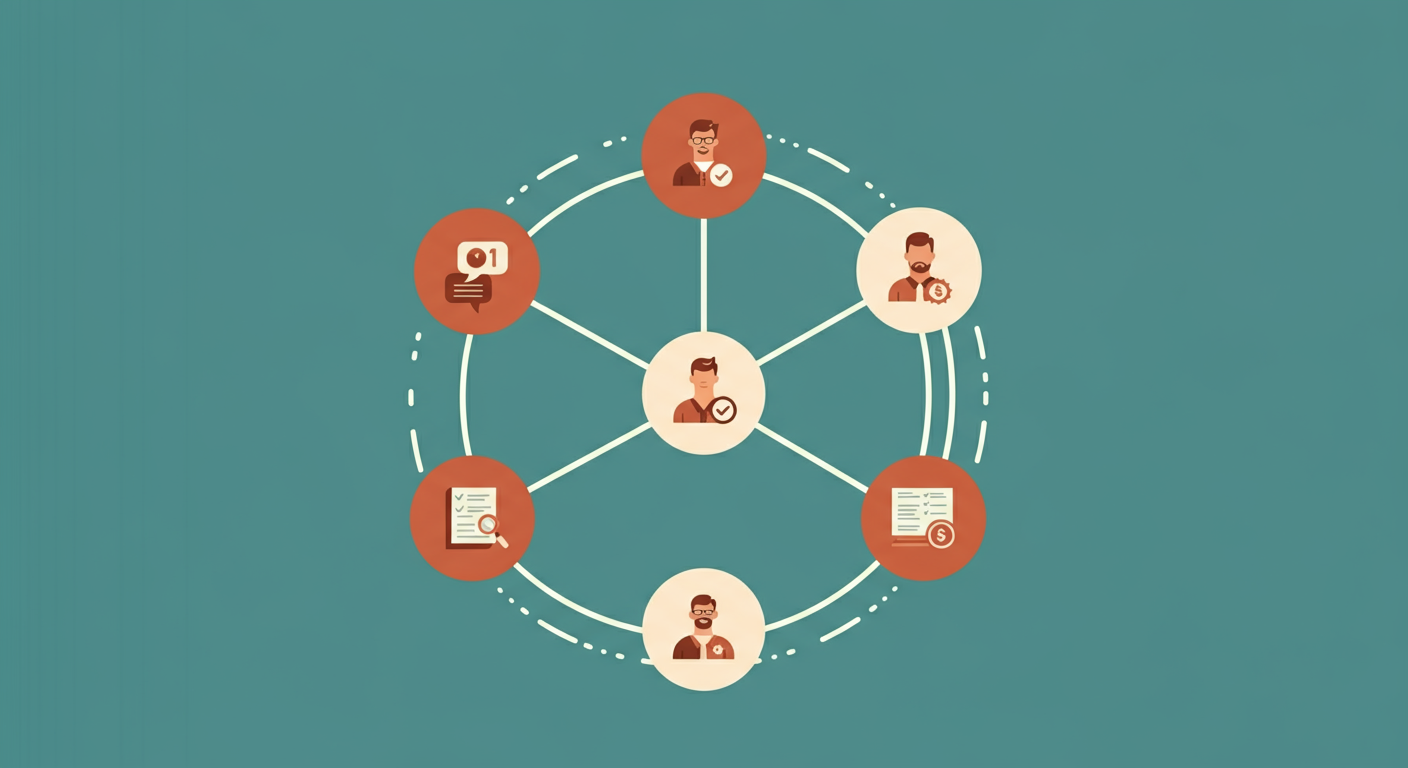
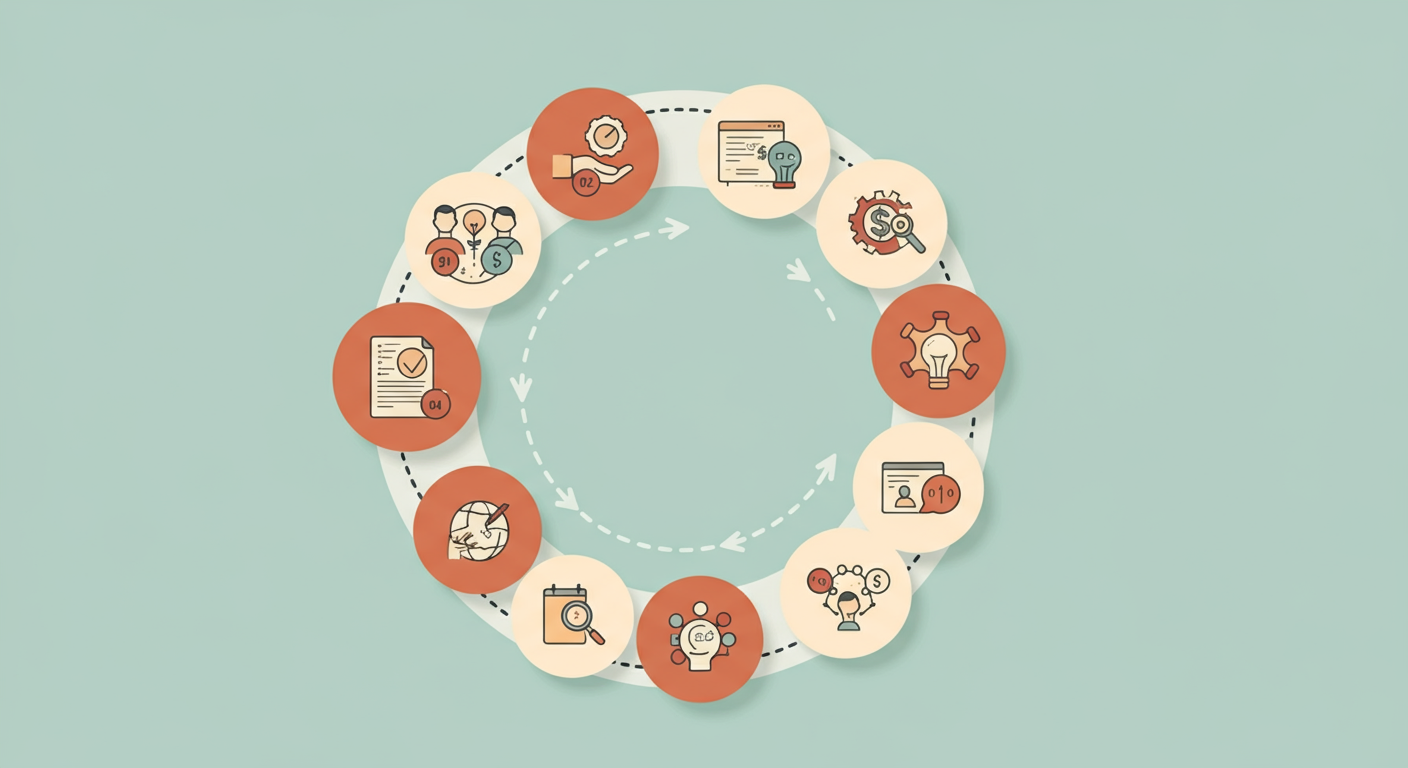
The customer journey represents the complete experience a person has with your brand, from first becoming aware of your existence to making a purchase and beyond. While every customer’s path is unique, most follow a similar progression through predictable stages.
The traditional customer journey consists of three main phases: awareness, consideration, and decision. However, modern inbound marketing recognizes that the relationship doesn’t end at purchase—retention and advocacy are equally important for sustainable growth. Learn more about Select How Inbound Marketing Generates Leads
How Inbound Marketing Generates Leads.
During the awareness stage, potential customers realize they have a problem or need but may not yet understand the full scope of their challenge. They’re asking questions like “Why is this happening?” or “What should I be doing differently?”
In the consideration stage, prospects have clearly defined their problem and are actively researching solutions. They’re comparing different approaches and evaluating which option best fits their needs, budget, and timeline.
The decision stage occurs when buyers have narrowed their options and are ready to make a purchase. They’re looking for proof that your solution delivers results and offers good value for their investment.
Awareness Stage: Attracting the Right Prospects
Inbound marketing during the awareness stage focuses on creating helpful, educational content that addresses the problems your ideal customers face. Your goal isn’t to sell—it’s to establish trust and position your brand as a valuable resource.
Blog posts work exceptionally well for awareness-stage marketing because they help you rank for the questions your prospects are searching for. Create content that explores industry trends, explains complex concepts, and offers practical tips for common challenges. Focus on topics related to your expertise, but avoid being overly promotional.
Social media provides another powerful channel for awareness-stage inbound marketing. Share insights, industry news, and helpful resources that your target audience will find valuable. Engage in conversations, answer questions, and demonstrate your knowledge without pushing your products or services.
Search engine optimization plays a crucial role in awareness-stage success. Research the keywords your prospects use when describing their problems, then create content that naturally incorporates these terms. Long-tail keywords often work particularly well because they capture more specific search intent.
Video content can be especially effective for complex topics that benefit from visual explanation. Create educational videos that break down industry concepts, demonstrate techniques, or share insights from your experience. Host these on platforms where your audience spends time, whether that’s YouTube, LinkedIn, or industry-specific communities.
Consideration Stage: Building Trust and Credibility
Once prospects understand their problem, they begin evaluating potential solutions. Your inbound marketing during the consideration stage should help them understand different approaches while positioning your methodology as the most effective option.
In-depth guides and whitepapers work well for consideration-stage prospects who want comprehensive information. These longer-form pieces allow you to explore topics thoroughly and demonstrate your expertise. Include real examples, case studies, and data to support your recommendations.
Webinars and educational events provide opportunities to engage directly with prospects while delivering valuable content. Choose topics that address common decision-making challenges your prospects face, and include time for questions and discussion.
Email nurture campaigns help maintain engagement with prospects who aren’t ready to buy immediately. Develop sequences that deliver valuable content over time, gradually building trust and demonstrating your expertise. Personalize these campaigns based on the prospect’s interests and behavior.
Comparison content helps prospects understand how different solutions stack up against each other. Create honest, objective comparisons that highlight the strengths and weaknesses of various approaches. This builds credibility and helps prospects make informed decisions.
Decision Stage: Converting Prospects to Customers
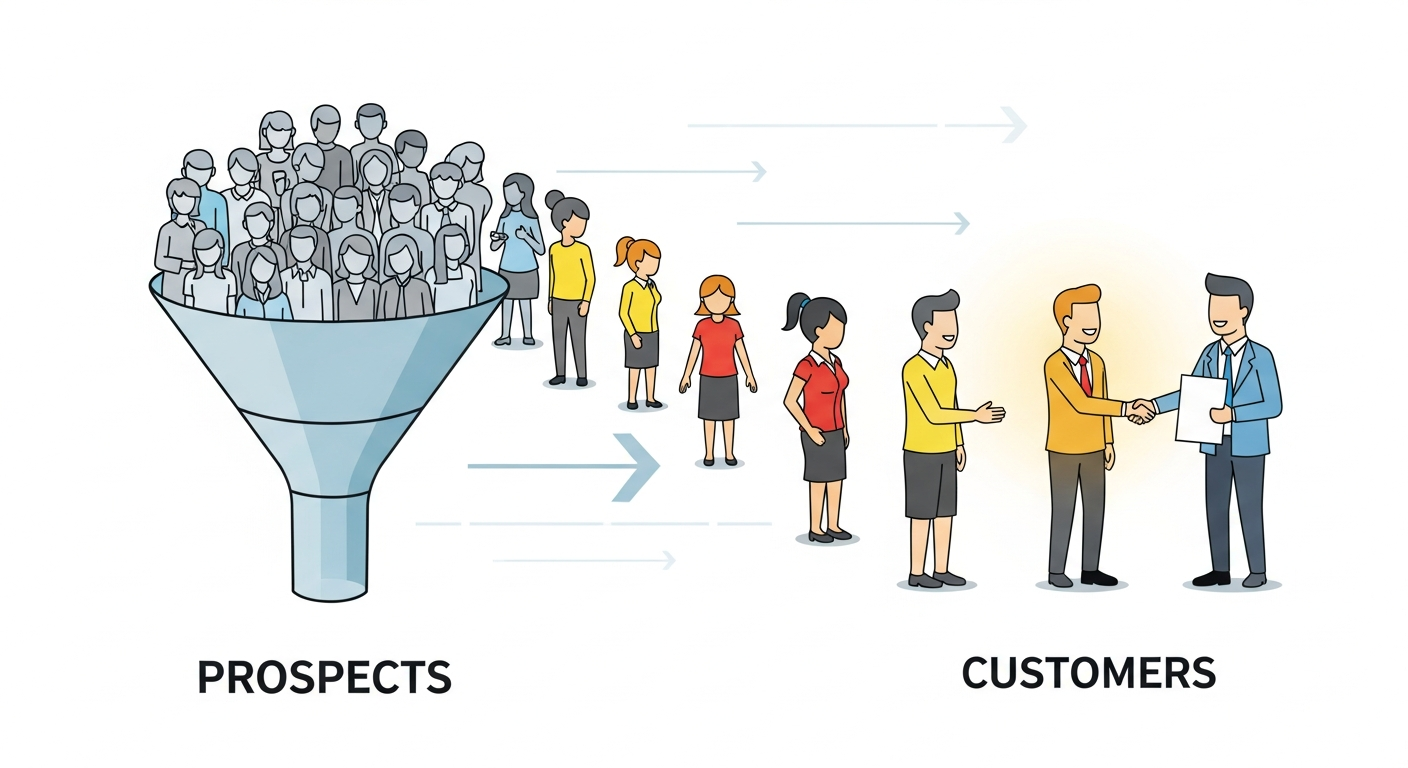
Decision-stage inbound marketing focuses on providing the final pieces of information prospects need to feel confident about their purchase. This stage requires more direct engagement and personalized attention.
Detailed case studies show exactly how your solution has helped similar customers achieve their goals. Include specific results, timelines, and challenges overcome. Make these stories as relatable as possible to your prospect’s situation.
Product demonstrations and free trials remove risk from the buying decision. Allow prospects to experience your solution firsthand and see how it addresses their specific needs. Provide support during the trial period to maximize the likelihood of conversion.
Sales enablement content helps your team address common objections and concerns. Create battle cards, FAQ documents, and presentation templates that sales representatives can use during prospect conversations.
Customer testimonials and reviews provide social proof that influences buying decisions. Collect feedback from satisfied customers and showcase it prominently on your website and in your sales materials. Video testimonials often carry more weight than written reviews.
Post-Purchase: Retention and Advocacy
Inbound marketing extends well beyond the initial sale. Delivering ongoing value after purchase strengthens customer satisfaction, reduces churn, and unlocks opportunities for upsells, renewals, and referrals.
Effective onboarding is critical to early success. Clear step-by-step guides, video tutorials, and best-practice resources help customers achieve quick wins and realize value faster, increasing long-term retention.
Ongoing education deepens engagement. Advanced tips, feature updates, and real-world use cases encourage customers to expand their usage and maximize results, often leading to additional revenue.
Customer success programs reinforce trust and loyalty. Proactive check-ins, performance monitoring, and strategic reviews show customers that you’re invested in their goals—not just the sale.
Finally, referral programs turn satisfied customers into brand advocates. By making referrals simple and rewarding, you transform positive experiences into a scalable source of new growth.
Measuring Success Across the Customer Journey
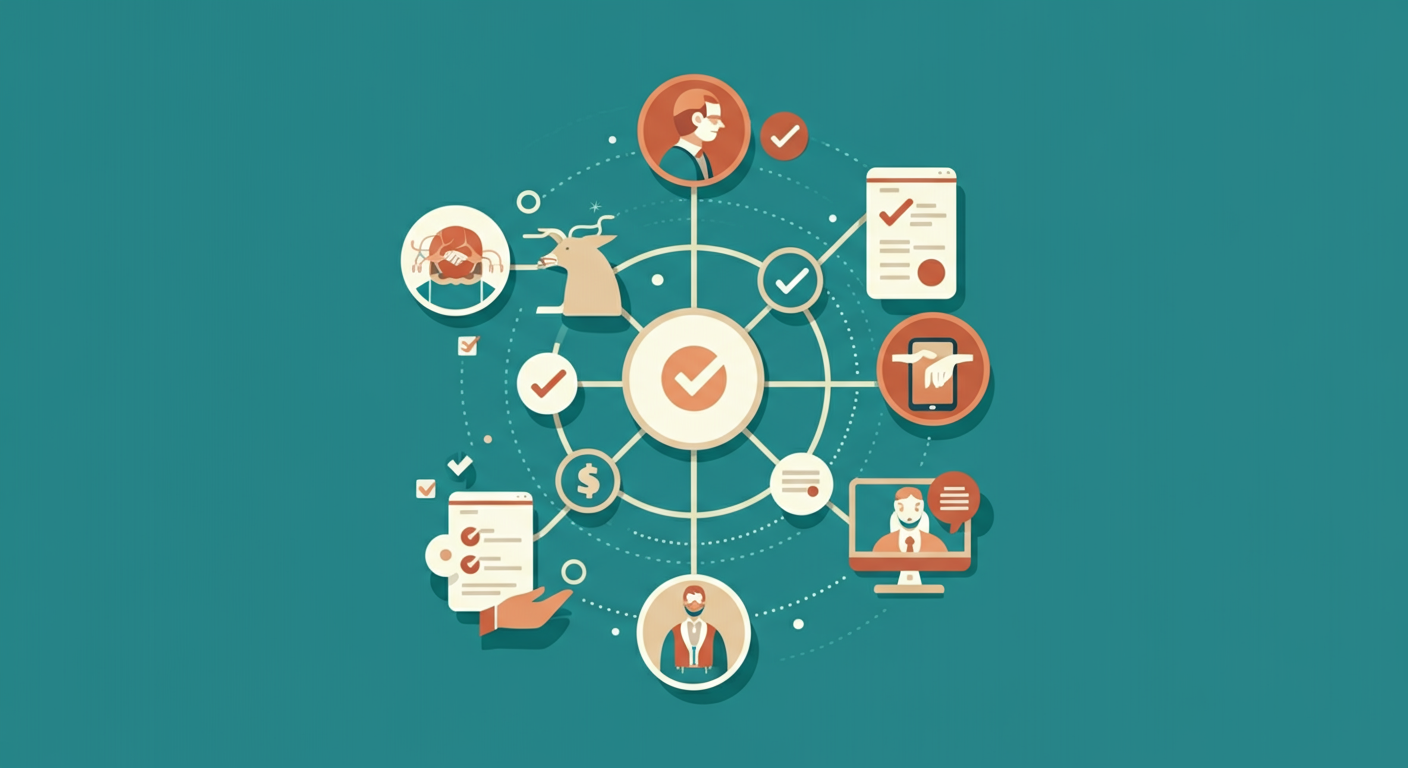
Effective inbound marketing requires continuous measurement and optimization. Track different metrics at each stage of the customer journey to understand what’s working and where improvements are needed.
Awareness-stage metrics focus on reach and engagement. Monitor website traffic, social media followers, content consumption, and brand mention volume. These indicators show whether your content is attracting the right audience.
Consideration-stage metrics measure engagement depth and lead quality. Track email subscription rates, content download numbers, webinar attendance, and lead scoring progression. These signals indicate whether prospects are genuinely interested in your solution.
Decision-stage metrics focus on conversion rates and sales velocity. Monitor demo requests, trial sign-ups, proposal acceptance rates, and time-to-close. These metrics reveal how effectively you’re moving prospects toward a purchase decision.
Post-purchase metrics measure customer satisfaction and growth. Track onboarding completion rates, product adoption levels, customer satisfaction scores, and referral generation. These indicators show whether you’re delivering on your promises and creating advocates.
Building Your Inbound Marketing Action Plan
Creating an effective customer journey-focused inbound marketing strategy requires careful planning and consistent execution. Start by mapping your current content to each stage of the customer journey, identifying gaps where prospects might struggle to find the information they need. This audit provides clarity on what assets are working, what needs improvement, and where new content should be developed to better support prospects at every step.
Develop content calendars that ensure you’re consistently creating valuable resources for each stage. A well-structured calendar helps maintain momentum, aligns content creation with business goals, and prevents over-focusing on only one part of the journey. Balance educational content with more promotional pieces, but always prioritize providing value over pushing your products, as trust and relevance are the foundation of successful inbound marketing.
Implement marketing automation tools that can deliver the right content at the right time based on prospect behavior and characteristics. Automation enables personalized experiences at scale, ensuring prospects receive content that matches their interests, intent, and stage in the journey. This personalization improves engagement, nurtures relationships more effectively, and accelerates progression through the customer journey.
Create feedback loops that help you understand how well your inbound marketing aligns with actual customer needs. Regular surveys, customer interviews, behavioral analytics, and sales team input provide valuable insights into what resonates and what falls short. Use this feedback to refine messaging, optimize content formats, and adjust campaigns, allowing your inbound marketing strategy to continuously evolve and deliver stronger results over time.
Transforming Your Marketing Through Journey Mapping
Mapping inbound marketing to the customer journey transforms random marketing activities into a cohesive strategy that guides prospects smoothly from awareness to advocacy. By understanding where your customers are in their journey and delivering relevant, helpful content at each stage, you build trust, demonstrate value, and create lasting relationships.
Start by auditing your current marketing efforts against the customer journey framework. Identify which stages you’re serving well and where gaps exist. Then, systematically develop content and campaigns that address each stage’s unique needs and challenges.
Remember that the customer journey isn’t always linear—prospects may jump between stages or need different types of content depending on their situation. Stay flexible and responsive to individual needs while maintaining your overall strategic approach.
Conclusion
Inbound marketing is most effective when it follows the customer journey rather than relying on scattered tactics. By aligning content, channels, and messaging with each stage—from awareness to advocacy—you create a seamless experience that builds trust and drives long-term growth. A journey-focused approach turns marketing into meaningful relationships, not just one-time conversions.
FAQs
1. What is inbound marketing aligned to the customer journey?
It’s a strategy that delivers relevant content based on where a prospect is—awareness, consideration, decision, and post-purchase—to guide them naturally toward conversion and loyalty.
2. Why is journey mapping important in inbound marketing?
Journey mapping ensures prospects get the right message at the right time, improving engagement, trust, and conversion rates while reducing wasted marketing efforts.
3. What content works best at the awareness stage?
Educational blogs, social media posts, SEO-driven articles, and videos that address common problems without selling work best at this stage.
4. How do you nurture leads in the consideration stage?
Use in-depth guides, webinars, comparison content, and email nurture campaigns to build credibility and help prospects evaluate solutions.
5. What helps convert prospects at the decision stage?
Case studies, demos, free trials, testimonials, and sales enablement content provide proof and reduce purchase risk.
6. Does inbound marketing continue after purchase?
Yes. Post-purchase content like onboarding guides, customer education, success programs, and referral initiatives drives retention and advocacy.