Inbound marketing helps small businesses grow by attracting customers through valuable content, SEO, social media, and email marketing. It’s a cost-effective, long-term strategy that builds trust and drives organic traffic. By choosing affordable services and the right partners, businesses can achieve sustainable growth without relying on expensive traditional advertising.
Finding marketing help that fits your budget can feel like a huge challenge, especially when you’re just starting out. Many small business owners believe that effective marketing requires a massive investment, leaving them feeling stuck. The good news is that you don’t need a Fortune 500 budget to achieve meaningful results. Affordable inbound marketing services are not only accessible but can also deliver a significant return on your investment.
Inbound marketing focuses on attracting customers through valuable content and tailored experiences. Instead of interrupting people with traditional ads, you draw them in by offering solutions to their problems. This guide will walk you through the different types of affordable inbound marketing services, explain how to find the right fit for your business, and show you how to get started without breaking the bank. By the end, you’ll have a clear roadmap for growing your business sustainably.
What is Inbound Marketing?

Inbound marketing is a business strategy that attracts customers by creating valuable content and experiences tailored to them. While traditional outbound marketing interrupts your audience with content they don’t always want (like cold calls and paid ads), inbound marketing forms connections they are looking for and solves problems they already have.
The core idea is to build trust and credibility with your target audience. By providing useful information through blog posts, social media, and search engines, you position your brand as a helpful expert. This approach naturally guides potential customers through their buying journey, from initial awareness to the final purchase decision. Ultimately, inbound marketing is about building lasting relationships that turn prospects into loyal customers and advocates for your brand.
Key Inbound Marketing Services to Consider
When you’re looking for affordable options, it’s helpful to know which services offer the most impact for your investment. Here are the core components of a strong inbound marketing strategy.
Content Creation
Content is the foundation of any successful inbound marketing strategy. It’s how you attract, engage, and delight your audience. High-quality content establishes your brand’s authority and provides the value that draws customers to you.
- Blogging: Regularly publishing blog posts on topics relevant to your audience helps improve your website’s search engine optimization (SEO) and drives organic traffic. It’s an excellent way to answer your customers’ questions and showcase your expertise.
- Ebooks and Whitepapers: These long-form content pieces are perfect for lead generation. You can offer them as free downloads in exchange for a visitor’s contact information, allowing you to nurture them into customers.
- Videos and Webinars: Visual content is highly engaging and shareable. Explainer videos, product tutorials, and live webinars can build a strong connection with your audience and effectively communicate your value proposition.
Search Engine Optimization (SEO)
SEO is the process of optimizing your website to rank higher in search engine results pages (SERPs). Better visibility in search engines like Google means more organic traffic to your site, which is essentially free advertising.
- Keyword Research: Identifying the terms your target audience uses to search for products or services like yours is the first step. Targeting the right keywords ensures your content reaches the right people.
- On-Page SEO: This involves optimizing individual web pages to rank higher. It includes optimizing titles, meta descriptions, headings, and content with your target keywords.
- Technical SEO: This ensures your website’s technical structure is sound, making it easy for search engines to crawl and index your site. A fast-loading, mobile-friendly website is crucial for a good user experience and better rankings.
Social Media Marketing
Social media platforms are powerful tools for connecting with your audience, building brand awareness, and driving traffic to your website. The key is to be present on the platforms where your target customers spend their time.
- Content Distribution: Share your blog posts, videos, and other content across your social media channels to expand its reach.
- Community Engagement: Interact with your followers by responding to comments, running polls, and asking questions. Building an engaged community fosters loyalty and turns followers into brand advocates.
- Paid Social Advertising: While inbound is largely organic, targeted social media ads can be a cost-effective way to reach a specific demographic and promote your most valuable content.
Email Marketing
Email marketing remains one of the most effective inbound marketing channels for nurturing leads and retaining customers. It allows you to communicate directly with your audience, providing them with personalized content and offers.
- Lead Nurturing: Create automated email sequences to guide new subscribers through the sales funnel, providing them with relevant information at each stage.
- Newsletters: Regular newsletters keep your audience engaged and informed about your latest content, products, and company news.
- Promotional Emails: Announce special offers, discounts, and new products to drive sales and reward loyal customers.
How to Find Affordable Inbound Marketing Services
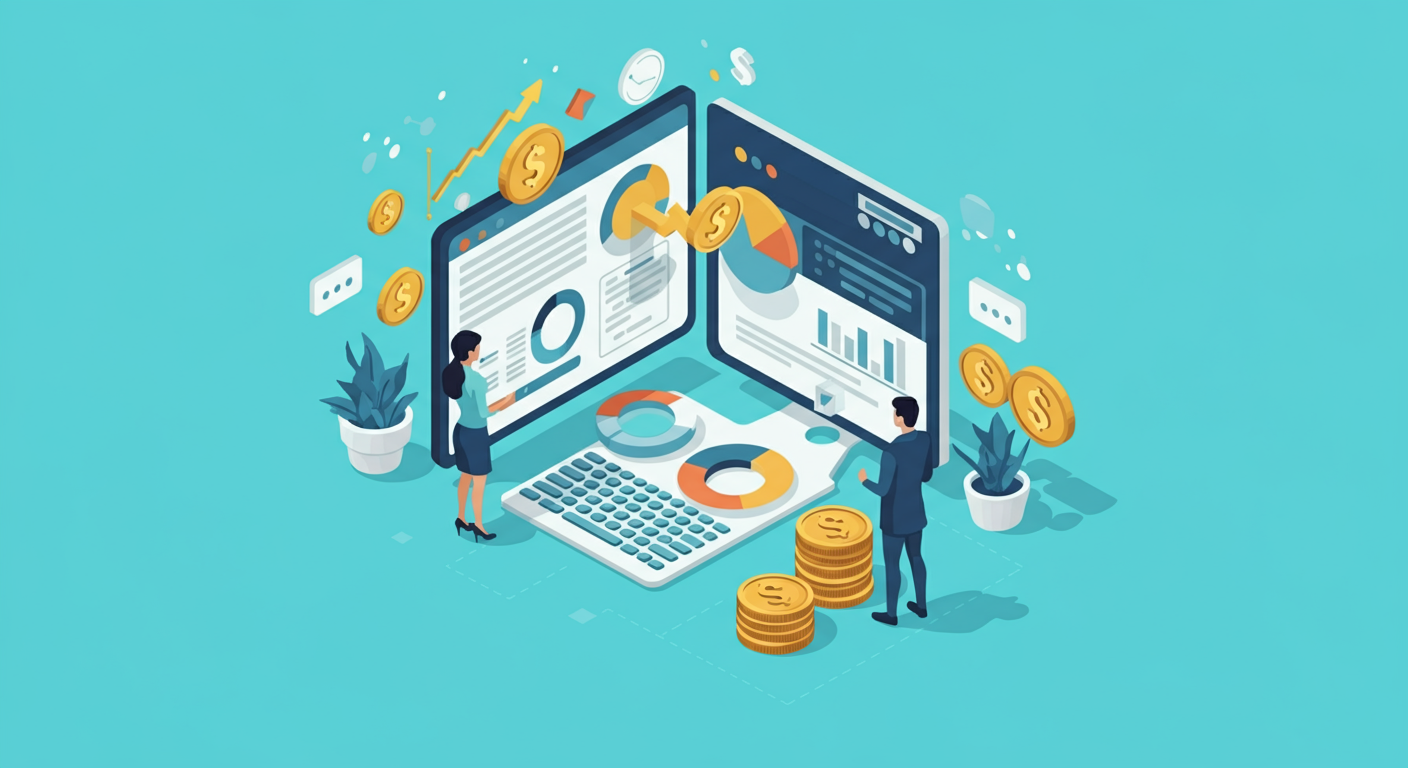
Now that you know what to look for, the next step is finding the right partner to help you execute your strategy. Here are a few reliable avenues for sourcing affordable inbound marketing help.
Freelance Platforms
Websites like Upwork, Fiverr, and Freelancer.com are marketplaces where you can find independent professionals specializing in various aspects of inbound marketing.
- Pros: You can find talent at a wide range of price points, making it easy to find someone who fits your budget. You can hire for specific, short-term projects without a long-term commitment.
- Cons: The quality of work can vary significantly. It’s important to carefully review portfolios, read reviews, and conduct interviews to vet candidates thoroughly.
Boutique Marketing Agencies
Smaller, specialized agencies often offer more personalized service and flexible pricing compared to large, full-service firms. They can be a great middle ground between hiring a freelancer and bringing on a full-time employee.
- Pros: Boutique agencies provide a dedicated team of experts who can manage multiple aspects of your inbound strategy. They often have more streamlined processes and a deeper understanding of specific industries.
- Cons: They may have a smaller team and fewer resources than larger agencies. Ensure they have the capacity and expertise to handle all your needs.
In-House Junior Marketers or Interns
Hiring a recent graduate or an intern can be a cost-effective way to build an in-house marketing team. They bring fresh perspectives and a strong desire to learn.
- Pros: This is often the most budget-friendly option for getting dedicated, day-to-day marketing support. You have direct oversight and can shape their development to align with your business goals.
- Cons: They will require significant training, guidance, and supervision. This option is best if you or someone on your team has the time and expertise to mentor them effectively.
Vetting Your Options: What to Look For
Regardless of where you find your marketing help, it’s essential to properly vet your options to ensure you’re making a smart investment.
- Check Their Portfolio and Case Studies: A proven track record is the best indicator of future success. Look for examples of past work that are similar to what you need. Case studies with concrete data, like traffic growth or lead generation metrics, are especially valuable.
- Read Reviews and Testimonials: See what past clients have to say about their experience. Look for feedback on communication, reliability, and the quality of the results they delivered.
- Ask for a Custom Proposal: A one-size-fits-all approach rarely works in marketing. Ask for a proposal tailored to your specific goals and budget. This will also give you a sense of how well they understand your business.
Discuss Metrics and Reporting: Clarify how they will measure success and how often they will report on progress. A good partner will be transparent about their methods and focused on delivering measurable results.
Benefits of Affordable Inbound Marketing
Affordable inbound marketing offers long-term value without requiring a large upfront investment. Instead of spending heavily on ads that stop working once the budget runs out, inbound strategies continue to deliver results over time. High-quality content, SEO, and email campaigns attract qualified leads who are already interested in your solutions. This reduces customer acquisition costs and improves conversion rates. Inbound marketing also helps build brand authority and trust, making customers more likely to choose you over competitors. For small businesses, this approach creates predictable growth while keeping expenses under control. Over time, inbound marketing compounds—your content keeps working for you, generating traffic, leads, and sales long after it’s published.
Common Challenges Small Businesses Face
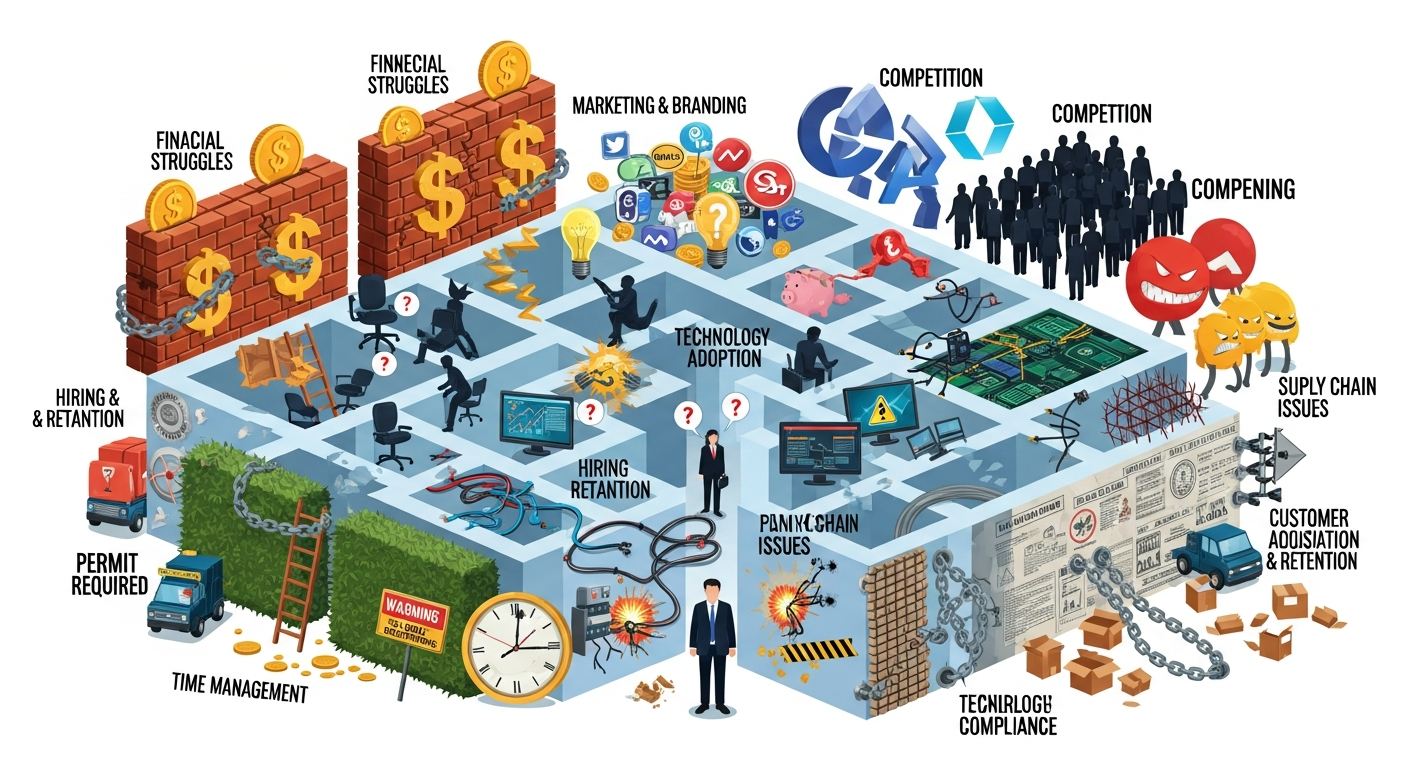
Small businesses often struggle with limited budgets, lack of expertise, and time constraints when implementing inbound marketing. Creating consistent, high-quality content can feel overwhelming, especially without a dedicated marketing team. SEO results take time, which may frustrate business owners looking for quick wins. Measuring performance and understanding analytics is another common challenge. However, these obstacles are manageable with the right strategy and realistic expectations. By starting small, focusing on priority channels, and using affordable tools or expert help, small businesses can overcome these challenges. The key is consistency, patience, and continuous improvement based on performance data.
How to Create a Budget-Friendly Inbound Strategy
A budget-friendly inbound marketing strategy starts with clear goals and audience understanding. Identify who your ideal customers are and what problems they need solved. Focus first on high-impact channels such as blogging, SEO, and email marketing. Repurpose content across platforms to maximize value—for example, turn blog posts into social media updates or email content. Use free or low-cost tools for keyword research, analytics, and scheduling. Instead of doing everything at once, prioritize activities that offer the best return. Regularly track performance and adjust your strategy to avoid wasting resources and improve efficiency over time.
The Role of Consistency in Inbound Marketing
Consistency is one of the most important factors in inbound marketing success. Publishing content regularly helps search engines recognize your site as active and trustworthy. It also keeps your audience engaged and coming back for more. Sporadic efforts rarely produce strong results, while consistent blogging, posting, and emailing build momentum over time. Even with a small budget, maintaining a steady content schedule can significantly improve visibility and lead generation. Consistency also strengthens your brand voice and messaging, making your business more recognizable. A realistic content calendar can help you stay organized and maintain consistent output without burnout.
Measuring ROI from Inbound Marketing
Measuring return on investment (ROI) ensures your inbound marketing efforts are delivering value. Key metrics include website traffic, lead conversion rates, cost per lead, email open rates, and customer lifetime value. Tools like Google Analytics, CRM systems, and email platforms help track these metrics effectively. ROI measurement allows you to identify which channels perform best and where to allocate your budget. While inbound marketing may take time to show results, consistent tracking reveals growth trends and opportunities for optimization. Clear reporting also helps justify marketing spend and guides smarter decision-making for future campaigns.
Your Path to Marketing Success
Investing in inbound marketing doesn’t have to drain your resources. By focusing on high-impact strategies and carefully choosing the right partners, you can build a powerful marketing engine that drives sustainable growth for your business. Start by identifying your most pressing needs—whether it’s creating compelling content, improving your SEO, or engaging with your audience on social media.
Take the time to explore your options, from talented freelancers to specialized boutique agencies. The right fit is out there, and with a clear strategy, you can attract, engage, and delight your ideal customers. Begin your journey today by outlining your goals and taking the first step toward building a successful inbound marketing program.
Conclusion
Affordable inbound marketing services make sustainable business growth achievable—even on a limited budget. By focusing on valuable content, SEO, social media, and email marketing, small businesses can attract the right audience without heavy ad spend. With the right strategy and partners, inbound marketing becomes a powerful, long-term investment that builds trust, drives leads, and supports consistent growth.
Frequently Asked Questions (FAQ)
1. Are inbound marketing services suitable for small businesses?
Yes. Inbound marketing is especially effective for small businesses because it focuses on organic growth, long-term results, and cost efficiency. You can start small and scale as your business grows.
2. How long does it take to see results from inbound marketing?
Inbound marketing is a long-term strategy. While some improvements (like engagement) may appear within weeks, measurable results such as increased traffic and leads typically take 3–6 months.
3. Which inbound marketing service should I start with?
Content creation and SEO are great starting points. They work together to increase visibility, build authority, and attract qualified traffic to your website.
4. Can inbound marketing work without paid advertising?
Yes. Inbound marketing primarily relies on organic methods like SEO, content, and email marketing. Paid ads can enhance results but are not mandatory.
5. How do I measure the success of inbound marketing?
Success is measured through metrics such as website traffic, lead generation, conversion rates, email engagement, and customer retention.