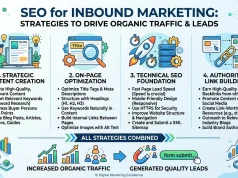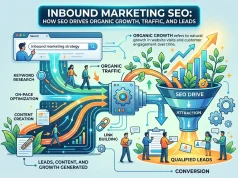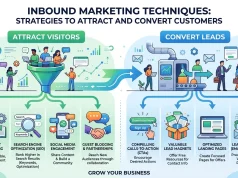

Inbound marketing attracts customers by delivering valuable, educational content instead of interruptive ads. It generates higher-quality leads, lowers acquisition costs, and builds long-term brand authority. By supporting the entire buyer journey and compounding over time, inbound marketing creates sustainable growth, stronger customer relationships, and measurable ROI for businesses of all sizes.
Traditional advertising is becoming less effective by the day. Consumers skip ads, block pop-ups, and ignore cold calls with increasing frequency. Meanwhile, businesses that embrace inbound marketing are seeing remarkable results—higher quality leads, better customer relationships, and significantly improved ROI.
Inbound marketing flips the traditional sales approach on its head. Instead of interrupting potential customers with unwanted messages, this strategy focuses on creating valuable content that draws people to your brand naturally. When someone searches for solutions to their problems, your business appears as a helpful resource rather than a pushy salesperson.
The numbers speak for themselves. Companies using inbound marketing generate 54% more leads than those relying solely on outbound methods. But the benefits extend far beyond lead generation. This comprehensive approach transforms how businesses connect with their audience, build trust, and drive sustainable growth.
Cost-Effective Lead Generation That Actually Works

One of the most compelling advantages of inbound marketing is its exceptional cost-effectiveness. Traditional outbound marketing methods like print ads, radio spots, and trade shows require significant upfront investments with uncertain returns. Inbound marketing takes a different approach entirely. Learn more about Inbound Marketing Explained.
Lower Customer Acquisition Costs
Creating valuable blog content, optimising your website for search engines, and engaging on social media require time and expertise, but the ongoing costs remain relatively low. Once published, a well-crafted blog post can attract visitors and generate leads for months or even years. Compare this to a paid advertisement that stops working the moment you stop paying for it.
The compound effect makes inbound marketing particularly powerful for small and medium-sized businesses. Each piece of content you create adds to your digital asset library, increasing your online visibility and lead generation potential without proportional increases in spending.
Measurable Returns on Investment
Unlike traditional marketing methods, where tracking ROI can be challenging, inbound marketing provides clear metrics at every stage. You can see exactly which blog posts generate the most traffic, which social media campaigns drive engagement, and which email sequences convert best. This transparency allows for continuous optimisation and ensures your marketing budget delivers maximum impact.
Higher Quality Leads Through Educational Content
Not all leads are created equal. A business might generate hundreds of inquiries through aggressive outbound tactics, but if those prospects aren’t genuinely interested or qualified, the sales team wastes time on conversations that never convert.
Inbound marketing solves this problem by attracting people who are actively seeking solutions. When someone finds your business through a helpful blog post or informative video, they’ve already demonstrated interest in what you offer.
Self-Qualifying Prospects
The educational nature of inbound marketing naturally filters prospects. Someone who downloads your comprehensive guide or attends your webinar has invested time and energy in learning about your industry. This investment indicates genuine interest and increases the likelihood of eventual purchase.
This self-qualification process saves your sales team considerable time and energy. Instead of making countless cold calls to uninterested prospects, they can focus on nurturing warm leads who have already shown engagement with your brand.
Building Trust Before the Sale
Educational content positions your business as a trusted advisor rather than just another vendor. When prospects encounter your helpful resources during their research phase, you become associated with solutions rather than sales pressure. This association creates a foundation of trust that makes future sales conversations much more productive.
Long-Term Assets That Keep Working
Every piece of content you create through inbound marketing becomes a digital asset for your business. Unlike paid advertisements that disappear when your budget runs out, your blog posts, videos, and social media content continue attracting visitors and generating leads long after publication.
Evergreen Content Benefits
Well-researched, comprehensive content on industry fundamentals can attract traffic for years. A detailed guide about best practices in your field might rank highly in search results and generate consistent leads without any additional investment. This evergreen effect means your early content marketing efforts continue paying dividends throughout your business’s growth.
Compound Growth Effect
As you consistently publish valuable content, your online presence grows stronger. Search engines recognise your site as an authoritative source, social media followers increase, and your email list expands. Each new piece of content benefits from this growing foundation, creating a compound effect that accelerates results over time.
Personalised Customer Experiences at Scale
Modern consumers expect personalised experiences, but delivering customisation to large audiences presents significant challenges. Inbound marketing provides tools and strategies to create personalised experiences without requiring individual attention for each prospect.
Segmented Content Strategies
By creating content that addresses specific problems faced by different customer segments, you can deliver relevant messages to diverse audiences. A software company might create separate content tracks for technical users, business managers, and executives, ensuring each group receives information that resonates with their specific concerns and interests.
Automated Nurturing Sequences
Email marketing automation allows you to deliver personalised content based on prospect behaviour and interests. Someone who downloads a technical whitepaper might receive follow-up emails with additional technical resources, while someone who engages with pricing information might receive case studies and customer testimonials.
This automation ensures consistent, relevant communication without overwhelming your team’s capacity. Prospects receive valuable information at appropriate intervals, maintaining engagement throughout their decision-making process.
Improved Customer Relationships and Retention

The relationship between your business and customers doesn’t end at the point of sale. Inbound marketing principles apply equally well to customer retention and expansion, helping you build stronger relationships with existing clients.
Ongoing Value Delivery
Continuing to publish helpful content keeps your business top-of-mind with existing customers. When they encounter new challenges or opportunities, your educational resources ensure they think of your business first. This ongoing value delivery strengthens customer relationships and increases the likelihood of repeat business and referrals.
Community Building Opportunities
Inbound marketing naturally creates communities around shared interests and challenges. Your blog comments section, social media pages, and email newsletters become spaces where customers and prospects interact with your brand and each other. These communities foster loyalty and provide valuable feedback about customer needs and preferences.
Frequently Asked Questions About Inbound Marketing
How long does it take to see results from inbound marketing?
While some businesses see initial results within a few weeks, substantial inbound marketing results typically develop over 3-6 months. The timeline depends on factors like your industry competitiveness, content quality, and how consistently you publish. Remember that inbound marketing builds momentum over time, so early patience pays off with compound returns later.
Can inbound marketing work for B2B companies?
Inbound marketing is particularly effective for B2B companies because business buyers conduct extensive research before making purchasing decisions. By providing valuable educational content throughout the buyer’s journey, B2B companies can influence decisions and build relationships with key decision-makers long before sales conversations begin.
What’s the difference between inbound marketing and content marketing?
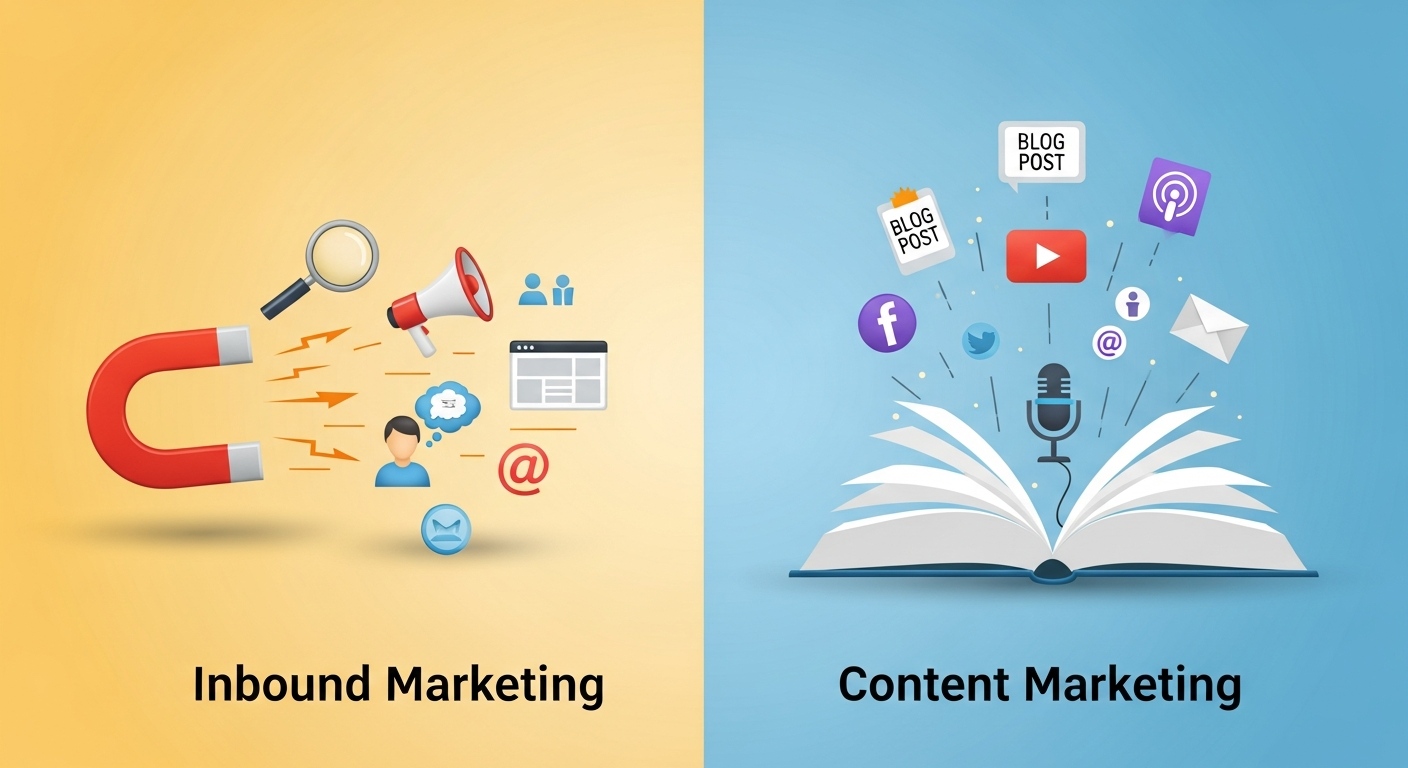
Content marketing is a key component of inbound marketing, but inbound marketing encompasses a broader strategy. While content marketing focuses specifically on creating and distributing valuable content, inbound marketing includes content creation plus search engine optimisation, social media engagement, email marketing, and lead nurturing strategies.
Do I need a large budget to start with inbound marketing?
One of inbound marketing’s main advantages is that it doesn’t require large upfront budgets. You can start with basic tools and gradually invest in more sophisticated platforms as your results and budget grow. The most important initial investments are time and consistency rather than money.
Your Next Step Toward Sustainable Growth
Inbound marketing represents a fundamental shift from interruption-based advertising to value-based relationship building. The businesses that embrace this approach position themselves for sustainable, long-term growth while building genuine connections with their customers.
Start by auditing your current marketing efforts. Identify opportunities to provide more value to your prospects through educational content, helpful resources, and genuine engagement. Focus on understanding your customers’ challenges and create content that addresses their specific needs.
The transition to inbound marketing doesn’t happen overnight, but every step you take builds toward a more effective, efficient, and enjoyable way to grow your business. Your customers will appreciate the helpful approach, your sales team will enjoy working with more qualified leads, and your bottom line will reflect the improved efficiency and effectiveness of your marketing investments.
Conclusion
Inbound marketing is no longer optional—it’s essential for sustainable business growth. By focusing on value, education, and trust, businesses attract qualified leads, reduce acquisition costs, and build long-term customer relationships. Unlike traditional advertising, inbound marketing compounds over time, delivering increasing returns with consistent effort. Companies that invest in inbound today gain authority, visibility, and resilience in an increasingly competitive digital landscape. The result is predictable growth powered by meaningful connections, not interruptions.
Frequently Asked Questions (FAQs)
Is inbound marketing better than outbound marketing?
Inbound marketing is generally more effective for long-term growth because it attracts customers through value rather than interruption. While outbound marketing pushes messages to broad audiences, inbound focuses on reaching people actively searching for solutions. This results in higher-quality leads, lower acquisition costs, and stronger customer trust. Many businesses use inbound as their core strategy and outbound as a supporting tactic.
How much content is needed to start inbound marketing?
You don’t need a large content library to begin. A strong foundation can start with 5–10 high-quality blog posts, one lead magnet, and a few landing pages. Consistency matters more than volume. Publishing valuable, well-optimised content regularly will deliver better results than producing large amounts of low-quality material.
Can inbound marketing replace paid ads completely?
Inbound marketing can significantly reduce reliance on paid ads, but it doesn’t always replace them entirely. Paid ads are useful for quick visibility, product launches, or competitive keywords. Inbound marketing builds sustainable, organic traffic over time. The most effective strategies often combine inbound marketing with selective, well-targeted paid advertising.
What industries benefit most from inbound marketing?
Inbound marketing works across almost all industries, especially B2B services, SaaS, healthcare, education, real estate, finance, and e-commerce. Any industry where customers research before buying benefits from inbound strategies. If your audience searches online for answers, comparisons, or solutions, inbound marketing is highly effective.
Is inbound marketing suitable for startups?
Yes, inbound marketing is ideal for startups because it requires lower upfront costs than traditional advertising. Startups can build brand awareness, authority, and leads through content and SEO without large budgets. While results take time, inbound marketing creates long-term assets that support sustainable growth as the business scales.
How do I measure inbound marketing success?
Inbound marketing success is measured using metrics such as website traffic, organic search rankings, lead conversion rates, cost per lead, email engagement, and customer acquisition cost. Advanced tracking can connect leads to revenue through CRM systems. These measurable insights help optimise campaigns and improve ROI continuously.
Does inbound marketing work for local businesses?
Yes, inbound marketing is highly effective for local businesses. Local SEO, Google Business Profile optimisation, and location-based content help attract nearby customers. Blog posts answering local customer questions and reviews also boost trust and visibility. Inbound strategies drive foot traffic and inquiries without expensive local advertising.
What tools are commonly used in inbound marketing?
Common inbound marketing tools include content management systems (like CMS platforms), SEO tools, email marketing software, marketing automation platforms, CRM systems, and analytics tools. These tools help manage content, track performance, nurture leads, and measure ROI efficiently.
How often should content be published?
Consistency is more important than frequency. Many businesses see success publishing 1–2 high-quality pieces per week. Smaller teams may publish once weekly, while larger teams publish more often. The key is maintaining a sustainable schedule while ensuring content quality, relevance, and SEO optimisation.
Can inbound marketing support e-commerce businesses?
Inbound marketing is very effective for e-commerce. Product guides, comparison blogs, user-generated content, and email nurturing help educate buyers and reduce purchase hesitation. SEO-driven content attracts high-intent shoppers, while post-purchase content increases repeat sales and customer loyalty.
What skills are needed for inbound marketing?
Inbound marketing requires skills in content writing, SEO, keyword research, social media management, email marketing, analytics, and basic design. Strategic thinking and understanding buyer behavior are equally important. Many businesses build inbound teams gradually or work with agencies to cover skill gaps.
How long should an inbound strategy be maintained?
Inbound marketing is a long-term strategy and should be maintained continuously. While initial results may appear in 3–6 months, the strongest benefits come after consistent effort over a year or more. Ongoing optimisation ensures sustained traffic, lead flow, and business growth.