

Podcasting strengthens inbound marketing by building trust, delivering long-form value, and boosting SEO through transcripts and show notes. With strong strategy, quality production, consistent promotion, and clear CTAs, podcasts attract, engage, and convert audiences while supporting broader content, sales, and product initiatives.
In the ever-evolving landscape of digital marketing, podcasting has emerged as a powerful inbound channel for brands aiming to build deep connections with their audience. Unlike traditional advertising, podcasting allows you to deliver in-depth insights, interviews, and stories directly to listeners who have opted in to hear from you. When done right, a podcast can become a cornerstone of your inbound strategy—driving traffic, nurturing leads, and positioning your company as a thought leader in your industry.
Why Podcasting Belongs in Your Inbound Marketing Mix

Podcast listeners are highly engaged. According to industry research, over 60 percent of listeners consume an entire episode once they click play. That level of commitment outperforms many forms of content, making podcasts an ideal tool for delivering value at scale. From a search and SEO standpoint, well-optimized show notes and transcripts improve your website’s discoverability. Plus, podcasts foster personal connection: hearing a host’s voice helps build trust and affinity faster than text alone.
Key inbound benefits of podcasting include:
Attract:
Reach new audiences through major podcast directories and syndication platforms like Apple Podcasts, Spotify, and Google Podcasts. By appearing in category rankings, curated playlists, and search results, your show becomes discoverable to listeners actively seeking insights related to your industry. This organic visibility helps draw in high-intent prospects who are already interested in the topics you cover.
Engage:
Provide long-form insights, expert interviews, case studies, and compelling stories that keep listeners returning episode after episode. The conversational format of podcasts encourages deeper listening, allowing you to explore complex ideas, share behind-the-scenes perspectives, and deliver valuable knowledge that builds trust and fosters audience loyalty.
Convert:
Drive targeted traffic to specific landing pages by promoting special offers, downloadable resources, or gated content within episodes and show notes. Clear, relevant calls to action give listeners a direct next step—whether it’s signing up for a trial, downloading a guide, or joining your email list—transforming passive listeners into active leads.
Delight:
Support customers after their purchase by offering bonus episodes, FAQ sessions, troubleshooting tips, and community-driven Q&A segments. This post-purchase value strengthens retention, enhances user experience, and encourages customers to engage more deeply with your brand, ultimately turning them into long-term advocates.
Planning Your Podcast Content Strategy
A successful inbound podcast begins with a clear, intentional content plan that aligns with your buyer personas and the stages of your customer journey. By structuring your podcast around audience needs and strategic goals, you create episodes that consistently attract, educate, and convert listeners. Follow these steps to lay a strong and scalable foundation:
Define your audience:
Develop detailed personas that capture demographics, challenges, goals, pain points, preferred listening habits, and overall content consumption behaviors. Understanding exactly who you’re speaking to helps determine your podcast’s tone, pacing, storytelling style, and topic selection. This ensures every episode resonates with listeners and feels tailored to their needs.
Map episode themes to the funnel:
Align your content with key parts of the marketing funnel. Create awareness-stage episodes that address broad industry issues or emerging trends. Produce consideration-stage episodes featuring expert interviews, solution comparisons, and thought leadership discussions. For decision-stage content, highlight customer success stories, product-focused insights, or practical demos that help listeners evaluate your offering.
Set clear goals and KPIs:
Define measurable targets for metrics such as downloads, subscriber growth, listener retention, reviews, social shares, and click-through rates from show notes to your website. These KPIs should directly support your overall inbound marketing goals—helping you analyze performance, refine topics, and optimize future episodes based on real listener behavior.
Develop an editorial calendar:
Plan at least three months of content to stay consistent and organized. Your calendar should include episode release dates, outreach timelines for guests, draft deadlines, recording sessions, editing windows, and promotional steps. This structure keeps production smooth, minimizes last-minute stress, and ensures your podcast maintains a steady, predictable publishing cadence.
Outline episode formats:
Choose the formats that best suit your message and audience—from solo educational episodes and co-hosted discussions to expert interviews, panel conversations, Q&A segments, or themed mini-series. Using a mix of formats keeps your show dynamic and engaging, appealing to different listener preferences while maintaining variety throughout your content lineup.
Technical Setup and Production Best Practices
Quality matters when it comes to audio. Poor sound can drive listeners away, so invest in reliable equipment and editing tools early on. Follow these tips for polished, professional episodes:
- Microphone selection: USB condensers like the Audio-Technica ATR2100x or dynamic mics like the Shure SM7B deliver clear voice reproduction.
- Recording environment: Choose a quiet room with minimal echo. Soft furnishings, acoustic panels, or even blankets can dampen unwanted reverberation.
- Editing software: Tools like Audacity (free), Adobe Audition, or GarageBand let you remove hiss, normalize levels, add music beds, and insert sponsor or CTA segments seamlessly.
- Intro and outro templates: Use branded stingers—short musical cues paired with a voiceover intro—to create a recognizable identity for your show.
- Show notes and transcripts: Publish detailed episode summaries, timestamps, guest bios, and resource links alongside an SEO-optimized transcript on your blog or website.
Promoting Your Podcast Within the Inbound Funnel
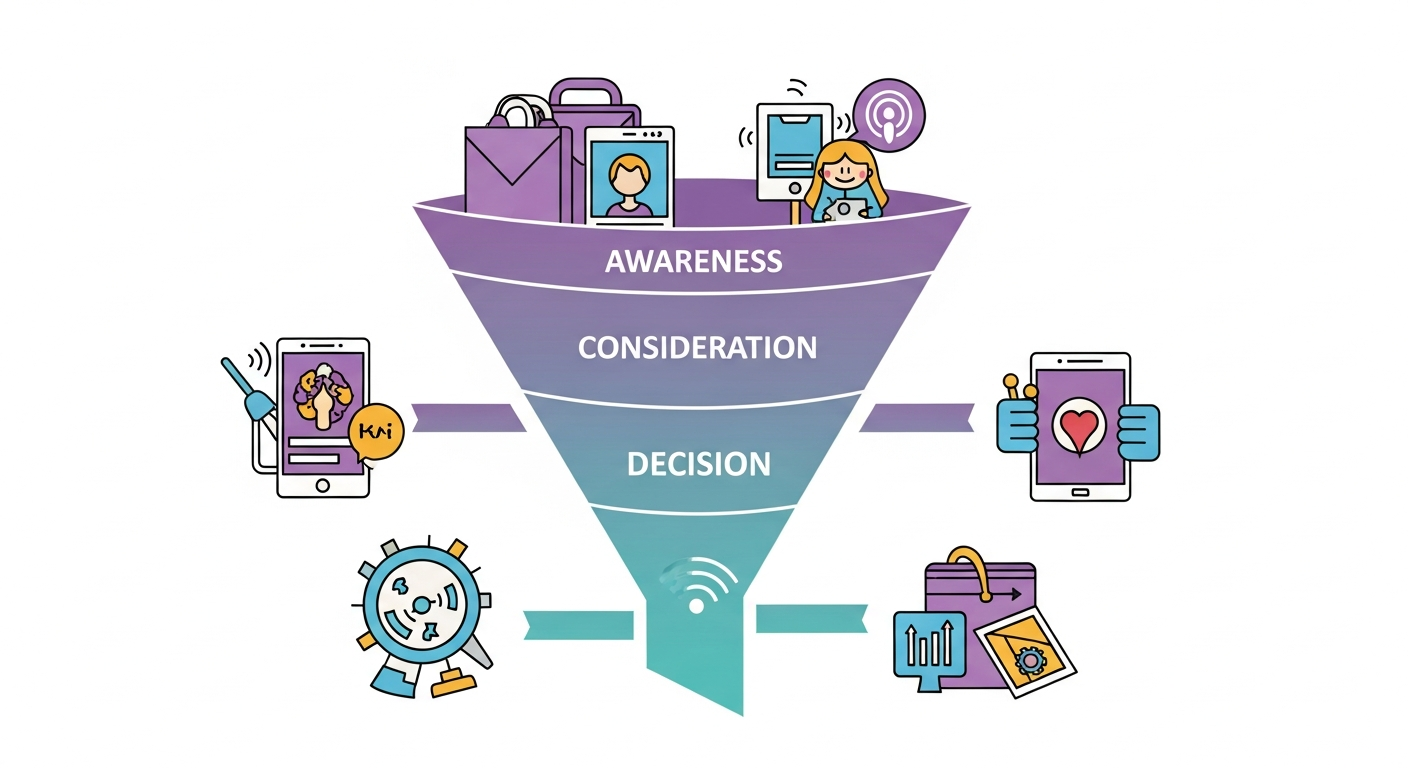
A podcast is more than audio; it’s a content hub you can leverage across channels. To maximize reach and drive inbound traffic, incorporate these promotion tactics:
- Email newsletters: Feature new episodes in your weekly or biweekly newsletters. Include clickable play buttons, episode highlights, and links to gated bonus materials (checklists, eBooks, templates).
- Blog repurposing: Convert each episode into a long-form blog post or article. Embed the audio player at the top and sprinkle relevant inbound CTAs throughout the text.
- Social snippets: Create short audio clips or audiograms with captions for LinkedIn, Twitter, Instagram, and Facebook. Animated waveforms and guest headshots boost engagement.
- Guest amplification: Encourage interviewees to share the episode on their channels. Leverage their network to attract new listeners who fit your buyer personas.
- Cross-promotion partnerships: Collaborate with complementary podcasts or industry newsletters. Swap trailer spots or write guest posts to access new inbound audiences.
Engaging and Converting Listeners with Strategic CTAs
Listeners who stay until the end of an episode are primed for deeper engagement. Introduce clear, valuable calls to action (CTAs) that guide them further down your inbound funnel:
- Gated bonuses: Offer a downloadable worksheet, checklist, or template related to the episode topic in exchange for an email address.
- Free trials and demos: Invite listeners to sign up for a no-risk trial, live demo, or consultation. Provide a unique promo code to track performance.
- Community invites: Drive listeners to join a private Facebook group, Slack channel, or LinkedIn group where they can ask questions and network.
- Listener surveys and feedback: Use short surveys to learn what topics resonate and collect testimonials you can feature in future episodes or on your website.
- Exclusive Q&A sessions: Reward subscribers by hosting monthly live calls or webinars where you answer listener questions and dive deeper into hot topics.
Measuring Podcast Success with Inbound Metrics
To prove ROI and refine your strategy, track the right metrics at each stage of your funnel. Key performance indicators (KPIs) for inbound podcasting include:
| KPI | What It Measures | Why It Matters |
|---|---|---|
| Downloads & Subscribers | Overall audience size and growth trends; spikes after promotions or guest appearances. | Shows reach, identifies popular topics, and reveals how your audience expands over time. |
| Listener Retention Rate | How long listeners stay tuned (first 5 minutes, mid-episode, final segments). | High retention indicates content relevance, strong structure, and engaging delivery. |
| Click-Through Rate (CTR) | Clicks on CTAs found in show notes, blog posts, emails, or landing pages. | Measures how well episodes motivate listeners to take action. |
| Conversion Rate | Sign-ups for gated assets, trials, demos, or email lists from podcast-driven traffic. | Shows how effectively the podcast drives leads and supports inbound funnel progression. |
| Engagement Signals | Reviews, ratings, social shares, comments, and community questions. | Reflects listener loyalty, sentiment, and long-term community growth. |
Integrating Podcast Insights into Your Overall Inbound Strategy
 Podcasting doesn’t exist in a silo. Leverage listener feedback, behavioural patterns, and performance data to strengthen every part of your inbound marketing approach and create a more aligned, data-driven strategy across channels.
Blog content ideation:
Identify high-interest topics by reviewing listener questions, comments, and the episodes that receive the most engagement. Expand these themes into long-form articles, infographics, whitepapers, or other content assets that deepen the conversation and boost SEO. This ensures your written content is built around topics your audience has already shown strong interest in.
Email segmentation:
Tag subscribers based on the episodes they download, the links they click within show notes, or the topics they interact with most. Use these insights to create tailored nurture sequences that deliver relevant, personalized content aligned with each subscriber’s preferences, ultimately increasing engagement and encouraging them to move further down the funnel.
Product development:
Analyze recurring pain points, frequently asked questions, and feedback shared during Q&A sessions or listener surveys. These insights can guide new feature development, improvements to your user interface, or refinements to your services. By listening closely to your audience, you ensure product updates are aligned with real customer needs.
Sales enablement:
Equip your sales team with curated playlists of podcast episodes that match the different stages of the buyer journey. These playlists can help prospects understand industry challenges, explore potential solutions, and hear success stories—all through easy-to-consume audio content. This supports sales conversations, builds trust, and provides valuable education that shortens the decision-making process.
Conclusion: Amplify Your Inbound Results with Podcasting
Podcasting offers a unique blend of scale, intimacy, and flexibility that can supercharge your inbound marketing engine. By planning a targeted content strategy, investing in quality production, and integrating episodes seamlessly into your wider funnel, you’ll attract qualified leads, build trust, and accelerate conversions. Start small, iterate based on data, and watch as your podcast becomes a go-to resource that delights listeners and drives sustainable growth for your business.
Frequently Asked Questions
1. Why is podcasting effective for inbound marketing?
Podcasting builds personal, long-form engagement with audiences. Listeners voluntarily tune in, stay longer, and trust the host’s voice, making it ideal for attracting and nurturing leads.
2. How does a podcast help with SEO?
SEO-optimized show notes, transcripts, and blog repurposing improve search visibility. Episodes can rank for keywords and drive organic traffic to your website.
3. What types of content work best for inbound podcasts?
Expert interviews, storytelling, case studies, industry insights, Q&A episodes, and mini-series that address your audience’s pain points.
4. How often should I publish episodes?
Consistency matters more than frequency. Many brands succeed with weekly or biweekly episodes. Plan at least 3 months of content.
5. What equipment is needed to start?
A good USB or dynamic microphone, headphones, recording software (Audacity, Audition, GarageBand), and a quiet room with minimal echo.
6. How can I promote my podcast effectively?
Use email newsletters, blog repurposing, social audiograms, guest sharing, and cross-promotion with other creators or industry influencers.
7. What inbound CTAs work well in podcasts?
Offering free templates, worksheets, trials, consultations, surveys, or inviting listeners to join a private community.
8. How do I measure the success of my podcast?
Track downloads, retention rates, CTRs from show notes, conversion rates, and engagement (reviews, social shares, community activity).
9. Can podcasting support sales teams?
Yes. Provide curated playlists of episodes that answer common prospect questions and show thought leadership during the sales journey.
10. Do I need a big budget to start a podcast?
No. You can start with affordable equipment and free software. Focus on quality content and gradually upgrade as your audience grows.