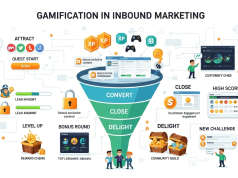

Digital inbound marketing attracts customers by delivering value instead of interruptions. Through content, SEO, social media, and automation, businesses guide prospects through the buyer journey naturally. This customer-centric approach builds trust, reduces costs, improves conversions, and drives long-term growth by turning visitors into loyal brand advocates.
Traditional advertising interrupts. Digital inbound marketing invites. While banner ads scream for attention and cold calls disrupt busy schedules, inbound marketing draws customers to your business naturally by providing genuine value at every touchpoint.
Digital inbound marketing represents a fundamental shift in how businesses connect with their audience. Instead of pushing messages onto reluctant prospects, this approach creates magnetic content and experiences that pull the right customers toward your brand.
What is Digital Inbound Marketing?

Digital inbound marketing is a customer-centric approach that uses online channels to attract, engage, and delight prospects through valuable content and experiences. Rather than interrupting people with unwanted messages, inbound marketing earns attention by solving problems and answering questions your ideal customers actually have. Learn more about What is Inbound Marketing.
The methodology revolves around four key stages:
Attract: Draw visitors to your website through search engines, social media, and content marketing
Convert: Transform visitors into leads by offering valuable resources in exchange for contact information
Close: Nurture leads into paying customers through targeted email sequences and personalized experiences
Delight: Continue providing value to turn customers into promoters who refer others to your business
This approach leverages digital tools like websites, search engines, social media platforms, email marketing systems, and analytics software to create a seamless customer journey from first discovery to long-term loyalty.
Why Digital Inbound Marketing Matters
The rise of digital inbound marketing reflects broader changes in consumer behavior and technology. Modern buyers conduct extensive research before making purchasing decisions, often completing 70% of their buyer’s journey before ever speaking with a salesperson.
Several factors make inbound marketing particularly effective:
Consumer Empowerment: Search engines and social media give buyers unprecedented access to information. They can research solutions, compare options, and read reviews without relying on sales pitches.
Ad Fatigue: Traditional advertising faces declining effectiveness as consumers develop “banner blindness” and use ad blockers. People actively avoid interruptive marketing messages.
Trust Building: Inbound marketing builds authority and trust by consistently providing helpful information. This positions your business as a trusted advisor rather than just another vendor.
Cost Efficiency: Inbound marketing typically costs 62% less than traditional outbound marketing while generating more qualified leads over time.
Measurable Results: Digital tools provide detailed analytics about what works, allowing continuous optimization and clear ROI measurement.
Core Components of Digital Inbound Marketing

Content Marketing
Content serves as the foundation of any successful inbound marketing strategy. Quality content attracts your target audience, demonstrates expertise, and provides value before asking for anything in return.
Effective content marketing includes:
Blog Posts: Regular articles that address common questions, industry trends, and customer pain points. Blog posts improve search engine visibility while establishing thought leadership.
Downloadable Resources: Ebooks, whitepapers, templates, and guides that provide in-depth value in exchange for contact information.
Video Content: Tutorials, product demonstrations, and educational series that engage visual learners and boost social media engagement.
Infographics: Visual representations of data and concepts that simplify complex information and encourage social sharing.
Case Studies: Real customer success stories that build credibility and demonstrate tangible results.
The key is creating content that genuinely helps your audience rather than simply promoting your products or services. Focus on answering questions your prospects ask during their research process.
Search Engine Optimization (SEO)
SEO ensures your content gets discovered when potential customers search for solutions you provide. Effective SEO combines technical website optimization with strategic content creation.
Important SEO elements include:
Keyword Research: Identifying terms your target audience uses when searching for information related to your business.
On-Page Optimization: Optimizing individual pages for specific keywords while maintaining natural, readable content.
Technical SEO: Ensuring your website loads quickly, works on mobile devices, and provides a smooth user experience.
Link Building: Earning links from other reputable websites to boost your domain authority and search rankings.
Local SEO: Optimizing for location-based searches if you serve customers in specific geographic areas.
Remember that SEO is a long-term strategy. Results typically take 3-6 months to materialize, but the compound effect creates lasting organic traffic growth.
Social Media Marketing
Social media platforms provide opportunities to share content, engage with your audience, and build brand awareness. Different platforms serve different purposes in your inbound marketing strategy.
LinkedIn: Ideal for B2B companies to share industry insights, connect with decision-makers, and participate in professional discussions.
Facebook: Great for building communities, sharing diverse content types, and running targeted advertising campaigns.
Instagram: Perfect for visual brands to showcase products, company culture, and behind-the-scenes content.
Twitter: Excellent for real-time engagement, customer service, and participating in industry conversations.
YouTube: Essential for video content marketing, tutorials, and building authority through educational content.
The key is choosing platforms where your target audience spends time rather than trying to maintain a presence everywhere.
Email Marketing
Email marketing nurtures relationships with prospects and customers through personalized, targeted messages. Modern email marketing goes far beyond newsletters to include sophisticated automation sequences.
Effective email marketing strategies include:
Lead Nurturing Sequences: Automated email series that educate prospects and guide them toward making a purchase decision.
Segmentation: Dividing your email list based on demographics, behavior, or interests to send more relevant messages.
Personalization: Using subscriber data to customize subject lines, content, and offers for individual recipients.
Behavioral Triggers: Sending emails based on specific actions subscribers take, such as downloading a resource or visiting a particular webpage.
Value-First Approach: Prioritizing helpful content over promotional messages to maintain subscriber engagement.
Marketing Automation
Marketing automation tools streamline repetitive tasks while delivering personalized experiences at scale. Automation helps ensure the right message reaches the right person at the right time.
Common automation workflows include:
Welcome Series: Introducing new subscribers to your brand and providing initial value
Lead Scoring: Assigning points based on prospect actions to identify sales-ready leads
Re-engagement Campaigns: Win back inactive subscribers or customers
Abandoned Cart Recovery: Following up with prospects who showed interest but didn’t complete a desired action
Customer Onboarding: Helping new customers get maximum value from their purchase
Building Your Digital Inbound Marketing Strategy
Define Your Target Audience
Successful inbound marketing begins with deep understanding of your ideal customers. Create detailed buyer personas that include demographics, goals, challenges, and preferred communication channels.
Research methods for developing buyer personas include:
- Surveying existing customers
- Analyzing website and social media analytics
- Conducting interviews with sales team members
- Reviewing customer service interactions
- Studying competitor audiences
Set Clear Goals and Metrics
Establish specific, measurable objectives for your inbound marketing efforts. Common goals include:
- Increasing website traffic
- Generating qualified leads
- Improving conversion rates
- Boosting customer retention
- Enhancing brand awareness
Choose key performance indicators (KPIs) that align with your business objectives and track progress consistently.
Create a Content Calendar
Plan your content creation and distribution across all channels. A well-organized content calendar ensures consistent publishing while maintaining quality standards.
Your content calendar should include:
- Publishing dates and deadlines
- Content topics and formats
- Target keywords for SEO
- Distribution channels
- Responsible team members
Implement Lead Capture Mechanisms
Transform website visitors into leads by offering valuable resources in exchange for contact information. Effective lead magnets address specific problems your target audience faces.
Popular lead magnet formats include:
- Industry reports and research
- How-to guides and tutorials
- Templates and checklists
- Free trials or consultations
- Webinars and online courses
Optimize for Mobile Experience
Ensure your inbound marketing assets work seamlessly on mobile devices. Mobile optimization affects everything from search rankings to email open rates and social media engagement.
Key mobile considerations include:
- Responsive website design
- Fast loading speeds
- Easy-to-complete forms
- Readable font sizes
- Touch-friendly navigation
Measuring Success and Optimization

Digital inbound marketing success depends on continuous measurement and optimization. Track metrics at each stage of your funnel to identify improvement opportunities.
Top-of-Funnel Metrics: Website traffic, social media reach, content engagement, and brand awareness indicators
Middle-of-Funnel Metrics: Lead generation, email subscription rates, content downloads, and nurturing engagement
Bottom-of-Funnel Metrics: Sales conversions, customer acquisition cost, and revenue attribution
Customer Success Metrics: Retention rates, customer lifetime value, and referral generation
Use analytics tools to understand which tactics drive the best results, then allocate more resources to high-performing activities while adjusting or eliminating underperforming elements.
Taking Your Next Steps
Digital inbound marketing represents a powerful approach for building sustainable business growth through genuine value creation. The strategies outlined in this guide provide a roadmap for attracting, converting, and delighting customers in an increasingly digital marketplace.
Start by focusing on one or two core components rather than trying to implement everything simultaneously. Many successful businesses begin with content marketing and SEO, then gradually add social media, email marketing, and automation as their foundation strengthens.
Remember that inbound marketing is a marathon, not a sprint. Consistency and patience are essential as you build authority, trust, and momentum. The businesses that commit to providing ongoing value to their audience will reap the long-term benefits of loyal customers, sustainable growth, and competitive advantage.
Begin today by identifying your target audience’s biggest challenges and creating content that genuinely helps solve those problems. Your future customers are searching for solutions right now—make sure they find you.
Conclusion
Digital inbound marketing transforms how businesses attract and retain customers by prioritizing value, trust, and relevance. By aligning content, SEO, social media, and automation with the buyer journey, brands create meaningful connections rather than interruptions. Inbound marketing delivers sustainable growth, measurable ROI, and long-term loyalty, making it an essential strategy in today’s digital-first world.
FAQs
1. What is digital inbound marketing?
Digital inbound marketing is a customer-centric marketing approach that attracts potential customers through valuable online content, search engine optimization (SEO), social media engagement, and personalized email marketing. Instead of interrupting users with intrusive ads, inbound marketing helps businesses get discovered organically when prospects search for solutions, information, or answers related to their needs.
2. How does inbound marketing differ from outbound marketing?
Inbound marketing focuses on attracting customers with relevant, helpful content that addresses their challenges, while outbound marketing relies on pushing messages through advertisements, cold calls, and unsolicited emails. Inbound builds trust and long-term relationships, whereas outbound often targets quick visibility and short-term responses.
3. Why is inbound marketing effective today?
Inbound marketing is effective because modern consumers actively research products and services online before making purchasing decisions. Buyers trust educational content more than advertisements, making inbound strategies ideal for building credibility, authority, and engagement across digital platforms.
4. Which channels are used in digital inbound marketing?
Digital inbound marketing uses a combination of websites, blogs, SEO, social media platforms, email marketing, downloadable content, video marketing, and marketing automation tools to attract visitors, convert leads, and nurture prospects throughout the buyer journey.
5. How long does inbound marketing take to show results?
Inbound marketing usually begins showing measurable results within 3–6 months, depending on competition, consistency, and strategy execution. While early engagement may happen sooner, sustainable growth in traffic, leads, and conversions develops gradually over time.
6. Is inbound marketing suitable for small businesses?
Yes, inbound marketing is highly suitable for small businesses because it is cost-effective, scalable, and focused on organic growth. Small businesses can compete with larger brands by using SEO-optimized content, targeted messaging, and value-driven engagement rather than expensive advertising campaigns.
7. How important is SEO in inbound marketing?
SEO is a foundational element of inbound marketing. It improves search visibility, drives organic traffic, and helps businesses reach users who are actively searching for relevant solutions, making SEO one of the most powerful inbound growth drivers.
8. What role does content play in inbound marketing?
Content is the backbone of inbound marketing. Blogs, videos, guides, case studies, and resources educate audiences, build trust, demonstrate expertise, and guide prospects through awareness, consideration, and decision-making stages.
9. How is inbound marketing success measured?
Inbound marketing success is measured through metrics such as website traffic growth, lead generation, conversion rates, engagement levels, customer acquisition cost, return on investment (ROI), and long-term customer retention.
10. Can inbound marketing increase customer loyalty?
Yes, inbound marketing strengthens customer loyalty by continuing to provide valuable, relevant content after the sale. Personalized communication, educational resources, and ongoing engagement help build long-term relationships and brand advocacy.
11. Does inbound marketing work for B2B companies?
Inbound marketing is especially effective for B2B companies because it supports longer sales cycles, educates decision-makers, and builds trust through thought leadership, data-driven content, and solution-focused messaging.
12. Is inbound marketing a long-term strategy?
Inbound marketing is a long-term, sustainable growth strategy. While it requires patience and consistency, it delivers compounding benefits such as increased authority, steady organic traffic, qualified leads, and long-lasting customer relationships.