Email marketing is a powerful inbound tool that builds relationships, nurtures leads, and drives conversions. When aligned with inbound methodology, it delivers personalized, value-driven content at every stage of the buyer’s journey. With smart segmentation, automation, and optimization, email becomes a scalable growth engine that fuels long-term business success.
Email marketing often gets dismissed as outdated or overly promotional. Yet smart businesses know it remains one of the most powerful tools for nurturing leads and driving conversions. When integrated thoughtfully into your inbound strategy, email becomes much more than a way to pitch products—it transforms into a relationship-building engine that guides prospects through every stage of their buyer’s journey.
The key lies in understanding how email marketing fits into the broader inbound methodology. Rather than bombarding people with sales messages, successful email campaigns provide genuine value while gently moving subscribers toward a purchase decision. This approach not only generates better results but also builds lasting customer relationships that fuel long-term growth.
Understanding the Role of Email in Inbound Marketing
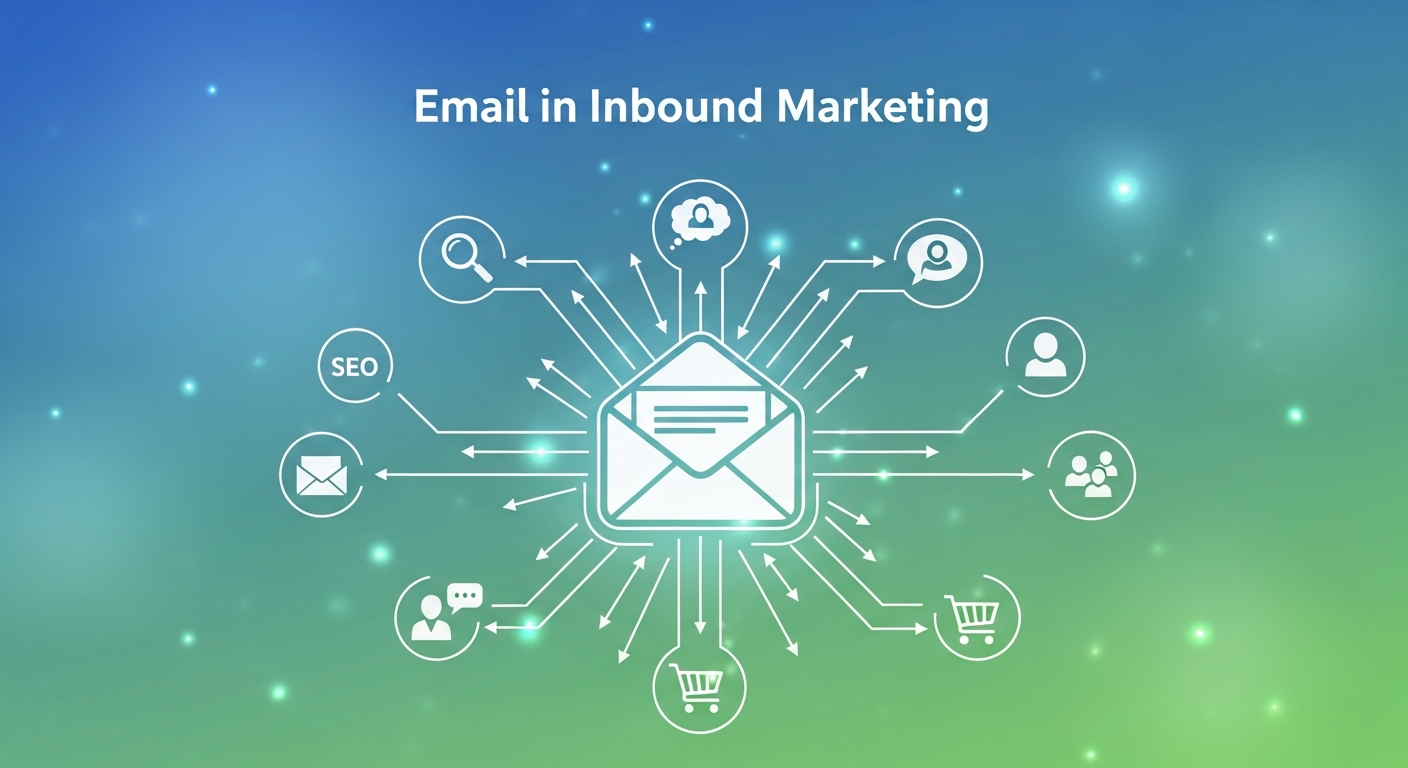
Email marketing serves as the connective tissue between different stages of your inbound funnel. When someone downloads your lead magnet or subscribes to your newsletter, email becomes your primary channel for continuing the conversation and building trust.
Unlike outbound tactics that interrupt people with unsolicited messages, inbound email marketing focuses on delivering content that subscribers actually want to receive. This might include educational blog posts, exclusive industry insights, or helpful resources that solve specific problems your audience faces. Learn more about What Role Does Email Marketing Play in Boosting Your Inbound Strategy.
The beauty of email within an inbound framework is its ability to personalize the experience at scale. You can segment your list based on interests, behaviors, or demographics, then tailor your messaging to speak directly to each group’s needs and pain points. Learn more about Digital Inbound Marketing.
Attracting Subscribers Through Valuable Content
Your email list becomes a valuable asset only when people willingly choose to join it. This means creating compelling reasons for visitors to share their contact information with you.
Lead magnets remain one of the most effective ways to grow your email list organically. These might include:
Educational Resources: Comprehensive guides, templates, or checklists that solve specific problems your target audience faces.
Exclusive Content: Behind-the-scenes insights, early access to new products, or premium content not available elsewhere on your site.
Interactive Tools: Calculators, assessments, or quizzes that provide personalized results in exchange for an email address.
The key is ensuring your lead magnets align with your broader business goals. A fitness coach might offer a workout plan template, while a marketing agency could provide a social media audit checklist. Each lead magnet should attract people who could eventually become paying customers.
Nurturing Leads Through Automated Sequences
Once someone joins your email list, automated sequences help nurture them without requiring constant manual effort. These sequences can guide new subscribers through a carefully crafted journey that builds trust and demonstrates your expertise.
A well-designed welcome series might include:
Welcome and Expectation Setting: Introduce yourself, explain what subscribers can expect, and deliver any promised lead magnets immediately.
Value-First Content: Share your best educational content, case studies, or success stories that showcase your expertise without being overtly promotional.
Social Proof and Testimonials: Include customer success stories, reviews, or case studies that demonstrate the real-world impact of your products or services.
Soft Introduction to Your Offerings: Gradually introduce your paid products or services in a helpful, non-pushy way that focuses on benefits rather than features.
The goal is to provide so much value that subscribers begin to see you as a trusted advisor rather than just another business trying to sell them something.
Segmenting Your Audience for Personalized Experiences
Email segmentation allows you to deliver more relevant content by dividing your list into smaller groups based on shared characteristics or behaviors. This personalization significantly improves engagement rates and conversion potential.
Common segmentation strategies include:
Demographic Segmentation: Group subscribers by age, location, job title, or company size to deliver more targeted messaging.
Behavioral Segmentation: Track how subscribers interact with your emails and website, then create segments based on engagement levels or specific actions taken.
Interest-Based Segmentation: Use surveys, preference centers, or content consumption patterns to understand what topics most interest different subscribers.
Buyer’s Journey Stage: Segment based on where people are in their decision-making process, from awareness to consideration to decision.
Each segment should receive content tailored to their specific needs and interests. A new subscriber might receive educational content about industry trends, while someone who has viewed your pricing page multiple times might get information about upcoming promotions or customer success stories.
Creating Content That Drives Engagement
Successful email marketing requires content that subscribers genuinely want to read and share. This means moving beyond promotional messages to provide real value in every email you send.
Educational content performs particularly well in inbound email campaigns. This might include:
Industry Insights: Share your perspective on trends, news, or developments that affect your subscribers’ businesses or lives.
How-To Guides: Break down complex processes into actionable steps that subscribers can implement immediately.
Curated Resources: Compile helpful articles, tools, or resources from around the web that your audience would find valuable.
Behind-the-Scenes Content: Give subscribers a glimpse into your company culture, processes, or the people behind your brand.
The key is maintaining a consistent publishing schedule while ensuring every piece of content serves your subscribers’ interests first and your business goals second.
Measuring Success and Optimizing Performance
Email marketing provides rich data that can inform both your email strategy and broader inbound efforts. Key metrics to track include:
Open Rates: Indicate how compelling your subject lines are and whether you’re reaching subscribers at optimal times.
Click-Through Rates: Show how engaging your content is and whether your calls-to-action resonate with subscribers.
Conversion Rates: Measure how effectively your emails drive desired actions, whether that’s downloading content, making purchases, or booking consultations.
List Growth Rate: Track how quickly your email list is growing and identify which lead magnets or channels drive the highest-quality subscribers.
Unsubscribe Rate: Monitor whether your content remains relevant and valuable to your audience over time.
Use this data to continuously refine your approach. Test different subject lines, sending times, content formats, and calls-to-action to identify what resonates most with your specific audience.
Integrating Email with Other Inbound Channels
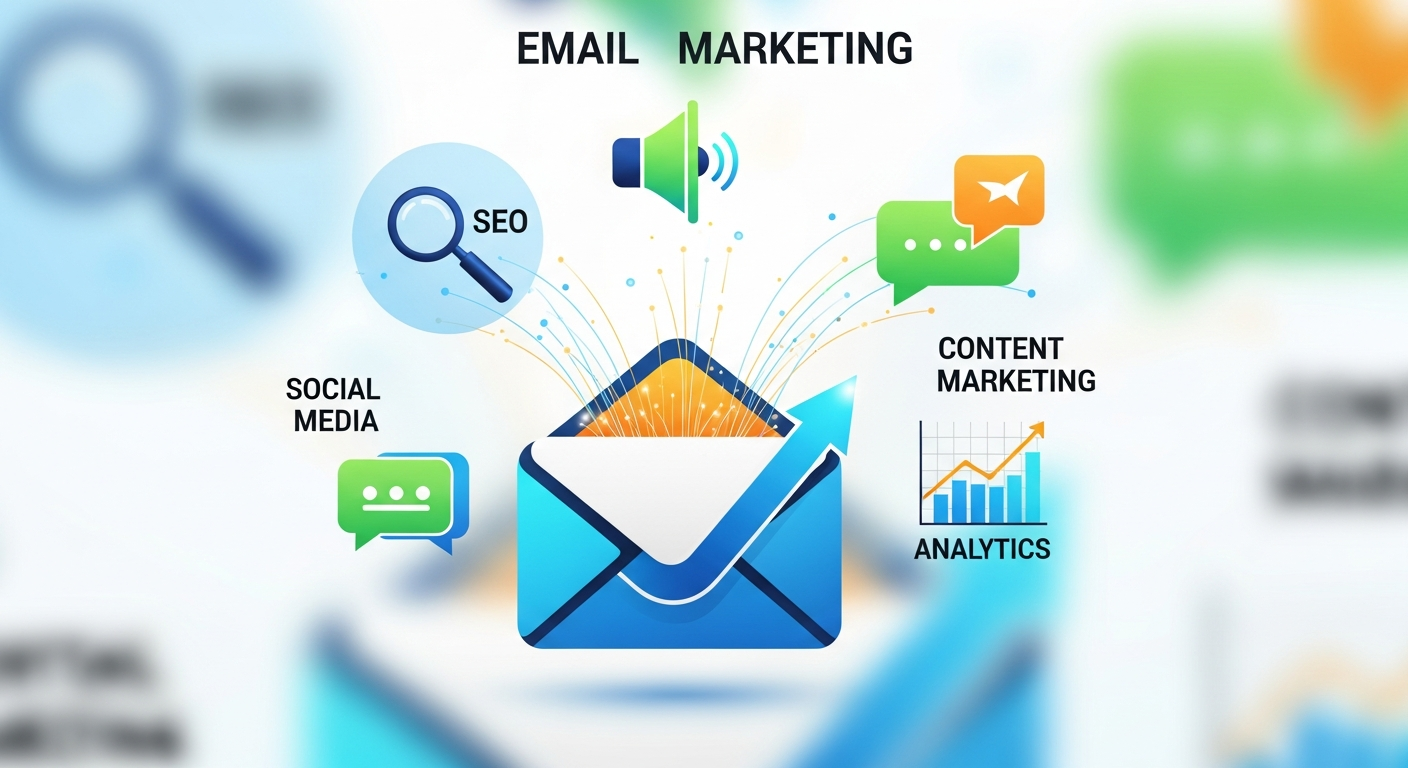
Email marketing works best when integrated seamlessly with your other inbound marketing efforts. Your blog content can provide material for email newsletters, while your email campaigns can drive traffic back to new blog posts or landing pages.
Social media integration allows you to repurpose email content across different platforms while using social channels to grow your email list. You might share snippets from your latest newsletter on LinkedIn or use Instagram stories to promote a new lead magnet.
Your sales team can also benefit from email marketing insights. Information about which emails subscribers engage with most can help sales representatives tailor their outreach and understand prospect interests before making contact.
Building Long-Term Relationships Through Email
The most successful email marketing campaigns focus on relationship building rather than immediate sales. This long-term perspective aligns perfectly with inbound methodology, which prioritizes trust and value over aggressive sales tactics.
Consistency in communication helps build familiarity and trust over time. Subscribers who receive regular, valuable content from you are more likely to think of your business when they’re ready to make a purchase decision.
Transparency also plays a crucial role in relationship building. Be honest about your intentions, clear about what subscribers can expect, and authentic in your communications. People can sense when emails feel overly scripted or manipulative.
Transforming Email Subscribers into Brand Advocates
Email marketing doesn’t end when someone makes a purchase. Your existing customers represent some of your most valuable email subscribers, as they can become powerful advocates for your brand.
Customer-focused email campaigns might include:
Onboarding Sequences: Help new customers get the most value from their purchase through educational content and tips.
Exclusive Updates: Share company news, product updates, or early access opportunities that make customers feel valued and connected to your brand.
Success Story Requests: Encourage satisfied customers to share their experiences, which can then be used as social proof in future marketing campaigns.
Referral Programs: Leverage email to promote referral opportunities that reward customers for introducing new prospects to your business.
Happy customers who receive ongoing value through email are more likely to make repeat purchases, leave positive reviews, and recommend your business to others.
Taking Your Email Marketing to the Next Level
Email marketing’s power to fuel your inbound strategy lies in its ability to build genuine relationships at scale. When you focus on providing value, personalizing experiences, and nurturing long-term connections, email becomes much more than a promotional channel—it becomes a growth engine for your entire business.
Start by auditing your current email marketing efforts. Are you providing enough value to justify a place in your subscribers’ inboxes? Are you segmenting effectively to deliver personalized experiences? Are you measuring the right metrics to optimize for long-term success?
Remember that great email marketing takes time to develop. Focus on consistently delivering value, and the business results will follow naturally.
Conclusion
Email marketing remains a cornerstone of inbound success when executed with purpose and empathy. By focusing on value, personalization, and long-term relationships, businesses can transform email into a powerful growth channel. When aligned with inbound principles, email nurtures trust, supports sales, and drives sustainable results across the entire customer journey.
Frequently Asked Questions (FAQs)
Is email marketing still effective for inbound strategies?
Yes, it remains one of the highest-converting inbound channels because it allows businesses to communicate directly with an audience that has already shown interest. Email supports long-term relationship building, nurtures leads through personalized content, and consistently delivers strong ROI compared to most digital channels when aligned with inbound principles.
How often should inbound emails be sent?
Frequency depends on audience engagement, content relevance, and subscriber expectations. Some audiences respond well to weekly emails, while others prefer bi-weekly or monthly updates. The key is maintaining consistency without overwhelming subscribers, while monitoring engagement metrics to adjust frequency accordingly.
What type of content works best in inbound emails?
Educational, problem-solving, and value-driven content performs best because it aligns with inbound methodology. Emails that teach, guide, or help subscribers make better decisions build trust over time. Case studies, how-to guides, insights, and curated resources tend to outperform purely promotional messages.
Can email marketing replace sales outreach?
No, but it significantly supports and improves sales effectiveness. Email prepares prospects by educating them, addressing objections, and building trust before direct sales contact. This makes sales conversations more relevant, informed, and productive, ultimately shortening the sales cycle.
How important is personalization in email marketing?
Extremely important—it boosts engagement and conversions by making emails feel relevant and timely. Personalized emails based on behavior, interests, or buyer stage perform better than generic campaigns. Even simple personalization, such as tailored content or segmentation, can significantly improve results.
What tools help manage inbound email campaigns?
Marketing automation platforms and CRMs are commonly used to manage inbound email campaigns efficiently. These tools enable segmentation, automation, performance tracking, and personalization at scale. They also help align email efforts with sales and other inbound channels.
Should every email include a CTA?
Yes, but CTAs should be subtle and value-focused rather than aggressive. A clear CTA guides subscribers toward the next logical step, such as reading content, downloading a resource, or learning more. The CTA should feel helpful and aligned with the email’s purpose.
How long does it take to see results?
Results often build gradually over several months due to longer buyer journeys in inbound marketing. While early engagement metrics may improve quickly, meaningful outcomes such as conversions and revenue typically require consistent nurturing, optimization, and trust-building over time.
Is automation suitable for small businesses?
Yes, automation saves time and improves consistency, making it especially valuable for small businesses with limited resources. Automated workflows allow small teams to deliver timely, relevant messages without constant manual effort, helping them compete more effectively.
How do I reduce unsubscribe rates?
Focus on relevance, value, and proper segmentation. Sending content that matches subscriber interests and expectations reduces fatigue. Clear communication about email frequency and consistent delivery of useful information helps maintain trust and minimize unsubscribes.
Can inbound emails drive repeat purchases?
Yes, especially through lifecycle and retention campaigns. Emails that support onboarding, share updates, provide tips, and highlight additional value encourage customers to stay engaged, make repeat purchases, and build long-term loyalty.
What’s the biggest inbound email mistake?
Sending promotional emails without providing value. Overly sales-focused messages erode trust and reduce engagement. Inbound email marketing succeeds when value comes first and promotion feels like a natural next step rather than a constant push.