
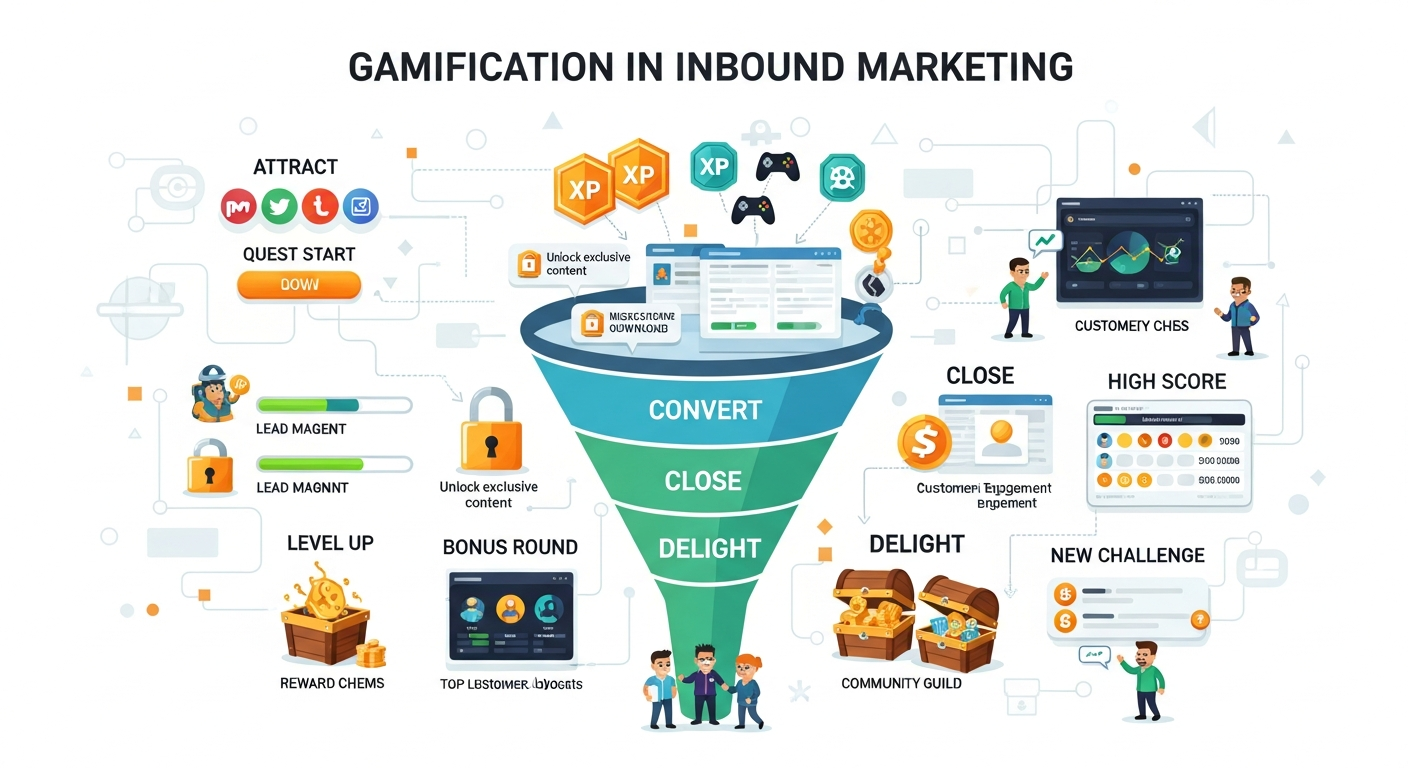
Gamification enhances inbound marketing by adding interactive game elements like quizzes, points, badges, and challenges to engage users more deeply. It boosts participation, improves lead quality, strengthens brand loyalty, and increases conversions by turning passive audiences into active participants through fun, rewarding experiences.
In today’s crowded digital landscape, capturing and retaining audience attention is more challenging than ever. Traditional inbound marketing tactics like blog posts, ebooks, and email newsletters remain essential, but adding a layer of interactivity can set your brand apart. Gamification—the application of game elements to non-game contexts—offers a powerful way to make your inbound marketing campaigns more engaging, memorable, and effective.
What Is Gamification in Inbound Marketing?
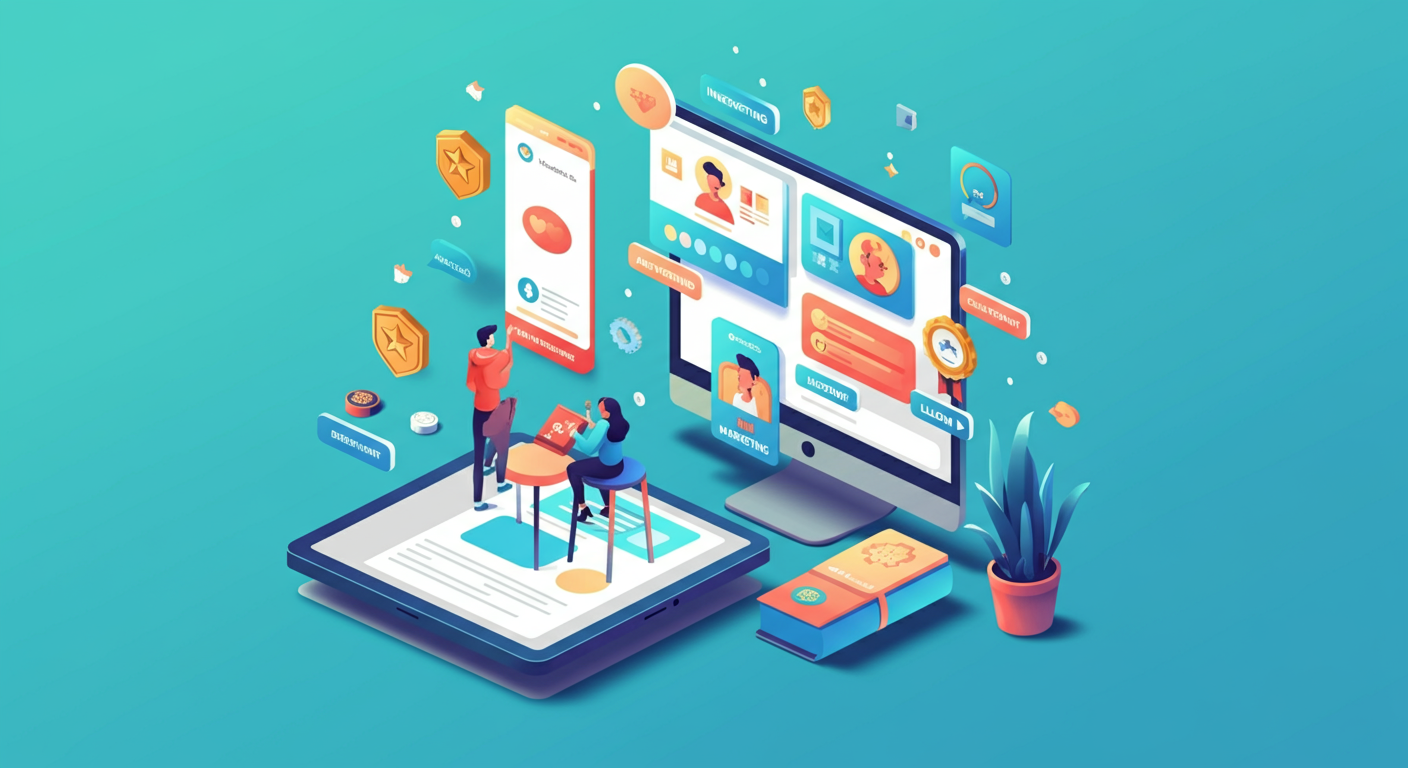
Gamification involves integrating game mechanics—such as points, badges, leaderboards, and challenges—into marketing activities to encourage desired behaviors. In the context of inbound marketing, gamification is used to attract, engage, and delight prospects and customers by making content consumption and participation fun and rewarding. Rather than passively consuming information, your audience becomes active participants, which can lead to higher time on page, greater lead quality, and improved brand affinity.
By tapping into psychological triggers like competition, achievement, curiosity, and reward-driven motivation, gamification transforms routine interactions into memorable brand experiences. These mechanics encourage users to explore more content, complete desired actions, and return repeatedly to advance their progress or unlock new rewards. As a result, brands gain deeper insights into user behaviour while creating stronger emotional connections. When implemented strategically, gamification not only boosts short-term engagement but also supports long-term customer retention, loyalty, and advocacy within a holistic inbound marketing ecosystem. Learn more about Inbound Marketing Explained.
Why Use Gamification in Your Inbound Strategy?
Traditional content marketing often relies on readers completing forms or clicking through a series of pages to access gated content. Gamification transforms these interactions into engaging experiences that motivate users to take action. By tapping into intrinsic motivators—like competition, achievement, and curiosity—you can amplify content performance, encourage social sharing, and collect richer data on user preferences and behaviors.
Key Benefits of Gamified Inbound Marketing
Enhanced Engagement: Interactive elements keep users on your site longer and encourage repeat visits.
Higher Conversion Rates: Rewards and progression systems motivate users to complete forms, subscriptions, or purchases.
Improved Data Collection: Gauging user responses in quizzes or challenges yields valuable insights for personalization.
Stronger Brand Loyalty: Fun, rewarding experiences forge emotional connections and encourage advocacy.
Social Amplification: Leaderboards and shareable badges inspire participants to spread the word.
Beyond these core advantages, gamified inbound marketing also improves content discoverability and reduces bounce rates by encouraging users to explore multiple touchpoints within a brand ecosystem. It supports hyper-personalized marketing by capturing behavioral data in real time, enabling smarter segmentation and targeted nurturing. Gamification further strengthens community building, as users feel part of an interactive journey rather than a one-way marketing funnel. When consistently optimized, these benefits compound to create sustainable growth, higher lifetime customer value, and increased brand trust over time.
Common Gamification Mechanics for Inbound Marketing

Incorporating the right mechanics depends on your goals and audience. Here are some popular options:
1. Quizzes and Polls
Personality quizzes, assessments, and polls invite users to engage by answering questions. They provide personalized results in exchange for an email or contact information. Quizzes perform well on social platforms, driving organic traffic back to your site.
2. Points, Badges, and Leaderboards
Awarding points for actions—like reading articles, watching videos, or sharing content—creates a sense of progression. Badges recognize milestones, while leaderboards introduce friendly competition among participants, boosting engagement and retention.
3. Contests and Challenges
Timed challenges, photo contests, or referral competitions can generate excitement and user-generated content. Incentives like discounts, exclusive access, or branded merchandise drive participation and word-of-mouth promotion.
4. Progress Bars and Levels
Visual indicators of progress—such as completion bars or unlockable levels—encourage users to continue through multi-step campaigns or courses. This mechanic is especially effective for onboarding sequences and email drip series.
Step-by-Step Guide to Implementing Gamification
Successful gamification requires planning, design, and iteration. Follow these five steps to integrate gamification into your inbound marketing strategy:
Step 1: Define Clear Objectives
Begin by identifying the specific outcomes you want: increased lead generation, reduced bounce rate, higher video completions, or social shares. Measurable goals align gamification mechanics with marketing KPIs and justify investment.
Step 2: Understand Your Audience
Segment your audience by demographics, behaviors, and preferences. Are they motivated by competition, recognition, or collaboration? Conduct surveys or analyze past campaign data to pinpoint the types of rewards and game mechanics that resonate most.
Step 3: Design Engaging Mechanics
Select mechanics that support your objectives and match your audience’s motivations. Keep rules simple, ensure progress is visible, and balance challenge with achievability. Design visuals and copy that reflect your brand voice and maintain consistency across touchpoints.
Step 4: Integrate with Your Inbound Systems
Seamlessly embed gamified elements into landing pages, email workflows, or social media channels. Use marketing automation tools and CRM integrations to track user actions, award points, and trigger follow-up communications based on behavior.
Step 5: Measure, Analyze, and Iterate
Track key metrics—completion rates, form conversions, time on page, and social shares—to assess performance. Solicit user feedback to identify friction points. Continuously refine mechanics, reward structures, and messaging to optimize engagement and ROI.
Case Studies: Gamification Success Stories
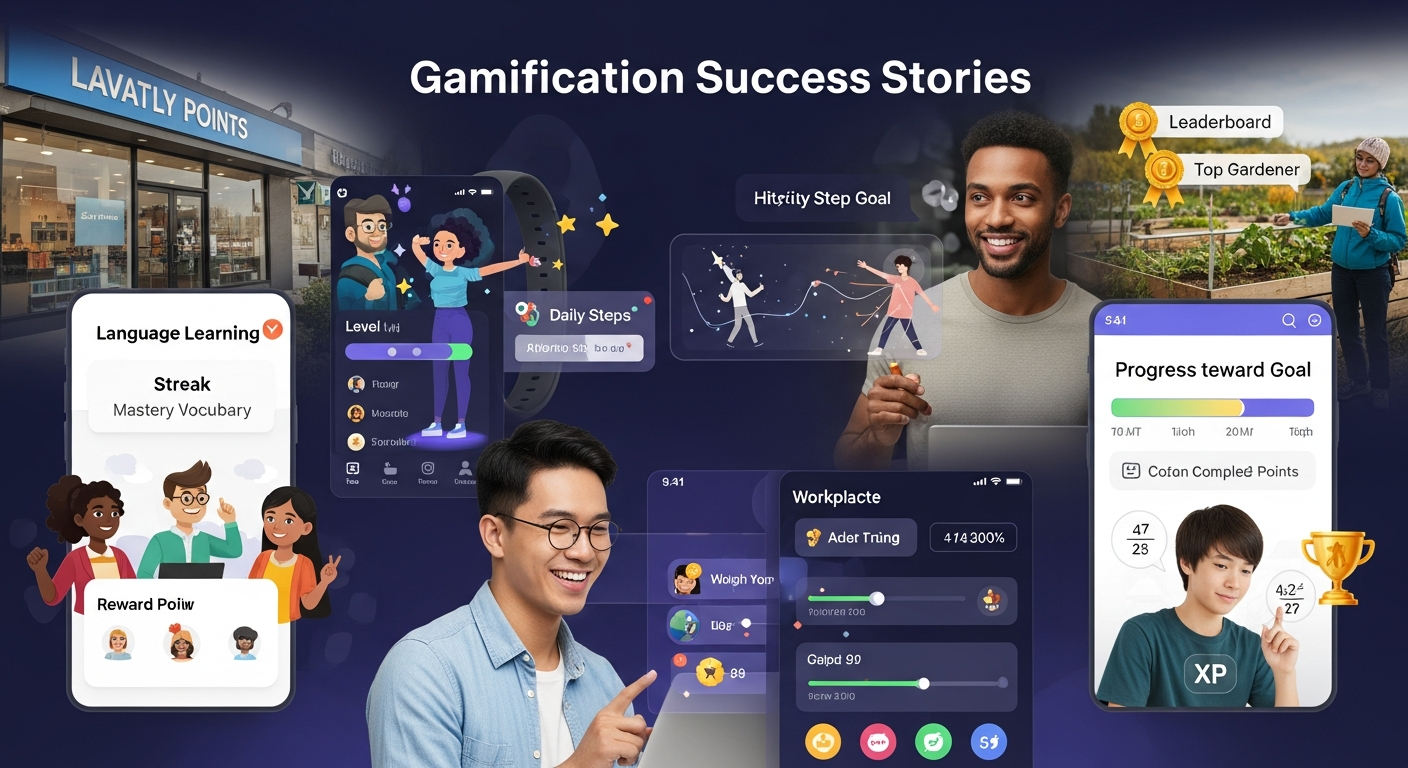
Several brands have leveraged gamification to supercharge their inbound efforts. For example, a B2B software provider created an interactive ROI calculator that awarded badges based on projected savings, driving a 40 percent lift in lead submissions. A fitness apparel brand launched a social media challenge encouraging users to share workout selfies with a specific hashtag; participants earned points redeemable for discount codes and boosted referral traffic by 60 percent. These examples demonstrate how tailored game mechanics can spur measurable business results.
Best Practices for Gamified Inbound Campaigns
- Keep It Simple: Avoid overcomplicating rules or reward structures. Clarity drives participation.
- Align Rewards with Value: Ensure that points, badges, or prizes reflect the effort required and the perceived value for your audience.
- Prioritize Mobile Experience: Many users will interact via smartphones, so design responsive, touch-friendly interfaces.
- Maintain Transparency: Clearly communicate how to earn rewards, redeem points, and why personal data is collected.
- Foster Community: Encourage participants to share achievements on social media or within online forums to build buzz and social proof.
Potential Pitfalls to Avoid
While gamification can drive impressive results, missteps can undermine credibility and user trust. Common pitfalls include neglecting user privacy, offering irrelevant rewards, creating imbalanced challenges, or failing to maintain momentum with fresh content. Mitigate risks by piloting mechanics with small audience segments, monitoring feedback closely, and being ready to pivot based on data-driven insights.
Beyond these common issues, brands should also be cautious of over-gamification, where excessive competition or complex rules lead to user fatigue instead of motivation. Poor technical performance—such as slow-loading games, bugs, or broken reward systems—can quickly damage user experience and brand perception. Additionally, failing to align gamification with actual business goals may result in high engagement but low conversion value. To avoid these risks, regularly audit campaign performance, refresh reward structures, ensure compliance with data protection regulations, and keep the user experience simple, transparent, and purpose-driven.
Conclusion
Integrating gamification into your inbound marketing strategy offers a compelling way to elevate engagement, collect deeper user insights, and foster long-term brand loyalty. By defining clear objectives, understanding audience motivations, and applying proven game mechanics, you can transform passive content consumption into dynamic experiences that delight prospects and drive conversions. Ready to level up your inbound marketing? Start brainstorming interactive ideas today, and watch as your engagement metrics soar.
Need help designing a custom gamified campaign? Contact our inbound marketing specialists to explore how gamification can transform your customer journey.
Frequently Asked Questions
Q1: What is gamification in inbound marketing?
A: Gamification is the use of game-like elements—such as points, badges, challenges, and leaderboards—within inbound marketing campaigns to boost engagement, motivation, and participation.
Q2: Why is gamification effective for inbound marketing?
A: It taps into human psychology, encouraging competition, achievement, and curiosity, which leads to higher engagement, longer site visits, better data collection, and increased conversions.
Q3: What are common examples of gamification in marketing?
A: Popular examples include quizzes, polls, reward points, referral contests, progress bars, challenges, badges, and leaderboards.
Q4: How does gamification improve lead generation?
A: Interactive experiences motivate users to complete forms, participate in challenges, and share content in exchange for personalized results, rewards, or recognition.
Q5: Is gamification suitable for B2B marketing?
A: Yes. B2B brands use tools like interactive calculators, assessments, certification challenges, and onboarding programs to drive high-quality leads and engagement.
Q6: What tools are used to implement gamification?
A: Common tools include marketing automation platforms, CRM systems, quiz builders, loyalty software, and interactive content tools integrated into websites and email campaigns.
Q7: What metrics should be tracked for gamified campaigns?
A: Key metrics include completion rate, time on page, conversion rate, repeat engagement, social shares, and campaign ROI.
Q8: What are the main risks of gamification?
A: Risks include poor reward design, overly complex rules, privacy concerns, irrelevant challenges, and lack of long-term engagement if content is not refreshed.