Inbound marketing agencies help businesses attract, convert, and retain customers through valuable content, SEO, and automation—replacing interruptions with trust-driven growth that delivers sustainable, long-term results.
This is what traditional marketing feels like. You are interrupting people when they don’t want to be interrupted, hoping that someone will listen. But if there were a better way? What if customers come to you, and instead you chase them?
That is the power of inbound marketing—it has become essential for businesses needing to grow sustainably to work with an agency inbound marketing (inbound marketing agency). Instead of depending on cold calls, banner ads, or direct mail, inbound marketing involves creating valuable content and experiences tailored for your customers’ needs so that they willingly come to you.
An agency inbound marketing is also adapted to this approach. Not only are they able to help businesses establish trust and find qualified leads, but they can turn strangers into loyal clients. This post will discuss just what inbound marketing agencies do, how they differ from traditional marketing firms, and why partnering with one could revolutionize your growth.
What is an Agency Inbound Marketing?

An agency inbound marketing is a highly specialized type of marketing agency that attracts customers through valuable content instead of interrupting them with ads. These agencies employ a schema that draws people to your business naturally in Google searches.
Through constant blog posts, for example, thoughtful social media content, email mailings, or simple changes to your website , you will see how much we buyers are visiting all the time just because they have something to offer.
The inbound philosophy can be summarized in four key steps:
- Attract: Attracting the right people to your website through SEO-optimized content, social media, and targeted advertising.
- Convert: Turning website visitors into leads by offering valuable resources like e-books, webinars, or free consultations in exchange for their contact details.
- Close: Nurturing these leads through email marketing; personalized content; and aligning sales to change prospects into clients.
- Delight: Giving a warm welcome service and continued value timing them till you get customers.
Different from traditional marketing agencies, an inbound marketing agency prefers to treat your whole customer journey.
Inbound Marketing Agencies vs. Traditional Agencies
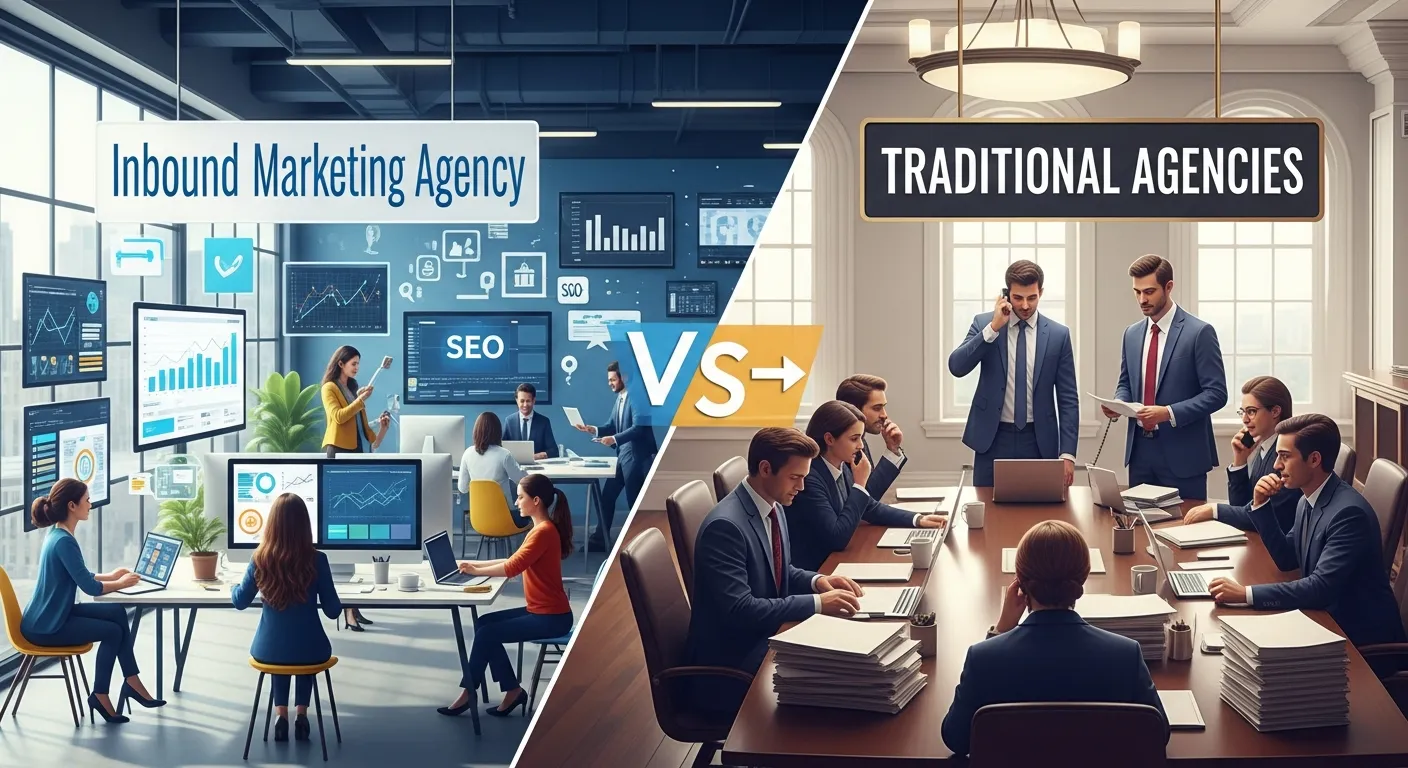
The distinction between an agency inbound marketing organization and a traditional marketing agency goes beyond philosophy.
Traditional marketing agencies often use outbound tactics—throwing messages in front of prospective customers, regardless of whether the customers want to see them or not. TV commercials, cold emails, pop-up ads and so forth. These methods can be effective but are increasingly less so as consumers grow too accustomed to being interrupted.
An agency inbound marketing reverses the situation: it creates messages that people actively want to seek out. First and foremost, it is helpful. Over time it builds trust and locates your business as an obvious choice for when someone is ready to buy.
A conventional agency might measure success by impressions or reach—how many people have seen your ad. Inbound marketing agencies focus on metrics that matter. They look at conversion rates and cost of acquisition per customer lifetime value.
This usually brings longer-term benefits, as it establishes relationships rather than mere awareness.
Primary Services Offered by Inbound Marketing Agencies
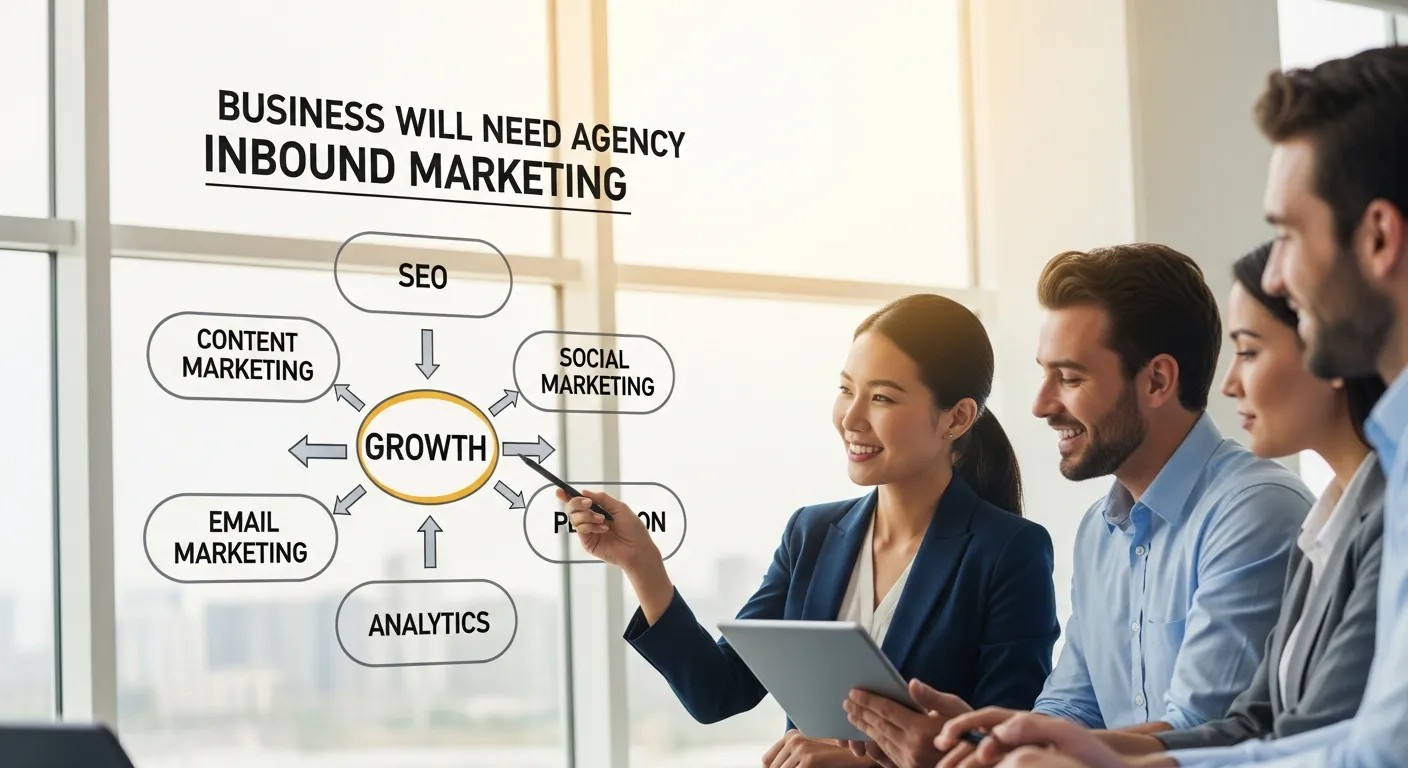
An effective agency inbound marketing offers a complete suite of services that, with your help, will attract, convert, and delight customers. The services you can expect from them are as follows: a strategic blend of content creation, search engine optimization, lead generation, and customer nurturing activities designed to support every stage of the buyer’s journey. These agencies focus on building long-term value rather than short-term gains, ensuring that each service works in harmony as part of a unified strategy.
From attracting the right audience through valuable, search-optimized content to converting visitors into qualified leads and delighting customers with ongoing engagement, inbound marketing agencies take a holistic approach. They continuously analyze performance, refine tactics, and align marketing efforts with your business goals to deliver sustainable growth and stronger customer relationships over time:
Content Marketing Strategy
Content is the heart of inbound marketing. An agency will develop a content strategy that covers the questions, challenges and interests of your target audience.
This can take the form of blog posts, downloadable resources, or social media content that builds a community. Top agencies formulate content that fits into your sales funnel.
Search Engine Optimization (SEO)
Inbound marketing agencies shall optimize site structure, create keyword-rich content, and be strategic about link building. They will conduct in-depth keyword research to uncover exactly what your customers are searching for at different stages of their buying journey, including informational, navigational, and transactional queries. Using these insights, they develop high-quality content that not only targets relevant keywords but also provides clear, helpful, and authoritative answers to those questions better than anybody else.
Beyond content creation, inbound marketing agencies continuously refine on-page SEO elements such as meta tags, internal linking, page speed, and mobile responsiveness to improve search visibility. They also monitor performance using analytics and search data, allowing them to update and optimize content over time so it remains competitive, relevant, and aligned with evolving search engine algorithms and customer needs.
Social Media Marketing
Inbound agencies will align content with the platforms your audience uses and engage in social conversations about your brand and industry. They carefully analyze where your target audience is most active—such as LinkedIn, Instagram, Facebook, X, or emerging platforms—and tailor messaging, formats, and posting schedules accordingly.
Beyond publishing content, inbound agencies actively monitor comments, mentions, and discussions to foster two-way communication. By responding to questions, joining relevant industry conversations, and amplifying user-generated content, they help build genuine relationships and community trust. This consistent engagement strengthens brand visibility, encourages sharing, and positions your business as a credible, approachable authority within your industry rather than just another promotional voice.
Email Marketing and Lead Nurturing
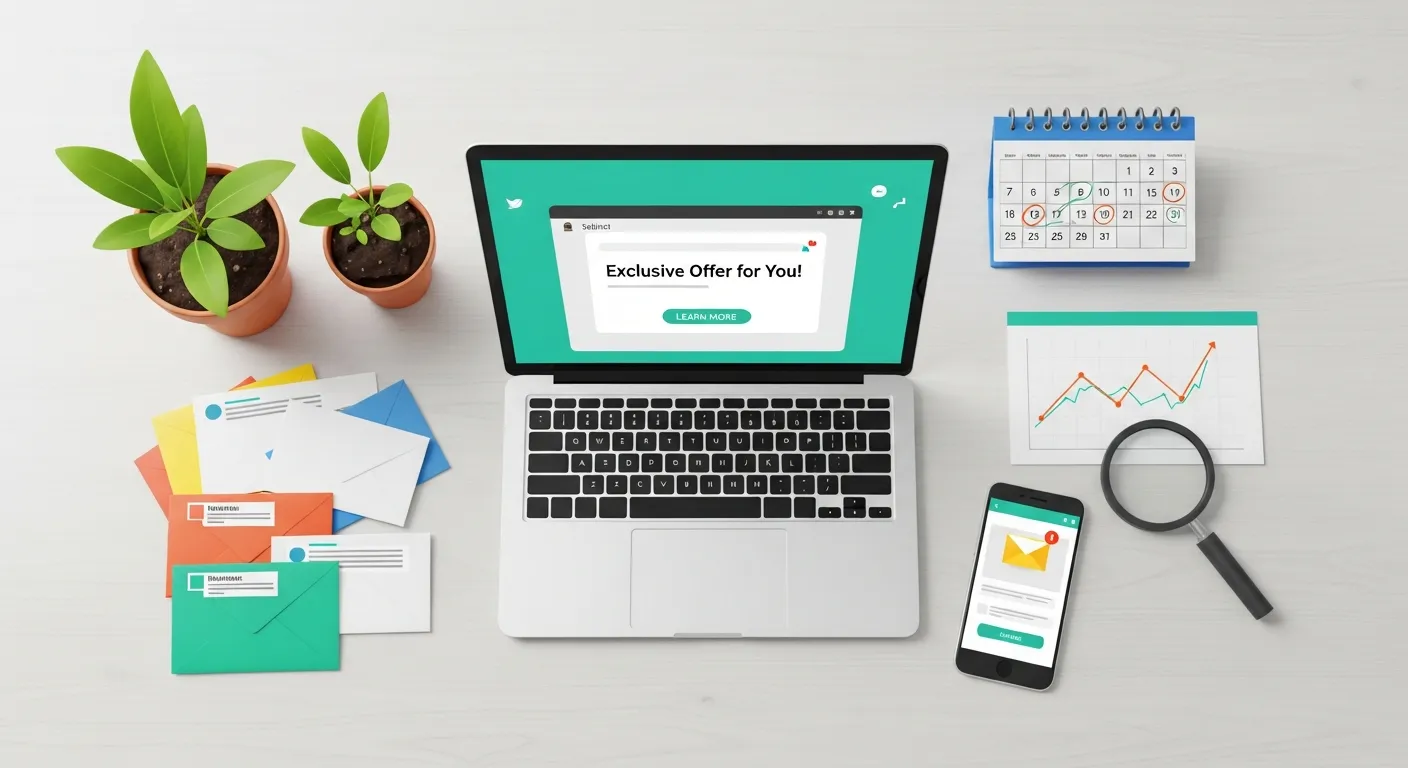
Inbound marketing agencies build email sequences that nurture your leads, helping them progress gradually through the sales process.
Marketing Automation
For actions like downloading an ebook or abandoning a cart, automated workflows send personalized messages. Inbound agencies make these systems operate seamlessly.
Inbound Marketing: Analytics and Reporting
This agency will measure key metrics, track performance, and continuously improve campaign performance based on analytics.
Benefits of Working with an Inbound Marketing Agency
Specialized Expertise
Inbound marketing requires a unique skill set that includes content, SEO, automation, and analytics.
Proven Methodologies
Agencies bring experience from diverse industries, knowing what works and how to adapt.
Cost-Effective Growth
Content created now will continue generating value over time—unlike traditional ads.
Scalable Results
Inbound marketing effects grow over time. Agencies help scale into new keywords, topics, and markets.
Alignment with Modern Buyer Behavior
Modern buyers do research. Inbound marketing supports this with content at each stage of the journey.
How to Pick the Right Inbound Marketing Agency
Industry Experience
Look for agencies that understand your industry, customers, and regulations.
Avoid Vanity Metrics
Don’t be misled by inflated follower counts or traffic stats. Look for meaningful metrics and transparent reporting.
Cultural Fit
Ensure your agency partner matches your values and work style.
Tools and Tech
Inquire about their marketing tools. Top agencies use professional-grade software, not free alternatives.
Working with an Inbound Marketing Agency
This is a partnership. Be prepared to share deep insights into your customers, competition, and goals.
Stay engaged with content creation. Your agency will do most of the work, but your input ensures authenticity.
Making Inbound Marketing Work for Your Business
Results from inbound marketing typically appear after 6–12 months. Be consistent and patient.
The Future of Customer Acquisition
Buyers avoid traditional ads but seek content that helps them solve problems. Inbound marketing places your brand where they’re already looking.
Rather than interrupting potential buyers with your sales pitch, you become a valuable resource they turn to for advice.
Inbound marketing yields higher-quality leads, deeper customer relationships, and sustainable competitive advantages.
Lead Conversion and Funnel Optimization
Attracting traffic is only the first step. Inbound marketing agencies focus heavily on converting visitors into leads. They design landing pages, forms, and calls-to-action that encourage users to exchange contact information for valuable resources. Conversion rate optimization ensures minimal friction and maximum engagement. Agencies also segment leads based on behavior and intent, allowing personalized follow-up. This structured funnel approach ensures that traffic translates into real business opportunities rather than vanity metrics.
Marketing Automation and Personalization
Marketing automation allows inbound strategies to scale efficiently. Agencies implement tools that trigger personalized messages based on user behavior. Whether someone downloads a guide, visits a pricing page, or abandons a form, automation ensures timely follow-up. This level of personalization improves engagement without manual effort. Inbound marketing agencies configure workflows, scoring models, and CRM integrations to ensure smooth collaboration between marketing and sales teams.
Measuring Inbound Marketing Success
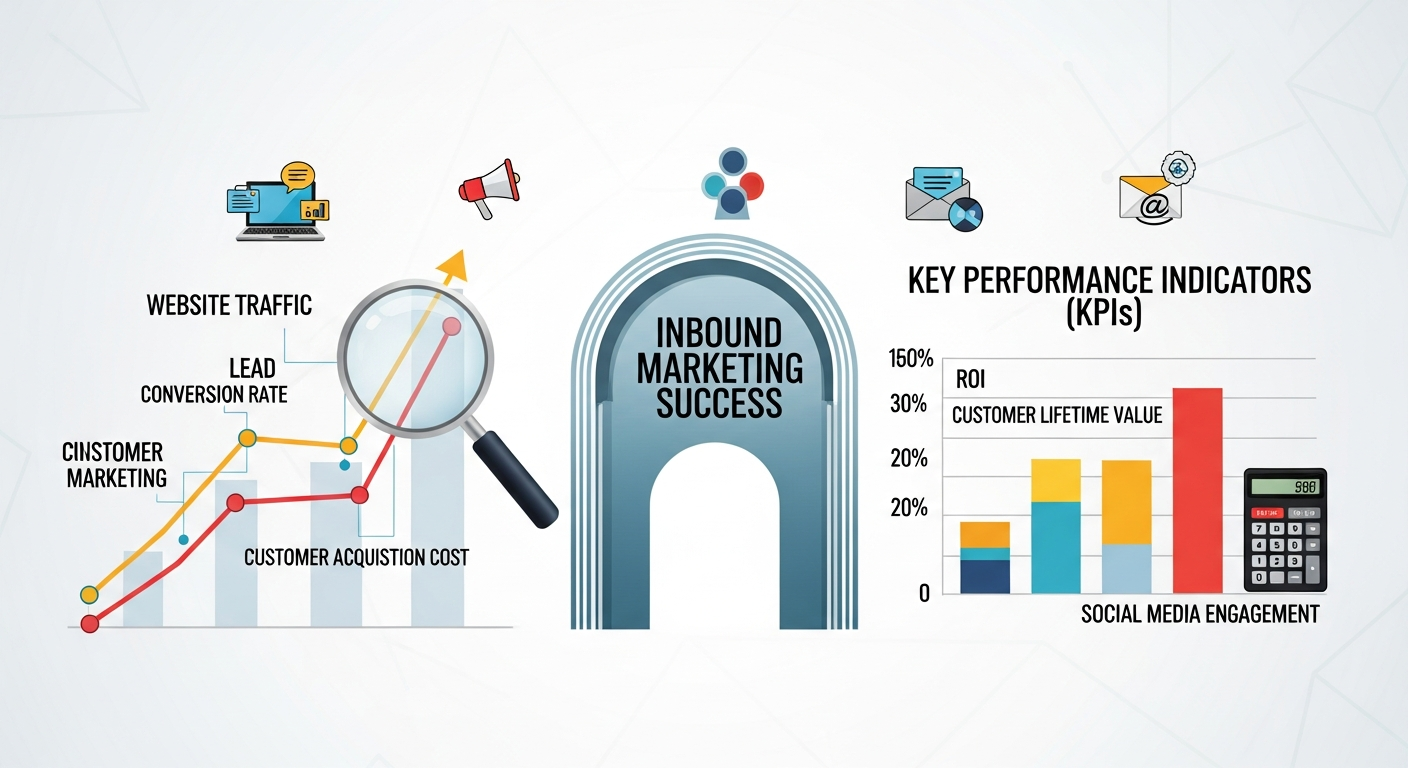
Inbound marketing agencies rely on meaningful metrics to evaluate success. Instead of focusing on impressions or likes, they track traffic quality, conversion rates, lead sources, customer acquisition cost, and lifetime value. Regular reporting provides transparency and insights for optimization. Data-driven decision-making ensures strategies improve continuously. This analytical approach helps businesses understand what works, what doesn’t, and where to invest for maximum ROI.
Final Thoughts
Are you ready to revolutionize how businesses win clients? You can research inbound marketing agencies based near you, or consider an agency like ours that works with businesses all over the country. The cost of inbound marketing now will pay dividends for years and decades to come.
Frequently Asked Questions (FAQ)
1. What is an inbound marketing agency?
An inbound marketing agency helps businesses attract potential customers by creating valuable, relevant content instead of interruptive advertising. These agencies focus on SEO, content marketing, lead generation, automation, and analytics to guide prospects naturally through the buyer journey—from awareness to conversion and loyalty.
2. How long does inbound marketing take to work?
Inbound marketing is a long-term strategy. Most businesses begin seeing early traction within 3–6 months, with consistent and measurable results typically appearing between 6–12 months. The timeline depends on industry competition, content quality, SEO maturity, and consistency.
3. Is inbound marketing expensive?
Inbound marketing is more cost-effective over time compared to paid advertising. While there is an upfront investment in content, tools, and strategy, inbound assets continue generating leads long after creation, reducing customer acquisition costs and improving ROI.
4. Can small businesses use inbound marketing?
Yes, inbound marketing is highly scalable and ideal for small businesses. It allows smaller teams to compete with larger brands by targeting niche keywords, producing educational content, and building trust without massive advertising budgets.
5. What industries benefit most from inbound marketing?
Industries with longer buying cycles and research-driven customers benefit the most. This includes B2B, SaaS, healthcare, professional services, education, fintech, and eCommerce. However, inbound principles can be adapted to nearly any industry.
6. Does inbound marketing replace paid ads?
Inbound marketing does not replace paid advertising—it complements it. Paid ads can drive short-term traffic, while inbound builds long-term organic growth. Together, they create a balanced and sustainable marketing strategy.
7. What tools do inbound agencies use?
Inbound agencies use CRM systems, marketing automation platforms, email marketing tools, SEO software, analytics dashboards, and content management systems to track performance, nurture leads, and optimize campaigns efficiently.
8. How does inbound improve lead quality?
Inbound marketing attracts users who are actively searching for solutions. Because these leads discover your brand through relevant content, they are more informed, engaged, and likely to convert—resulting in higher-quality leads.
9. Is content creation necessary?
Yes, content is the foundation of inbound marketing. Blogs, guides, videos, case studies, and email content educate audiences, build trust, improve SEO rankings, and support lead nurturing throughout the funnel.
10. How do agencies measure success?
Success is measured through meaningful metrics such as organic traffic growth, conversion rates, lead quality, customer acquisition cost, ROI, and customer lifetime value—rather than vanity metrics like impressions alone.
11. Can inbound support sales teams?
Yes, inbound marketing strongly supports sales teams by delivering educated, sales-ready leads. Lead nurturing, scoring, and CRM integration help align marketing and sales, shortening sales cycles and improving close rates.
12. Is inbound marketing sustainable?
Inbound marketing is one of the most sustainable growth strategies available. Content and SEO efforts compound over time, delivering consistent traffic, leads, and revenue without continuously increasing ad spend.