
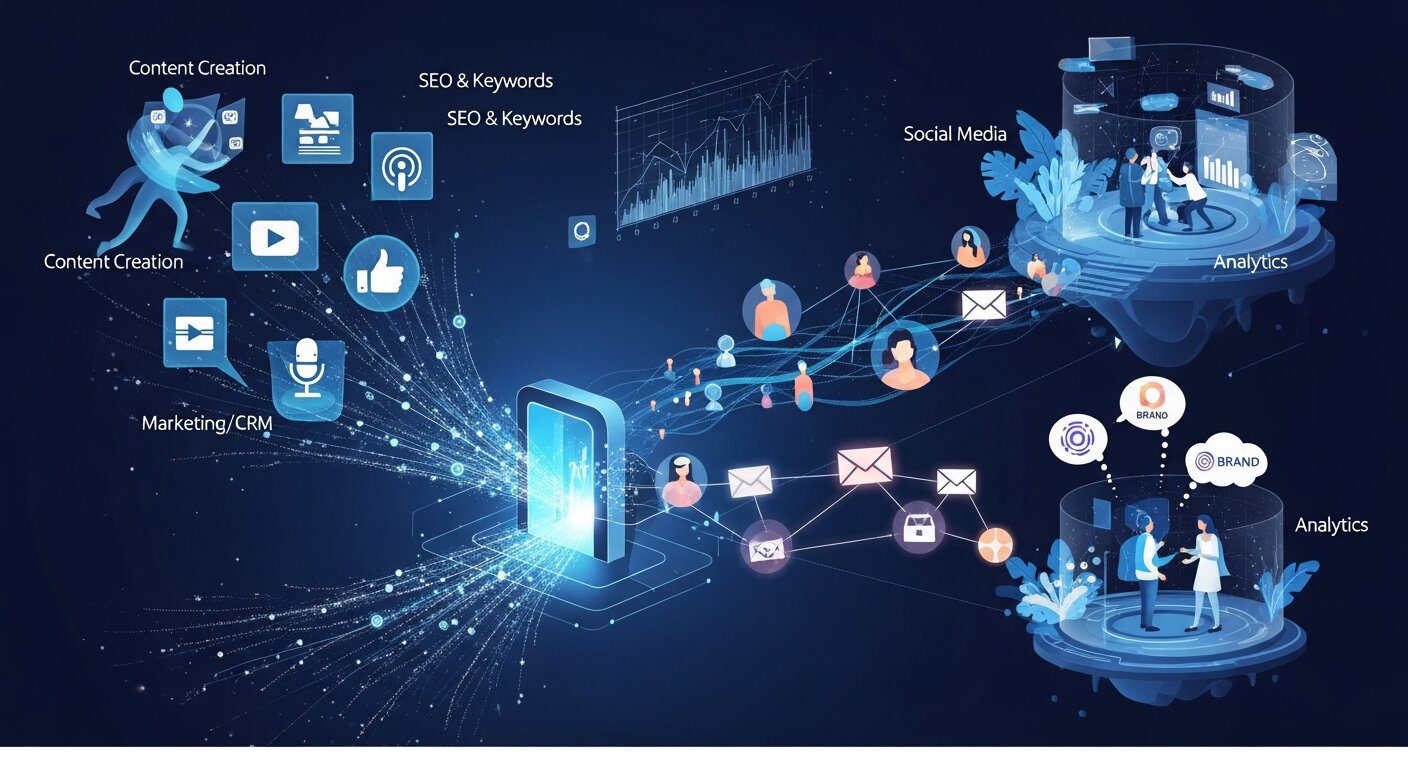
The metaverse offers a transformative space for inbound marketing, blending immersive experiences, avatars, and virtual content. Inbound Marketing Metaverse strategies focus on value, engagement, and trust, rather than traditional advertising. Brands that adopt these principles can build lasting connections and measurable impact in virtual environments.
The metaverse is no longer just a futuristic concept—it is becoming a tangible, immersive ecosystem where users interact through avatars, explore virtual spaces, and engage in ways that transcend traditional digital platforms. For marketers, this presents an unprecedented opportunity to connect with audiences in environments that blend entertainment, socialization, education, and commerce. Inbound marketing, which focuses on providing value, building relationships, and guiding customers organically, adapts seamlessly to these immersive spaces. By understanding the unique characteristics of the metaverse—including spatial interaction, avatar behavior, and environmental storytelling—brands can create experiences that are memorable, participatory, and deeply engaging. Strategies in the metaverse require rethinking content, analytics, and community-building, all while maintaining trust, consistency, and brand identity. Leveraging Inbound Marketing Metaverse principles allows businesses to craft virtual journeys that not only capture attention but also foster lasting relationships and measurable engagement.
Understanding the Metaverse Landscape
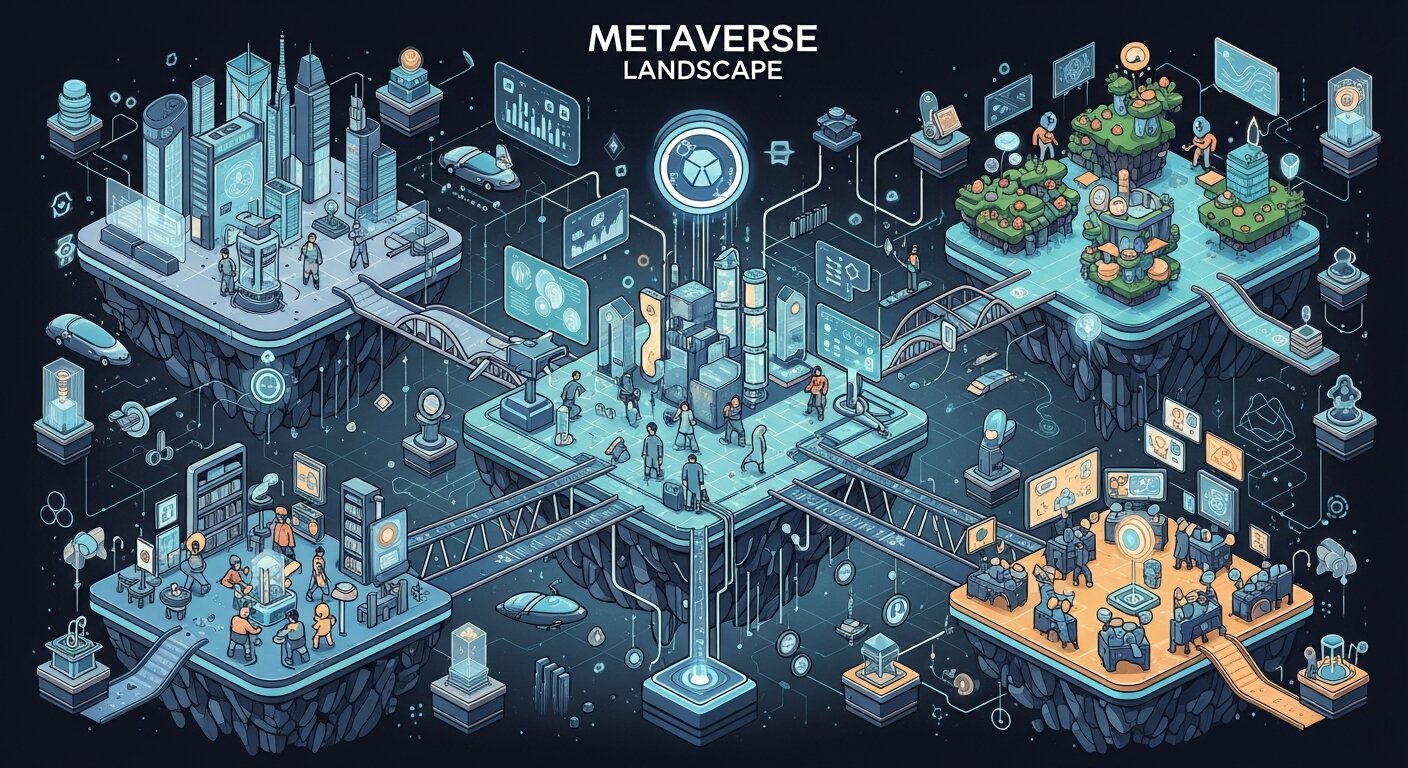 The metaverse isn’t a single destination but a dynamic ecosystem of immersive platforms. Some focus on gaming and entertainment, while others prioritize virtual workplaces or social connections. Each environment attracts different audiences and enables distinct types of experiences, making the metaverse a complex space for marketers. Understanding this diversity is essential for any effective Inbound Marketing Metaverse strategy.
Gaming-centric platforms like Roblox and Fortnite have pioneered brand integrations through virtual events, limited-edition items, and interactive experiences. Business-oriented environments emphasize collaboration, professional networking, and enterprise-focused solutions. Social platforms highlight connection and self-expression through customizable avatars, spaces, and community-driven events. Despite these differences, what unifies these platforms is their immersive nature. Users are not merely passive consumers—they step inside experiences and interact with content, making traditional interruptive advertising less effective. This shift underscores why Inbound Marketing Metaverse approaches are particularly valuable.
At Inbound Marketo, we recognize that crafting a successful Inbound Marketing Metaverse plan starts with understanding these nuanced digital environments. Marketers must consider the unique behaviors, motivations, and engagement patterns of users in each virtual world. By aligning strategy with platform characteristics, brands can foster meaningful interactions and long-term engagement.
Content remains the foundation of inbound marketing, but its form transforms dramatically in metaverse environments. Text-based blogs, static visuals, and conventional videos are replaced by interactive experiences, spatial storytelling, and environmental design. In this context, virtual spaces themselves become content. Carefully designed brand environments can communicate your mission, values, and personality far more effectively than traditional messaging. This approach exemplifies the potential of Inbound Marketing Metaverse strategies to elevate brand storytelling.
Educational content takes on new dimensions in these immersive worlds. Rather than merely explaining how a product works, brands can let visitors experience it virtually. Complex ideas can be visualized in three dimensions, making them more intuitive, engaging, and memorable. This experiential approach not only enhances understanding but also increases the likelihood of lasting engagement, a core principle of Inbound Marketing Metaverse initiatives.
User-generated content becomes even more crucial in the metaverse. When visitors manipulate objects, customize environments, or leave personal marks in virtual spaces, they become active participants in the brand story. Encouraging such interactions aligns perfectly with Inbound Marketing Metaverse philosophy, which emphasizes value-driven, participatory engagement over traditional advertising.
Finally, measuring success in these immersive environments requires new metrics. Engagement is no longer limited to clicks or page views—it includes time spent exploring, interactions with objects, social connections made, and content shared. By integrating these insights, brands can refine their Inbound Marketing Metaverse strategies, ensuring each virtual interaction strengthens the relationship between users and the brand.
In conclusion, the metaverse represents a transformative opportunity for inbound marketing. By understanding platform diversity, prioritizing immersive content, and fostering active participation, brands can leverage Inbound Marketing Metaverse approaches to create memorable, meaningful, and measurable experiences. Companies that embrace this shift will not only engage users more effectively but also set new standards for digital marketing in immersive environments.
Building Community in Virtual Worlds
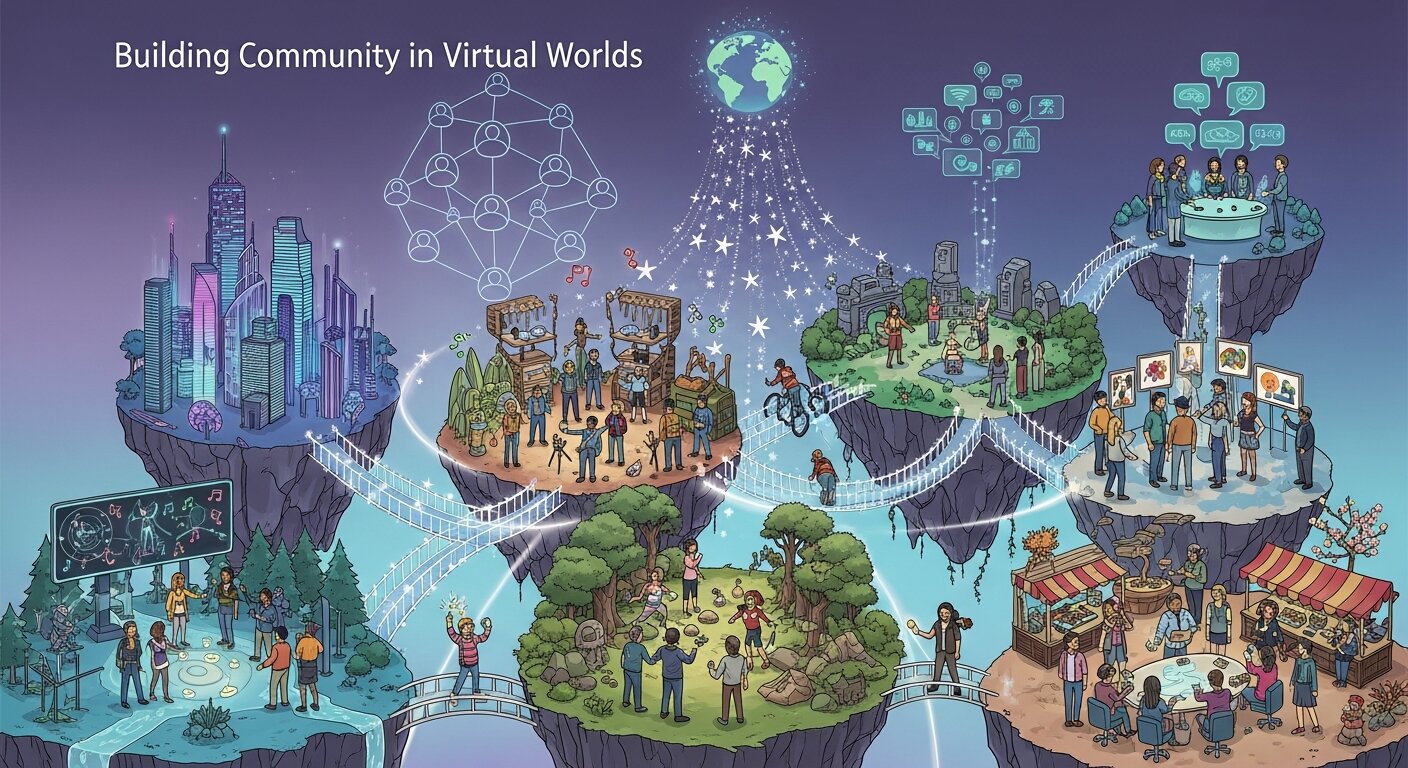 The metaverse excels at fostering genuine connection, making it a prime environment for community-centered inbound strategies. In these immersive worlds, users can interact not only with brands but also with one another, creating rich social dynamics that amplify engagement. For marketers, this presents an opportunity to implement Inbound Marketing Metaverse strategies that prioritize relationship-building and meaningful participation over traditional advertising interruptions.
Virtual events are particularly effective in cultivating community bonds. From product launches and educational panels to entertainment experiences, these gatherings blend the reach of digital channels with the emotional resonance of in-person interactions. By integrating interactive features, polls, and live Q&A sessions, brands can ensure that participants are active contributors rather than passive observers. Such experiential engagement exemplifies the principles of Inbound Marketing Metaverse, where value-driven participation is central.
Co-creation opportunities further enhance community investment. By inviting users to design virtual objects, shape environments, or participate in collaborative projects, brands turn audiences into co-creators. This participatory approach not only deepens engagement but also aligns perfectly with Inbound Marketing Metaverse strategies, emphasizing the importance of user agency and immersive storytelling. Projects that evolve over time encourage repeat interactions, strengthening the bond between brand and community.
Maintaining engagement between major events requires consistent touchpoints. Virtual office hours, open community spaces, and integrated discussion forums allow users to interact organically with your brand and each other. These ongoing interactions build loyalty, support peer-to-peer learning, and reinforce the long-term effectiveness of Inbound Marketing Metaverse initiatives. In this environment, engagement is measured not just by attendance but by meaningful contributions, collaboration, and content creation.
From links to portals, the metaverse transforms how users discover and navigate between destinations. Traditional SEO strategies, which rely on search engines and hyperlinks, evolve into visibility within immersive worlds and spatially intuitive navigation. The principles of Inbound Marketing Metaverse suggest that discovery must be built into the environment itself, leveraging environmental cues, interactivity, and contextual relevance to guide exploration.
Virtual storefronts, experience centers, and branded spaces serve as key discovery touchpoints. Much like foot traffic in physical retail, their location within popular virtual platforms affects visibility and engagement. Strategic placement, coupled with immersive design elements, ensures that users encounter your content naturally, demonstrating the effectiveness of Inbound Marketing Metaverse approaches in capturing attention without disruption.
Portal strategies connect your brand’s various virtual presences. Just as websites link between pages, virtual spaces can feature portals to other metaverse locations, experiences, or events, creating an interconnected ecosystem that encourages exploration. Thoughtful environmental cues—lighting, sound, movement, and architectural design—guide visitors organically through these experiences, replacing traditional menus and navigation bars. These design techniques reflect the core of Inbound Marketing Metaverse philosophy: creating immersive, value-driven pathways that naturally draw users deeper into your brand story.
In conclusion, community-centered strategies in the metaverse thrive when they combine interactive engagement, co-creation, and spatial discovery. By integrating virtual events, ongoing touchpoints, and portal-based navigation, brands can implement highly effective Inbound Marketing Metaverse campaigns that strengthen relationships, encourage participation, and build a lasting sense of community within immersive environments.
Identity and Trust in Avatar-Based Interactions
 When interactions occur between avatars rather than simple usernames, the dynamics of identity, trust, and social perception shift significantly. Avatars introduce nonverbal cues, spatial presence, and embodied interaction, transforming the way users experience engagement. For marketers, this change opens both challenges and opportunities, highlighting the importance of Inbound Marketing Metaverse strategies that prioritize authentic connection and value-driven participation.
Brand representatives in avatar form become the human—or anthropomorphic—face of your organization. Their appearance, mannerisms, and interactive behaviors shape visitor perceptions far more effectively than static profile pictures, bios, or text-based communication. Whether these avatars are realistic human representations or stylized brand characters, they offer a powerful medium for expressing personality, tone, and brand ethos. Implementing consistent avatar identity is a cornerstone of effective Inbound Marketing Metaverse campaigns, ensuring visitors recognize and trust your brand across multiple experiences and environments.
Verification and authentication mechanisms play a critical role in establishing brand legitimacy. As metaverse environments evolve, official brand verification helps users distinguish authorized presences from imitators or unofficial accounts. Verified avatars reinforce credibility and foster trust, a vital component of long-term engagement. Brands that integrate verified digital identities can fully leverage Inbound Marketing Metaverse approaches to build reputational strength and user confidence.
Data and analytics in the metaverse require new measurement paradigms to capture the richness of these interactions. Traditional web analytics, focused on page views and clicks, expand into spatial movement tracking, attention mapping, and avatar behavior analysis. Heat maps reveal where avatars cluster, which objects or areas attract engagement, and how visitors navigate your virtual environments. These insights inform the design of more effective, immersive experiences, aligning with the goals of Inbound Marketing Metaverse initiatives.
Attention metrics track where avatars direct their focus, enabling marketers to optimize content placement and highlight key messages or calls to action. Engagement manifests physically through avatar behaviors—applause, gestures, object interaction, or emotes provide nuanced feedback about user interest, enjoyment, and emotional response. By capturing these signals, brands can refine strategies that enhance value delivery, a principle central to Inbound Marketing Metaverse campaigns.
Creating value through utility, education, and entertainment remains the foundation of effective metaverse marketing. Practical tools embedded in virtual spaces—such as collaborative meeting areas, resource libraries, or industry-specific applications—address real user needs while promoting brand relevance. Educational experiences leverage three-dimensional visualization to make complex concepts tangible, allowing users to explore, manipulate, and understand ideas in ways impossible through traditional formats. Entertainment experiences, from interactive games to performances or creative challenges, generate positive associations and encourage repeat visits. Together, these approaches exemplify the core philosophy of Inbound Marketing Metaverse: delivering genuine value to users rather than relying on intrusive promotional messaging.
In summary, the combination of avatar-based interaction, immersive analytics, and value-focused experiences creates a fertile environment for Inbound Marketing Metaverse strategies. By prioritizing trust, consistency, and meaningful engagement, brands can harness the unique capabilities of virtual environments to build long-lasting connections, enhance brand perception, and measure success in ways that transcend conventional digital marketing metrics. Companies embracing these principles are best positioned to thrive in the evolving landscape of metaverse engagement.
Virtual products and services extend your offerings. From digital fashion for avatars to virtual consultations to premium spaces or experiences, these offerings can complement your physical products or stand alone as valuable assets.
Bridging Virtual and Physical Customer Journeys
 The most effective metaverse strategies don’t exist in isolation but connect seamlessly with other channels, both digital and physical.
Phygital products blend physical items with virtual components. Products might come with digital twins for the metaverse, augmented reality features, or access to exclusive virtual experiences, creating integrated value propositions.
Customer journey mapping across realities ensures smooth transitions. Consider how customers move between virtual experiences, traditional websites, social media, and physical interactions with your brand.
Data integration across touchpoints provides holistic customer understanding. Connecting behavior in virtual environments with other customer data helps personalize experiences across all channels.
Consistent brand experience while respecting contextual differences maintains recognition. Your metaverse presence should feel unmistakably like your brand while adapting appropriately to the unique qualities of each platform.
Starting Your Metaverse Marketing Journey
 Despite the metaverse’s rapidly evolving nature, waiting for complete maturity before developing your strategy risks falling behind innovative competitors who are building expertise now.
Begin with focused experiments rather than massive investments. Small-scale activations in established platforms let you gain experience and insights without overcommitting resources to unproven approaches.
Partner with experienced creators who understand the environments. Just as you might work with web developers or video producers, collaboration with virtual world builders and experience designers accelerates your learning curve.
Listen closely to early participant feedback. The novelty of metaverse experiences sometimes obscures their practical value. Rigorous user testing helps distinguish between what impresses initially and what provides lasting engagement.
Develop internal expertise incrementally. Dedicate team members to understanding metaverse platforms and building competencies that will serve your brand as these environments continue to evolve.
The Horizon: Emerging Trends to Watch
Several developing trends will likely shape the future of metaverse marketing as the technology matures and user bases grow.
Interoperability between platforms may eventually allow avatars and digital assets to move between different metaverse environments. Brands that design with this possibility in mind will be better positioned as standards emerge.
Haptic feedback technologies will enhance immersion by adding tactile sensations to virtual experiences. This additional sensory dimension will create even more compelling brand interactions.
AI-driven personalization will tailor virtual environments to individual preferences and behaviors. Spaces might reconfigure based on visitor interests or AI representatives might customize their interactions for each visitor.
Decentralized ownership models enabled by blockchain technology will give users greater control over their virtual identities and possessions. Brands that respect this ownership rather than attempting to control all aspects of the experience will build stronger community relationships.
The metaverse represents not just a new marketing channel but a fundamental evolution in how brands and customers connect. By applying inbound principles to these immersive environments, forward-thinking marketers can create experiences that provide genuine value while building lasting relationships.
Frequently Asked Questions
What is Inbound Marketing Metaverse?
Inbound Marketing Metaverse refers to applying inbound marketing principles—such as value creation, engagement, and relationship-building—within immersive metaverse environments, where users interact as avatars in three-dimensional spaces.
How is marketing in the metaverse different from traditional digital marketing?
Unlike traditional marketing, metaverse marketing emphasizes immersive experiences, spatial storytelling, and avatar-based interactions rather than static content, pop-ups, or conventional ads. Engagement is participatory, not passive.
Which platforms are best for Inbound Marketing Metaverse strategies?
Popular platforms include gaming and social environments like Roblox, Fortnite, Decentraland, and Horizon Worlds, as well as business-focused spaces like virtual offices. Each platform caters to different audiences and requires tailored strategies.
How do brands measure success in the metaverse?
Success is measured through immersive metrics, such as avatar movement patterns, engagement behaviors (interacting with objects, gestures, and emotes), dwell time, and community participation—beyond simple clicks or pageviews.
Can metaverse marketing work for all industries?
Yes, but strategies vary. Entertainment, retail, education, and tech industries often benefit most initially, while B2B sectors can leverage collaboration spaces, educational demos, and virtual networking for Inbound Marketing Metaverse initiatives.
How do avatars impact marketing strategies?
Avatars bring nonverbal cues, spatial presence, and identity to interactions. Brand avatars or representatives help build trust and recognition, while user avatars provide insights into engagement and preferences.
What role does community-building play in the metaverse?
Community is central. Virtual events, co-creation projects, and ongoing touchpoints like forums and discussion spaces foster loyalty, peer-to-peer engagement, and long-term participation, which are key principles of Inbound Marketing Metaverse.
How should content be adapted for the metaverse?
Content should be interactive, experiential, and spatially designed. Virtual spaces themselves act as content, and educational or entertaining experiences allow users to engage actively rather than passively consuming information.
How can virtual products and services enhance a brand’s strategy?
Digital offerings—such as virtual apparel, consultations, or immersive experiences—can complement physical products or stand alone. They create additional value, encourage repeat engagement, and reinforce brand presence in virtual environments.
Where should brands start with metaverse marketing?
Begin with small, focused experiments on established platforms, partner with experienced creators, gather participant feedback, and incrementally develop internal expertise. Early adoption helps refine strategies for long-term success.