
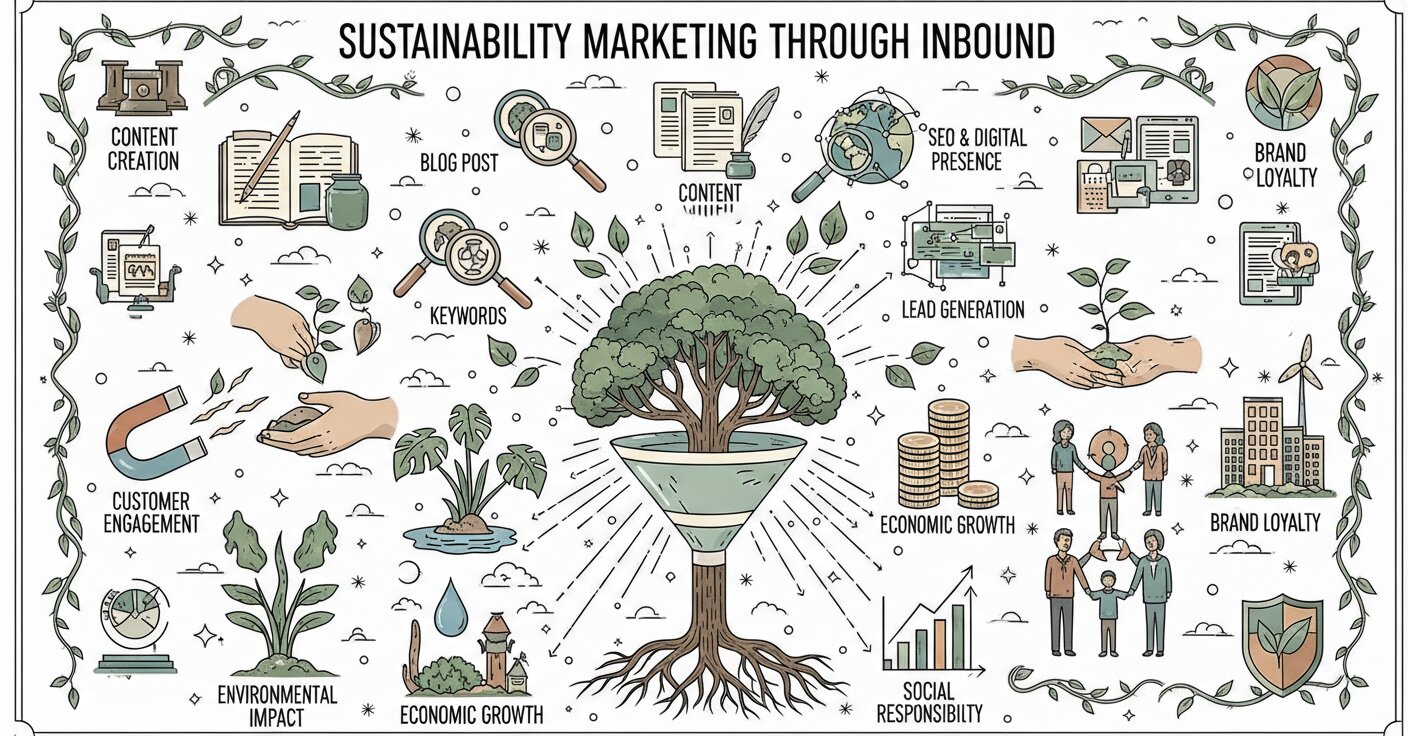
Inbound sustainability marketing connects brands with eco-conscious consumers through transparency, education, and engagement. By emphasizing authenticity, targeted content, and community involvement, it transforms customers into advocates. This approach builds long-term trust while demonstrating genuine environmental commitment.
Inbound sustainability marketing is rapidly becoming a core strategy for brands that want to connect authentically with eco-conscious consumers. Unlike traditional marketing approaches that rely on broad messaging or flashy promotions, inbound sustainability marketing emphasizes education, transparency, and engagement. It focuses on creating content that informs, empowers, and inspires sustainable choices while highlighting genuine environmental initiatives. By aligning business practices with the values of environmentally aware audiences, brands can build trust, nurture long-term relationships, and turn customers into advocates. The following frequently asked questions provide guidance for businesses looking to implement or improve their inbound sustainability marketing efforts.
Understanding the Eco-Conscious Consumer
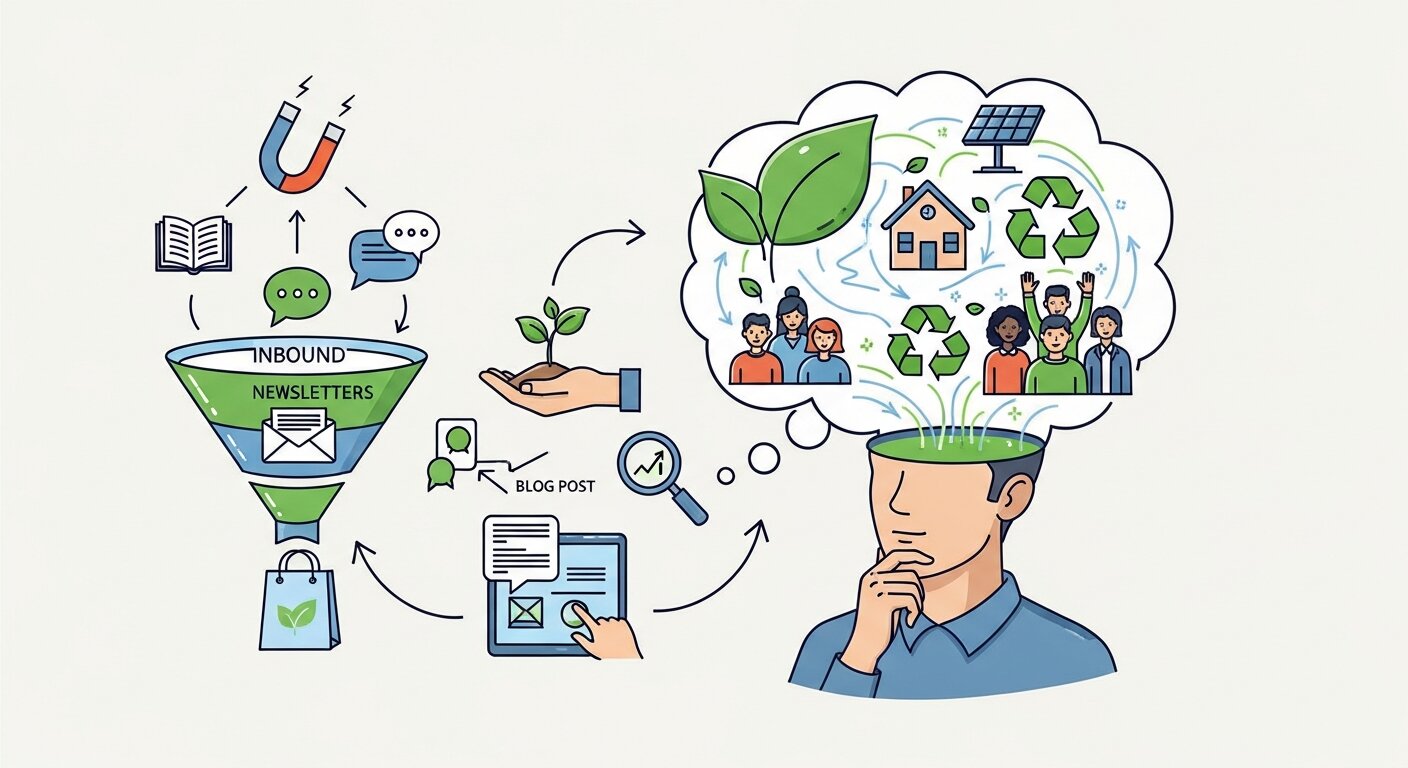 Eco-conscious consumers are far from a monolithic group. They range from deeply committed environmentalists who scrutinize every decision to pragmatic purchasers seeking practical ways to make a positive impact on their families and the planet. Despite their differences, these consumers share key characteristics that make them particularly receptive to inbound strategies. They conduct thorough research before making purchases, looking beyond product packaging to examine company practices, supply chains, and overall corporate values. Their skepticism toward greenwashing and superficial sustainability claims means that only brands demonstrating genuine commitment can earn their trust. This makes inbound sustainability marketing especially effective, as it emphasizes authentic engagement rather than overt advertising.
Building authentic sustainability narratives is central to successful inbound sustainability marketing. Companies cannot rely on vague claims; they must start by critically examining their actual environmental impact and initiatives. Transparency is essential—without it, even the most well-intentioned inbound sustainability marketing efforts can fall flat. According to the Sustainable Brands Consumer Insights Report, 75% of consumers doubt most companies’ sustainability claims, highlighting a major opportunity for brands that communicate honestly and openly. By documenting the sustainability journey candidly, including both successes and ongoing challenges, companies can foster credibility. Acknowledging imperfections while demonstrating meaningful progress resonates far more than claims of perfection, and this approach forms the backbone of effective inbound sustainability marketing campaigns.
Content created for inbound sustainability marketing should address the questions that eco-conscious consumers care about most. What specific environmental problems does the company aim to solve? How are products or processes genuinely more sustainable than alternatives? What measurable impact have initiatives already created, and what future goals guide the organization? By answering these questions clearly and thoughtfully, brands provide valuable information that draws consumers in naturally. When eco-conscious buyers encounter a brand whose values align with their own, they often become passionate advocates. These advocates amplify the reach of inbound sustainability marketing efforts, sharing stories, recommendations, and experiences within their communities.
Ultimately, inbound sustainability marketing thrives on authenticity, transparency, and meaningful engagement. It is not just about promoting products—it’s about telling a story that connects with eco-conscious consumers on a deeper level. By consistently integrating real sustainability actions into messaging, brands can create a virtuous cycle: content draws in informed consumers, who engage and share, further extending the impact of inbound sustainability marketing. Over time, this approach strengthens trust, builds loyal communities, and positions the brand as a credible leader in sustainable practices. When executed thoughtfully, inbound sustainability marketing transforms eco-conscious consumers into active participants in a brand’s journey toward environmental responsibility.
Content Strategy for Eco-Conscious Engagement
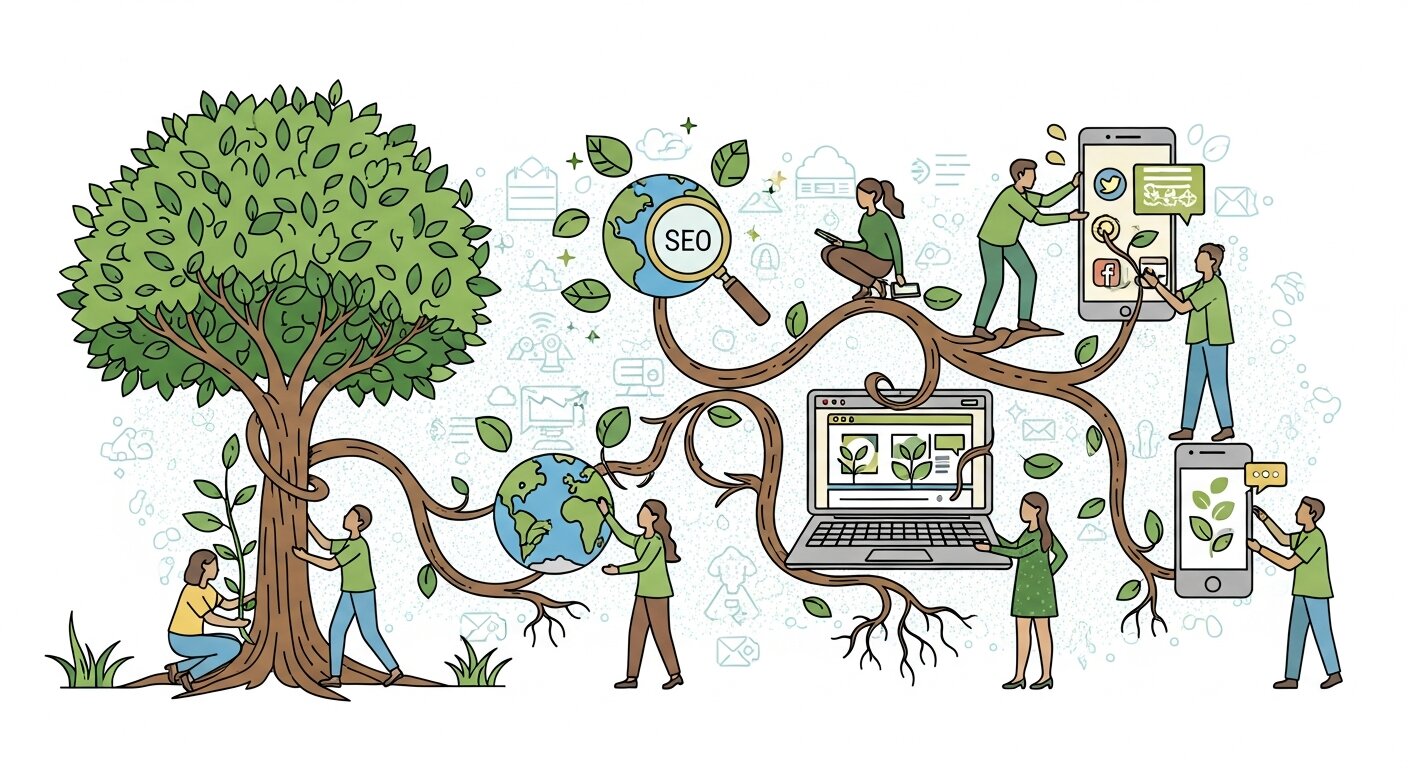 Effective sustainability marketing goes far beyond promoting products—it should educate and empower consumers, providing actionable insights that help them make more environmentally responsible decisions. This philosophy aligns seamlessly with inbound principles, making inbound sustainability marketing a particularly effective approach. Rather than relying on traditional push advertising, inbound sustainability marketing emphasizes delivering value through content that informs, inspires, and engages. Educational content consistently performs well with eco-conscious audiences because it demonstrates credibility and a genuine commitment to sustainability. By creating resources that help consumers make better choices—whether related to your products or broader lifestyle decisions—brands position themselves as trusted partners in the sustainability journey, which is the essence of inbound sustainability marketing.
Content strategies for inbound sustainability marketing should cover multiple dimensions. Brands can explain environmental certifications in their industry, helping consumers understand what labels and standards truly signify. Offering practical tips for reducing environmental impact in daily life extends the brand’s value beyond its product line, reinforcing trust and authenticity. Highlighting the tangible impact of consumer choices, whether through case studies, community stories, or measurable environmental outcomes, strengthens engagement and supports inbound sustainability marketing objectives. Personal stories of individuals and communities benefiting from sustainable practices further humanize the brand, making it easier for audiences to connect with the mission and share content organically. Visual content is particularly powerful in this context—authentic imagery, videos of initiatives in action, and behind-the-scenes documentation communicate sincerity far more effectively than stock photography, amplifying the impact of inbound sustainability marketing campaigns.
An effective SEO strategy is another critical element of inbound sustainability marketing. Eco-conscious consumers often use highly specific search terms that differ from mainstream shopping behavior. Identifying these long-tail keywords allows brands to target audiences with higher intent while minimizing competition and marketing spend. Instead of aiming for broad terms like “sustainable products,” brands can focus on niche phrases such as “plastic-free bathroom essentials” or “ethically sourced office supplies,” which signal both awareness and readiness to purchase. Location-based sustainability terms offer additional opportunities, particularly for businesses with physical stores or regional services, as consumers frequently seek local solutions to reduce shipping impacts and support their communities. By integrating these SEO tactics, brands reinforce the reach and effectiveness of inbound sustainability marketing, ensuring their content connects with the right audience at the right time.
Ultimately, inbound sustainability marketing is about creating a cycle of value: educational and authentic content draws in eco-conscious consumers, nurtures trust, and converts engagement into advocacy. Through transparency, practical guidance, and thoughtful SEO, brands can elevate their sustainability initiatives, build meaningful relationships with their audience, and amplify the impact of inbound sustainability marketing across both digital and community spaces.
Building Community Through Social Proof
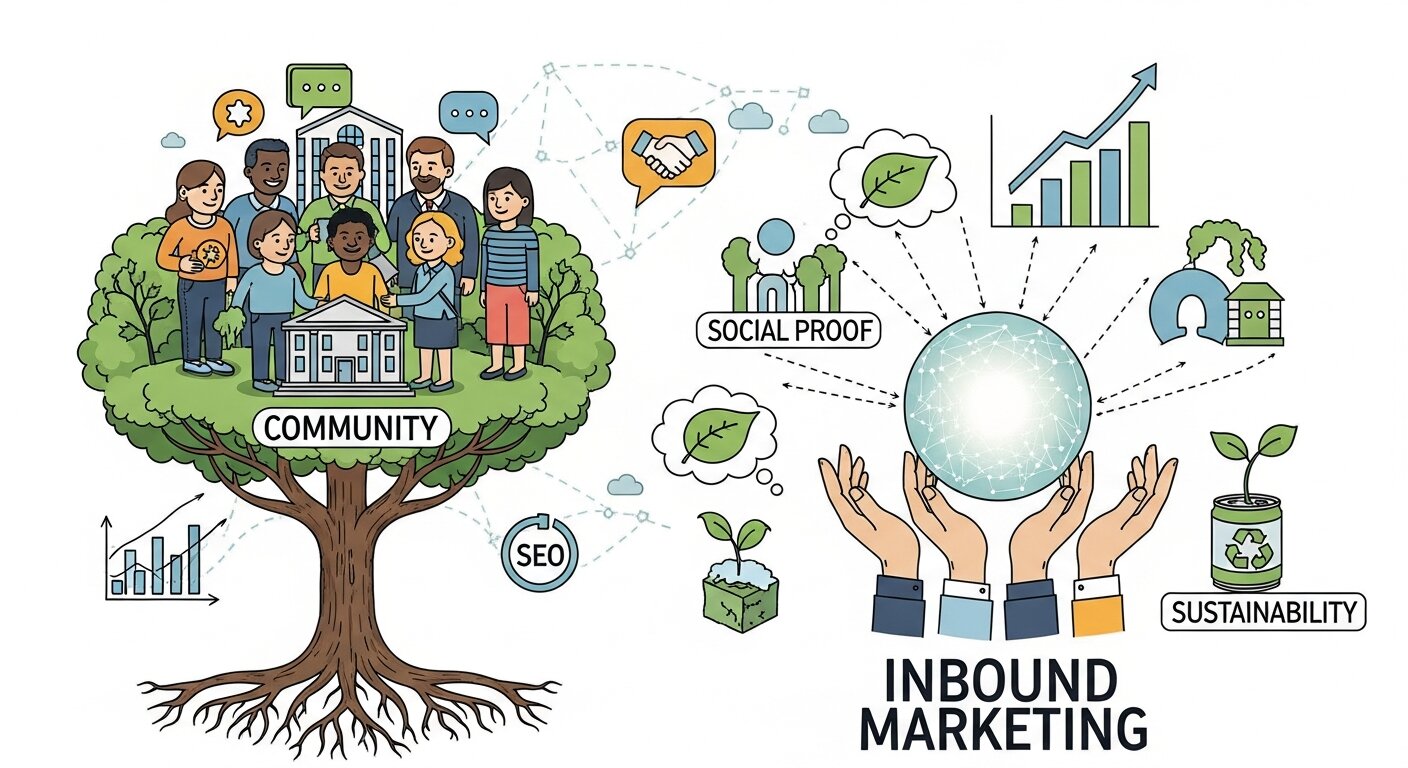
Eco-conscious consumers trust peer recommendations more than corporate claims. Highlighting customer experiences creates powerful social proof, which is why user-generated content strategies are so effective in sustainability marketing.
Encourage customers to share how your products support their sustainable lifestyle. Feature these stories prominently across marketing channels. Each authentic testimonial carries more weight than dozens of promotional messages. At Inbound Marketo, we’ve found that sustainability-focused brands see significantly higher engagement when featuring customer stories rather than product promotions.
Leveraging Partnerships for Extended Reach
Strategic partnerships with environmental organizations extend your credibility and reach. These relationships must be substantive rather than superficial. Look beyond sponsorships to meaningful collaboration. Consider partnerships that might include:
- Joint environmental initiatives with measurable goals
- Co-created educational content addressing shared concerns
- Collaborative events bringing together like-minded communities
According to research from Cone Communications, 87% of consumers purchase products from companies that advocate for issues they care about. Well-executed partnerships demonstrate this advocacy authentically.
From Awareness to Advocacy: The Sustainable Customer Journey
The eco-conscious customer journey often follows a distinct pattern. Understanding this progression helps create targeted content for each stage:
- Awareness typically begins with environmental concern rather than product need. Consumers first recognize ecological issues, then seek solutions environmental awareness trends.
- Consideration involves extensive research comparing various sustainable options. Content addressing common questions and misconceptions proves valuable here
- Decision-making often hinges on transparency. Detailed information about sourcing, manufacturing, and packaging influences final choices ethical sourcing guidelines.
- Post-purchase engagement transforms customers into advocates. Continued education and community-building sustain this relationship
Measuring Impact: Beyond Traditional Metrics
Sustainability marketing requires measuring both business and environmental impact. Tracking these dual outcomes demonstrates the alignment between company success and ecological benefits. Beyond standard conversion metrics, consider tracking:
- Growth in customer lifetime value among eco-conscious segments
- Reduction in environmental impact through customer adoption
- Engagement with sustainability-focused content
- Advocacy actions taken by existing customers
These metrics provide deeper insights than traditional marketing measurements alone.
Avoiding Greenwashing in Marketing Communications
Greenwashing—making misleading environmental claims—represents the greatest risk in sustainability marketing. Even unintentional exaggeration can permanently damage brand credibility. Substantiate every claim with evidence.
Use specific, measurable statements rather than vague assertions. Replace “eco-friendly” with precise descriptions like “made with 80% recycled materials” or “packaged using renewable energy.” Third-party certifications provide valuable verification. Highlight relevant credentials from recognized authorities in your industry (environmental certification resources).
Starting Your Sustainability Marketing Journey
Start with an honest assessment of your company’s current environmental impact and sustainability initiatives. Highlight what you are already doing well, such as energy efficiency, waste reduction, or ethical sourcing, and identify areas for improvement. This transparency builds credibility with eco-conscious consumers, who can quickly spot exaggerated claims. Documenting both successes and challenges provides a strong foundation for future marketing efforts.
Next, create foundational content that clearly explains your sustainability approach. This can include overviews of your processes, case studies, or visual representations of your initiatives. Such content serves as a reference point for all marketing campaigns, helping maintain consistency and reinforcing authenticity sustainability content ideas.
Identify the eco-conscious consumer segments most aligned with your offerings. Different buyers are motivated by different sustainability concerns—some prioritize reducing plastic, others ethical labor practices, and others energy efficiency. Understanding these motivations allows you to craft targeted messaging that resonates.
Finally, develop content addressing these specific concerns with an emphasis on education over promotion. Provide actionable tips, insights, and resources that help consumers make sustainable choices. This positions your brand as a trusted partner in sustainability and aligns naturally with inbound sustainability marketing principles, which focus on delivering value and building long-term relationships.
The Future of Sustainability Marketing
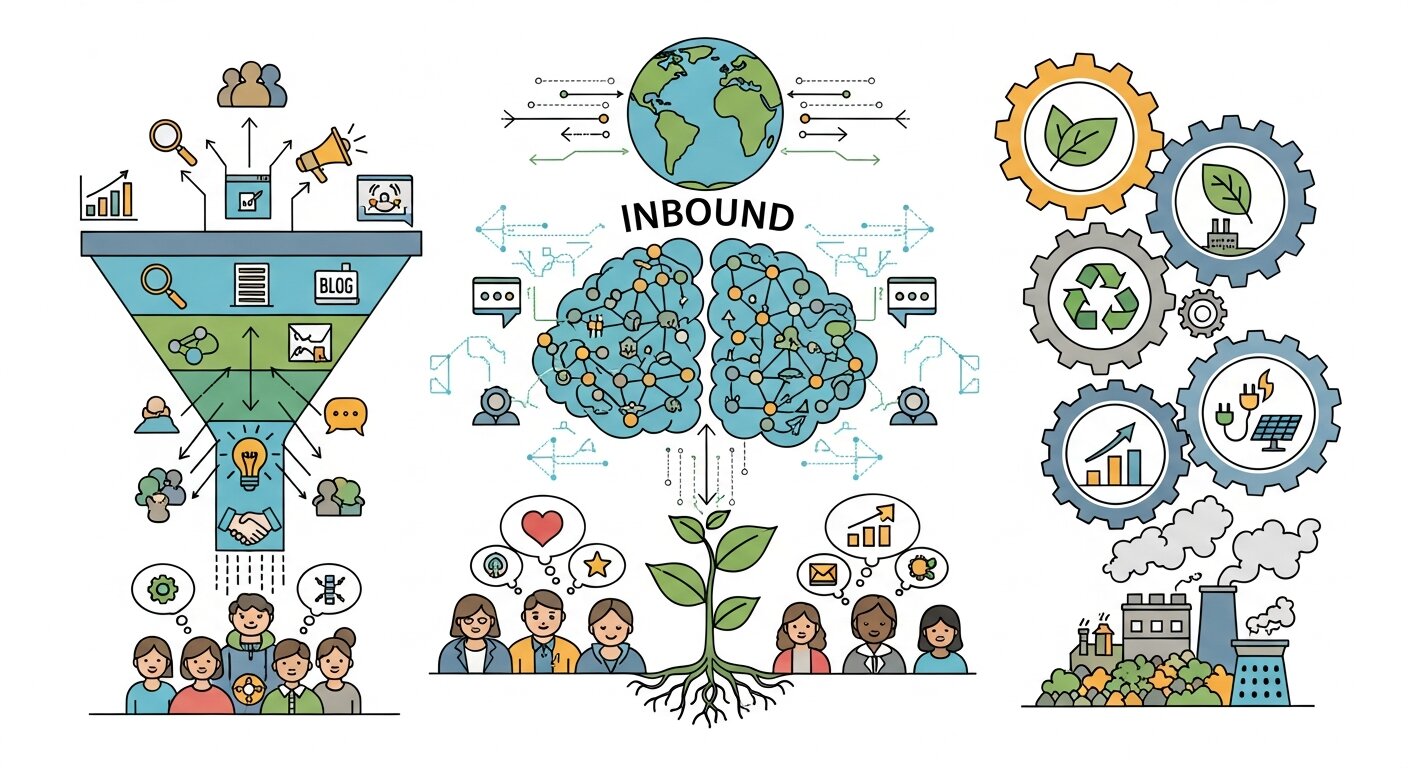
As environmental awareness continues growing, sustainability marketing will evolve from differentiation to expectation. Brands without authentic sustainability stories will struggle to remain relevant.
The most successful companies will integrate sustainability throughout their operations and communications rather than treating it as a separate marketing initiative.
This integration represents not just good marketing but good business. By connecting authentically with eco-conscious consumers, brands build resilient customer relationships that withstand changing market conditions.
The path forward requires genuine commitment, transparent communication, and patient relationship-building—exactly what inbound marketing delivers best.
Frequently Asked Questions
What is inbound sustainability marketing?
Inbound sustainability marketing is a strategy that combines inbound marketing principles—such as education, transparency, and value-driven content—with sustainability-focused messaging. It engages eco-conscious consumers by providing informative resources rather than relying solely on traditional promotional tactics.
Why is inbound sustainability marketing important?
Eco-conscious consumers increasingly demand authenticity and transparency. Inbound sustainability marketing helps brands establish credibility, build trust, and differentiate themselves by demonstrating genuine commitment to environmental responsibility.
How do I identify the right eco-conscious audience?
Start by segmenting consumers based on their sustainability motivations, such as reducing plastic, supporting ethical labor practices, or choosing energy-efficient products. Understanding their priorities allows you to create targeted content that resonates and encourages engagement.
What type of content works best for inbound sustainability marketing?
Educational and informative content performs best. This includes guides on sustainability practices, case studies, visual storytelling, practical tips, behind-the-scenes insights, and resources that empower consumers to make better environmental choices.
How can I avoid greenwashing in my marketing communications?
Always substantiate claims with evidence, use precise, measurable language, and rely on third-party certifications when possible. Avoid vague terms like “eco-friendly” and instead specify actions, materials, or measurable outcomes.
How does SEO play a role in inbound sustainability marketing?
SEO allows your content to reach eco-conscious consumers actively searching for sustainable solutions. Focus on long-tail and location-specific keywords that reflect strong intent and reduce competition, such as “plastic-free office supplies” or “local sustainable stores near me.”
Can social proof improve inbound sustainability marketing efforts?
Absolutely. User-generated content, customer testimonials, and stories highlighting real-world impact build authenticity and trust. Eco-conscious consumers are highly influenced by peer recommendations and community validation.
How do partnerships enhance sustainability marketing?
Strategic collaborations with environmental organizations or like-minded brands extend credibility and reach. Partnerships can involve co-created content, joint environmental initiatives, or collaborative events that demonstrate shared commitment.
How should I measure the effectiveness of inbound sustainability marketing?
Measure both marketing and environmental outcomes. Key metrics include engagement with educational content, customer advocacy actions, adoption of sustainable products, and reduction in environmental impact alongside traditional marketing KPIs.
What is the long-term impact of inbound sustainability marketing?
When done effectively, inbound sustainability marketing builds long-lasting relationships with eco-conscious consumers, encourages advocacy, and positions your brand as a leader in sustainability. Over time, it strengthens trust, brand loyalty, and market relevance.