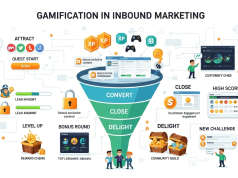

A Marketing Communications Manager blends strategy, creativity, and data to deliver consistent brand messaging, manage campaigns, lead teams, and adapt to digital and NFT-driven marketing landscapes for long-term business growth.
The field of marketing communications is an exciting place where creativity meets strategy, and at its center is the Marketing Communications Manager. The person who creates campaigns that hold people’s attention, inspire emotion, and promote engagement — chances are, it will be this person. But just what does a Marketing Communications Manager do, and how do you become one?
What Is a Marketing Communications Manager?

A Marketing Communications Manager (MarCom Manager) is responsible at a strategic level for developing and implementing strategies to promote a brand, service, or product. They organise the organisation’s communication with its market across a range of media, ensuring it has a single, strong, coherent voice.
This composite role brings together qualities such as imaginative marketing strategy, media relations, advertising and digital communications-giving industrialists an opportunity both to think creatively about their business’s development and act strategically on it too. Learn more about Marketing Automation for Inbound.
Key Responsibilities of a Marketing Communications Manager
Though scope can differ depending on industry, Marketing Communications Managers will usually take in the following main responsibilities:
Setting Communication Strategies
Marketing Communications Managers develop comprehensive communication strategies to reach certain corporate targets and these could include:
- Brand awareness
- A new product launch
- Customer loyalty gains
Such strategies often cover a number of channels such as:
- Social media
- Email campaigns
- Print advertisements
- Public relations work
Fixing Brand Voice and Messaging
MarCom Managers make sure that all communication is consistent with the organization’s brand. This means:
- Consciously ion the same message
- Ensuring that brand guidelines are adhered to everyone both internally and outAd of the organization
- Generating a Strategic Tone of Voice to Reach the Target Audience
Organizing and Creating Content and Campaigns
Starting from conception all the way through to implementation, Marketing Communications Managers are in charge of campaign creation. This includes:
- Collaborating with writers, designers, and videographers to produce exciting content
- Hiring external agencies or freelancers for specialized services
- The brief must be produced
- But they don’t know how to make a plan-best the goal seems attainable and as realistic as possible
The Performance and Analytics Are Now Being Tracked
An effective MarCom manager doesn’t just launch campaigns; he or she evaluates how well they are doing this. Key performance indicators (KPIs) like:
- Clicks
- Impressions
- Conversions
- Engagement rates
are evaluated to measure ROI and thus guide future efforts.
Managing Public Relations Activities
This traditionally involves:
- Developing relationships with journalists and media outlets
- Writing press releases to announce new products-launches or corporate news
- In a crisis situation, making sure no misleading information gets out and that the broadest possible audience is reached with your own true story
Leveraging Digital Marketing Tools
To simplify campaigns and obtain actionable insights, MarCom Managers use all manner of digital marketing tools, including:
- Web data platforms: Google Analytics
- Email marketing engines such as Mailchimp
- Tools designed for social media, such as Buffer and Hootsuite
The Skills Needed by Everyone Who Serves as a Marketing Communications Manager

To excel in this role, you must possess both hard and soft skills. Here’s what candidates who rank in the top bring to the table:
Hard Skills
- This encompasses such tasks as writing articles or composing advertising copy that can both convince and excite
- You need to understand the larger issues of how marketing campaigns should work together with your company’s goals
- You must be able to take campaign performance metrics and make sense out of them
Comfort in handling CRM systems, SEO tools, and platforms for social media management
Soft Skills
- Because it is so important for this man to collaborate often and talk to people quite frequently, both written and verbal communication skills must be at a high level
- It takes real imagination to devise campaigns that will stand out in the midst of all other advertising slogans
- When necessary leaders must be able to move their team and even on tight deadlines
- The marketing environment is always changing, so an openness to new tools whatever they may be in addition to being receptive for any trends is also crucial
How to Get a Job as a Marketing Communications Manager
If this sort of job sounds right for you here’s how you can get started:
- Earn a Degree: In general, a bachelor’s degree in Marketing, Communications, Business, or a related field is sufficient although it is not always a requirement. For those who want to do even better, a master’s degree or MBA might also be helpful.
- Gain Experience in Marketing: Work up from entry-level positions like Marketing Assistant, Copywriter or Digital Marketing Specialist. That’s where you’ll get hands-on experience, and lay the groundwork for building skills needed to market things productively.
- Develop Strong Writing and Communication Skills: By participating in blogs, reports or joint presentations, you can sculpt your writing and presentation skills into fine shape. This business thrives on clear, engaging communication.
- Build Your Portfolio: Demonstrate your acquisitions by assembling a portfolio that features successful campaigns, writing examples, and quantifiable results.
- Learn Marketing Tools: Get to know the industry standards with popular tools such as:
1. Adobe Creative Suite: To make graphics
2. HubSpot or Salesforce: CRM
3. Google Ads or Facebook Ads Manager: paid campaigns
- Network: Whatever marketing conferences are being held, go! Or if you’re online, join marketing-related LinkedIn groups or do an apprenticeship with someone successful in your field. Networking can help you go places in your career which are not available from any other source.
- Seek Leadership Opportunities: Look for positions where you’re supervising small teams or managing projects. Management experience is critical if you want to occupy senior posts.
Careers Beyond the Communications Manager
Not only does this role have variety, but it also leads to other related job roles. Many professionals move on into jobs such as these:
- Director of Marketing
- Chief Marketing Officer (CMO)
- Public Relations Manager
- Brand Strategist or Consultant
This period has witnessed the development of a company’s brand identity and marketing strategy begin to come to life. If an image is worth a thousand words, they are the ones capable of adding life to history. With the increasing importance of omnichannel marketing and digital transformation, organizations rely heavily on people like MarCom managers to break through competitive markets.
Strength Reasoning A Marketing Communications Specialist is to find a customizable, high-paying job, helping others make their goals come true. Dummies are sure to find it interesting to develop their careers in this field!
Where are you looking to go next in your marketing career? Update your skills by earning certifications from sites like Google, HubSpot, and LinkedIn Learning.
Public Relations and Media Relations
Public relations remains a core function of marketing communications. MarCom Managers build and maintain relationships with journalists, influencers, and media outlets to secure coverage that enhances brand reputation. This includes writing press releases, pitching stories, and coordinating interviews. In crises, they manage messaging carefully to protect brand credibility and ensure accurate information reaches the public. Strong PR strategy supports brand authority, improves visibility, and reinforces trust—especially in competitive or regulated industries where reputation is critical.
Digital Marketing and Channel Integration
Modern marketing communications are deeply digital. MarCom Managers integrate digital channels such as websites, email marketing, social media, and paid advertising into cohesive campaigns. They ensure messaging flows seamlessly across platforms while adapting formats for each channel’s strengths. Integration reduces silos, improves user experience, and maximizes ROI. Digital fluency also allows MarCom Managers to test, optimize, and refine campaigns in real time, responding quickly to audience behavior and market changes.
Analytics, Performance Tracking, and ROI
Data-driven decision-making is essential for successful marketing communications. MarCom Managers track KPIs such as engagement rates, impressions, conversions, and customer acquisition costs. Tools like Google Analytics, CRM platforms, and marketing dashboards help translate performance data into actionable insights. By analyzing results, managers refine messaging, adjust budgets, and improve future campaigns. Measuring ROI ensures marketing efforts support business growth rather than relying solely on creativity or intuition.
Leadership and Cross-Team Collaboration
Marketing Communications Managers often act as team leaders and cross-functional coordinators. They collaborate with sales, product, HR, and executive leadership to align communication strategies with organizational goals. Leadership skills are essential for managing creative teams, coordinating agencies, and keeping projects on track under tight deadlines. Clear communication, adaptability, and decision-making enable MarCom Managers to drive results while fostering collaboration across departments.
Skills Required for Marketing Communications Managers
Success in this role requires a mix of technical and interpersonal skills. Hard skills include strategic writing, campaign planning, analytics, SEO basics, CRM tools, and digital platforms. Soft skills—such as creativity, leadership, adaptability, and communication—are equally important. The ability to balance storytelling with data, and creativity with structure, sets top performers apart. Continuous learning is critical as platforms, tools, and audience expectations evolve rapidly.
NFT Marketing and Web3 Communications

Marketing Communications Managers are increasingly involved in NFT and Web3 marketing strategies. NFTs require clear storytelling, education, and trust-building—areas where MarCom expertise excels. Managers craft narratives around digital ownership, utility, and community value while coordinating launches, announcements, and influencer collaborations. Video content, social campaigns, and live events help onboard new audiences and convert interest into participation. As blockchain adoption grows, MarCom Managers play a vital role in translating complex concepts into accessible, compelling messaging.
Career Growth and Future Opportunities
A career as a Marketing Communications Manager opens doors to senior leadership roles such as Director of Marketing, Brand Strategist, or Chief Marketing Officer (CMO). With the rise of omnichannel marketing, automation, and AI-driven personalization, demand for skilled MarCom professionals continues to grow. Those who combine strategic thinking with adaptability and digital expertise will remain highly valuable across industries, including tech, media, and NFT ecosystems.
Conclusion
The Marketing Communications Manager is a cornerstone of modern brand strategy. By combining creativity, analytics, leadership, and digital expertise, they ensure organizations communicate clearly, consistently, and effectively. As markets evolve and technologies like NFTs reshape engagement, MarCom Managers will remain essential drivers of growth, trust, and innovation.
Frequently Asked Questions (FAQs)
1. What does a Marketing Communications Manager do?
A Marketing Communications Manager plans, coordinates, and oversees all brand messaging across digital, print, social, and public relations channels. Their goal is to ensure consistent communication that supports business objectives and brand identity.
2. Is the role more strategic or creative?
It is a balanced combination of both. Strategy defines goals, audiences, and channels, while creativity shapes storytelling, messaging, and campaign execution.
3. Do Marketing Communications Managers manage teams?
Yes. They frequently manage internal marketing teams, collaborate with designers and writers, and coordinate external agencies or freelancers to execute campaigns efficiently.
4. Is digital marketing required for this role?
Absolutely. Digital marketing skills such as content strategy, social media, email marketing, analytics, and basic SEO are essential in today’s omnichannel environment.
5. Which industries hire MarCom Managers?
Marketing Communications Managers are hired across industries, including technology, retail, healthcare, finance, education, entertainment, and emerging sectors like NFTs and Web3.
6. How important is data analysis in marketing communications?
Data analysis is critical. Performance metrics such as engagement, conversions, and ROI guide optimization, budgeting decisions, and future campaign planning.
7. Is public relations still relevant in this role?
Yes. PR remains vital for brand credibility, reputation management, crisis communication, and media visibility in both traditional and digital landscapes.
8. Can this role lead to executive-level positions?
Yes. Many professionals progress into senior roles such as Director of Marketing, Head of Brand, or Chief Marketing Officer (CMO).
9. Are professional certifications helpful?
Certifications from platforms like Google, HubSpot, and LinkedIn Learning enhance credibility, update skills, and improve career advancement opportunities.
10. How does NFT marketing relate to this role?
NFT marketing relies heavily on storytelling, community engagement, launch communication, and trust-building—all core strengths of Marketing Communications Managers.
11. Is Marketing Communications a high-paying career?
Yes. Salaries increase significantly with experience, leadership responsibility, industry specialization, and performance-driven results.
12. Is the Marketing Communications Manager role future-proof?
The role remains highly relevant as long as professionals adapt to new tools, platforms, data-driven strategies, and evolving digital trends.