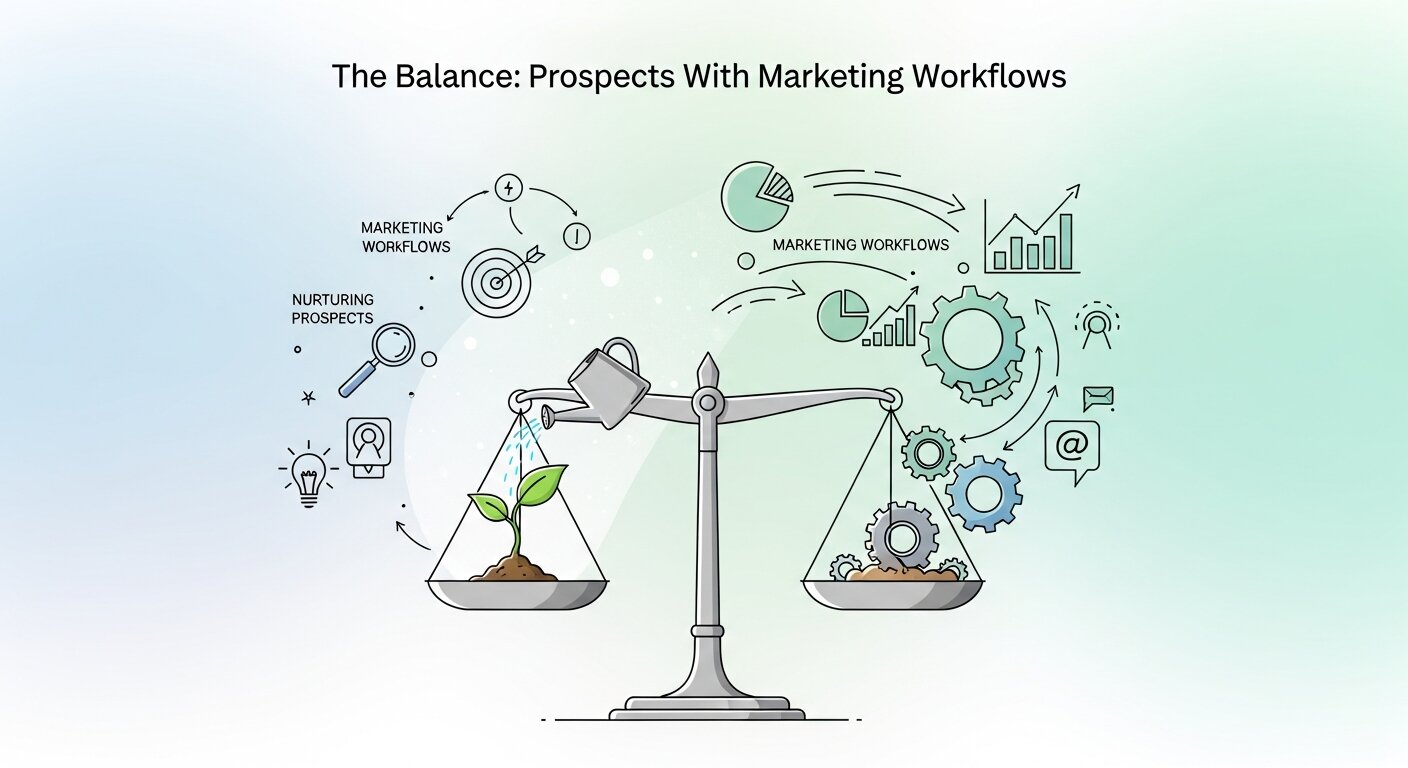
Nurturing marketing workflows guide prospects with relevant, timely, and personalized interactions. They balance automation with human touch to foster trust and engagement. When executed effectively, these workflows build long-term relationships, boost conversions, and enhance customer loyalty.
In today’s fast-paced digital landscape, buyers no longer follow a straight path from awareness to purchase. Their journeys are winding, unpredictable, and influenced by multiple touchpoints, content types, and interactions across channels. For marketers, this presents a complex challenge: how do you stay present in prospects’ minds without overwhelming or irritating them?
The answer lies in nurturing marketing workflows—strategically designed sequences that deliver the right content, at the right time, to the right prospect. These workflows go beyond simple automation; they combine behavior-based triggers, personalization, and thoughtful human touches to guide prospects through the buyer journey. From awareness to consideration, decision, and post-purchase retention, nurturing marketing workflows ensure every interaction adds value, builds trust, and enhances engagement.
When implemented effectively, these workflows transform your marketing from a series of impersonal messages into a seamless, relevant experience that resonates with prospects at each stage of their journey. They reduce fatigue, maximize engagement, and ultimately increase conversion rates while fostering long-term customer relationships.
The Psychology Behind Effective Nurturing
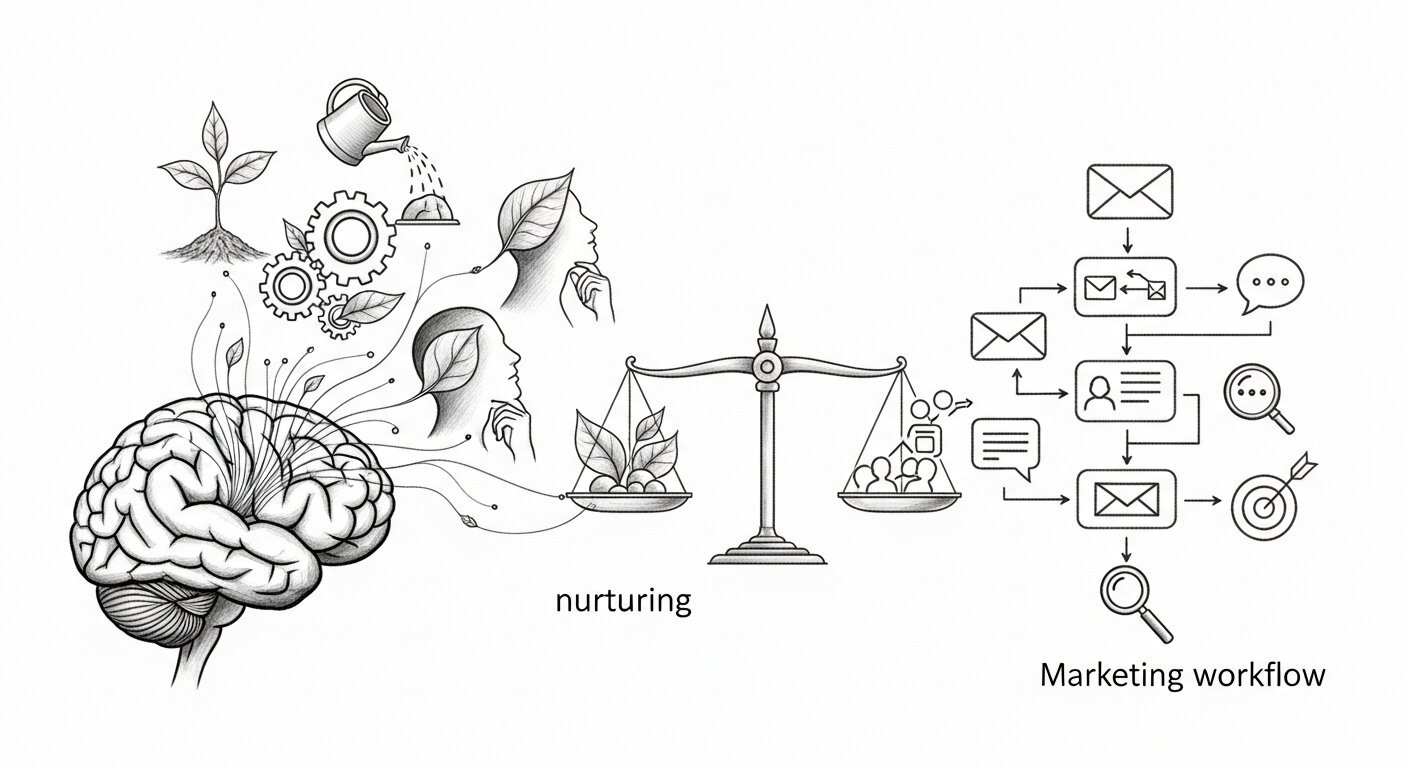 People respond positively to businesses that respect their time and attention. The foundation of effective nurturing isn’t about sending messages frequently—it’s about delivering relevance and value at the right moment. Each interaction should provide meaningful information that addresses specific needs during particular stages of the buyer’s journey. Implementing well-designed nurturing marketing workflows ensures that every touchpoint feels purposeful rather than overwhelming. For more insights on effective workflows, you can refer to best practices for marketing automation.
Consider how you feel when you receive multiple irrelevant emails or messages from a company. The irritation builds quickly, right? Your prospects experience the same frustration when bombarded with content that doesn’t match their current needs or interests. In contrast, well-timed, helpful communications generate appreciation and trust. This is exactly why nurturing marketing workflows are essential—they allow businesses to align content delivery with prospect intent, creating a more positive engagement experience. Learn more about prospect engagement strategies for practical examples.
Building Workflows That Respect Prospect Boundaries
Start by mapping the typical paths your prospects take from awareness to decision. Identify the questions they frequently ask and the type of information they need at each stage. This understanding forms the backbone of nurturing marketing workflows. By structuring your communications around prospect behavior rather than arbitrary schedules, you can ensure that every interaction adds value and builds trust over time. For guidance on creating effective maps, see this buyer journey mapping guide.
Your marketing automation should leverage behavioral triggers to guide content delivery. For example, when a prospect downloads an educational guide, it signals interest in learning. If that same prospect later visits pricing pages or product comparisons, their stage in the buying cycle has progressed. Nurturing marketing workflows should adapt to these behaviors, adjusting subsequent communications to match the prospect’s current needs and interests. This dynamic approach prevents content fatigue and increases the likelihood of conversion. You can explore tools for behavioral marketing automation to implement these strategies.
Effective Content Distribution Within Workflows
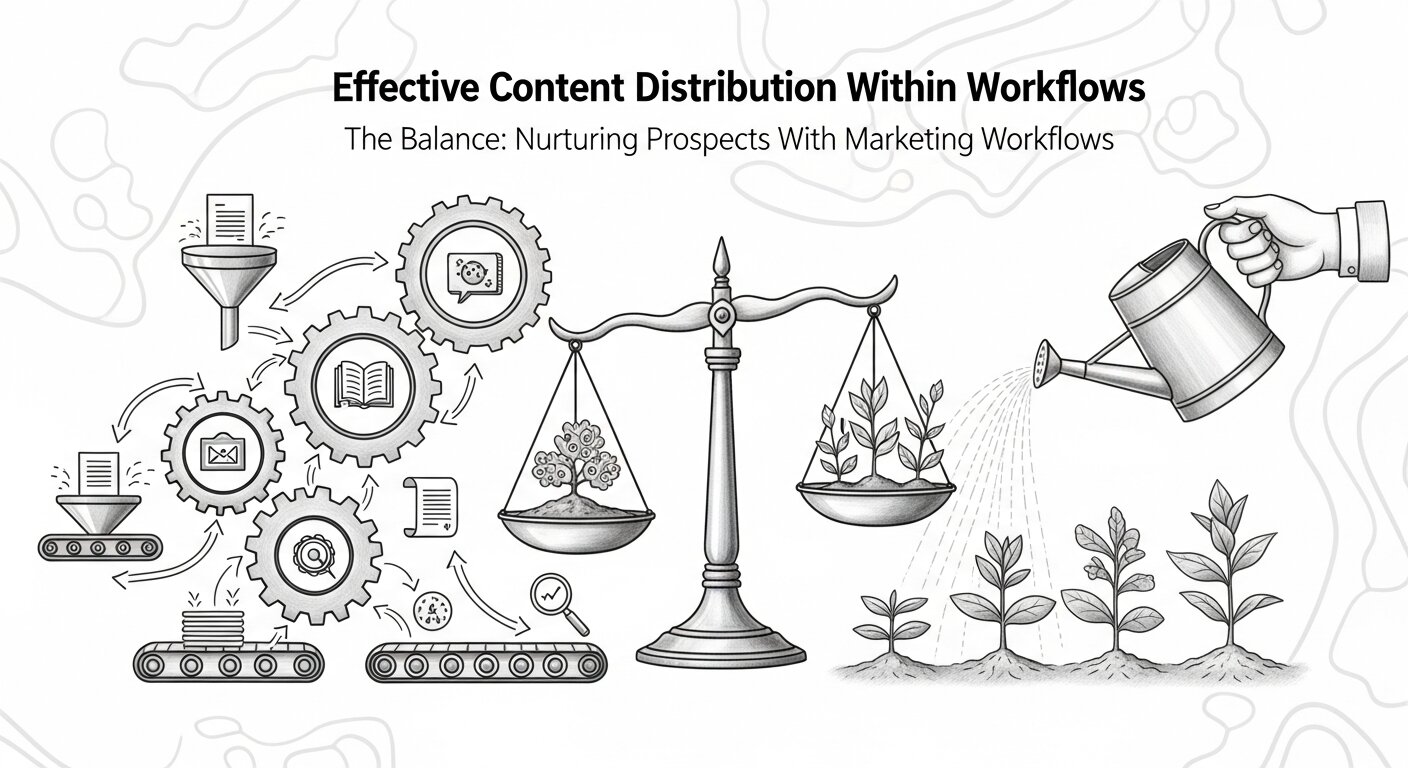 Variety in content is critical for keeping prospects engaged while avoiding overwhelm. Alternate between formats such as emails, social media posts, personalized videos, or targeted ads. Using nurturing marketing workflows allows you to schedule these content types strategically, balancing frequency and variety to maintain interest without crossing boundaries. Spacing communications thoughtfully ensures that prospects have time to digest each message, which reinforces the perception that your brand respects their time and attention.
Another key advantage of nurturing marketing workflows is the ability to continuously optimize based on real-world results. Track which messages drive engagement, which content leads to conversions, and where prospects tend to drop off. Insights from these metrics can inform workflow adjustments, making future communications even more effective. Over time, well-executed nurturing marketing workflows evolve into a highly personalized journey that guides prospects from awareness to purchase in a seamless, natural way. Learn more about content optimization techniques to improve engagement.
By building nurturing marketing workflows that respect prospect behavior, provide varied content, and respond intelligently to engagement signals, businesses can foster stronger relationships, increase trust, and ultimately drive better conversion rates. These workflows transform generic marketing sequences into meaningful, contextually relevant experiences that prospects genuinely appreciate. For deeper insights, check out examples of effective workflow strategies.
Measuring Engagement Without Obsessing Over Metrics
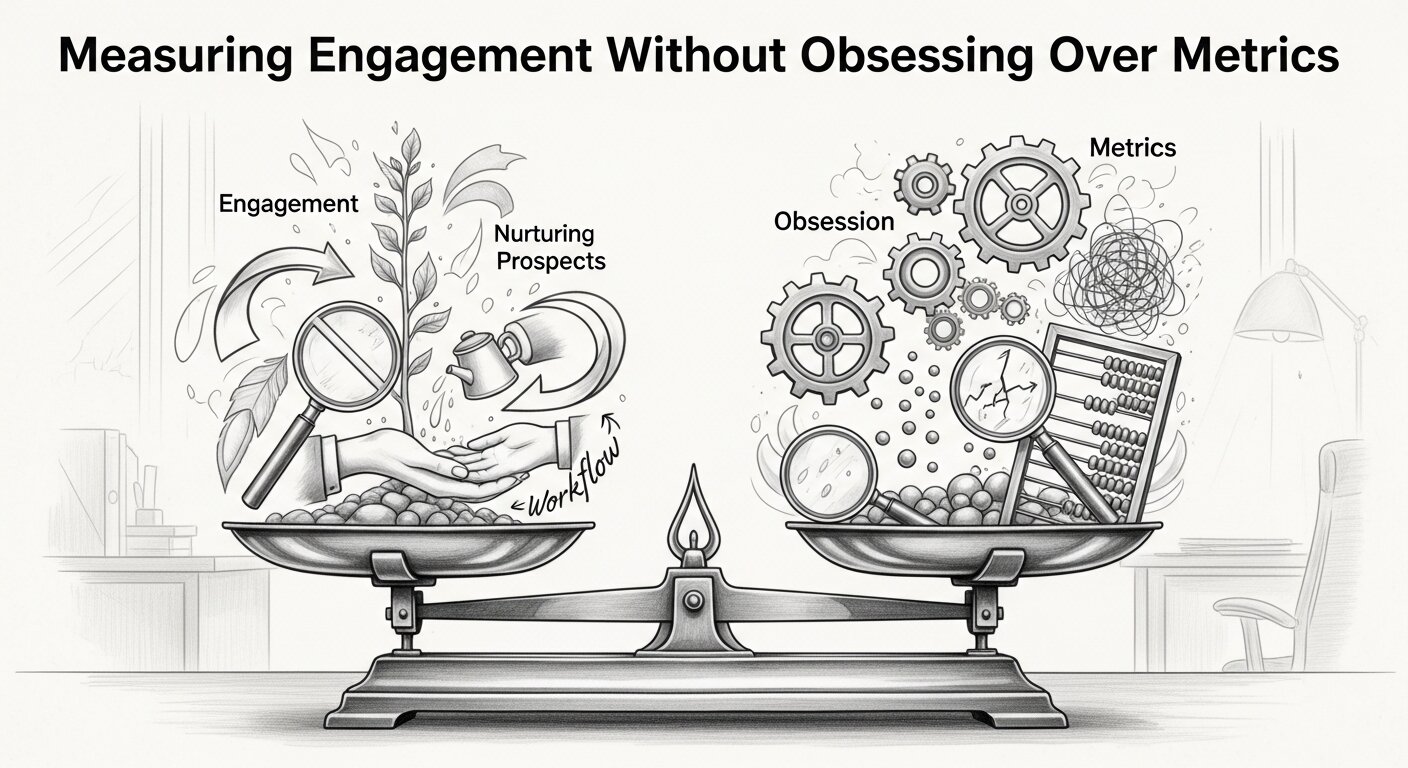 While open rates and click-through percentages provide surface-level insight, deeper engagement patterns over time tell a far more meaningful story. Are prospects progressively spending more time with your content? Are they exploring deeper into guides, videos, or resource libraries? These behaviors reveal much more about the effectiveness of your nurturing strategy than simple activity metrics alone. Properly designed nurturing marketing workflows focus on these patterns, ensuring that each interaction moves prospects closer to their goals without overwhelming them.
It’s also critical to set up alert systems that detect early signs of communication fatigue. Declining engagement rates, fewer clicks, or increasing time gaps between interactions often indicate that a workflow is becoming burdensome rather than helpful. Nurturing marketing workflows that incorporate these monitoring mechanisms allow marketers to adapt quickly, maintaining relevance while preventing prospects from feeling inundated.
Tip: Track time spent per page, scroll depth, and video completion rates alongside traditional open and click metrics to get a more holistic view of engagement.
Creating Pathways for Personalized Journeys
Segmentation is key to creating truly personalized experiences. Move beyond basic demographics and organize prospects by behavioral patterns, content interests, and engagement preferences. This level of granularity allows your nurturing marketing workflows to deliver tailored messages without needing hundreds of separate workflows. Each workflow can dynamically respond to a prospect’s actions, providing content that aligns precisely with their journey stage.
Decision points within nurturing marketing workflows enable prospects to self-select their next steps. Whether it’s downloading an additional guide, signing up for a webinar, or exploring product comparisons, these checkpoints empower prospects while giving marketers valuable insight into their specific interests and timeline. The ability to adapt based on real-time choices makes these workflows far more effective than rigid, time-based sequences.
When to Accelerate and When to Step Back
Recognizing buying signals is a crucial aspect of effective nurturing. Increased visits to key pages, engagement with pricing comparisons, or high-intent content downloads often indicate that a prospect is ready for more frequent communication or direct sales involvement. Nurturing marketing workflows can be configured to respond to these signals automatically, ensuring timely follow-ups and a seamless transition from marketing to sales.
Equally important is identifying disengagement. When prospects consistently ignore messages or show minimal interaction, your workflows should include “cool down” pathways. These adjust communication frequency without abandoning the relationship entirely, preserving trust and preventing prospects from being overwhelmed. Properly structured nurturing marketing workflows balance engagement with respect for the prospect’s attention, optimizing both retention and satisfaction.
Technology Implementation That Supports Balanced Nurturing
Selecting the right marketing automation tools is essential for supporting nurturing marketing workflows. Tools should allow sophisticated behavioral tracking while remaining unobtrusive, so prospects feel guided rather than monitored. Configure systems to enforce contact limits, ensuring no individual receives excessive messages, even if they enter multiple workflows.
A successful implementation of nurturing marketing workflows combines intelligent segmentation, behavioral triggers, and adaptive scheduling. It ensures that each prospect receives relevant content at the right moment, creating a seamless, personalized journey from awareness to purchase. When technology and strategy align in this way, nurturing marketing workflows become a powerful engine for engagement, trust-building, and conversion growth.
The Human Element in Automated Workflows
Automated doesn’t have to mean impersonal. While technology enables scale, it should not replace genuine human connection. Integrating opportunities for personal outreach within your nurturing marketing workflows—whether through calls, personalized emails, or one-on-one consultations from account managers or subject-matter experts—can dramatically enhance engagement at critical decision points. Prospects respond positively when they feel they are interacting with a thoughtful, attentive team rather than just a sequence of automated messages. Learn more about personalized marketing strategies to combine automation with human touch.
Regularly reviewing automated sequences from the prospect’s perspective is essential. Ask yourself: would I find these communications useful if I were in the prospect’s position? This simple exercise often uncovers gaps in timing, tone, or relevance that can be addressed within your nurturing marketing workflows. Continuous refinement ensures that each touchpoint is meaningful, avoiding the pitfalls of generic or overly frequent communications. You can explore automation best practices to optimize workflows effectively.
Optimizing Content Within Nurturing Marketing Workflows
Content is the engine that drives effective nurturing. To maximize the impact of your nurturing marketing workflows:
- Mix content types: Alternate between emails, videos, interactive guides, webinars, and social media touchpoints. This keeps engagement fresh and accommodates different learning styles. For tips, see content diversification strategies.
- Prioritize relevance: Ensure that every piece of content corresponds to a prospect’s behavior, interests, or stage in the buyer journey. Learn more about behavior-based marketing personalization.
- Incorporate feedback loops: Use surveys, polls, or click-tracking to see which content resonates most and feed this data back into your workflows. Explore customer feedback tools for actionable insights.
- Repurpose high-performing content: Reuse case studies, tutorials, or success stories in multiple formats to reinforce key messages. See content repurposing ideas for inspiration.
By optimizing content, nurturing marketing workflows can maintain engagement over long periods without overwhelming prospects. Well-crafted content demonstrates expertise, builds trust, and positions your brand as a helpful partner.
Continuous Testing and Refinement
No nurturing strategy is static. A/B testing subject lines, content formats, messaging sequences, and triggers allows marketers to determine what works best for each audience segment. Nurturing marketing workflows should be dynamic, incorporating lessons learned from past campaigns to improve effectiveness over time. Check out A/B testing tools and guides to enhance workflow performance.
Monitoring long-term engagement patterns and adjusting based on behavior ensures that your workflows continue to provide value while avoiding fatigue. These iterative improvements turn your workflows into a self-optimizing system that strengthens relationships and boosts conversions. For advanced analytics, explore marketing performance dashboards.
Measuring Long-Term Success Beyond Conversion
The true measure of nurturing marketing workflows extends beyond immediate conversions. Long-term success includes:
- Increased lifetime customer value
- Higher retention and renewal rates
- Stronger brand loyalty and advocacy
- Improved customer satisfaction
When prospects feel supported, understood, and valued throughout their journey, they are far more likely to become repeat customers and brand advocates. Effective nurturing marketing workflows don’t just close deals—they build the foundation for lasting relationships.
Content Timing & Workflow Table
| Prospect Stage | Recommended Content Type | Engagement Trigger | Workflow Action |
|---|---|---|---|
| Awareness | Blog posts, infographics | New website visit or subscription | Send welcome series with educational content |
| Consideration | Webinars, case studies, guides | Downloads or video views | Deliver follow-up content tailored to interest |
| Decision | Pricing pages, product demos | Visits to pricing or product pages | Trigger sales outreach or product consultation |
| Post-Purchase/Retention | Tips, newsletters, satisfaction surveys | Completed purchase or account creation | Send onboarding and loyalty-building content |
This table demonstrates how nurturing marketing workflows can align content delivery with engagement triggers, ensuring the right message reaches the right prospect at the right time.
Conclusion:
Effective nurturing marketing workflows create a sense of supportive presence rather than persistent pressure. By balancing automation with human touch, delivering relevant content, and continuously refining based on engagement data, your workflows can guide prospects through the buyer journey smoothly and respectfully.
The ultimate goal of nurturing marketing workflows extends beyond conversion metrics. They foster trust, demonstrate care, and establish expectations for future interactions. When implemented thoughtfully, these workflows create strong, long-term relationships that benefit both the prospect and your organization.
Frequently Asked Questions
What are nurturing marketing workflows?
Nurturing marketing workflows are automated sequences of marketing interactions designed to guide prospects through the buyer journey while delivering relevant content based on behavior, preferences, and stage in the funnel.
Why are nurturing marketing workflows important?
They help maintain consistent engagement, build trust, and provide prospects with the right information at the right time, ultimately increasing the likelihood of conversion and long-term customer loyalty.
How do you personalize nurturing marketing workflows?
Personalization is achieved by segmenting prospects based on behavior, content engagement, demographics, and purchase intent, and then tailoring messaging and content to each segment’s needs.
Can automation replace human interaction in workflows?
No. While automation handles repetitive tasks and timely messaging, human touchpoints—like calls, personalized emails, or consultations—are essential for engagement at critical decision points.
How do you measure the success of nurturing marketing workflows?
Beyond open and click rates, track engagement depth, time on content, conversions, customer retention, and behavior patterns to evaluate effectiveness.
How often should prospects receive messages in a workflow?
It depends on behavior and engagement. Workflows should use triggers rather than fixed schedules, allowing messages to adapt to a prospect’s activity and avoiding fatigue.
What types of content work best in nurturing marketing workflows?
A mix works best: blog posts, videos, case studies, webinars, social media content, guides, and personalized recommendations to keep engagement high.
How do you prevent prospects from feeling overwhelmed?
By spacing communications thoughtfully, implementing “cool down” pathways for disengaged prospects, and delivering highly relevant content based on interest and behavior.
Can nurturing marketing workflows be optimized over time?
Yes. Through A/B testing, monitoring engagement patterns, and iterating based on data, workflows can continuously improve in effectiveness.
Do nurturing marketing workflows work for post-purchase engagement?
Absolutely. They can onboard new customers, provide tips, share updates, encourage product usage, and build long-term loyalty and advocacy.