

Video success depends on more than creativity—it requires a strategic approach to optimization at every stage of production and publishing. When you intentionally align your keywords, metadata, engagement strategy, and platform-specific behaviors, your visibility increases and your content becomes easier for the right audience to discover. Consistent Video SEO Optimization transforms each upload from a one-time post into a long-term inbound asset that continues driving traffic, authority, and measurable results over time.
As video continues to dominate digital consumption, businesses and creators can no longer rely on production quality alone to drive results. Strategic Video SEO Optimization is what transforms great content into discoverable content. From keyword research and metadata structuring to engagement signals and platform-specific strategies, every element plays a role in improving visibility.
Many marketers understand traditional SEO but struggle to adapt those principles to video platforms. The algorithms are different, user behavior is different, and ranking signals extend beyond keywords into watch time, retention, and interaction. This FAQ section addresses the most common questions about Video SEO Optimization to help you refine your strategy and generate sustainable inbound visibility.
Start With Keyword Research
 Just like traditional SEO, effective video optimization begins with understanding what your audience is actively searching for. Strong Video SEO Optimization starts with research—identifying not only keywords, but also intent. Are viewers looking for tutorials, comparisons, reviews, or quick answers? The clearer you are about search intent, the easier it becomes to align your content with what platforms want to rank.
Tools like Tube Buddy and vidIQ can help uncover trending topics, search volume data, competition scores, and tag suggestions tailored specifically for video platforms. YouTube’s own autocomplete feature and “People also ask” results in Google can also reveal valuable long-tail opportunities. Successful Video SEO Optimization doesn’t focus only on high-volume keywords; it strategically targets long-tail phrases with clear intent and lower competition. These phrases often convert better because they reflect specific viewer needs.
It’s also important to recognize that video search behavior differs from traditional text searches. On YouTube, users frequently type conversational queries such as “how to optimize YouTube videos for beginners” instead of short phrases like “YouTube SEO tips.” Adapting your content to these natural language patterns strengthens your Video SEO Optimization strategy and improves discoverability across both YouTube and Google’s video results.
Craft Compelling Titles That Work Double-Duty
Your video title must satisfy both the algorithm and human viewers. In Video SEO Optimization, the title is one of the strongest ranking signals, but it also determines whether someone clicks. Keep titles under 60 characters when possible to prevent truncation in search results. Place your primary keyword near the beginning for clarity and ranking strength, but maintain a natural, compelling tone that encourages curiosity.
For example, instead of writing a robotic title stuffed with keywords, frame it as a benefit-driven title that immediately communicates value. According to research by Backlinko, videos with exact keyword matches in their titles often rank higher. However, engagement metrics such as click-through rate and watch time also play a significant role, so your Video SEO Optimization approach must balance keyword strategy with audience appeal.
Description: Your SEO Powerhouse
Many creators underestimate the power of the video description. In reality, it is one of the most valuable assets in Video SEO Optimization. The first one or two sentences are especially important because they appear in search previews. Use this space to clearly summarize what the video covers while naturally incorporating your main keyword.
Beyond the opening lines, expand your description with related keywords, context, and supporting details. This helps search engines fully understand your content. Adding timestamps for longer videos improves user experience, increases retention, and can even help your video appear for segmented searches. Effective Video SEO Optimization also includes adding relevant links to blog posts or guides, creating a seamless pathway from viewers to your website or other resources.
When executed strategically, Video SEO Optimization transforms each video into a long-term traffic asset that consistently attracts qualified viewers, builds authority, and strengthens your overall inbound marketing ecosystem.
Tags and Categories: The Classification System
Tags may not carry the same weight they once did, but they still play an important supporting role in Video SEO Optimization. Tags help platforms better understand the context of your content, especially in the early stages after publishing. Instead of stuffing dozens of loosely related keywords, choose 5–7 highly relevant tags that clearly align with your topic.
Start with your primary keyword as your first tag. Then add close variations, long-tail versions, and semantically related phrases. This layered tagging structure strengthens Video SEO Optimization by reinforcing topical relevance without appearing spammy. For example, if your main keyword is about YouTube growth strategies, your additional tags could include audience retention tips, channel optimization guide, or video ranking methods.
Selecting the correct category is another overlooked detail. While it may seem minor, proper categorization helps platforms group your video with similar content and recommend it to the right viewers. Effective Video SEO Optimization looks at the full ecosystem—metadata, tags, and categories—to increase the likelihood of appearing in suggested videos and browse features.
Thumbnail Psychology: The Click Factor
Thumbnails don’t directly influence search algorithms in the same way keywords do, but they dramatically impact click-through rate. And click-through rate is a powerful behavioral signal in Video SEO Optimization. If users consistently choose your video over others in search results, platforms interpret that as a sign of relevance and quality.
Create custom thumbnails with consistent branding. Consistency builds recognition over time, which increases clicks from returning viewers. Use contrasting colors and clear visuals to stand out against YouTube’s white background. If your video includes a person, expressive faces often outperform static or generic visuals.
Keep on-image text minimal and bold enough to read on small screens. Since a significant percentage of users browse on mobile devices, readability is critical. Advanced Video SEO Optimization also involves A/B testing thumbnail designs. By experimenting with different color schemes, text placement, and imagery styles, you can identify what resonates most with your specific audience and steadily improve performance.
Transcripts and Closed Captions: Text Expands Reach
Search engines cannot watch your video, but they can crawl and index text. This makes transcripts and closed captions extremely valuable for Video SEO Optimization. When you upload accurate transcripts, you provide search engines with a full textual version of your content, increasing the number of keywords and contextual signals associated with your video.
Closed captions also improve accessibility for hearing-impaired viewers and for users who watch videos on mute—something very common on mobile devices and social feeds. Accessibility enhancements are not just ethical best practices; they directly support Video SEO Optimization by increasing watch time and audience engagement.
Additionally, transcripts can be repurposed into blog posts, social media snippets, and email content. This multiplies the reach of a single video asset and strengthens your overall inbound strategy. Research from Wistia has shown that videos with transcripts generate higher engagement and revenue, reinforcing the business case for integrating transcripts into your Video SEO Optimization workflow.
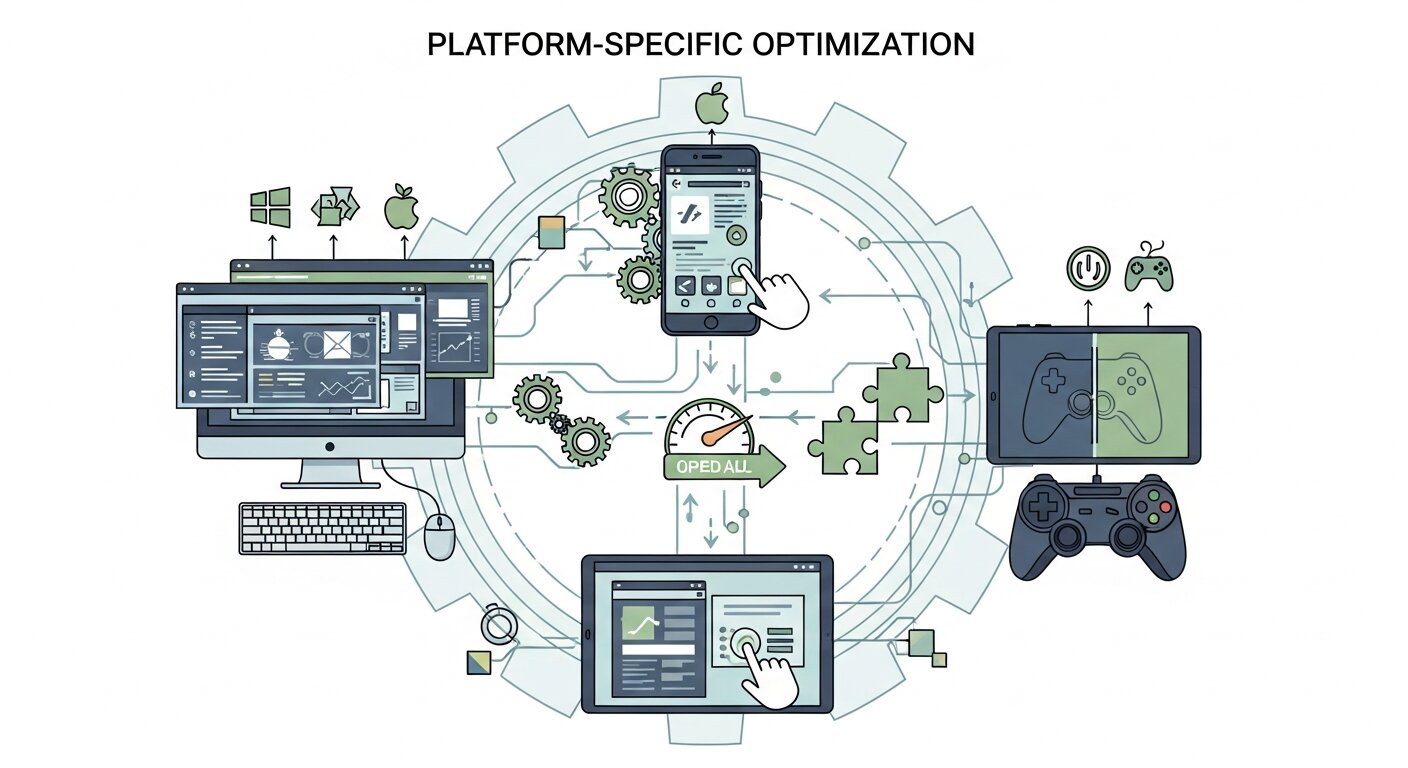
Each video platform operates with its own algorithm and ranking signals, audience behavior patterns, and user expectations. Effective Video SEO Optimization requires understanding these differences instead of applying a one-size-fits-all approach. What works on YouTube SEO strategies may not perform the same way on TikTok or Instagram.
YouTube prioritizes watch time and session duration above all else. Its algorithm favors videos that keep viewers on the platform longer, even if they continue watching other creators afterward. That means your Video SEO Optimization strategy for YouTube should focus heavily on retention hooks, creating playlists, internal linking through end screens, and strategic content sequencing.
TikTok, on the other hand, emphasizes completion rate and rapid engagement within the first few hours of publishing. Early likes, comments, shares, and rewatches signal relevance. For TikTok-focused Video SEO Optimization, shorter, fast-paced content with strong hooks often performs best.
Instagram tends to reward content that keeps users inside the app ecosystem. Saves, shares, and meaningful interactions are strong indicators of value. Tailoring your Video SEO Optimization approach to match each platform’s engagement signals increases visibility and distribution efficiency.
Mobile Optimization Is Non-Negotiable
More than 70% of YouTube watch time comes from mobile devices, which means mobile-first video design is essential. Strong Video SEO Optimization must account for how content appears and performs on smaller screens.
Ensure your visuals are clean and uncluttered. Text overlays for mobile should be large enough to read without zooming. Avoid placing critical elements too close to the edges, where they may be cropped in certain display formats. Testing thumbnails at multiple sizes helps confirm that they remain eye-catching and readable in mobile search results.
Intro sequences should quickly communicate value within the first few seconds, as mobile users are often multitasking. Calls-to-action must also be concise and visually clear. Optimizing for mobile enhances user experience, which indirectly strengthens Video SEO Optimization through improved watch time and engagement metrics.
Metadata Refresh: Keeping Content Current
Video SEO is not a “publish once and forget” process. Ongoing Video SEO Optimization involves reviewing and updating older videos to align with current search trends and audience interests.
Periodically revisit your titles, descriptions, and tags. Search behavior evolves over time, and refreshing video metadata can help older videos regain traction. Even small adjustments—such as refining a title for clarity or adding emerging long-tail keywords—can improve rankings.
Analyze performance metrics to identify underperforming videos with strong retention but low impressions. These are prime candidates for Video SEO Optimization updates. Refreshing thumbnails, rewriting descriptions, or reorganizing tags can breathe new life into existing assets without creating new content.
Measuring Video SEO Success
True success goes beyond raw view counts. Advanced Video SEO Optimization relies on deeper performance indicators. Watch time, average view duration, audience retention graphs, and traffic source analysis provide meaningful insights into how your content performs.
Retention graphs reveal exactly where viewers drop off, helping you refine video structure and pacing. Traffic source data shows whether your Video SEO Optimization efforts are driving discovery through search results, suggested videos, or external links.
When including links in descriptions, use UTM parameters to track how much traffic your videos send to your website. This connects your Video SEO Optimization efforts directly to inbound marketing results. Comparing performance across platforms also helps you identify which channels generate the highest engagement and conversions.
Your Next Steps to Video SEO Success
Start with a comprehensive audit of your current video library. Identify videos with strong content but weak metadata, low click-through rates, or inconsistent tagging. These represent immediate opportunities for Video SEO Optimization improvements.
Develop a standardized naming and tagging framework for future uploads. Consistency strengthens topical authority over time. Create description templates that naturally incorporate your primary keywords, supporting phrases, and strategic links.
Remember that Video SEO Optimization is both technical and creative. Metadata, tagging, and analytics matter—but so do storytelling, pacing, and emotional connection. When you balance algorithmic best practices with audience-focused content, your videos won’t just look polished—they will rank, attract qualified viewers, and continuously generate inbound visibility.
Frequently Asked Questions
What is Video SEO Optimization?
Video SEO Optimization is the process of improving your video content’s visibility in search results and platform recommendations. It involves optimizing titles, descriptions, tags, thumbnails, transcripts, and engagement metrics to help algorithms understand and rank your content.
How is Video SEO different from traditional SEO?
While traditional SEO focuses heavily on backlinks and written content, Video SEO Optimization prioritizes watch time, retention, click-through rate, and engagement signals. User behavior plays a much larger role in video rankings.
How important is keyword research for video?
Aligning video topics with broader strategies like Creating Content Clusters: Organizing Inbound Content for SEO Impact can further strengthen topical authority and long-term visibility.
How long should a video title be for best results?
Ideally, titles should stay under 60 characters to avoid truncation in search results. Effective Video SEO Optimization places the primary keyword near the beginning while keeping the title compelling for human viewers.
Do tags still matter for video rankings?
Tags are less powerful than they once were but still support Video SEO Optimization by clarifying content context. Using focused, relevant tags strengthens topical relevance without keyword stuffing.
Why are thumbnails important for SEO?
Thumbnails influence click-through rate, which directly impacts ranking performance. Even the best Video SEO Optimization strategy can fail if users do not click on your content.
Do transcripts improve video rankings?
Yes. Transcripts provide indexable text for search engines, improving keyword relevance and accessibility. They are a strong supporting factor in comprehensive Video SEO Optimization.
What engagement metrics impact video SEO the most?
Watch time, average view duration, completion rate, comments, and shares are critical signals. Strong engagement amplifies the effectiveness of your Video SEO Optimization efforts.
Should I update old videos for SEO?
Absolutely. Refreshing titles, descriptions, tags, and thumbnails can revive older content. Ongoing Video SEO Optimization ensures your videos stay aligned with current search trends.
How long does it take to see results from video SEO?
Results vary depending on competition and consistency. With strategic Video SEO Optimization, improvements in impressions and rankings can begin within weeks, but long-term growth compounds over time.