
SaaS Customer Retention is essential for sustainable growth and profitability. By combining personalized onboarding, education, community engagement, proactive success, and data-driven strategies, companies reduce churn and increase lifetime value. Applying inbound principles across the customer lifecycle ensures long-term loyalty and measurable impact.
Customer retention is one of the most critical success factors for SaaS businesses, yet it often raises many questions among marketers, product managers, and customer success teams. From onboarding strategies to community building, pricing approaches, and data-driven insights, companies want to understand how to keep users engaged, reduce churn, and maximize lifetime value. The following FAQ addresses the most common queries, offering actionable guidance on strengthening SaaS Customer Retention throughout the customer lifecycle.
Onboarding: The Critical First 30 Days
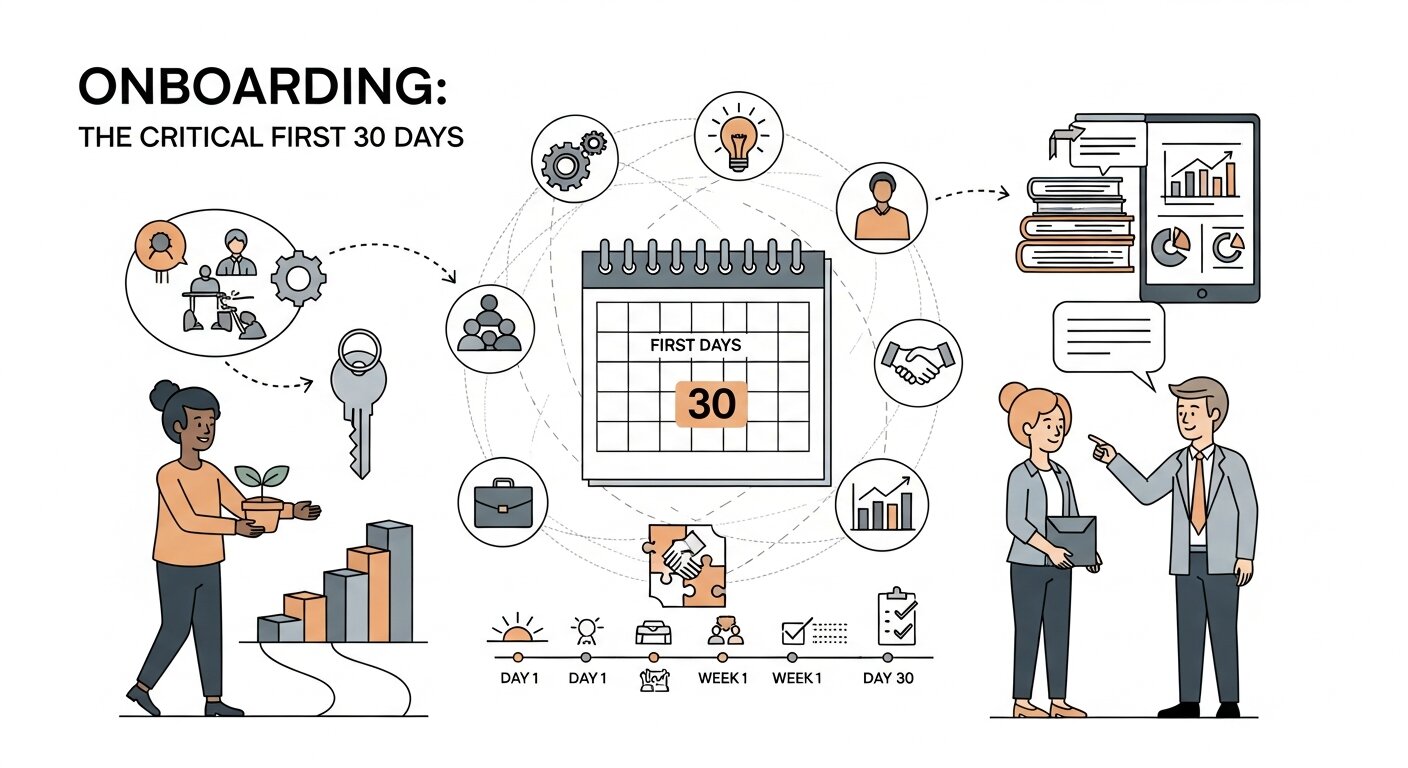
The first month after conversion represents the highest risk period for customer churn. Users who converted from free trials often experience a motivation gap as they transition from exploration to implementation. Without proper guidance, many find themselves wondering how to extract the value they were promised, making SaaS Customer Retention during this period critical.
Personalized onboarding sequences serve as the bridge across this gap. Rather than generic welcome emails, smart SaaS companies create segmented journeys based on how customers used the product during their trial. A user who heavily explored one feature should receive different onboarding guidance than someone who focused elsewhere. These tailored approaches directly improve SaaS Customer Retention by keeping users engaged and confident in their choice.
Video walkthroughs addressing specific use cases prove particularly effective during onboarding. These short, focused tutorials help customers visualize success with your product in their specific context. Unlike generic product tours, these targeted guides answer the critical question: “How does this solve my particular problem?” Such thoughtful onboarding is a cornerstone of effective SaaS Customer Retention strategies.
Success milestones deserve celebration throughout the onboarding process. When customers achieve meaningful progress – importing their data, completing their first project, or achieving a measurable result – acknowledging this progress reinforces their decision to commit to your solution. Recognizing these wins consistently contributes to long-term SaaS Customer Retention.
For comprehensive resources on developing effective inbound strategies across the customer lifecycle, visit our complete guide at InboundMarketo.com. These strategies not only drive acquisition but are essential for sustaining SaaS Customer Retention across all segments.
Educational Content: Teaching Ongoing Value
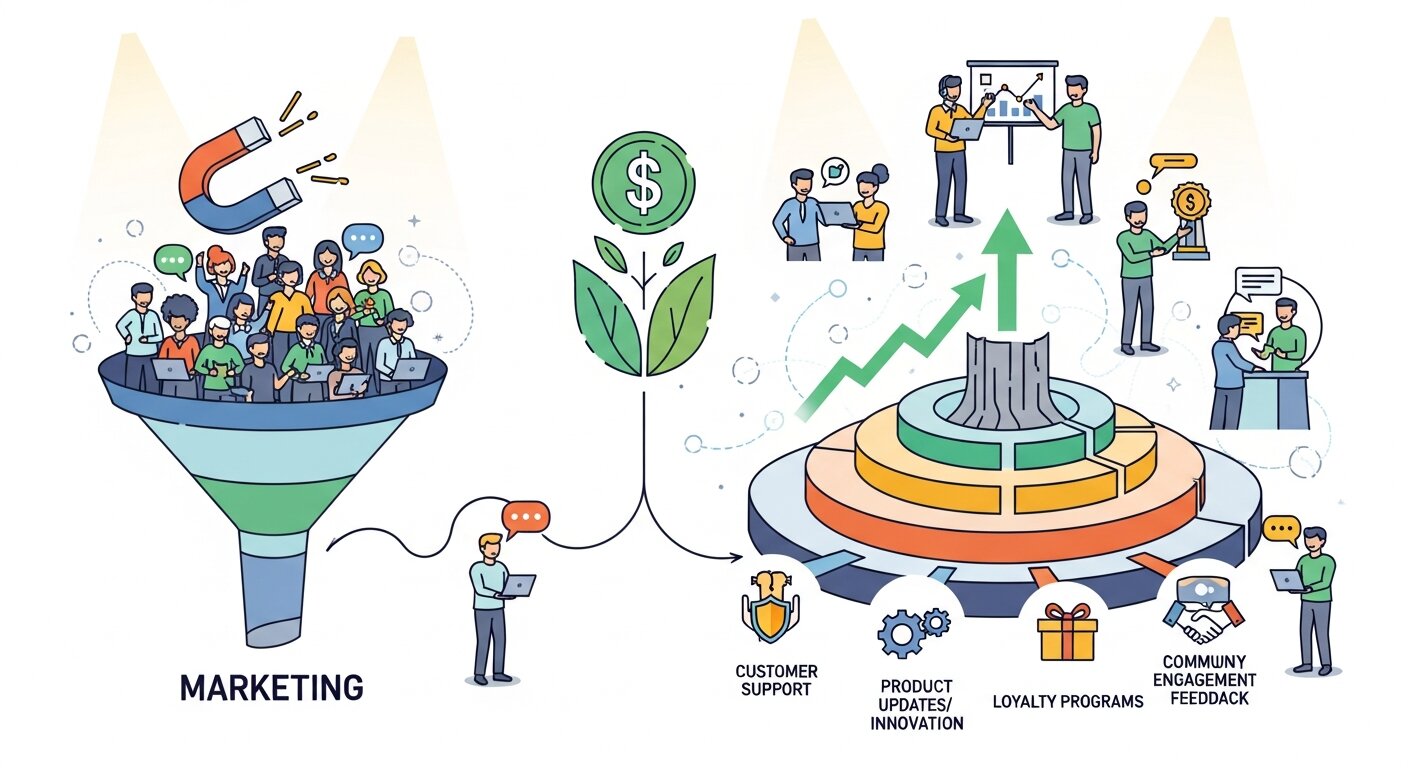 Education represents one of the most powerful retention tools available to SaaS marketers. Customers who deeply understand your product become increasingly dependent on it and more resistant to competitor offers, directly boosting SaaS Customer Retention. Yet many companies stop educational efforts after initial onboarding. Consider referencing industry studies on customer education and retention to support this point.
Segmented email courses deliver ongoing education tailored to customer needs. These automated sequences can introduce advanced features, explain best practices, or explore industry topics relevant to product usage. The key lies in continuing the educational journey long after the sale to maintain strong SaaS Customer Retention. You could link to examples of successful email course campaigns for practical guidance.
Exclusive webinars for current customers create both learning opportunities and community connections. These events should balance product education with broader industry insights, positioning your company as a valuable resource beyond the software itself. Recording these sessions extends their value as on-demand resources and strengthens SaaS Customer Retention over time. External links to best practices for customer webinars would fit naturally here.
Customer-only resource libraries provide self-service education that reinforces product value. These knowledge bases should include tutorials, templates, case studies, and implementation guides organized by use case rather than feature. This approach helps customers connect product capabilities to their actual business goals, improving SaaS Customer Retention naturally. Consider linking to examples of successful SaaS knowledge bases.
Feature announcement content deserves particular attention in retention marketing. Rather than simply listing new capabilities, effective SaaS companies frame updates around the specific problems they solve. This problem-centric approach helps customers see continued evolution of value rather than just feature expansion, supporting ongoing SaaS Customer Retention. External links to product release communication strategies can enhance credibility.
Community Building: Creating Switching Barriers
Customer communities create powerful retention effects that transcend product features. When users form connections with other customers, leaving your platform means losing access to this valuable network. Smart SaaS companies actively nurture these community bonds, a key driver of SaaS Customer Retention. Linking to successful SaaS communities provides real-world examples.
Private user groups on platforms like Facebook or Slack provide spaces for customers to share experiences, ask questions, and build relationships. The most effective groups balance company participation with customer-led discussion, creating organic advocacy that strengthens SaaS Customer Retention over time. Consider linking to platform-specific community management tips.
User-generated content programs turn customers into teachers and advocates. Case studies, guest blog posts, and usage tips created by customers provide social proof while giving contributors recognition that strengthens their connection to your brand. These programs reward your most engaged users while supporting broader SaaS Customer Retention initiatives. External references to UGC success stories fit well here.
Annual user conferences, whether virtual or in-person, create milestone moments that reinforce the customer’s identity as part of your product community. These events combine learning, networking, and inspiration, reinforcing emotional ties that underpin long-term SaaS Customer Retention. Anchor text linking to examples of SaaS customer conferences would be natural.
Expert certification programs transform product proficiency into marketable professional credentials. As customers invest time in becoming certified experts, they develop skills that create significant switching costs if they were to adopt a competitor’s solution, further enhancing SaaS Customer Retention. You can link to certification program guides for additional context.
Customer Success: Proactive Value Protection
Customer success programs represent the evolution of traditional support from reactive problem-solving to proactive value delivery. While support responds to issues, success anticipates needs and ensures customers realize their expected outcomes, directly boosting SaaS Customer Retention.
Regular business reviews provide structured opportunities to demonstrate value realized through your platform. These sessions should connect product usage to specific business outcomes, reinforcing the return on investment and contributing to strong SaaS Customer Retention.
Usage analysis alerts enable proactive intervention when engagement metrics suggest risk. Declining logins, unused key features, or reduced users often signal potential churn before customers explicitly express dissatisfaction. Early intervention supports ongoing SaaS Customer Retention.
Customer health scores combine multiple data points to assess retention risk systematically. These scoring systems might include product usage patterns, support interactions, contract details, and engagement with marketing content. The resulting insights enable targeted retention efforts that safeguard SaaS Customer Retention for at-risk accounts.
Success planning creates shared roadmaps between customers and your team. These collaborative documents outline how customers will achieve progressive value over time, creating mutual accountability and clear expectations. Regular reviews of these plans ensure alignment as customer needs evolve, ultimately strengthening SaaS Customer Retention.
Pricing and Packaging: Creating Growth Paths
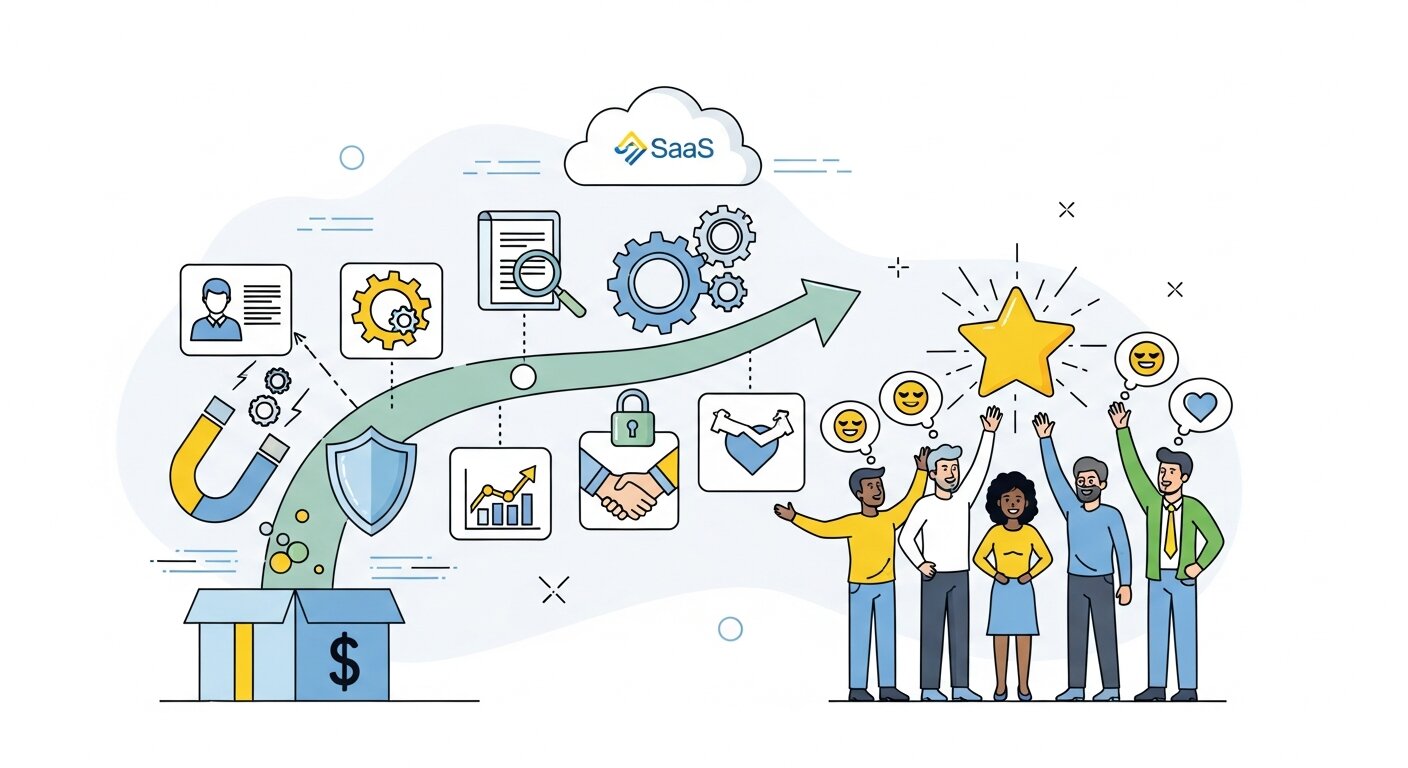 Thoughtful pricing and packaging strategies create natural retention and expansion opportunities. Many SaaS companies focus on acquisition pricing without sufficient consideration for long-term revenue optimization.
Growth-oriented packaging provides clear upgrade paths as customer needs evolve. Rather than forcing customers to pay for features they don’t need, tiered offerings allow them to start at appropriate entry points with visible advancement opportunities as their requirements expand.
Usage-based components align pricing with value realization. When portions of your pricing model scale with increased usage, customers experience pricing that grows proportionally with the value they receive. This approach reduces friction around renewal increases.
Loyalty pricing rewards customer commitment with preferential terms. Multi-year contracts with appropriate discounts, grandfathered pricing for long-term customers, or loyalty program benefits acknowledge the increased value of retained customers over new acquisitions.
Strategic downsell options provide alternatives to complete cancellation. When customers face budget constraints or changing needs, offering reduced packages preserves the relationship until circumstances change. These options create significantly higher lifetime value than losing customers entirely.
Data-Driven Retention: Measuring What Matters
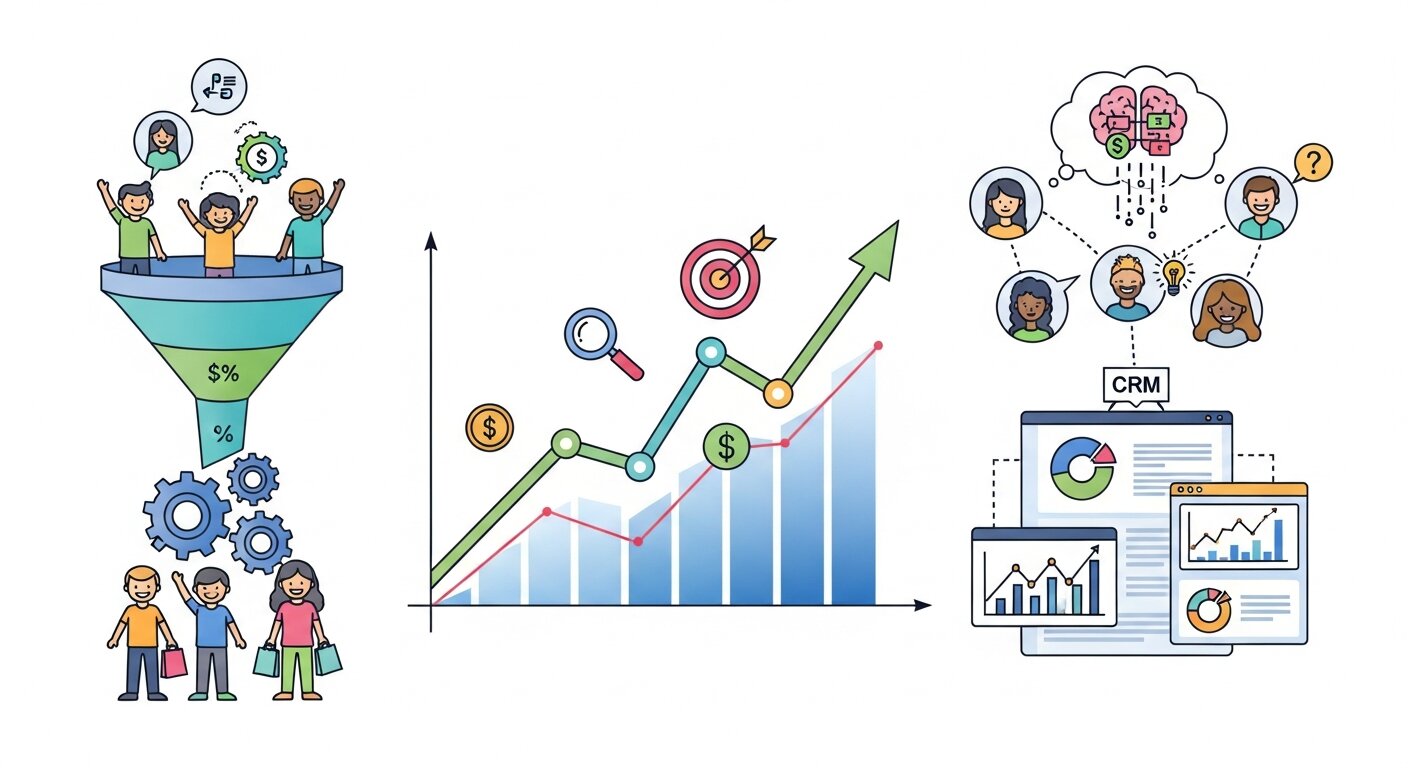 Effective retention marketing requires metrics that go beyond simple churn rates. Sophisticated SaaS companies monitor multiple indicators to identify both risks and opportunities throughout the customer lifecycle.
Expansion revenue metrics track additional revenue from existing customers through upgrades, additional seats, or complementary products. This measurement focuses teams on growing account value rather than merely preventing cancellations.
Time-based cohort analysis reveals how retention rates change across different customer segments over time. These insights enable targeted interventions at critical points in the customer lifecycle when specific groups demonstrate increased churn risk.
Feature adoption tracking connects specific product usage patterns to retention outcomes. By identifying features whose adoption correlates strongly with retention, marketing teams can prioritize educational content that drives engagement with these “sticky” capabilities.
Net revenue retention measures overall revenue changes from your existing customer base, including both churn and expansion. This comprehensive metric has become increasingly important to investors as SaaS markets mature and growth increasingly depends on customer expansion.
Implementation Framework: Where to Begin
Implementing comprehensive retention marketing requires systematic approaches rather than isolated tactics. Companies achieve the greatest impact by establishing foundational elements before adding complexity.
Start with segmentation based on both customer characteristics and behaviors. Different retention strategies apply to various customer types – enterprise versus small business, different industries, or varying use cases. Behavioral data adds another dimension, identifying engagement patterns that predict both risk and opportunity. You could link to customer segmentation best practices or behavioral analytics guides here.
Build a cross-functional retention team rather than isolating responsibility in customer success. Marketing, product, sales, and customer success all influence retention outcomes and should collaborate on strategy development. This holistic approach prevents disconnected efforts that confuse customers. External links to cross-functional team frameworks or customer success collaboration tips work naturally in this context.
Establish consistent measurement frameworks before implementing new retention programs. Without clear baseline metrics and ongoing measurement, determining program effectiveness becomes impossible. These frameworks should include both leading indicators that predict retention and lagging metrics that confirm outcomes. Anchor text linking to retention metrics and KPIs or SaaS performance dashboards fits well here.
Prioritize high-impact opportunities based on potential value rather than implementation ease. Some customer segments offer significantly higher retention improvement potential than others. Data analysis can identify these high-value targets for initial focused efforts. You can include links to data-driven prioritization methods or high-value customer strategies.
Conclusion
Inbound marketing principles transform SaaS customer retention by shifting focus from company-centric interruptions to customer-centric value delivery. The most successful retention strategies provide ongoing education, community connection, and proactive success support aligned with customers’ evolving needs.
As SaaS markets mature and acquisition costs rise, retention marketing increasingly determines company valuation and long-term viability. Rather than viewing retention as a defensive necessity, forward-thinking companies recognize it as their greatest growth opportunity.
By applying inbound principles throughout the customer lifecycle – creating valuable experiences that customers actively seek rather than avoid – SaaS companies can build sustainable growth engines that reduce dependence on costly new customer acquisition.
Frequently Asked Questions
What is SaaS Customer Retention?
SaaS Customer Retention refers to the ability of a software-as-a-service company to keep its users engaged, active, and renewing subscriptions over time. High retention indicates satisfied customers and strong product-market fit.
Why is customer retention more important than acquisition for SaaS businesses?
Acquiring new customers is costly, while retaining existing ones increases lifetime value, reduces churn, and drives profitability. Even a small improvement in retention can significantly boost overall revenue.
How does onboarding impact SaaS Customer Retention?
Effective onboarding bridges the gap between trial use and long-term adoption. Personalized guidance, video walkthroughs, and milestone celebrations help users see immediate value, reducing early churn.
What role does education play in retention?
Ongoing educational content—like email courses, webinars, and resource libraries—keeps users engaged, increases product expertise, and strengthens their reliance on your software, enhancing retention naturally.
How do customer communities affect retention?
Communities foster relationships among users, creating a sense of belonging. When customers feel part of a network, leaving the platform comes with a social cost, which strengthens SaaS Customer Retention.
What is the impact of proactive customer success programs?
Proactive programs anticipate customer needs, offer tailored guidance, and address potential challenges before they escalate. This approach directly reduces churn and increases long-term retention.
How can pricing strategies improve retention?
Tiered packages, usage-based pricing, loyalty rewards, and strategic downsells help align cost with perceived value. Customers are more likely to stay when pricing matches their needs and growth trajectory.
Which metrics are essential for measuring retention?
Key metrics include churn rate, net revenue retention, cohort analysis, feature adoption, and expansion revenue. These metrics provide both leading and lagging indicators to optimize SaaS Customer Retention strategies.
How do feature updates and announcements impact retention?
Framing updates around the problems they solve—not just the features themselves—helps customers see ongoing value. Problem-centric communication reinforces engagement and reduces churn.
What is the best approach to implement a retention strategy?
Start with segmentation, measure effectively, and involve cross-functional teams. Prioritize high-impact actions, leverage data-driven insights, and apply inbound marketing principles to deliver continuous value to your customers.