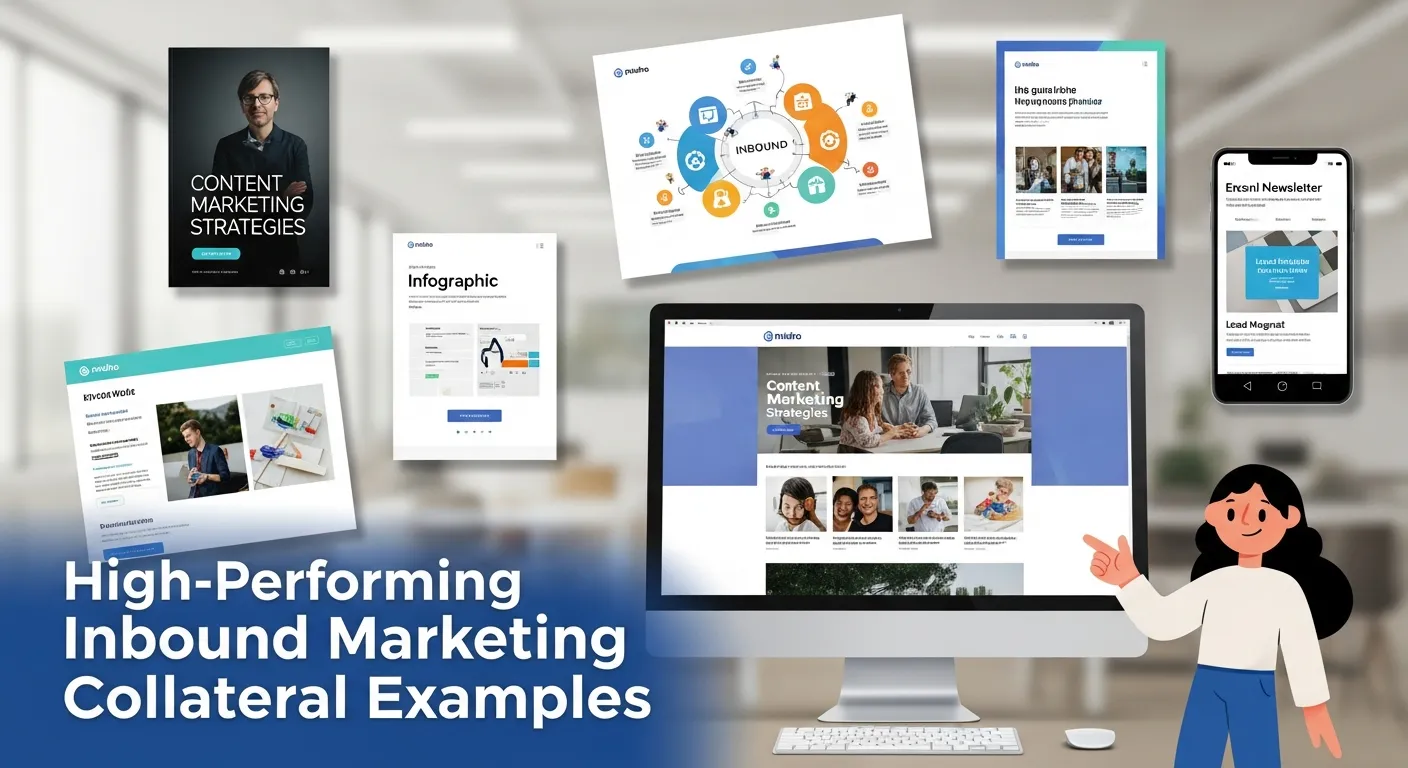
Inbound marketing collateral includes blogs, eBooks, landing pages, videos, and automation tools that attract and nurture prospects. By delivering value at every stage of the buyer journey, businesses build trust, generate leads, and drive sustainable growth through strategic, data-driven content marketing.
Inbound marketing continues to be one of the most effective strategies for attracting, engaging, and nurturing potential customers. It focuses on creating valuable content that appeals to your audience and naturally draws them into your sales funnel. But to succeed, you need the right tools in your arsenal, and that’s where inbound marketing collateral comes in.
Whether you’re new to inbound marketing or looking to optimize your campaigns, this blog will show you high-performing inbound marketing collateral examples and how to use them strategically to grow your business.
What Is Inbound Marketing Collateral?
 Inbound marketing collateral refers to the resources and content specifically designed to attract and guide potential customers through the buyer’s journey. Unlike traditional outbound methods, which interrupt customers with messages they may not want (like cold calls or pop-up ads), inbound marketing uses collateral to organically bring your audience toward your brand. Read more about Inbound Marketing Mastery.
High-quality collateral addresses specific customer pain points and provides solutions, positioning your business as a helpful authority in your field. Common examples include blog posts, eBooks, infographics, and email campaigns.
Why is inbound marketing collateral so important? Because it meets customers where they already are, whether that’s scrolling on social media, conducting a Google search, or consuming content that speaks to their interests.
Key Benefits of Using Effective Collateral
- Builds trust: By providing helpful resources, you position your brand as credible and trustworthy.
- Drives traffic: Optimized collateral increases your website’s visibility in search engines.
- Generates leads: Gating certain content behind forms can quickly establish a pipeline of leads.
- Encourages engagement: Interactive content keeps your audience interested and invested.
Must-Have Examples of Effective Inbound Marketing Collateral
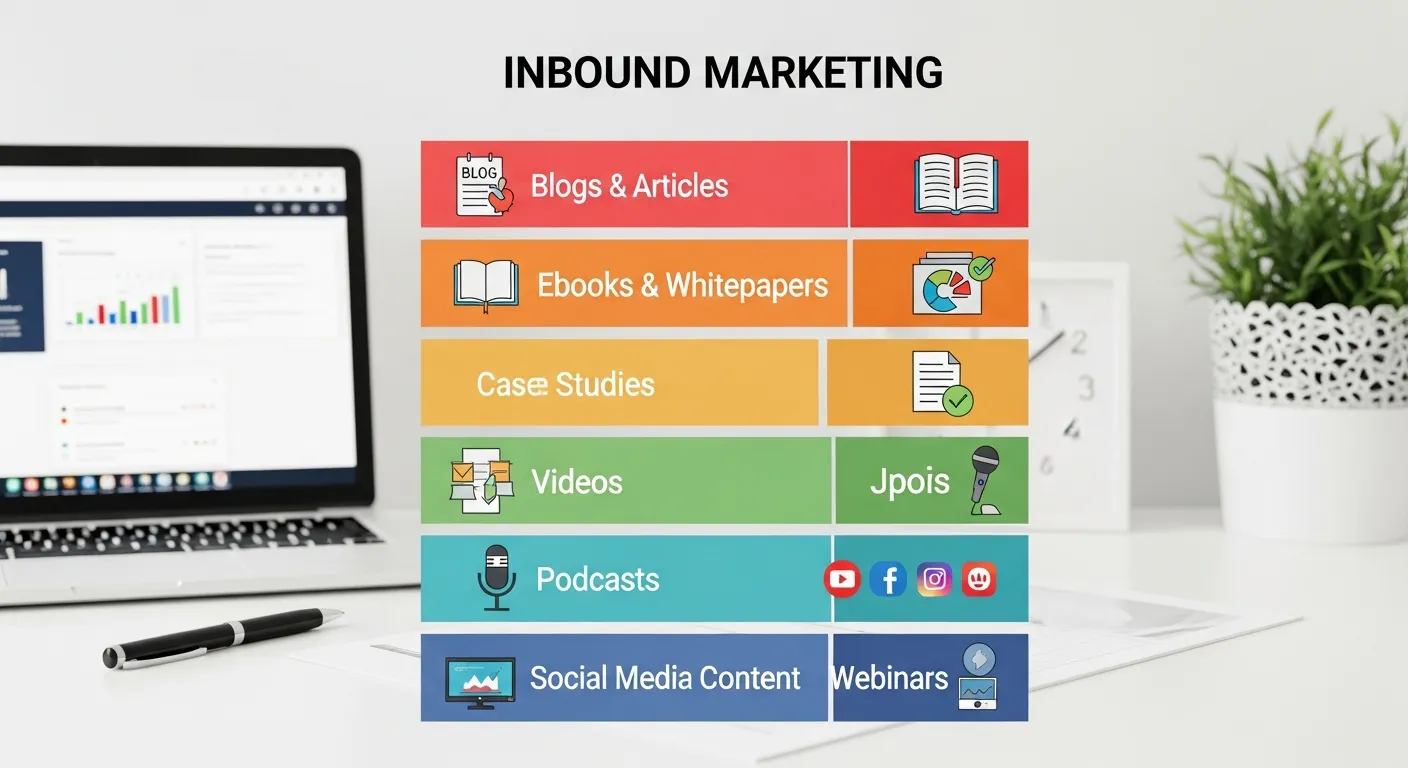 While inbound marketing collateral takes many forms, here are some standout examples that have proven to deliver results.
1. Engaging Blog Posts
One of the simplest and most effective forms of inbound marketing is a well-written blog. Blogs allow you to create content that answers specific questions your audience is searching for. For example:
- How-to articles: Provide step-by-step instructions on topics your audience cares about.
- Educational content: Share expert insights to position yourself as a thought-leader.
- Case studies: Highlight customer success stories that showcase your product or service.
By using SEO techniques to optimize your blog posts for relevant keywords, you can increase search engine visibility and attract organic traffic. For instance, if you offer marketing automation software, writing a blog titled “How to Automate Your Marketing Campaigns in 5 Steps” could attract leads looking for marketing tech solutions.
2. Downloadable eBooks and Whitepapers
Want to generate leads while providing extra value? Create free, downloadable eBooks or whitepapers. These assets are often gated, meaning users provide their email addresses to access them. This makes them perfect for lead generation.
Example: If you run a B2B SaaS company, you could create an eBook like “The Ultimate Guide to Increasing Team Productivity With Workplace Tools.” Once prospects download it, you’ve collected a lead and delivered actionable value to your audience.
Pro Tip: Keep your eBooks visually engaging with charts, illustrations, or short paragraphs to maintain reader interest.
3. Eye-Catching Infographics
Infographics are visual pieces of content that condense dense data or statistics into an easy-to-digest format. They’re perfect for social sharing and quickly capturing attention in a crowded content space.
Example: A fitness brand could create an infographic titled “How to Burn 500 Calories in 30 Minutes,” showing different exercises with estimated calorie burns.
Infographics work because people process visuals 60,000 times faster than text. They make even complex information more accessible and memorable.
4. Educational Videos
Video marketing has grown astronomically and for good reason. A video combines storytelling with visual engagement, making complex ideas or products easier to understand.
Examples of inbound video collateral include:
- Explainer videos that introduce how your product works.
- Tutorials demonstrating key features of your offering.
- Customer testimonials shot in a concise, engaging format.
A business offering accounting software could create a 4-minute demo video showing how small businesses can streamline their bookkeeping.
5. Email Campaigns
Email campaigns are a key piece of inbound marketing collateral. They’re highly personal, making it easier to nurture leads and guide them along their buyer’s journey.
Best practices for your inbound email collateral:
- Segment your audience. Send tailored content based on user demographics or behaviours.
- Provide value. Send exclusive offers, insightful resources, or company updates.
- Include a clear call-to-action (CTA). Make sure every email encourages an action, like scheduling a demo or reading a blog.
6. Social Media Content
Social media provides endless opportunities for inbound marketing collateral. From engaging posts to interactive polls, you can use these platforms to start meaningful conversations with your audience.
Examples of what to post:
- Customer testimonials
- Short blog snippets linking back to your website
- Polls and Q&A sessions encouraging engagement
- Behind-the-scenes video peeks into your brand
Social media is also great for showcasing user-generated content, such as reposting customer reviews or photos.
How to Choose the Best Collateral for Your Strategy
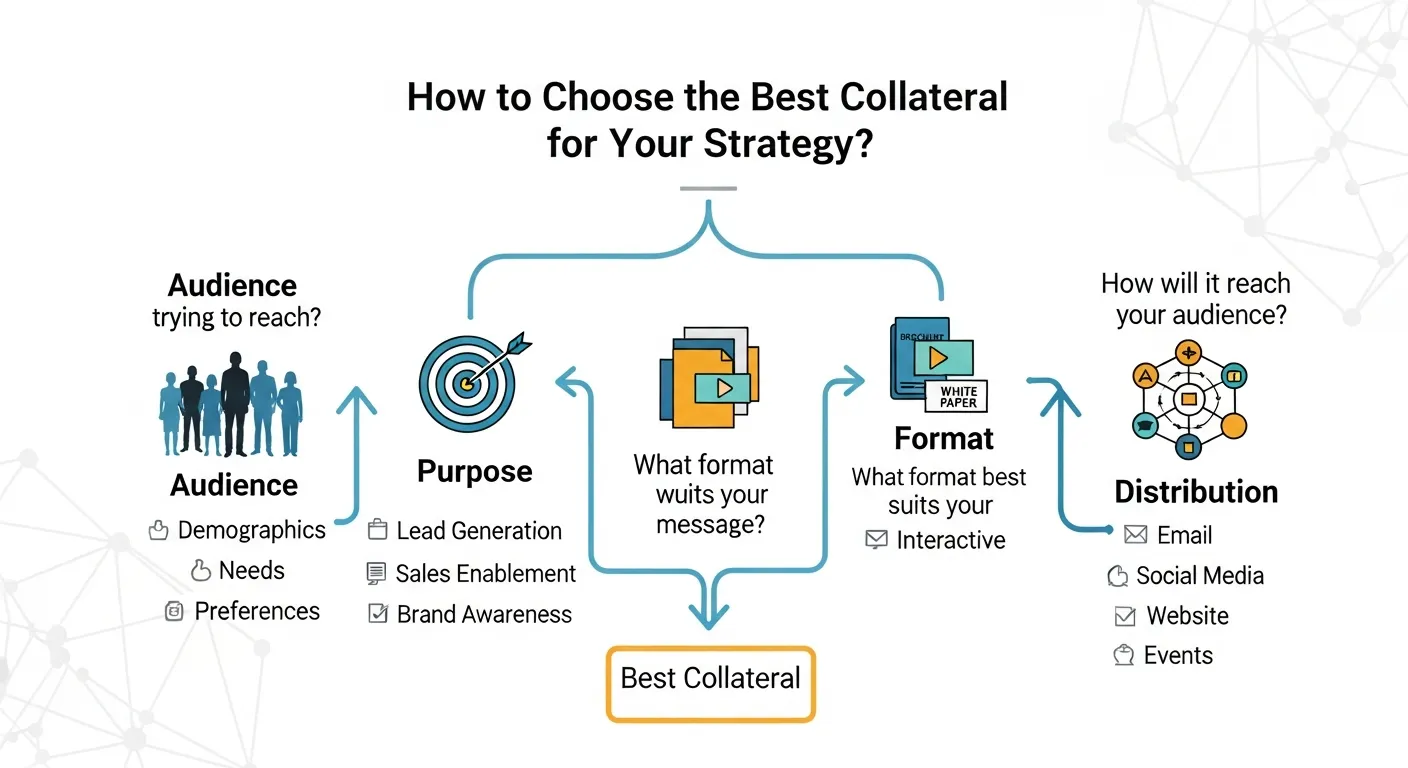 With so many options, how do you decide which inbound marketing collateral is right for you? Follow these steps to create a winning strategy:
- Know your audience: Research your target persona’s interests, pain points, and preferred platforms.
- Map the buyer’s journey: Tailor content to each stage (awareness, consideration, and decision-making).
- Focus on value: Make it about solving problems, not just promoting yourself.
- Test and optimize: Measure performance and keep improving. Check metrics like views, shares, and conversions.
Why a Strong Mix of Collateral Matters
Every customer is different. What converts one lead might fall flat for another. Having a variety of collateral ensures you reach a diverse audience and stay top of mind throughout the buying cycle.
Imagine someone Googling “benefits of inbound marketing.” If you have a blog post ready for them, you’ve captured their attention. But to turn them into a lead, offering a downloadable guide like “Top 5 Tools for Your First Inbound Campaign” could seal the deal.
Bring It All Together and Start Creating
Inbound marketing collateral isn’t just about churning out content. It’s about crafting resources that align with your audience’s needs and deliver tangible value. From blogs to emails, each piece should guide prospects along their customer journey while building trust in your brand.
Not sure where to start? Our team of experts is here to help! Request a consultation today and learn how we can help create content that drives results.
Resource Libraries and Content Hubs
A centralized resource library organizes your inbound marketing collateral in one easily accessible place. Instead of scattered content, visitors can browse blogs, eBooks, templates, videos, and case studies in a structured format. This improves user experience and encourages deeper engagement. Content hubs also enhance SEO by clustering related topics around pillar pages. For example, a “Digital Marketing Hub” could link to guides on SEO, PPC, and content marketing. Organized content builds credibility and increases session duration, helping prospects find the right information at the right time.
Customer Testimonials and Reviews
Testimonials are powerful forms of social proof that reassure potential buyers. Featuring authentic reviews on landing pages, product pages, and email campaigns builds trust instantly. Video testimonials are particularly effective because they feel genuine and relatable. Encourage satisfied customers to share specific outcomes they achieved with your product. Highlighting real experiences reduces skepticism and shortens decision-making time. Integrating testimonials into various collateral types—such as blogs, case studies, and ads—strengthens your overall inbound strategy. Trust is a major factor in purchasing decisions, and testimonials provide that essential credibility.
Marketing Automation Workflows
Automation workflows connect your inbound collateral into a cohesive system. When someone downloads an eBook, an automated email sequence can nurture them with related content, case studies, and offers. This ensures consistent communication without manual effort. Effective workflows segment users based on behavior and interests, delivering personalized messages that feel relevant. Automation increases efficiency while improving lead nurturing results. By mapping workflows to the buyer’s journey, you guide prospects naturally from awareness to decision. It transforms standalone content into a strategic growth engine.
Analytics and Performance Tracking
 Inbound marketing collateral should always be backed by measurable results. Analytics tools help track website traffic, conversion rates, engagement metrics, and ROI. Monitoring data reveals which content types perform best and where improvements are needed. For example, if blog posts drive traffic but landing pages have low conversions, adjustments may be necessary. A/B testing headlines, CTAs, and visuals can optimize performance. Data-driven decisions ensure your inbound strategy evolves continuously. Without tracking, even great content can underperform. Performance measurement keeps your marketing efforts aligned with business goals.
Conclusion
Inbound marketing collateral plays a vital role in attracting, engaging, and converting modern customers. By combining blogs, landing pages, videos, eBooks, automation workflows, and analytics, businesses can create a cohesive strategy that nurtures prospects throughout the buyer’s journey. The key lies in delivering consistent value, understanding audience needs, and optimizing performance over time. With the right mix of high-quality collateral, brands can build trust, strengthen authority, and drive sustainable growth. Start strategically, measure consistently, and refine continuously to maximize long-term success.