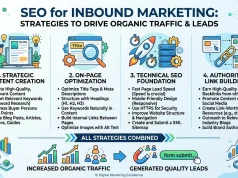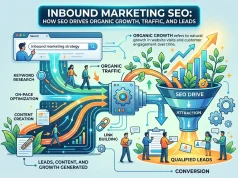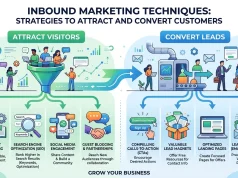

Inbound marketing helps B2B businesses attract qualified leads through valuable content, SEO, email, and automation. By nurturing trust and aligning with buyer journeys, companies can improve conversions, shorten sales cycles, and achieve sustainable growth. A strategic inbound approach delivers long-term ROI and stronger customer relationships.
Inbound marketing has emerged as a game-changing tactic for B2B businesses. Unlike traditional outbound methods that interrupt prospects with ads or cold calls, inbound marketing focuses on attracting your ideal audience by delivering valuable content and building meaningful relationships. For B2B companies looking to generate leads, nurture prospects, and boost conversions, an effective inbound marketing strategy is key.
What Is Inbound Marketing for B2B?
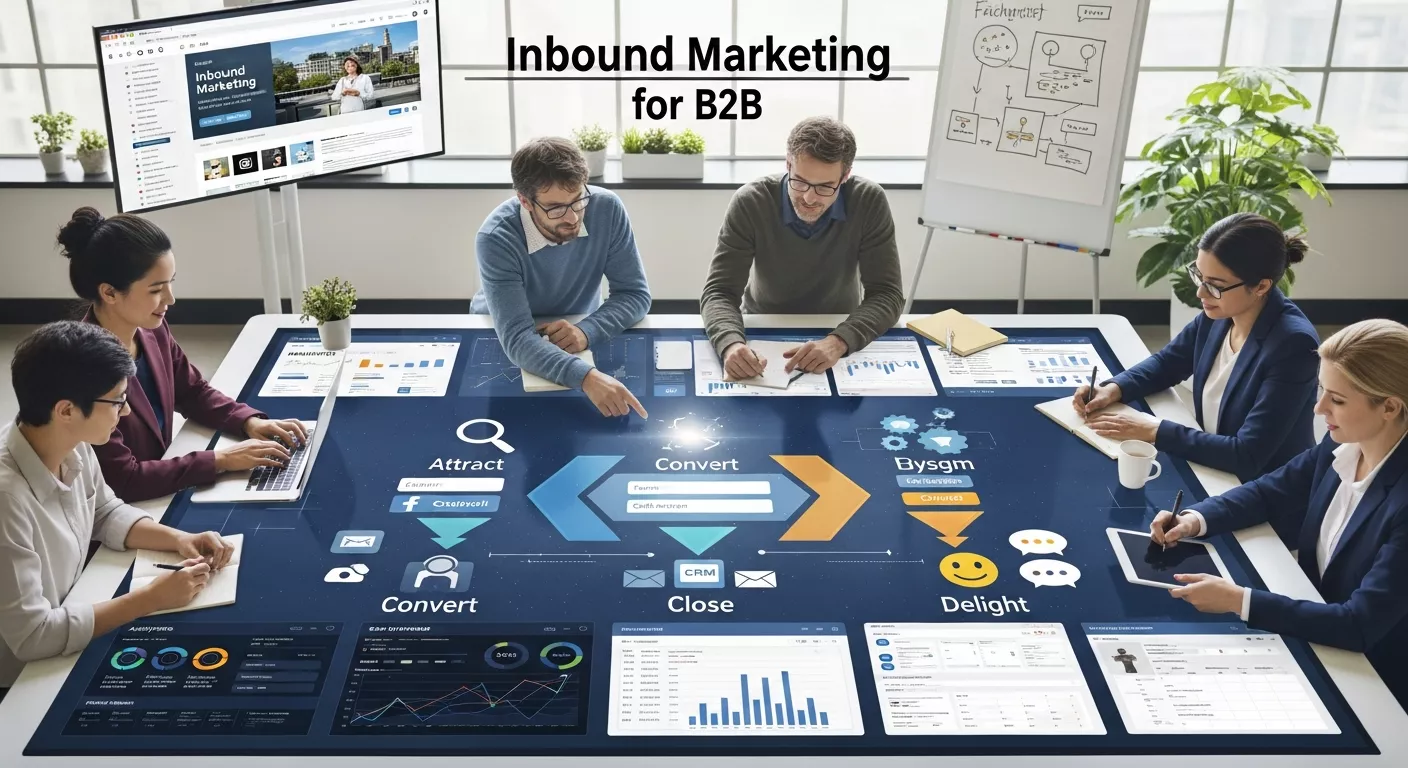
Inbound marketing is a methodology that focuses on creating valuable content and experiences tailored to your audience. Instead of pushing your message outward, inbound marketing draws prospects in by addressing their pain points and offering solutions to their challenges. Learn more about Inbound Marketing for B2B.
For B2B companies, the inbound approach is particularly powerful. Businesses researching a product or service tend to conduct extensive research, look for credible sources, and seek tailored offerings. By becoming a go-to resource, you can position your company as the trusted partner they want to work with.
Why B2B Companies Need Inbound Marketing
Here’s why inbound marketing is especially vital for B2B businesses:
1. Longer Sales Cycles
B2B transactions typically involve longer sales cycles than B2C. Most purchases require approval from multiple stakeholders. By nurturing leads through targeted, helpful content, you stay top of mind throughout this complex decision-making process.
2. Higher Purchase Value
B2B deals tend to involve significant financial commitments. Prospects are less likely to rely on a cold sales pitch and more likely to partner with brands they trust and respect. Effective inbound strategies nurture trust and credibility.
3. Demand for Expertise
B2B buyers look to industry experts to help solve their challenges. Delivering educational content through whitepapers, blogs, and case studies can position your company as the authority they rely on.
Key Benefits of B2B Inbound Marketing
Investing in an inbound marketing strategy offers many advantages for B2B businesses. Here are a few:
- Cost-Effectiveness: Traditional outbound tactics like advertising and trade shows can cost a fortune, but inbound marketing often produces a higher ROI through organic growth and conversions.
- Targeted Lead Generation: By tailoring your content to specific buyer personas, inbound marketing helps attract qualified leads who are already interested in your solutions.
- Improved Customer Relationships: Helpful and engaging content fosters trust and builds stronger relationships with your audience over time.
6 Strategies for Effective B2B Inbound Marketing
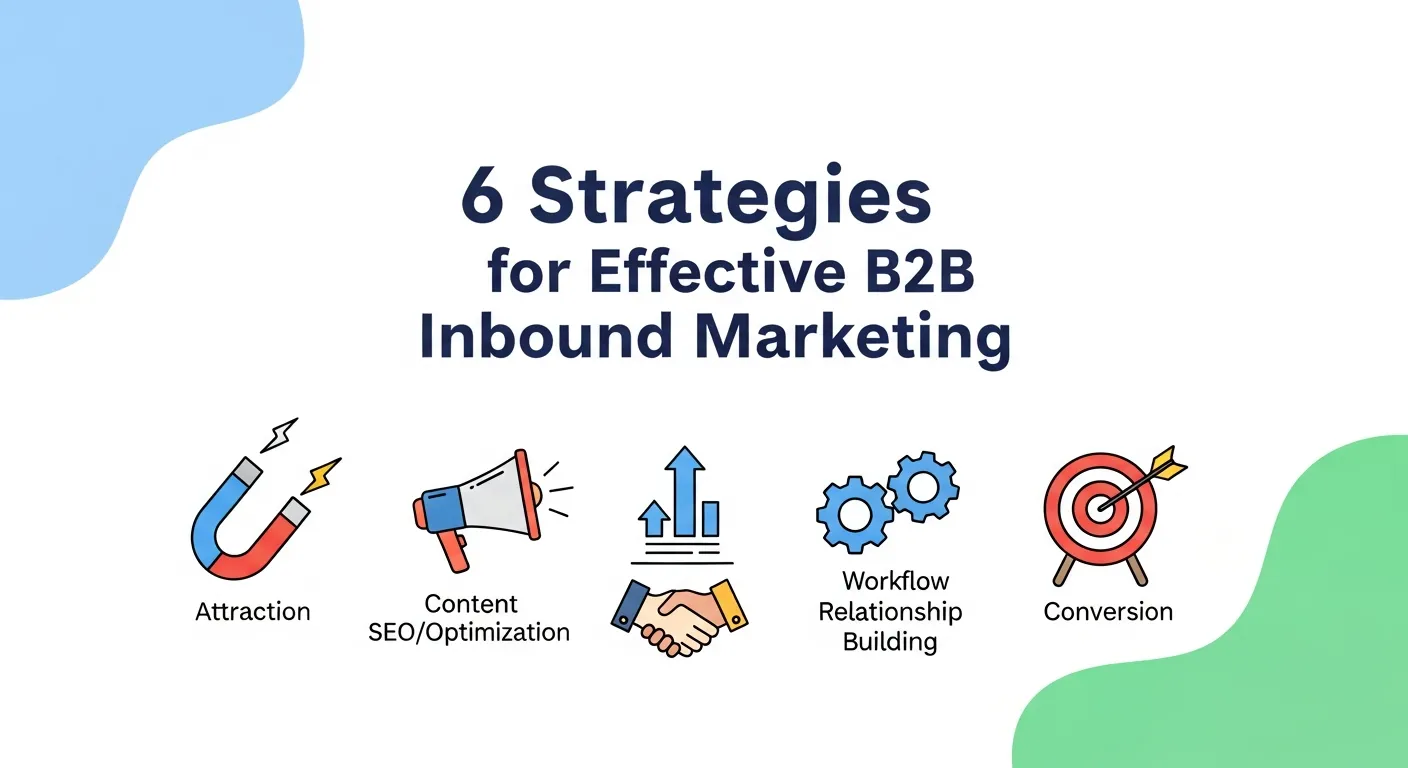
Now that you understand the importance of inbound marketing for B2B, here are six effective strategies to help you get started.
1. Develop Buyer Personas
Understanding your audience is fundamental to any inbound marketing strategy. Create detailed buyer personas, which are semi-fictional representations of your ideal customers. Each persona should include details about their:
- Job title and responsibilities
- Pain points and challenges
- Goals and motivations
- Preferred content formats
This will help you craft messaging that resonates with your target audience.
2. Leverage Content Marketing
Content is at the heart of inbound marketing. Publish high-quality content across different formats to address your prospects’ challenges. Some ideas include:
- Blog Posts: Write SEO-optimized articles that answer common questions or offer solutions.
- Whitepapers and E-books: Provide in-depth resources your audience can download.
- Case Studies: Showcase real-world results to highlight your value proposition.
- Webinars and Videos: Engage viewers with visual presentations of your expertise.
3. Implement SEO Strategies
For your content to attract traffic, it needs to rank on search engines like Google. Implement these SEO strategies to optimize your efforts:
- Research target keywords relevant to your audience and incorporate them naturally into your content.
- Write descriptive meta titles and meta descriptions to improve click-through rates (CTR).
- Use internal and external links to improve your content’s authority and navigation experience.
4. Maximize Email Marketing
Email marketing remains one of the most effective ways to nurture B2B prospects. Use it to:
- Send targeted newsletters featuring relevant blog posts, case studies, or event announcements.
- Distribute lead-nurturing campaigns tailored to your audience’s stage in the buyer’s journey.
- Offer gated content downloads (like e-books or templates) and nurture contacts with automated follow-ups.
5. Build a Strong Social Media Presence
Social media platforms like LinkedIn and Twitter are key networking tools for B2B companies. Use these platforms to:
- Share blog posts, industry news, and infographics to educate your audience.
- Participate in discussions and groups related to your niche.
- Promote gated content to encourage downloads and increase lead generation.
6. Measure and Optimize Your Efforts
One of the greatest advantages of inbound marketing is the ability to track and optimize your campaigns. Use tools like Google Analytics, HubSpot, or SEMrush to monitor metrics like:
- Website Traffic and Time on Page
- Conversion Rates
- Email Open and Click-Through Rates
By analyzing performance data, you can refine your strategy and focus on tactics that deliver the best results.
Leverage Data-Driven Content Decisions
Successful inbound marketing relies on continuous optimization. Analyze content performance to understand what resonates with your audience. Metrics like organic traffic, engagement time, and conversion rates reveal which topics and formats drive results. Use these insights to refine your content calendar and eliminate underperforming assets. Data-driven decisions ensure your inbound strategy evolves with buyer behavior and market trends.
| Metric | What It Measures | Why It Matters for Inbound Marketing |
|---|---|---|
| Organic Traffic | Number of visitors from search engines | Shows how well your content ranks and attracts qualified prospects |
| Engagement Time | Time users spend on a page | Indicates content relevance and audience interest |
| Bounce Rate | Percentage of users leaving without interaction | Helps identify content that fails to meet user expectations |
| Conversion Rate | Percentage of visitors who take action | Measures how effectively content drives leads or sign-ups |
| Click-Through Rate (CTR) | Clicks on CTAs or links | Reveals how compelling your messaging and offers are |
| Lead Quality | Readiness of leads for sales | Ensures content attracts the right audience, not just traffic |
| Content Shares | Social media and referral shares | Indicates content value and brand authority |
| Keyword Rankings | Position in search results | Helps track SEO performance and visibility growth |
Strengthen Sales and Marketing Alignment

Inbound marketing performs best when sales and marketing teams work together. Shared definitions of leads, aligned KPIs, and regular communication prevent gaps in the funnel. Marketing delivers qualified leads, while sales provides feedback on lead quality and objections. This collaboration ensures messaging stays relevant and prospects receive a consistent experience from first touch to close.
Repurpose Content Across Channels
Maximize ROI by repurposing inbound content. A single blog post can become a LinkedIn post, email newsletter, infographic, or webinar topic. Repurposing extends content lifespan and increases reach without additional production costs. For B2B teams with limited resources, this approach improves efficiency while maintaining consistent messaging across channels.
Build Trust With Social Proof
Trust is critical in B2B decision-making. Testimonials, case studies, client logos, and reviews reinforce credibility. Incorporating social proof into inbound content reduces perceived risk and strengthens confidence in your solution. Prospects want evidence that your product or service delivers real results for similar businesses.
Prioritize Long-Term Growth Over Quick Wins
Inbound marketing is a long-term investment. Unlike paid ads, inbound assets compound over time. Blog posts, SEO content, and evergreen resources continue generating leads long after publication. B2B companies that commit to consistent inbound efforts see sustainable growth, lower acquisition costs, and stronger brand equity.
Optimize Landing Pages for Conversion
Inbound traffic is only valuable if it converts. High-performing B2B landing pages focus on clarity, relevance, and trust. Each page should have one clear goal, whether it’s downloading a whitepaper or booking a demo. Use concise headlines, benefit-driven copy, social proof, and strong CTAs. Avoid distractions like unnecessary navigation. A/B testing different layouts and messaging can significantly improve conversion rates and maximize ROI from inbound campaigns.
Integrate Marketing Automation
Marketing automation is essential for scaling B2B inbound marketing. Automation tools help segment audiences, personalize messaging, and deliver timely follow-ups without manual effort. For example, prospects who download a guide can automatically enter a nurture sequence tailored to their interests. Automation improves efficiency while maintaining relevance, allowing marketing teams to focus on strategy instead of repetitive tasks. When combined with CRM data, automation strengthens sales and marketing alignment.
Focus on Lead Quality, Not Just Volume
Inbound marketing isn’t about generating the most leads—it’s about generating the right ones. High-quality leads are more likely to convert and result in long-term customers. Use lead scoring to prioritize prospects based on behavior, engagement, and firmographics. This helps sales teams focus on leads with the highest buying intent. By refining targeting and messaging, inbound marketing delivers better-qualified opportunities and improves sales efficiency.
Continuously Refine Buyer Experience
Inbound marketing is ultimately about experience. Ensure your website, content, and communications are intuitive, fast, and valuable. Remove friction points such as slow load times or complex forms. A seamless buyer experience increases engagement, conversions, and customer satisfaction—key drivers of B2B success.
Taking Your B2B Marketing to the Next Level

Inbound marketing is no longer optional for B2B businesses seeking scalable and sustainable growth. By providing solutions to your audience’s pain points, you can attract qualified leads, nurture meaningful relationships, and drive better business results.
If you’re ready to transform your B2B marketing approach, tools like Jasper can help make the process even easier. Write engaging blog posts, craft compelling email campaigns, and optimize your content strategy with the help of AI-powered solutions.
Conclusion
Inbound marketing has transformed how B2B companies attract, engage, and convert prospects. By focusing on value-driven content, trust-building strategies, and data-backed optimization, businesses can generate high-quality leads and long-term growth. With the right strategy, inbound marketing becomes a powerful revenue engine—not just a marketing tactic.
Frequently Asked Questions (FAQs)
What makes inbound marketing effective for B2B?
Inbound marketing is effective for B2B because it focuses on building trust and educating buyers throughout long and complex decision-making cycles. B2B buyers often research extensively before contacting sales, and inbound content helps guide them at every stage. By addressing real pain points and providing valuable insights, inbound marketing positions brands as trusted advisors rather than aggressive sellers.
How long does B2B inbound marketing take to show results?
Typically, B2B inbound marketing starts showing noticeable results within 3–6 months. Early gains often include increased website traffic and engagement, while lead generation and revenue impact grow steadily over time. Because inbound assets like blogs and SEO content compound, results continue to improve the longer the strategy is maintained.
Is inbound marketing better than outbound for B2B?
Inbound marketing is often more effective than outbound for B2B because it delivers higher ROI and long-term scalability. Instead of interrupting prospects, inbound attracts buyers who are already searching for solutions. This results in higher-quality leads, lower acquisition costs, and more sustainable growth compared to traditional outbound methods.
What content works best for B2B inbound marketing?
Blogs, case studies, whitepapers, webinars, and emails work best for B2B inbound marketing. Blogs attract organic traffic, while whitepapers and webinars educate prospects in depth. Case studies build trust through real-world proof, and email marketing nurtures leads across the buyer journey, increasing conversion potential.
How important is SEO in inbound marketing?
SEO is critical for inbound marketing because it drives organic visibility and qualified traffic. Without SEO, even the best content may go unnoticed. Optimizing for relevant keywords, technical performance, and user experience ensures your content ranks well and consistently attracts prospects searching for B2B solutions.
Can small B2B companies use inbound marketing?
Yes, inbound marketing is highly suitable for small B2B companies because it is cost-effective and scalable. Unlike paid advertising, inbound relies on content and organic growth, allowing smaller teams to compete with larger brands by focusing on niche expertise, targeted messaging, and consistent value delivery.
How does inbound support sales teams?
Inbound marketing supports sales teams by delivering educated, sales-ready leads. Prospects who engage with inbound content already understand their challenges and potential solutions. This shortens sales cycles, improves lead quality, and allows sales teams to focus on closing rather than educating from scratch.
What tools help with B2B inbound marketing?
Tools such as HubSpot, SEMrush, Google Analytics, and Jasper support B2B inbound marketing by improving efficiency and performance. These tools help with content creation, SEO optimization, analytics tracking, marketing automation, and lead nurturing, enabling data-driven decision-making across campaigns.
How do you measure inbound marketing success?
Inbound marketing success is measured through metrics such as website traffic, conversion rates, lead quality, and revenue impact. Additional indicators include engagement time, email open rates, and cost per lead. Tracking these metrics ensures inbound efforts align with business goals and deliver measurable ROI.
Is inbound marketing suitable for niche industries?
Yes, inbound marketing performs exceptionally well in niche industries. Targeted content allows businesses to address specific challenges and attract highly qualified prospects. By focusing on expertise and relevance, niche brands can dominate search visibility and build strong authority within their market.
How often should B2B companies publish content?
Consistency matters more than volume when it comes to B2B content publishing. Weekly content is ideal for maintaining visibility, engagement, and SEO performance. Regular publishing builds trust with audiences and signals authority to search engines without overwhelming internal resources.
Does inbound marketing help with customer retention?
Yes, inbound marketing supports customer retention through ongoing education and engagement. Post-purchase content such as tutorials, updates, and thought leadership keeps customers informed and satisfied. This strengthens relationships, encourages loyalty, and increases opportunities for upselling and cross-selling.