
Inbound leads help businesses attract qualified prospects through valuable content instead of interruptive advertising. By using SEO, content marketing, lead magnets, and nurturing campaigns, brands build trust and generate sustainable growth. Inbound marketing delivers higher-quality leads, lower costs, and long-term scalability.
Do you desire to grow your brand but continually find yourself getting nowhere with outbound marketing techniques? It’s time to reverse the situation and concentrate on inbound leads. Instead of running after your target customers, inbound marketing helps attract potentials with valuable offers or personal friendships.
What Exactly Are Inbound Leads?
Why Are Inbound Leads Important for Your Business?
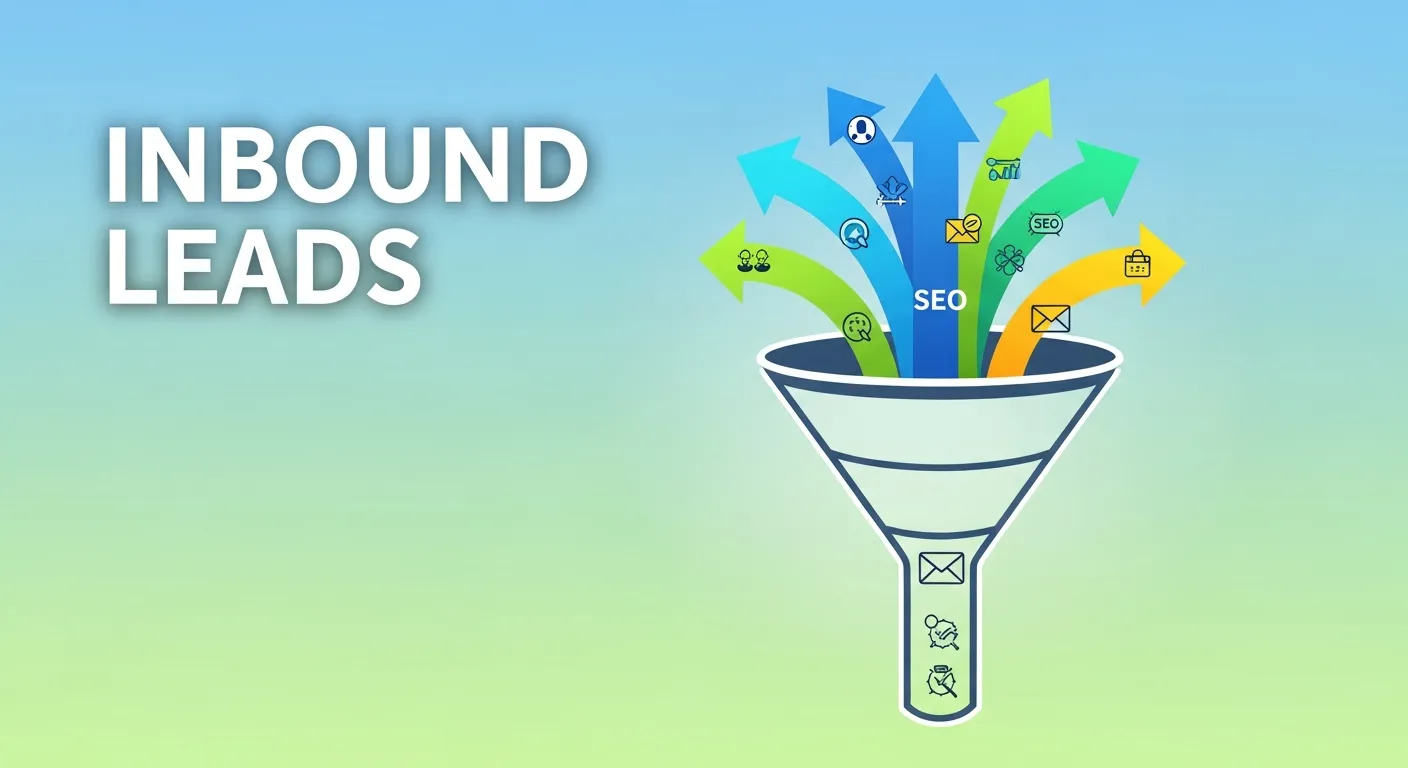
Inbound leads don’t just appear out of nowhere. They trash out your content or find you in some unconventional way, meaning that they have already shown an interest in what you offer. As a result, inbound leads are naturally pre-qualified.
This is another area that can make or break a business. Focusing on inbound sales leads could be the change your business needs for the greater good:
- Cost-effective: Traditional outbound marketing methods (cold calling, advertising) are costly and can add up. But generating inbound leads through SEO, blogs, and social media is not nearly so expensive.
- Builds Brand Authority: Useful content such as how-to blog posts and handy videos will make your brand a respected source of information. Leads come to businesses that appear to be experts in their field.
- Encourages Customer Loyalty: You are not just selling products or services—you are creating relationships with people. If customers feel connected to your business early on, they’re more likely to stay loyal in the long term.
- Expandable Growth: Once you’ve laid down the strong ground for inbound marketing (e.g. methods of effectively producing good answers or building an optimized website), it is possible to scale your actions and continue to attract leads with each more. Work in less and less increment.
How to Attract and Convert Inbound Leads
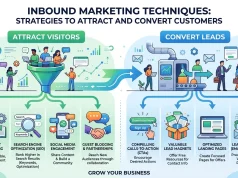
Generating inbound leads is about creating the kinds of valuable resources your ideal customers are already looking for. If you don’t know where to start, don’t worry—we have mapped out six proven steps that can help you achieve.
1. Know Your Audience
When it comes to generating online leads, the very first thing isn’t finding them. You need to know who they are. The first step in creating valuable information for inbound leads is understanding your target market—what they’re trying to accomplish, where their shortfalls are, and how (and why) they behave.
Use tools like Google Analytics, surveys, and social media insights to truly enter the minds of your prospects.
Example: A SaaS company that targets small business owners may learn through this process that they are searching for ways to reduce manual work with tools like automation platforms.
2. Generate High-Value Content
Content is the backbone of inbound-style lead generation. Your audience is looking for answers and insight, so give it to them. Here is a list of some different kinds of content that work well in bringing in leads:
Example: If you are selling various downloadable software products that small business owners use like HR software and payroll processing, a blog post titled ‘5 New Ways to Automate Employee Onboarding’ might resonate strongly with the audience you intend to reach.
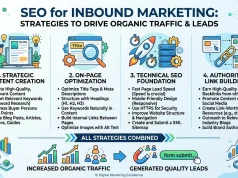
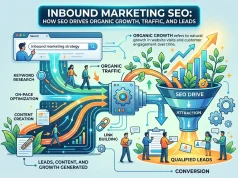
3. Use SEO to Increase Visibility
After making useful content, make sure it can be easily found by your target audience using SEO best practices:
- Include keywords in the titles, headers, and URLs of your blogs.
- Add meta descriptions to improve click-through rates in search results.
- Make pages with fast load speeds and pay attention to other technical aspects of SEO.
By adopting best practices and building a quality network of backlinks, a content-rich blog can drive traffic to your website for years.
4. Lead Magnets
Lead magnets are great tools for capturing email addresses (or other points of contact) from your audience. These often are free resources that your site’s visitors find valuable, like:
- Templates
- Checklists
- Guides
- Free trials or demos
Once someone has downloaded your lead magnet, they have shown an interest in your brand and can be further nurtured with email campaigns.
5. Promote Content Across Channels
Don’t sit there waiting for your audience to stumble upon your resources. Take active steps and get the right content into the right places:
- Consistently post new content on social networking platforms like LinkedIn, Instagram, and others.
- Use email lists to tell current subscribers about new resources.
- Use influencer collaborations or affiliate marketing to spread your content to a wider audience.
Example: If you’re writing an e-book about Instagram marketing, then linking up with a high-visibility social media influencer could greatly expand its reach.
6. Craft Strong Landing Pages
Your content attracts leads, yet it is your landing pages that convert them. Focus on building landing pages that are clean, attractive, and concentrate on one thing alone.
- Create a killer headline that instantly stops the scroll.
- List the benefits people can expect by taking your desired action (e.g., “Download our free guide to save 5 hours a week with smart automation.”)
- Use obvious calls-to-action (CTAs) to let readers know what they should do next.
Typical Obstacles (With Solutions)
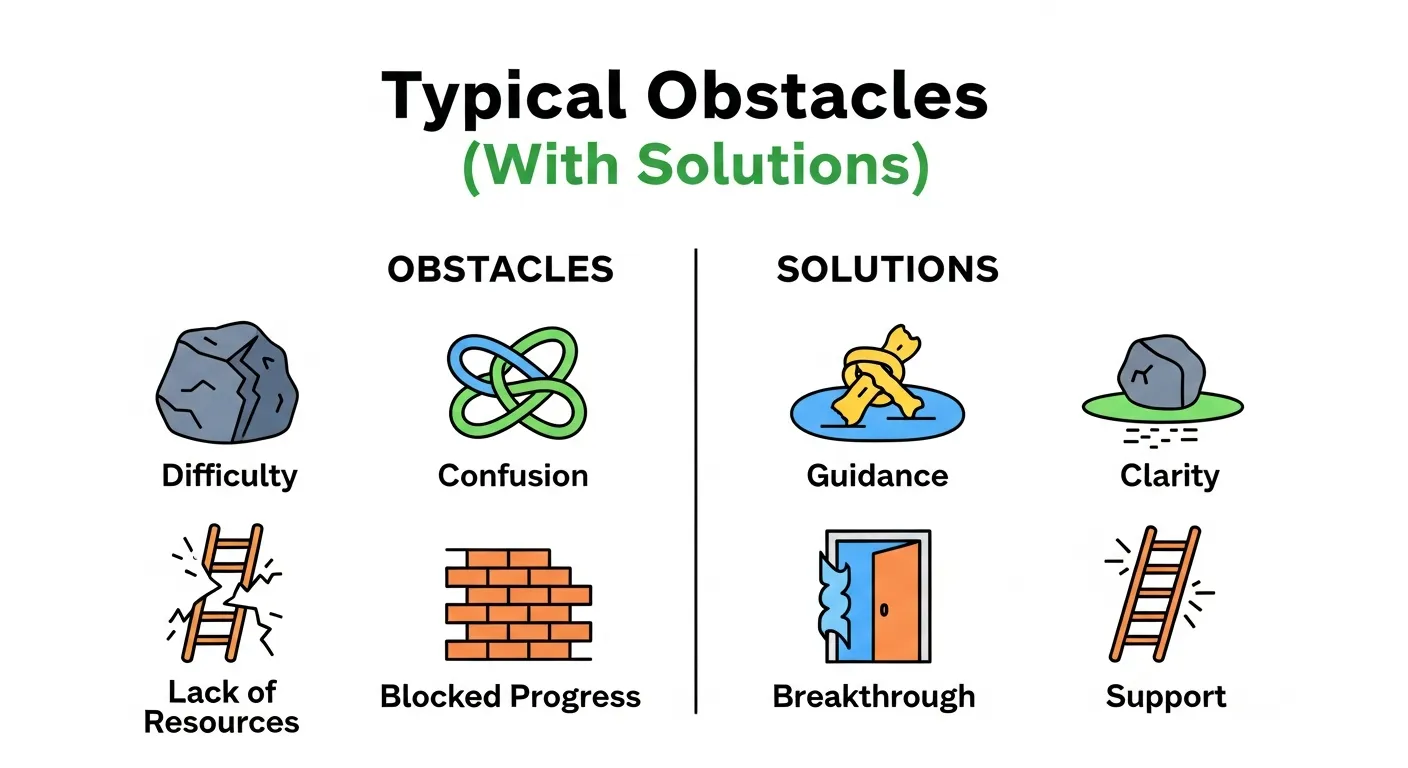
Even the best inbound strategies may run into speed bumps. Look for these things:
- No Traffic: If nobody’s reading your content, maybe it’s time to rethink the SEO or amplify it with paid ads. Social networks like Facebook, Twitter, and Instagram offer ways to promote your posts. This can be a great way to boost readership.
- Poor Conversion Rates: Use metrics like click-through rates and conversion rates to find out where prospects are dropping out, then decide if you need to switch up your resources or landing pages.
An Overhaul of Your Business Thanks to Cleverer Lead Generation
Inbound leads aren’t just the support of modern marketing, but a strategic opportunity that gives you top-quality prospects and builds meaningful connections between your brand and audience.
By giving value first, you establish relationships of trust with customers—which becomes loyal patronage. The future is now at hand to take charge and exploit outwardly what your brand can offer.
Are you struggling when it comes to creating leads, qualified new sales prospects? Visit our home page or sign up for a free trial of [Brand Name] to test out tools that will help make lead generation easier than ever before.
Conclusion
Inbound marketing transforms how businesses attract, engage, and convert customers. By focusing on value, trust, and relevance, brands can generate high-quality leads without relying on aggressive outbound tactics. Inbound leads are more engaged, cost-effective, and likely to convert. When supported by strong content, SEO, and nurturing strategies, inbound marketing becomes a powerful engine for long-term business growth.
Frequently Asked Questions (FAQs)
1. What are inbound leads?
Inbound leads are prospects who discover your business organically through valuable content, search engines, or social media platforms. Instead of being approached through ads or cold outreach, these leads find you because your content answers their questions or solves their problems. This natural discovery process builds trust early and increases the likelihood of meaningful engagement and conversion.
2. How are inbound leads different from outbound leads?
Inbound leads come voluntarily after interacting with your content, while outbound leads are contacted through paid or interruptive methods such as cold calls, ads, or email blasts. Inbound leads are already interested in your offerings, whereas outbound leads often require persuasion just to gain attention, making inbound leads more receptive and easier to convert.
3. Are inbound leads higher quality?
Yes, inbound leads are usually higher quality because they are pre-qualified through their behavior. By reading blogs, downloading resources, or subscribing to emails, they demonstrate genuine interest in your solutions. This self-selection process means inbound leads are often more informed, engaged, and ready to move forward in the buying journey.
4. What content attracts inbound leads?
Blogs, guides, videos, webinars, templates, and downloadable resources perform well for attracting inbound leads. Content that educates, solves problems, or provides actionable insights resonates most with audiences. When content aligns with user intent and addresses real pain points, it naturally draws prospects who are actively seeking solutions.
5. How important is SEO for inbound leads?
SEO is essential for inbound lead generation because it improves visibility and attracts intent-driven traffic. By optimizing content for relevant keywords, search engines can connect your business with users actively searching for solutions. Strong SEO ensures a steady stream of qualified visitors who are more likely to convert into inbound leads.
6. Does inbound marketing take time?
Yes, inbound marketing is a long-term strategy, but it delivers sustainable results. Unlike paid ads that stop working when budgets end, inbound efforts continue generating leads over time. As content gains authority and rankings improve, results compound, making inbound marketing increasingly effective and cost-efficient.
7. What is a lead magnet?
A lead magnet is a free, high-value resource offered in exchange for contact information, such as an email address. Examples include eBooks, checklists, templates, free trials, or guides. Lead magnets help convert website visitors into inbound leads while providing immediate value that builds trust and credibility.
8. How do landing pages help inbound marketing?
Landing pages convert visitors into leads by presenting focused messaging and clear calls-to-action (CTAs). They remove distractions and highlight the benefits of taking a specific action, such as downloading a guide or signing up for a demo. Well-optimized landing pages significantly increase inbound conversion rates.
9. How do you nurture inbound leads?
Inbound leads are nurtured through email campaigns, content personalization, and marketing automation. By delivering relevant content based on user behavior and interests, businesses build relationships over time. Effective nurturing educates prospects, addresses objections, and gradually guides them toward conversion without aggressive selling.
10. Can small businesses use inbound marketing?
Yes, inbound marketing is highly cost-effective for small businesses. It allows companies with limited budgets to compete by focusing on content, SEO, and organic growth instead of expensive ads. Over time, inbound strategies deliver consistent leads without continuously increasing spending.
11. How do you measure inbound success?
Inbound success is measured by tracking metrics such as website traffic, conversion rates, lead quality, engagement, and ROI. Tools like Google Analytics, CRMs, and marketing automation platforms provide insights into what’s working and where improvements are needed. Data-driven analysis ensures continuous optimization.
12. Is inbound marketing scalable?
Yes, inbound marketing is highly scalable. As content libraries grow and automation improves, lead generation becomes more predictable and efficient. Unlike outbound methods, inbound marketing compounds over time, allowing businesses to attract more leads without proportionally increasing effort or cost.