Inbound marketing attracts customers by delivering valuable, relevant content instead of interruptive advertising. Through SEO, content creation, lead nurturing, personalization, and analytics, businesses build trust and generate sustainable growth. By aligning marketing with customer needs, inbound strategies create stronger relationships, higher-quality leads, and long-term brand authority.
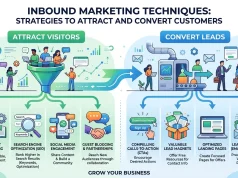
Traditional marketing often feels like shouting into a crowd, hoping someone listens. Billboards, cold calls, and interruptive ads are all forms of “outbound” marketing—pushing a message onto a broad audience. Inbound marketing flips this script. Instead of pushing your message out, you pull potential customers in by creating valuable content and experiences they actively seek.
This approach focuses on building trust and establishing your brand as a helpful authority in your industry. When people have questions or problems, they find you. It’s a more organic, customer-centric way to grow a business, turning strangers into loyal advocates. By providing genuine value, you attract qualified prospects who are already interested in what you have to offer, making the sales process smoother and more effective.
10 Inbound Marketing Tactics for Sustainable Growth
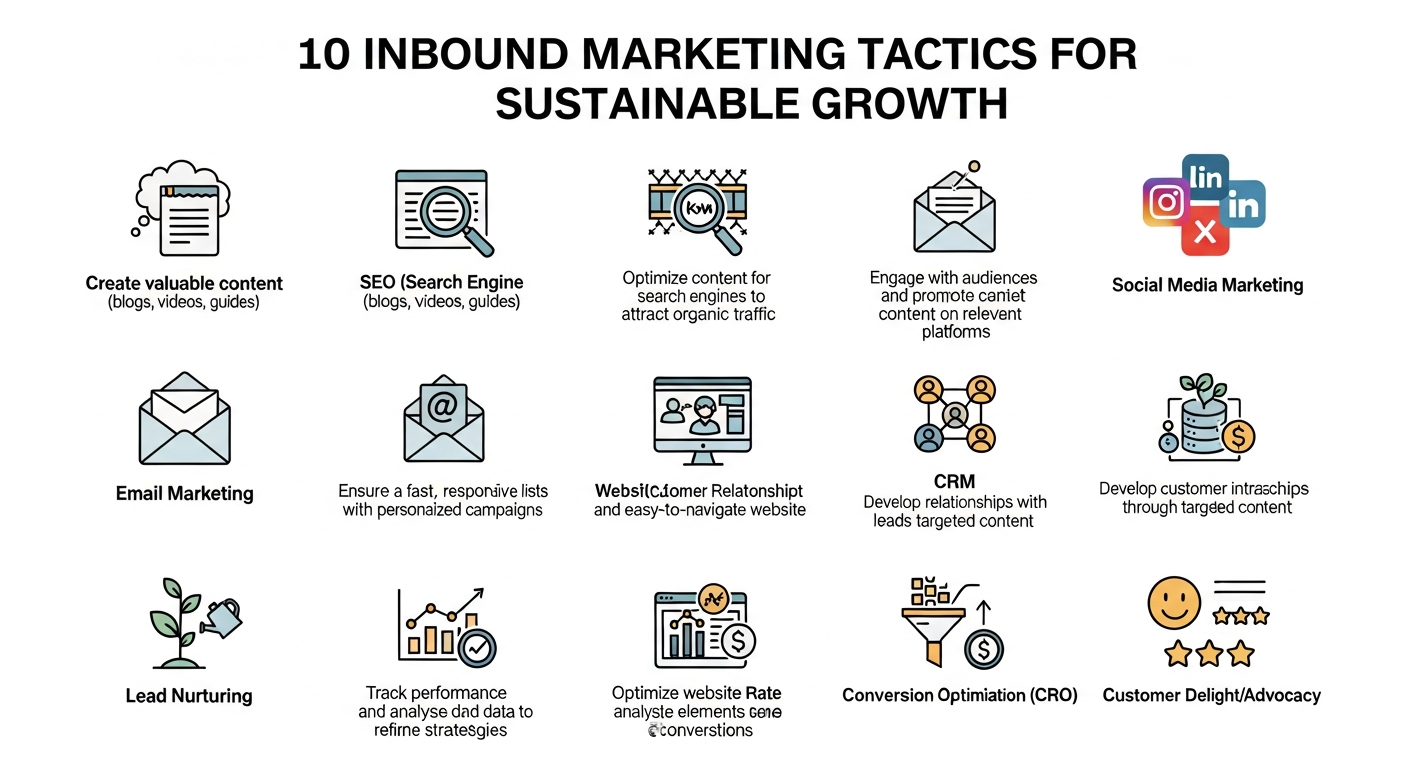
1. Create High-Value Blog Content
Blogging is the cornerstone of inbound marketing. A well-maintained blog serves as a direct channel to your audience, allowing you to answer their questions, address their pain points, and share your expertise. It’s not about selling; it’s about helping. For a comprehensive look at all the elements that make inbound marketing work, see our Ultimate Guide to Inbound Marketing Resources.
How to get started:
- Identify Your Audience’s Problems: Use tools like AnswerThePublic, Google Trends, or simply talk to your customer service team to find out what questions your potential customers are asking.
- Target Relevant Keywords: Conduct keyword research to find terms your audience is searching for. Focus on long-tail keywords (phrases of three or more words) as they often indicate a user is closer to making a decision.
- Provide Actionable Solutions: Your content should be more than just informational; it should be useful. Offer step-by-step guides, checklists, and practical advice that readers can implement immediately.
2. Leverage Search Engine Optimization (SEO)
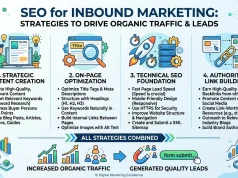
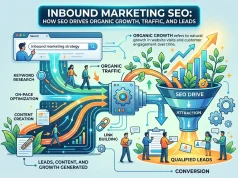
Creating great content is only half the battle. If no one can find it, it won’t generate leads. SEO is the process of optimizing your website and content to rank higher in search engine results pages (SERPs) for relevant keywords.
Key areas of SEO to focus on:
- On-Page SEO: This involves optimizing individual web pages. Key elements include using your target keyword in the title tag, meta description, headings (H1, H2), and throughout the body of the text. Image alt text and internal linking are also crucial.
- Technical SEO: This ensures that search engines can crawl and index your site without any issues. Focus on site speed, mobile-friendliness, a clear site structure, and a secure connection (HTTPS).
- Off-Page SEO: This refers to actions taken outside of your own website to impact your rankings. The most important factor is building high-quality backlinks from other reputable websites, which signals to search engines that your content is trustworthy and authoritative.
3. Develop Pillar Pages and Topic Clusters
To establish authority on a particular subject, you need to show search engines that you have comprehensive knowledge. The pillar page and topic cluster model is an effective way to organize your content and improve your SEO.
- Pillar Page: A comprehensive resource that covers a broad topic in depth (e.g., “A Complete Guide to Digital Marketing”).
- Topic Clusters: A series of more specific blog posts that link back to the pillar page, covering subtopics in greater detail (e.g., “How to Create a Social Media Calendar,” “Beginner’s Guide to SEO”).
This structure signals to Google that your pillar page is an authority on the topic, helping it—and all the connected cluster content—rank higher.
4. Create and Distribute Lead Magnets
A lead magnet is a free resource you offer in exchange for a potential customer’s contact information, such as an email address. This is a crucial step in converting a visitor into a lead.
Popular types of lead magnets:
- Ebooks and whitepapers
- Checklists and templates
- Webinars and video courses
- Free trials or demos
- Case studies
Your lead magnet should offer significant value and be directly related to the content the visitor was consuming. For example, a blog post on “10 Ways to Improve Your Website’s SEO” could offer a downloadable “On-Page SEO Checklist.”
5. Engage Your Audience on Social Media

Social media is not just for brand announcements. It’s a platform for conversation and community building. Use it to share your valuable content, engage with followers, and listen to what your audience is talking about.
Effective social media strategies:
- Choose the Right Platforms: Don’t try to be everywhere. Focus on the platforms where your target audience spends their time. A B2B company might prioritize LinkedIn, while a fashion brand would likely focus on Instagram and Pinterest.
- Share More Than Just Your Content: Follow the 80/20 rule: 80% of your posts should be helpful, educational, or entertaining content (including curated content from other sources), and only 20% should be promotional.
- Foster Engagement: Ask questions, run polls, and respond to comments and messages promptly. Show the human side of your brand.
6. Nurture Leads with Email Marketing
Once you’ve captured a lead’s email address, the nurturing process begins. Email marketing allows you to build a relationship with your leads over time, providing them with more value and gently guiding them toward a purchase decision.
Create automated email sequences (drip campaigns) that are triggered by a user’s actions:
- Welcome Series: Introduce new subscribers to your brand and highlight your most valuable resources.
- Nurturing Sequences: Send a series of emails related to the topic of the lead magnet they downloaded, offering additional tips and insights.
- Re-engagement Campaigns: Target subscribers who haven’t opened your emails in a while with a special offer or a compelling piece of content to win them back.
7. Host Webinars and Online Events
Webinars are an excellent way to generate high-quality leads and engage with your audience in real-time. They allow you to showcase your expertise on a specific topic, demonstrate your product, and answer questions directly from potential customers. Promote your webinar across all your channels—email, social media, and your website—to maximize attendance.
8. Use Video Marketing to Connect and Educate
Video is one of the most engaging forms of content. It can be used across the entire inbound marketing funnel, from attracting new visitors with educational YouTube videos to delighting customers with personalized thank-you messages.
Types of videos to create:
- How-to Guides and Tutorials: Show your audience how to solve a problem.
- Product Demos: Showcase the features and benefits of your product in action.
- Customer Testimonials: Build trust by letting your happy customers share their stories.
- Behind-the-Scenes Content: Humanize your brand and build a stronger connection with your audience.
9. Optimize for Conversions with Calls-to-Action (CTAs)
Every piece of content you create should have a purpose. A call-to-action (CTA) is a prompt that tells the user what to do next. It’s the bridge between the content a user is consuming and the offer you want them to take.
Best practices for CTAs:
- Use Action-Oriented Language: Start with a verb (e.g., “Download,” “Subscribe,” “Get Started”).
- Make it Visible: Use contrasting colors and clear design to make your CTA button stand out.
- Be Specific: The user should know exactly what will happen when they click the button (e.g., “Download Your Free Ebook” is better than “Click Here”).
10. Delight Customers to Create Brand Advocates
Inbound marketing doesn’t stop once a lead becomes a customer. The final stage is to delight your customers so they become promoters of your brand. A happy customer can be your most effective marketing asset.
Ways to delight your customers:
- Provide Excellent Customer Support: Be responsive, helpful, and empathetic.
- Offer Exclusive Content: Create resources specifically for your customers, such as advanced tutorials or access to a private community.
Ask for Feedback: Show that you value their opinion by sending surveys and acting on their suggestions.
Buyer Persona Development
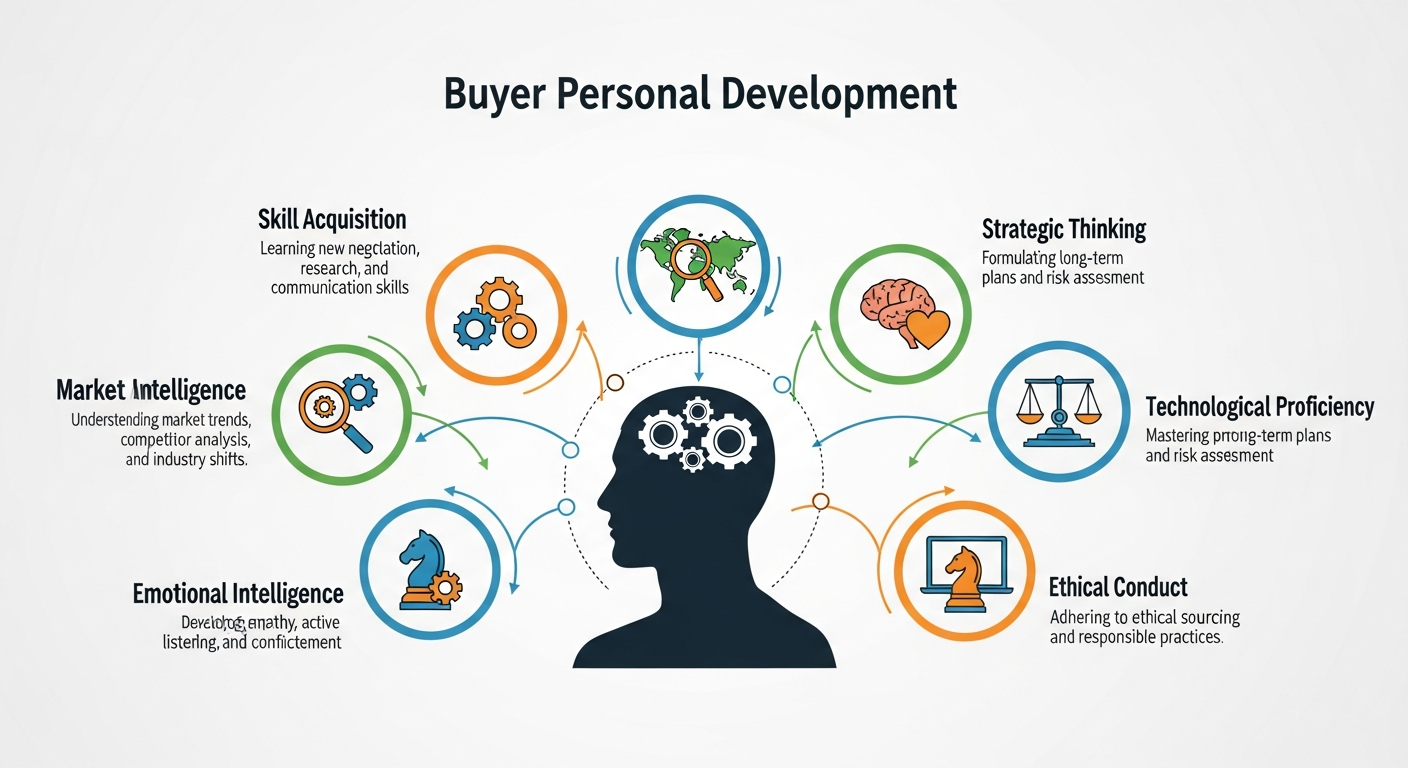
Successful inbound marketing starts with a deep understanding of your audience. Buyer personas are semi-fictional profiles representing your ideal customers, built using real data and research. These personas include demographics, job roles, goals, challenges, motivations, and purchasing behavior. By developing accurate buyer personas, businesses can tailor content that speaks directly to real needs instead of assumptions. This ensures blog topics, offers, email messaging, and CTAs resonate more strongly. Without personas, inbound efforts risk becoming generic and ineffective. Well-defined personas help marketers anticipate objections, personalize messaging, and guide prospects smoothly through the buyer’s journey. Over time, persona-driven strategies increase engagement, trust, and conversion quality.
Content Personalization at Scale
Personalization transforms inbound marketing from generic communication into meaningful interaction. By using behavioral data, segmentation, and automation tools, businesses can deliver tailored content experiences to different audience segments. Personalization may include dynamic website content, targeted email campaigns, personalized CTAs, or recommended resources based on user behavior. Rather than overwhelming visitors with irrelevant messaging, personalization ensures they see content aligned with their interests and stage in the buyer’s journey. This approach improves engagement rates, reduces bounce rates, and increases conversion likelihood. As expectations for relevance continue to rise, personalization has become a competitive advantage for brands focused on long-term inbound success.
Marketing Automation for Inbound Efficiency
Marketing automation allows inbound strategies to scale without losing quality. Automation tools help manage email nurturing, lead scoring, segmentation, CRM integration, and workflow triggers. For example, when a visitor downloads a guide, automation can instantly deliver follow-up content aligned with their interest. This ensures timely, consistent communication while reducing manual effort. Automation does not replace human strategy—it enhances execution. When used correctly, it improves lead nurturing, shortens sales cycles, and provides valuable performance insights. Businesses that combine automation with strong content and strategy gain efficiency while maintaining a personalized, customer-first approach.
Content Performance Tracking and Analytics
Inbound marketing thrives on continuous improvement, and analytics make that possible. Tracking performance metrics such as organic traffic, engagement rates, conversion rates, time on page, and lead quality helps marketers understand what works and what doesn’t. Analytics reveal which topics resonate most, which channels drive qualified leads, and where users drop off. This data-driven approach allows businesses to refine content, improve targeting, and allocate resources more effectively. Rather than guessing, teams can make informed decisions backed by measurable outcomes. Over time, consistent analysis leads to higher ROI, stronger alignment with audience needs, and sustainable inbound growth.
Aligning Sales and Marketing (Smarketing)
Inbound marketing is most effective when sales and marketing operate as a unified team. Alignment ensures both departments share goals, definitions of qualified leads, and performance metrics. Marketing focuses on attracting and nurturing leads, while sales provide feedback on lead quality and customer objections. This collaboration improves messaging accuracy and conversion rates. When sales teams trust inbound-generated leads, follow-up becomes faster and more effective. Regular communication, shared dashboards, and integrated CRM systems strengthen this relationship. Businesses with strong sales-marketing alignment consistently outperform competitors in lead conversion and customer retention.
Build Relationships, Not Just a Customer Base
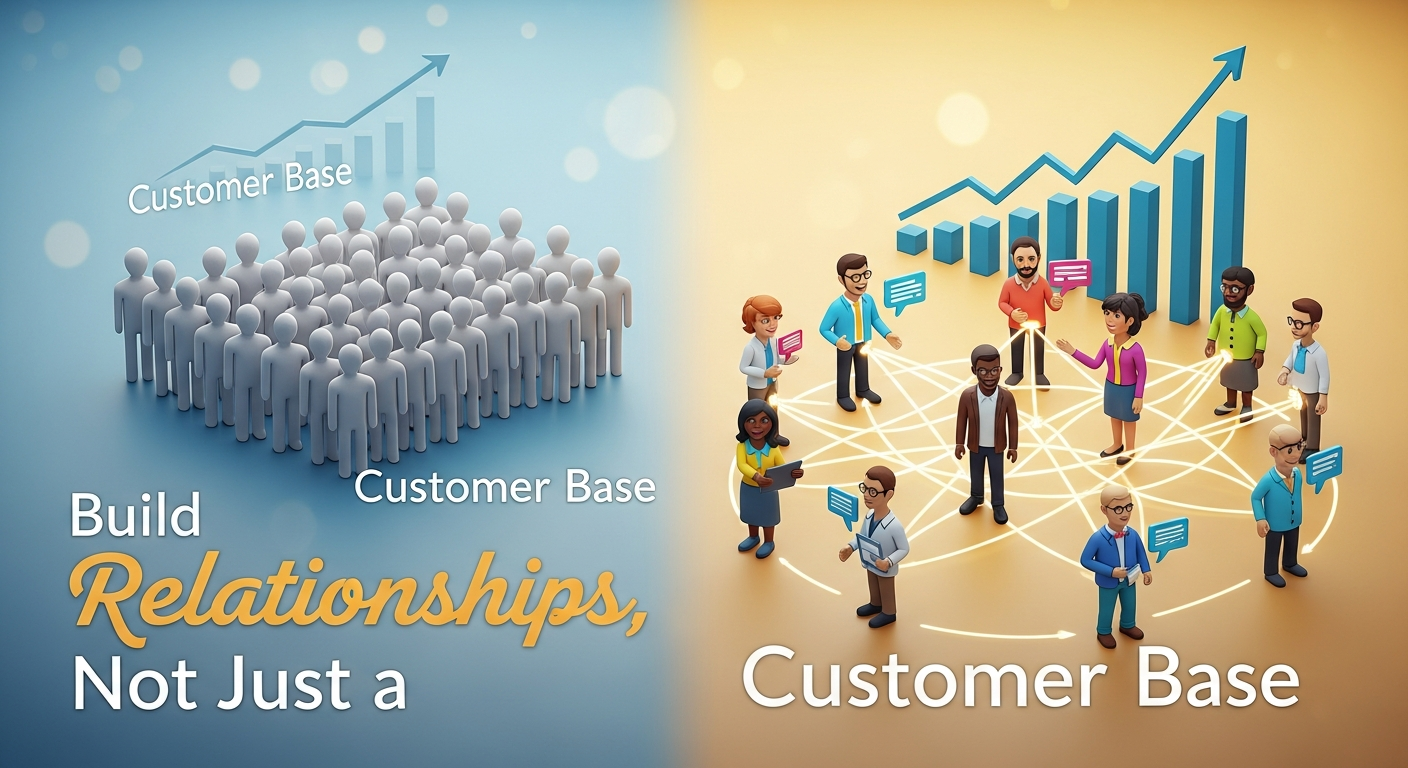
Inbound marketing is a long-term strategy that requires patience and consistency. It’s about building genuine relationships with your audience by providing consistent value. By shifting your focus from interrupting to attracting, you can create a sustainable engine for growth that brings qualified, enthusiastic customers directly to your door.
Start by choosing one or two tactics from this list that align with your business goals and resources. Master them, measure your results, and then gradually expand your efforts. The journey to becoming a trusted resource in your industry begins with that first helpful blog post, that first engaging video, or that first answered question.
Conclusion
Inbound marketing shifts the focus from selling to serving. By attracting audiences with relevant content, nurturing relationships, and delivering value at every stage, businesses create trust-driven growth. When combined with strategy, analytics, and collaboration, inbound marketing becomes a powerful engine for sustainable success and long-term customer loyalty.
Frequently Asked Questions (FAQ)
1. What makes inbound marketing different from outbound marketing?
Inbound attracts customers through value, while outbound interrupts audiences with ads.
2. Is inbound marketing suitable for small businesses?
Yes, inbound is cost-effective and scalable for businesses of all sizes.
3. How long does inbound marketing take to show results?
Typically 3–6 months, with stronger results over time.
4. Does inbound marketing require SEO?
Yes, SEO is a core component of inbound success.
5. Can inbound marketing work without paid ads?
Yes, though paid ads can support faster visibility.
6. What content types work best for inbound marketing?
Blogs, videos, ebooks, webinars, and email content perform well.
7. Is inbound marketing only digital?
Primarily digital, but principles can apply offline too.
8. How do I measure inbound marketing success?
Track traffic, leads, conversions, and customer retention.
9. Can inbound marketing support sales teams?
Yes, by nurturing and qualifying leads before sales contact.
10. Is inbound marketing a long-term strategy?
Yes, it builds sustainable growth over time.
11. Does inbound marketing improve brand trust?
Absolutely—value-driven content builds credibility and authority.