Email marketing plays a vital role in inbound marketing by nurturing leads, building trust, and maintaining long-term relationships. Through personalization, automation, and data-driven optimization, email supports every stage of the customer journey. When integrated with other inbound channels, it delivers consistent value and drives sustainable business growth.
Email marketing is not just about sending newsletters or marketing products. It is also a critical component of the bigger inbound puzzle that attracts, engages, and delights customers. Nancy’s ability to nurture leads, deliver customized user experiences, and drive measurable results makes it a must-have for any business wanting to build meaningful customer relationships.
What is an Inbound Strategy, and How Does Email Marketing Fit In?
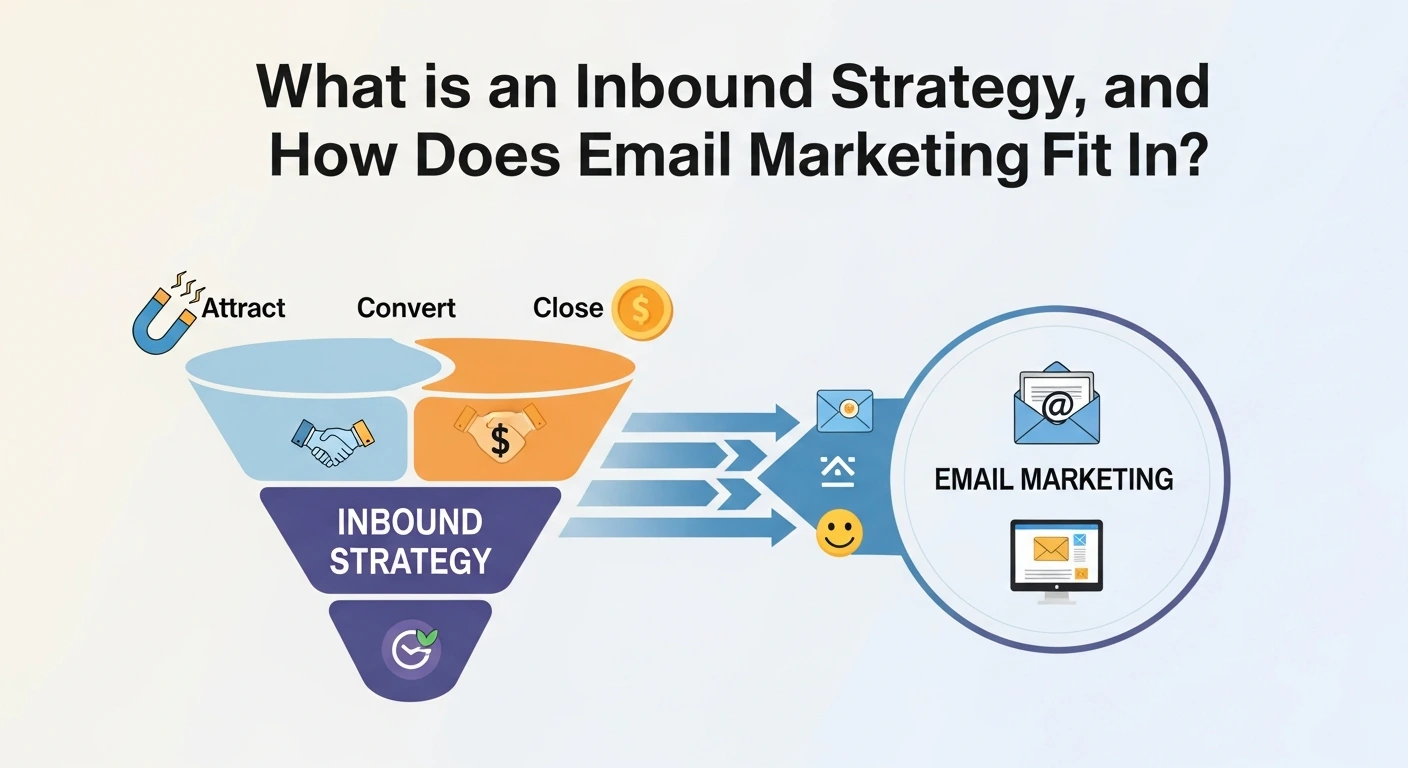
An inbound strategy is all about churning out content and providing excellent user experiences to customers who could potentially buy your products. Rather than putting ads in front of people, inbound marketing brings individuals closer with relevant, useful resources.
The heart of inbound is building trust and maintaining long-term relationships. Here’s where email marketing comes into play: Through targeted, timely campaigns of personalized emails, you can deliver content that is relevant at every step in the purchase process—from discovery to transaction and even afterward. Read more about How Email Marketing Can Fuel Your Overall Inbound Strategy.
5 Reasons Why Email Marketing in General Strategy Cannot Go Unnoticed
1. It Establishes Connections
People who get email from you are a lot more likely to see that you’re a legitimate, real person behind the message. Unlike Facebook or Twitter—where your words are just one of many in a river—they have complete ownership over this personal connection.
Using segmentation and personalization, you can deliver messages tailored to what your recipient wants. This forges a stronger bond.
Example: Sending welcome emails to new subscribers or suggesting similar products based on what they bought last time is an opportunity to make your customer feel seen and understood.
2. Nurtures Leads All Along the Buying Process
Email campaigns are a powerful tool for lead nurturing. With content adapted to fit customers’ stage in the sales funnel, you can help guide potential consumers from curious browsers into committed buyers.
- Awareness Stage: Inspire interest with an informative blog post, an in-depth how-to guide, or industry insights.
- Consideration Stage: Offer case studies, product comparisons, or demos.
- Decision Stage: Use limited-time offers, testimonials, or return guarantees to convert leads.
3. Drives Traffic to Your Website
Email marketing supports an inbound strategy by driving website traffic. Emails with clear and strong calls to action (CTAs) can guide readers to landing pages, blogs, or product pages.
Examples of CTAs:
- “Find out More About Our Services”
- “Get the Free Guide”
- “Shop the Collection Now”
Content marketing together with email can turbocharge engagement. For example, a blog about influencer marketing might pick up substantial traffic once sent out via email.
4. Deepens Customer Engagement
One of the goals of inbound marketing is to continue delighting customers even after they’ve made their purchase. Engaging email campaigns help maintain your brand in customers’ minds and build loyalty.
Examples:
- Send individually tailored birthday presents or anniversary tokens.
- Provide insider previews of upcoming products.
- Conduct surveys to gather feedback and show customers you value their opinions.
5. Provides Measurable Insights
A successful inbound strategy thrives on data-driven decision-making, and email marketing is rich in data. With indicators like open rate, click-through rate, and conversion rate, you gain insights into what resonates with your audience.
Use these insights to fine-tune your strategy:
- If a subject line increases opens, use it more.
If certain content leads to more sales, replicate its theme in future emails.
The Role of Email in Content Distribution
Creating high-quality content is only half the inbound battle—distribution matters just as much. Email marketing plays a crucial role in content distribution by ensuring your blogs, guides, videos, and case studies reach the right audience. Sending content via email increases visibility and encourages repeat website visits. Unlike social media algorithms, email gives you full control over reach. Strategic email content distribution helps maximize the value of your inbound assets while keeping subscribers informed and engaged. Over time, this reinforces your brand as a reliable source of knowledge.
Steps to Integrating Email Marketing into Your Strategy
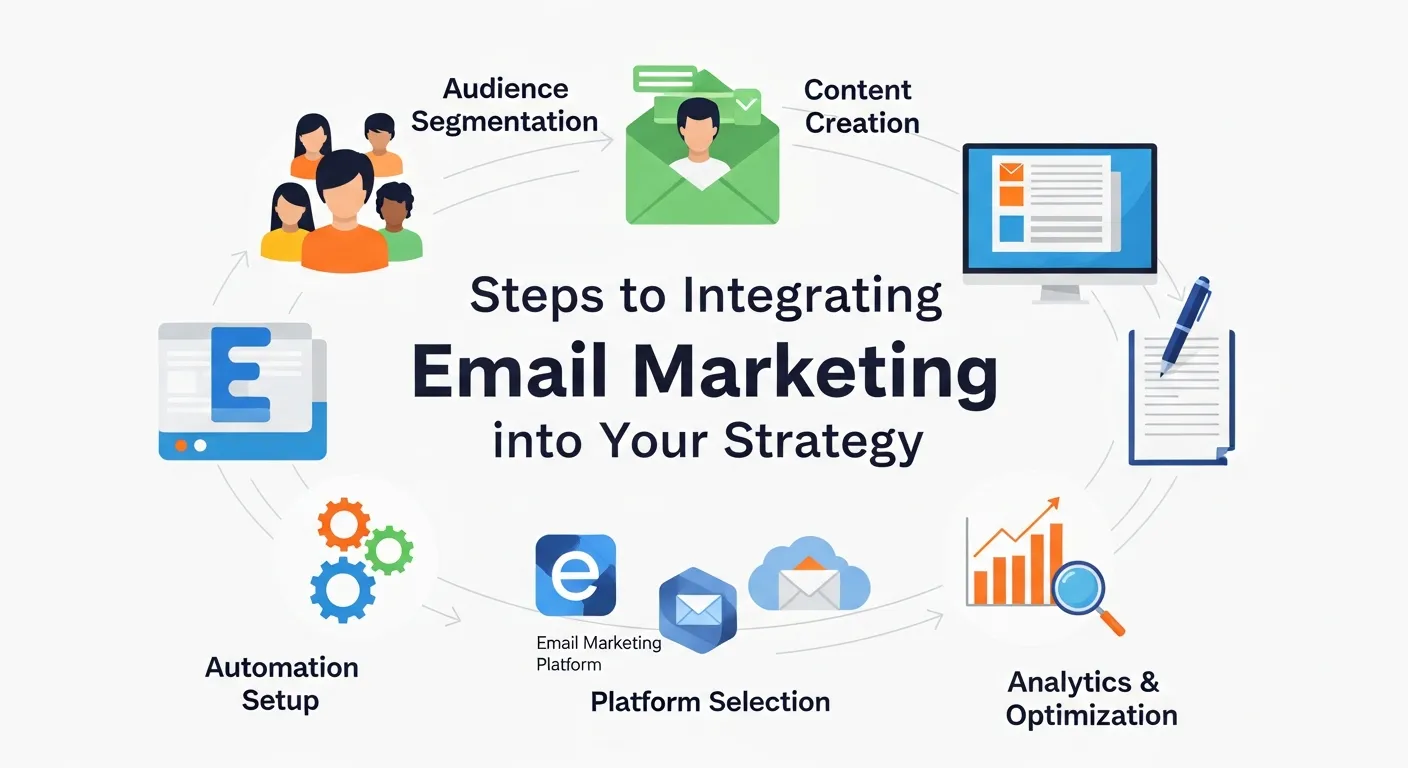
Step 1: Define Your Goals and Audience
Set clear goals—whether it’s growing your list, boosting webinar registrations, or increasing ebook downloads. Know your audience’s interests, challenges, and preferred content types.
Step 2: Segmentation is Essential Resource for Your Email List
Segmenting allows tailored messages for different audience groups. Consider:
- Age group (e.g., Gen X, Millennials)
- Purchase history
- Engagement levels (e.g., open rate, time spent on site)
Offer different promotions to returning customers vs. new subscribers.
Step 3: Produce Valued Content
Deliver valuable content through your emails—educational resources, inspiration, and more. This strengthens your inbound approach by ensuring your emails serve multiple purposes.
Step 4: Automate What You Can
Use tools like MailChimp, HubSpot, or Active Campaign to:
- Send automatic responses to purchases or abandoned carts
- Launch educational drip campaigns
- Personalize mass emails effectively
Step 5: Monitor and Tweak as Necessary
Test different elements regularly to optimize performance:
- Subject lines
- CTA buttons
- Email layout
This ensures your strategy continuously evolves based on real performance data.
How Is Email and Influencer Marketing Merged?
Email marketing works better when integrated with other strategies like influencer marketing.
Examples:
- Share exclusive influencer content (e.g., Q&A videos).
- Add CTAs to influencer-hosted webinars or live events.
- Use influencer testimonials in email campaigns for instant credibility.
This multi-channel synergy helps capture customer attention more effectively.
Using Email to Support Customer Retention
Inbound marketing does not stop after conversion. Email marketing plays a vital role in retaining customers and encouraging repeat engagement. Post-purchase emails, onboarding sequences, and loyalty programs help customers get more value from their purchases. These emails show that your brand cares beyond the sale. Retention-focused email campaigns reduce churn and increase customer lifetime value. By continuing to educate and support customers, email marketing strengthens long-term relationships that inbound marketing aims to build.
Email Analytics and Data-Driven Optimization
Inbound marketing thrives on data, and email provides measurable insights. Metrics like open rates, click-through rates, and conversions reveal what content resonates most. This data helps marketers optimize subject lines, messaging, and CTAs. Email analytics also highlight audience behavior, enabling smarter segmentation and personalization. Continuous testing and optimization ensure your inbound strategy evolves with audience preferences. Email marketing’s measurability makes it one of the most valuable tools for refining inbound performance.
Integrating Email with Other Inbound Channels
Email marketing works best when integrated with other inbound channels such as blogs, SEO, social media, and influencer marketing. Emails can promote blog posts, share influencer collaborations, or drive traffic to webinars and landing pages. This multi-channel approach creates a cohesive user experience. Email acts as the connector that ties inbound efforts together, reinforcing messaging across platforms. Integration ensures consistent branding and maximizes the impact of your inbound strategy.
Avoiding Common Email Marketing Mistakes
Even strong inbound strategies can fail due to poor email practices. Sending irrelevant content, over-emailing, or ignoring segmentation can hurt engagement. Inbound email marketing should prioritize value over volume. Another common mistake is focusing only on promotions instead of education. Avoiding these errors helps maintain trust and long-term engagement. A thoughtful, audience-first approach ensures email marketing supports inbound goals instead of damaging them.
The Future of Email in Inbound Marketing
Email marketing continues to evolve alongside inbound marketing. AI-driven personalization, predictive analytics, and interactive emails are shaping the future. Despite new channels, email remains one of the most reliable inbound tools due to its direct, permission-based nature. Brands that adapt to changing user expectations while maintaining value-driven communication will continue to succeed. Email’s ability to build relationships ensures its long-term relevance in inbound marketing strategies.
Final Thoughts: Boost Your Marketing Direction with Email
Email marketing forms a vital part of an inbound strategy. It builds trust, nurtures leads, and maintains long-term customer relationships.
Follow these steps to integrate email smoothly into your inbound approach—and watch your results soar.
Conclusion
Email marketing is a cornerstone of inbound strategy because it builds trust, nurtures leads, and supports long-term customer relationships. When combined with personalization, automation, and data-driven optimization, email becomes a powerful inbound engine. Businesses that focus on value-driven communication rather than aggressive promotion will see sustainable growth. Integrating email into your inbound strategy is not optional—it is essential for meaningful engagement and measurable success.
Frequently Asked Questions (FAQs)
What is inbound email marketing?
Inbound email marketing focuses on delivering value-driven, personalized content to subscribers who have willingly opted in. Instead of pushing promotions, it emphasizes education, relevance, and trust-building. The goal is to support prospects and customers throughout their journey by providing helpful information that aligns with their needs, interests, and stage in the buying process.
How does email support inbound marketing?
Email supports inbound marketing by nurturing leads over time, building trust through consistent communication, and maintaining long-term relationships. It allows brands to stay connected with their audience after initial attraction through blogs, SEO, or social media, ensuring continued engagement and gradual conversion.
Is email marketing still effective today?
Yes, email marketing remains one of the highest ROI digital marketing channels. Despite the rise of new platforms, email continues to deliver strong engagement because it is permission-based, direct, and highly measurable. When used strategically within inbound marketing, it consistently drives traffic, leads, and conversions.
How often should inbound emails be sent?
Consistency matters more than frequency in inbound email marketing. Rather than sending emails too often, brands should focus on delivering valuable and relevant content. The ideal timing depends on audience preferences, engagement levels, and campaign goals, ensuring emails feel helpful—not overwhelming.
What type of content works best in inbound emails?
Educational, personalized, and solution-oriented content works best in inbound emails. This includes blog insights, how-to guides, case studies, product tips, and industry updates. Content should address audience pain points and provide genuine value rather than focusing solely on promotions.
Can email automation support inbound goals?
Yes, email automation plays a critical role in supporting inbound goals. Automated workflows ensure timely communication based on user behavior, such as welcome sequences, lead nurturing campaigns, and follow-ups. Automation helps scale inbound efforts while maintaining personalization and relevance.
How does personalization improve email results?
Personalization improves email results by making content more relevant to each subscriber. Personalized subject lines, recommendations, and messaging increase open rates, engagement, and conversions. When recipients feel understood, they are more likely to trust the brand and take action.
Is segmentation necessary for inbound email marketing?
Absolutely. Segmentation ensures the right message reaches the right audience. By grouping subscribers based on behavior, interests, demographics, or engagement level, brands can send targeted emails that align with specific needs, resulting in higher engagement and better inbound performance.
How does email help with customer retention?
Email helps with customer retention by maintaining engagement after the initial purchase. Post-purchase follow-ups, onboarding emails, loyalty rewards, and educational updates strengthen relationships. These emails reinforce value, reduce churn, and increase customer lifetime value.
What metrics matter most in email marketing?
Key email marketing metrics include open rates, click-through rates (CTR), conversions, and overall engagement trends. These insights help marketers understand audience behavior, evaluate campaign performance, and continuously optimize inbound strategies based on real data.
Can email work with influencer marketing?
Yes, email works effectively with influencer marketing. Brands can share influencer-generated content, testimonials, or event invitations through email. This integration adds credibility, reinforces trust, and extends the reach of influencer collaborations within an inbound framework.
What is the biggest inbound email mistake?
The biggest inbound email mistake is sending promotional emails without delivering value. Overly sales-focused messaging can reduce trust and engagement. Inbound email marketing should prioritize education, relevance, and audience needs before promotion.