
This guide breaks down everything you need to know to build campaigns that actually work. You’ll learn how to create a strategy from scratch, which tools deliver the best results, and how real businesses turn content into customers. Whether you run a startup or a small business, these proven methods will help you generate more leads and grow your revenue.
Inbound marketing campaigns attract customers by creating valuable content that draws them to your brand, rather than interrupting them with ads. By combining SEO, helpful content, email nurturing, and social media, businesses can generate more leads and sales while building lasting trust with their audience.
Most people ignore ads. They skip them, block them, and scroll past them without a second thought. So how do successful companies keep winning new customers? The answer lies in inbound marketing campaigns—a smarter approach that pulls people toward your brand instead of pushing messages at them.
What Are Inbound Marketing Campaigns?
Inbound marketing campaigns are coordinated efforts that attract potential customers through useful, relevant content. Instead of buying attention with paid ads, you earn it by solving problems and answering questions your audience already has.
Think about the last time you searched Google for “how to fix a leaky faucet.” The article that helped you probably came from a plumbing company. That’s inbound marketing in action. The business provided value first, and in return, earned your trust—and maybe your future business.
The core idea is simple: meet people where they are, with what they need. When you consistently show up with helpful information, prospects come to see you as a trusted resource. By the time they’re ready to buy, your brand is the first one they think of.
Inbound Marketing vs Outbound Marketing: What’s the Difference?

Understanding the difference between these two approaches helps you decide where to spend your time and budget. Both have their place, but they work in very different ways.
|
Feature |
Inbound Marketing |
Outbound Marketing |
|---|---|---|
|
Approach |
Attracts customers with content |
Interrupts with ads and pitches |
|
Cost |
Lower long-term cost |
Higher ongoing cost |
|
Examples |
Blogs, SEO, social media |
TV ads, cold calls, billboards |
|
Audience |
People actively searching |
Broad, often uninterested |
|
Trust |
Builds trust over time |
Can feel pushy |
|
Results |
Compounds over time |
Stops when spending stops |
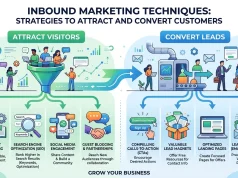
Outbound marketing pushes your message to a wide audience, hoping some of them respond. Think cold calls, direct mail, and pop-up ads. It can deliver quick results, but it’s expensive and often annoys people.
The pull-based method works differently. It draws interested people to you through valuable content they actually want. This builds a stronger relationship and tends to cost less over time. Choose this strategy if you want sustainable growth and a loyal audience. Pick outbound if you need fast, short-term visibility and have the budget to support it.
For most growing businesses, a blend works best—but the foundation should always be content that earns attention naturally.
How to Create an Inbound Marketing Strategy
A great campaign starts with a clear plan. Skipping the strategy phase is the fastest way to waste time and money. Here’s how to build a solid foundation step by step.
Step 1: Define Your Buyer Personas
Before you create anything, you need to know who you’re talking to. A buyer persona is a detailed profile of your ideal customer. It includes their goals, challenges, job role, and the questions they ask.
Spend time researching your audience. Interview existing customers, study your competitors, and dig into analytics. The better you understand your audience, the easier it becomes to create content they care about.
Step 2: Map the Buyer’s Journey
Every customer moves through three stages: awareness, consideration, and decision. Your content should support each stage.
- Awareness: The person realizes they have a problem. Create blog posts and guides that explain the issue.
- Consideration: They start comparing solutions. Offer case studies, webinars, and comparison content.
- Decision: They’re ready to buy. Provide free trials, demos, and customer testimonials.
Step 3: Set Clear Goals
Decide what success looks like. Do you want more website traffic, more email subscribers, or more sales? Set specific, measurable goals so you can track your progress and adjust as needed.
Step 4: Create and Distribute Content
Content is the engine that powers everything. Write blog posts, record videos, design infographics, and publish guides. Then share them across the channels where your audience spends time, such as Google search, LinkedIn, and email.
Step 5: Measure and Improve
The work doesn’t stop once you hit publish. Track key metrics like traffic, conversion rates, and lead quality. Use what you learn to refine your approach and double down on what works.
How Inbound Marketing Generates Leads
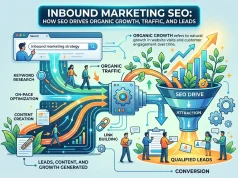
The whole point of this approach is to turn strangers into customers. Here’s how the lead generation process actually works.
It starts with attracting visitors to your website through search engines and social media. Once they arrive, you offer something valuable—an ebook, a checklist, or a free tool—in exchange for their email address. This is called a lead magnet.
Once you have their contact information, you nurture the relationship. You send helpful emails, share relevant content, and gently guide them toward a purchase. By the time you make an offer, they already trust you. This trust is what converts leads into paying customers, and it’s exactly why these campaigns deliver such strong returns.
The beauty of this system is that it keeps working. A single blog post can attract leads for years, long after you publish it.
Best Inbound Marketing Tools for Businesses
The right tools make your campaigns faster and more effective. Here are some of the most popular options across key categories.
|
Tool |
Best For |
Why It Helps |
|---|---|---|
|
HubSpot |
All-in-one platform |
Manages content, email, and CRM together |
|
Ahrefs / Semrush |
SEO and keyword research |
Finds what your audience searches for |
|
Mailchimp |
Email marketing |
Automates nurturing and newsletters |
|
Canva |
Visual content |
Creates graphics without a designer |
|
Google Analytics |
Performance tracking |
Shows what’s working and what isn’t |
|
Buffer / Hootsuite |
Social media |
Schedules and manages posts |
You don’t need every tool on day one. Start with the basics—a way to publish content, track performance, and collect emails. As your campaigns grow, add specialized tools to fill the gaps.
If you’re choosing between a single all-in-one platform and several specialized tools, go with the all-in-one option if you value simplicity and a unified dashboard. Pick separate tools if you want best-in-class features for each task and don’t mind connecting them yourself.
Inbound Marketing Examples for Beginners
Sometimes the easiest way to learn is by example. Here are a few approaches that beginners can start using right away.
- The helpful blog post: A bakery writes “10 Beginner-Friendly Cake Recipes” to attract home bakers who might later buy baking supplies.
- The free template: A design agency offers a free social media calendar template in exchange for an email address.
- The how-to video: A fitness brand posts workout tutorials on YouTube, building a loyal following that buys their equipment.
- The email newsletter: A bookshop sends weekly reading recommendations, keeping customers engaged and coming back.
Each example follows the same pattern: give value first, build trust, then earn the sale. You can apply this to almost any business, no matter how small.
Inbound Marketing Tips for Startups
Startups face a unique challenge—limited time, money, and brand recognition. The good news is that this approach is perfect for lean teams. Here are practical tips to get the most from your efforts.
Focus on One Channel First
Don’t try to be everywhere at once. Pick the channel where your audience is most active and master it before expanding. For many startups, this means starting with a blog and SEO.
Solve Real Problems
Create content that answers the exact questions your customers ask. When you genuinely help people, they remember you. This is one of the most effective inbound marketing tips for startups working with tight budgets.
Repurpose Your Content
Turn one blog post into a video, several social media posts, and an email. This stretches your resources and helps you reach more people without creating everything from scratch.
Be Patient and Consistent
Results take time. Publishing one article won’t transform your business overnight. Stay consistent, keep learning, and the momentum will build.
What Makes Inbound Marketing Campaigns Effective?
Not every campaign succeeds. The ones that do share a few common traits. First, they put the audience’s needs ahead of the sales pitch. Second, they stay consistent, publishing valuable content over months and years. Third, they measure results and adapt.
Effective inbound marketing campaigns also connect every piece of content to a clear goal. A blog post leads to a free download, which leads to an email sequence, which leads to a sale. Each step moves the prospect closer to buying. When you align your content with the buyer’s journey, your campaigns become a reliable engine for growth.
Inbound Marketing Guide for Small Businesses: Getting Started

If you run a small business, you might feel overwhelmed by all the options. Keep it simple. Start with a clear understanding of your customers, create a few pieces of genuinely helpful content, and share them where your audience hangs out.
This inbound marketing guide for small businesses comes down to one principle: be useful. You don’t need a huge budget or a big team. You just need to consistently provide value and stay focused on your customers’ needs. Over time, your small efforts compound into a steady stream of leads and sales.
Conclusion: Start Building Your Campaigns Today
The best time to start is now. You don’t need to master every tactic at once—just take the first step. Define your audience, write one helpful piece of content, and put it where people can find it. From there, build momentum one campaign at a time.
Inbound marketing rewards patience and consistency. The businesses that win are the ones that show up, deliver value, and keep improving. Begin today, and you’ll lay the foundation for steady, sustainable growth.
Frequently Asked Questions
What is an inbound marketing campaign?
An inbound marketing campaign is a coordinated effort to attract customers through valuable content like blogs, videos, and guides. Instead of interrupting people with ads, it draws interested prospects to your brand and nurtures them into customers.
How much does inbound marketing cost?
Costs vary widely. You can start with free tools and your own time, or invest in platforms and content creation. Generally, it costs less than outbound advertising over the long term because content keeps generating leads after it’s published.
How long does inbound marketing take to work?
Most businesses see meaningful results within three to six months, though it depends on your industry and consistency. Unlike paid ads, the results compound over time, so your efforts grow more valuable the longer you stick with them.
Is inbound marketing good for small businesses?
Yes. Inbound marketing is ideal for small businesses because it levels the playing field. With helpful content and consistency, even a small team can compete with larger companies without a massive advertising budget.
What’s the difference between inbound and content marketing?
Content marketing is one part of inbound marketing. Inbound is the broader strategy that includes SEO, email, social media, and lead nurturing, while content marketing focuses specifically on creating and sharing valuable content.
What are the key components of an inbound marketing campaign?
A successful inbound marketing campaign typically includes content creation, search engine optimization (SEO), social media promotion, email marketing, lead capture forms, and marketing automation. These components work together to attract visitors, convert them into leads, and nurture them into customers.
How do I measure the success of an inbound marketing campaign?
You can measure success through key performance indicators (KPIs) such as website traffic, lead generation, conversion rates, email engagement, search rankings, and revenue growth. Tracking these metrics helps determine whether your campaign is achieving its goals.
Which industries benefit most from inbound marketing?
Almost every industry can benefit from inbound marketing, including technology, healthcare, education, finance, e-commerce, and professional services. Any business that relies on building trust and educating customers can use inbound marketing effectively.
What types of content work best for inbound marketing?
High-quality blog posts, videos, ebooks, case studies, webinars, infographics, and how-to guides tend to perform well. The best content addresses your audience’s questions, challenges, and interests while providing actionable solutions.
Can inbound marketing increase sales?
Yes. Inbound marketing attracts qualified prospects who are already interested in your products or services. By providing valuable information and nurturing leads throughout the buyer’s journey, businesses can improve conversion rates and generate more sales over time.