
Non-profit inbound marketing enables organizations to attract, engage, and retain supporters without large budgets. By combining storytelling, targeted digital channels, and mission-driven metrics, non-profits can create meaningful, measurable impact. Focus on authenticity, consistent engagement, and scalable strategies to build lasting relationships that fuel your mission.
Non-profit inbound marketing can feel overwhelming at first, especially for organizations operating with limited budgets and small teams. Many non-profits wonder how to balance mission-driven storytelling, digital engagement, and measurable results without overextending resources. These frequently asked questions address common concerns, practical strategies, and best practices to help organizations of all sizes implement effective inbound marketing that attracts donors, engages volunteers, mobilizes advocates, and strengthens long-term relationships. Understanding these key points can help you design a focused, sustainable, and high-impact non-profit inbound marketing program.
Understanding the Non-Profit Audience Landscape
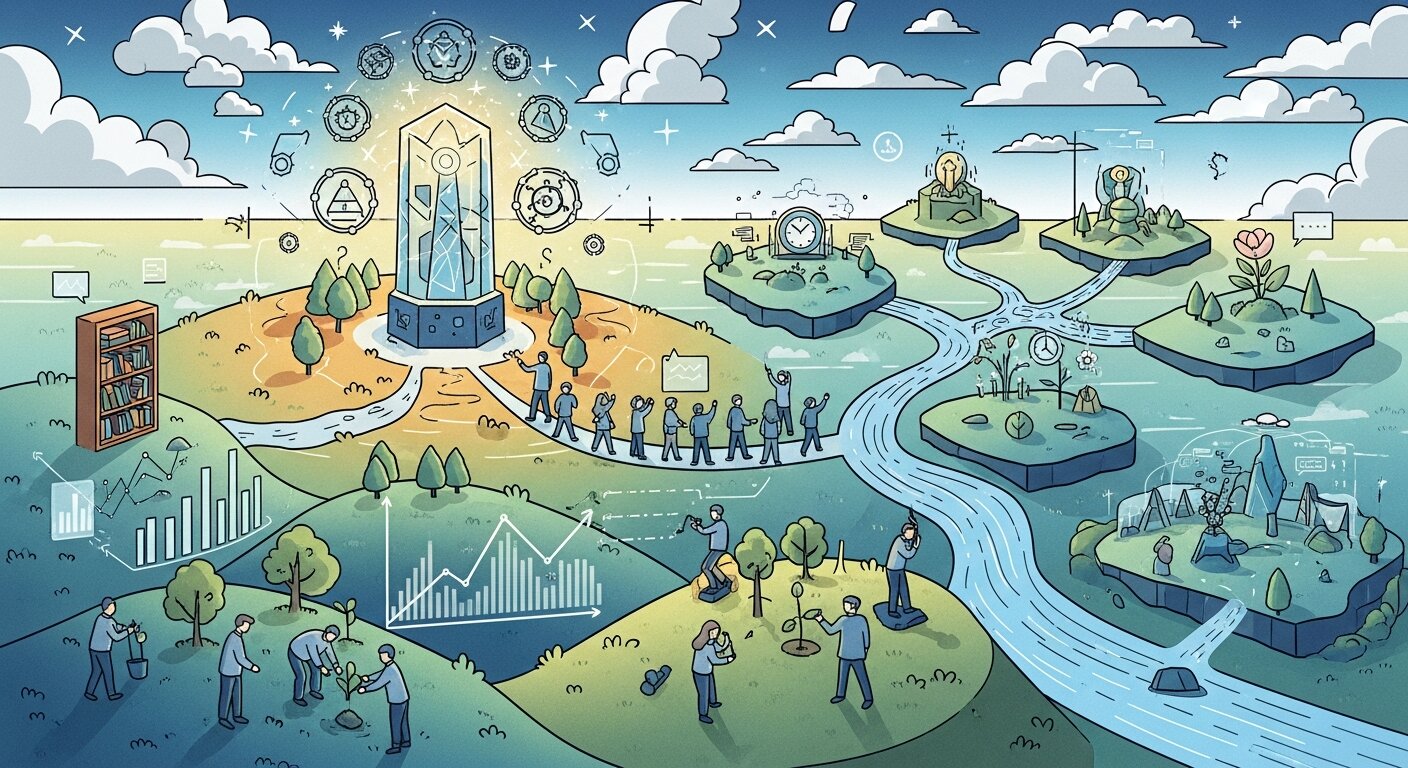
Non-profit audiences typically include multiple segments: potential donors, volunteers, advocates, and beneficiaries. Each group requires tailored communication for engagement. Effective non-profit inbound marketing begins by understanding these audiences and crafting messages that resonate with each segment.
Donors seek transparency and stories that demonstrate measurable impact. Volunteers want meaningful ways to contribute their skills and time, while advocates need compelling narratives they can share within their networks. Beneficiaries require clear, accessible information about the services available to them. Non-profit inbound marketing strategies succeed when they address all these diverse needs while maintaining a cohesive and authentic brand voice.
Building Your Foundation: Content That Connects
Stories are at the heart of successful non-profit inbound marketing. Your organization exists to address a specific need, and sharing that narrative attracts supporters who align with your mission. Personal testimonials, in particular, create strong emotional connections.
For example, consider Maria, whose life changed dramatically through your literacy program. Sharing her story authentically through blog posts, social media, or newsletters resonates far more than simply presenting statistics. Video content often amplifies these stories even further. Even simple smartphone footage, when genuine, can outperform highly polished marketing campaigns from larger organizations. According to Stanford Social Innovation Review, organizations using story-centered content see donor engagement increase by up to 55%. Incorporating storytelling is a core principle of non-profit inbound marketing that maximizes emotional impact.
Maximizing Limited Resources Through Strategic SEO
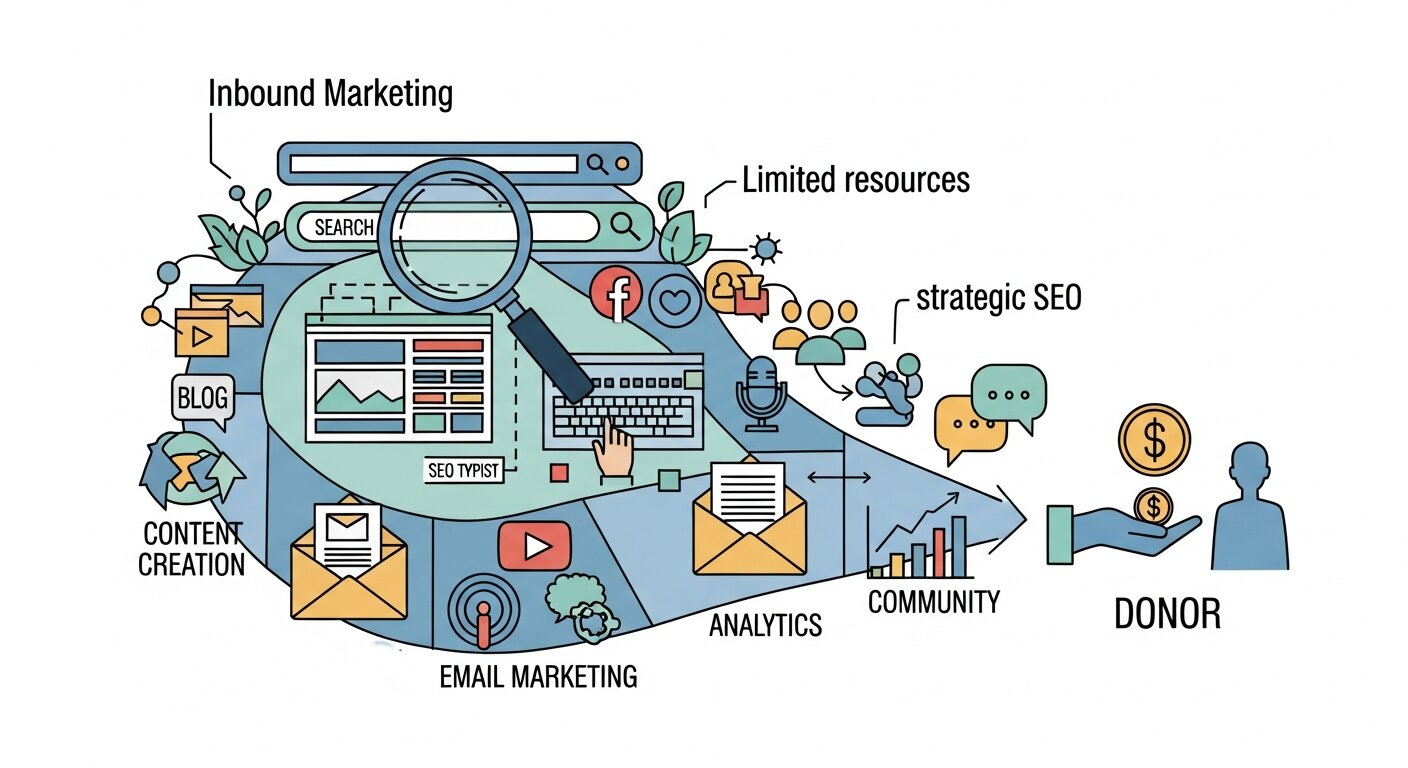 Many non-profits operate in specific geographic areas or focus on particular causes, which naturally creates opportunities for SEO. Using local SEO strategies and niche keywords helps smaller organizations gain visibility without large budgets. Non-profit inbound marketing benefits greatly from targeting low-competition search terms.
For instance, rather than competing nationally for broad terms like “homeless charity,” focus on location-specific keywords such as “homeless youth programs in [your city]” to reach a highly relevant local audience. Free tools like Google Keyword Planner can help identify these opportunities without additional cost. Regularly publishing blog content that answers questions specific to your sector builds credibility and authority over time.
By combining story-driven content with strategic SEO, organizations can create a comprehensive non-profit inbound marketing strategy that attracts donors, engages volunteers, mobilizes advocates, and informs beneficiaries—all while working within a limited budget. Consistent application of these principles ensures that non-profit inbound marketing drives sustainable growth and strengthens long-term relationships with supporters.
Email Marketing: Your Most Valuable Channel
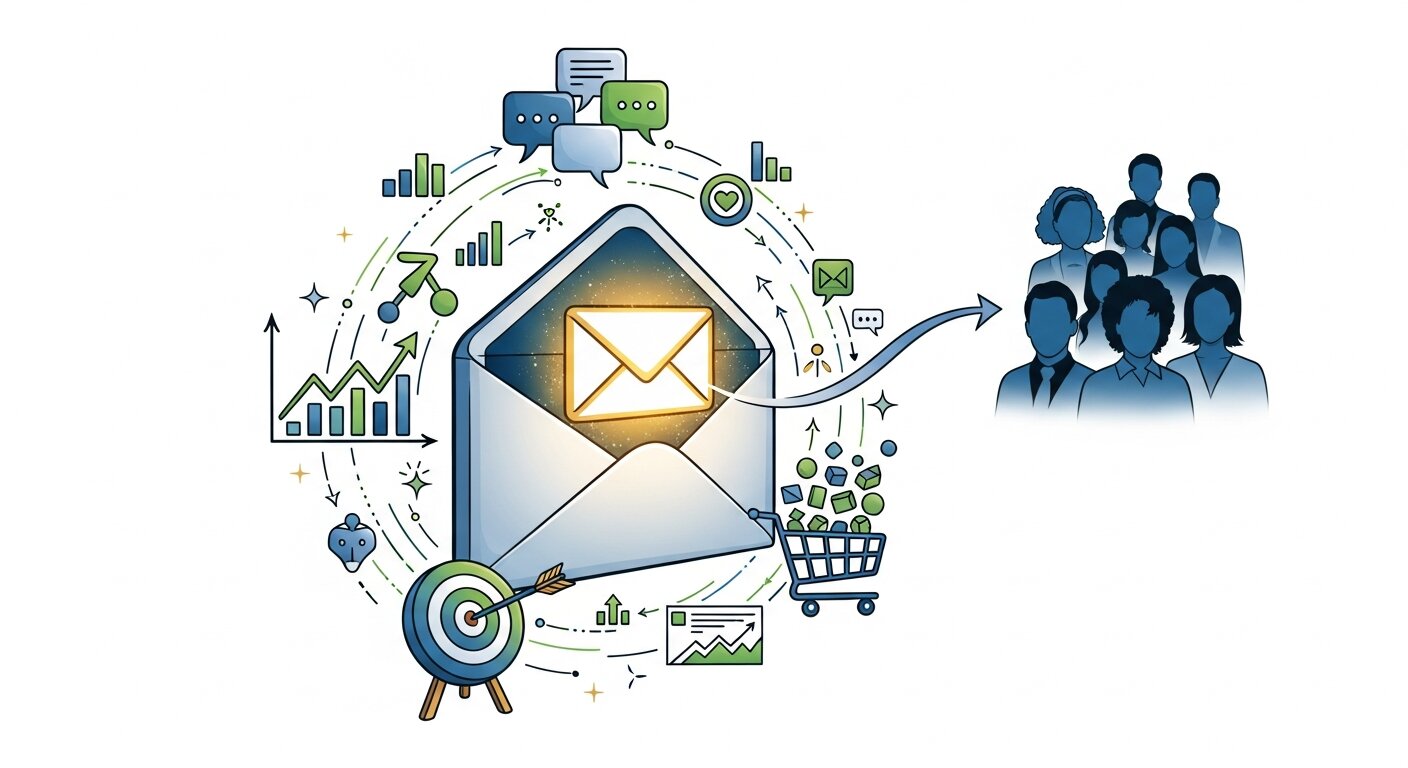 For non-profits, email marketing remains the highest ROI channel and a cornerstone of effective non-profit inbound marketing. Your subscriber list represents people already connected to your mission, making it one of the most valuable assets for engagement and conversion. Nurturing these relationships consistently ensures that supporters feel informed, appreciated, and motivated to act.
Segmenting your list based on engagement level allows for more personalized approaches, a core tactic in non-profit inbound marketing. New contacts may require introductory messaging to build trust, while long-term supporters respond better to impact updates and calls for specific action. Modern email platforms offer sophisticated email segmentation tools—often with free or low-cost plans designed for non-profits—enabling organizations to maximize reach without straining limited resources.
Consider structuring your email campaigns for donor cultivation as follows:
- A welcome series that introduces your mission and organizational values
- Impact updates showcasing measurable results and tangible outcomes
- Personal stories from beneficiaries to create emotional resonance
- Specific calls to action with clear, actionable next steps
Maintaining consistent timing without overwhelming inboxes is critical. In non-profit inbound marketing, quality of communication always trumps quantity, as over-sending can diminish engagement and donor trust.
Social Media Approaches for Resource-Constrained Teams
Many non-profits feel pressured to maintain a presence across all social media platforms. This “omnipresence” approach often dilutes impact and stretches limited resources. Non-profit inbound marketing strategies emphasize focus and intentionality: choose 1-2 platforms where your audience is most active and engaged. A thriving Facebook group or Instagram page can generate more meaningful interactions than fragmented activity across five networks.
User-generated content is another pillar of non-profit inbound marketing. Encouraging volunteers and beneficiaries to share experiences using your branded hashtag provides authentic material while reducing production burdens. Highlighting stories from your community not only amplifies your reach but also strengthens trust and emotional connection with your audience.
Converting Interest to Action: Donation and Volunteer Pathways
Website conversion paths require careful attention in non-profit inbound marketing. Every additional step in a donation or volunteer sign-up process can reduce completion rates. Simplicity and clarity drive results.
Donation forms should minimize required fields and use clear language to communicate impact. Volunteer sign-ups should provide upfront details about time commitments and expectations. Mobile optimization is critical: according to Network for Good, over 25% of donations now come through mobile devices, with even higher percentages during emergency appeals. Ensuring a seamless mobile experience is a key tactic in modern non-profit inbound marketing, as it meets supporters where they already are.
By combining strategic email segmentation, focused social media efforts, and optimized conversion paths, organizations can create a comprehensive non-profit inbound marketing framework. This approach not only attracts donors and volunteers but also nurtures long-term engagement, amplifying mission-driven impact while working within tight resource constraints.
Measuring What Matters: Non-Profit Marketing Metrics
Non-profits should focus on tracking metrics that align directly with their mission objectives rather than relying solely on commercial or vanity measurements. Meaningful performance indicators provide actionable insights that drive real impact, a core principle of non-profit inbound marketing. Key metrics to monitor include:
- Donor retention rate, which measures how effectively your non-profit maintains long-term support
- Volunteer application completion rate, indicating how well your recruitment messaging resonates
- Cost per acquired supporter, helping assess efficiency in resource allocation
- Email engagement segmented by audience type, providing insight into messaging effectiveness
- Social shares of mission-related content, reflecting community advocacy and reach
By focusing on these indicators, non-profits can refine their strategies and ensure that non-profit inbound marketing efforts are optimized for engagement, conversion, and mission alignment, rather than chasing superficial metrics like total page views.
Amplifying Impact Through Supporter Advocacy
Existing supporters represent one of the most powerful assets in non-profit inbound marketing. Their voices provide authenticity and credibility that no paid advertising can replicate. Empowering supporters to share your mission amplifies your reach organically.
Provide your advocates with easily shareable content such as simple graphics, pre-written social posts, or email templates they can customize. Even busy supporters can help spread your message effectively when the materials are accessible and aligned with your brand. Recognition also plays a crucial role in sustaining advocacy. Highlight supporter contributions through spotlight features, social media shout-outs, or acknowledgment programs. These tactics reinforce engagement and ensure that non-profit inbound marketing leverages the full potential of your existing community.
Leveraging Pro Bono and Volunteer Marketing Support
 Many marketing professionals seek meaningful volunteer opportunities, and their expertise can dramatically expand your organization’s capacity. Integrating skilled volunteers into your strategy is a practical application of non-profit inbound marketing, allowing smaller teams to achieve results comparable to larger organizations.
Consider creating defined volunteer roles such as “Social Media Coordinator,” “Content Developer,” or “SEO Specialist,” complete with clear expectations, responsibilities, and time commitments. Professional associations and networks often maintain programs that connect non-profits with experts willing to contribute their skills. Incorporating this pro bono talent not only strengthens your marketing capabilities but also enhances the overall reach and effectiveness of your non-profit inbound marketing campaigns.
By tracking mission-focused metrics, empowering supporter advocacy, and integrating professional volunteer support, non-profits can build a comprehensive non-profit inbound marketing framework. This approach maximizes engagement, strengthens long-term relationships, and amplifies your organization’s mission while operating efficiently within limited resources.
Starting Small: Your Three-Month Plan
Begin with achievable objectives rather than attempting comprehensive transformation all at once. A phased approach ensures that your non-profit inbound marketing efforts remain realistic, measurable, and impactful. Consider this starter roadmap:
- Month 1: Conduct a thorough audit of existing content and identify your most compelling stories. Understanding which narratives resonate with donors, volunteers, and advocates provides a strong foundation for all subsequent non-profit inbound marketing activities.
- Month 2: Develop a simple content calendar focused on these stories across your website, email campaigns, and primary social media channel. Consistency and planning are key principles in non-profit inbound marketing, enabling small teams to maintain engagement without overextending resources.
- Month 3: Implement basic email segmentation and establish one clear conversion path for donations or volunteer sign-ups. Tailored communication and streamlined conversion paths are central tactics in non-profit inbound marketing, helping to turn interest into meaningful action.
By starting small, this foundation creates momentum, allowing organizations to expand their non-profit inbound marketing strategies over time as resources and capacity grow. Incremental progress ensures sustainable results and avoids overwhelm.
The Non-Profit Advantage
While budget constraints present challenges, non-profits have a unique advantage that many businesses cannot replicate: authentic purpose. Your mission naturally connects with audiences seeking meaningful engagement, providing the emotional resonance that drives supporters to act. When leveraged effectively, this authenticity often outweighs larger marketing budgets.
Focusing on strategic inbound approaches allows non-profits to attract supporters more efficiently than traditional outbound methods. Storytelling, targeted content, and relationship-building—core elements of non-profit inbound marketing—can inspire donations, recruit volunteers, and cultivate advocates while preserving resources for mission-critical work.
In practice, effective non-profit inbound marketing means prioritizing quality over quantity, identifying the channels that deliver the most engagement, and consistently measuring outcomes against mission-driven objectives. When executed thoughtfully, this approach ensures that marketing contributes directly to organizational impact rather than simply increasing visibility.
Ultimately, non-profit inbound marketing is about making every interaction count. By starting with achievable objectives, leveraging your mission-driven authenticity, and applying strategic inbound tactics, organizations can create a marketing program that truly makes a difference—connecting supporters, amplifying impact, and fueling long-term growth.
Frequently Asked Questions
What is non-profit inbound marketing, and how is it different from traditional marketing?
Non-profit inbound marketing focuses on attracting supporters through valuable content, storytelling, and engagement rather than using interruptive ads or cold outreach. Unlike traditional marketing, it builds trust, nurtures relationships, and encourages voluntary engagement aligned with your mission.
Why is storytelling so important for non-profits?
Stories create emotional connections, demonstrate impact, and make your mission relatable. Supporters are more likely to engage and donate when they see real-life examples of how your organization is making a difference.
Which digital channels are most effective for non-profit inbound marketing?
Email marketing is typically the highest ROI channel, followed by targeted social media platforms. Blogs, video content, and niche SEO also drive engagement by reaching supporters actively searching for causes like yours.
How can small non-profits compete with larger organizations?
Authenticity and mission-driven storytelling are your biggest advantages. Focus on niche audiences, hyper-local SEO, and meaningful content rather than trying to match large budgets or compete on mass advertising.
How do I measure the success of non-profit inbound marketing?
Track metrics aligned with your mission: donor retention, volunteer application completion, email engagement, social shares, and cost per supporter acquired. Avoid relying solely on vanity metrics like page views or impressions.
Can volunteers or pro bono experts help with inbound marketing?
Absolutely. Skilled volunteers can contribute to content creation, social media management, SEO, and email campaigns. Defining clear roles and responsibilities ensures they maximize impact without overburdening your core team.
How often should a non-profit post content or emails?
Consistency matters more than volume. Maintain a predictable schedule that informs and engages your audience without overwhelming them. Focus on quality and mission-aligned content for maximum effect.
What types of content work best for non-profit inbound marketing?
Personal testimonials, impact stories, educational blog posts, videos, infographics, and shareable social content resonate most. Authenticity and relatability are more important than high production value.
How do I attract local donors and volunteers through inbound marketing?
Use local and niche SEO strategies by targeting location-specific keywords. Highlight community stories and local impact to connect with nearby supporters who are more likely to engage and contribute.
How can I start inbound marketing if my team is small and resources are limited?
Begin with achievable objectives like auditing content, creating a simple content calendar, segmenting email lists, and establishing one clear conversion path. Incremental growth builds a sustainable framework for long-term success.