
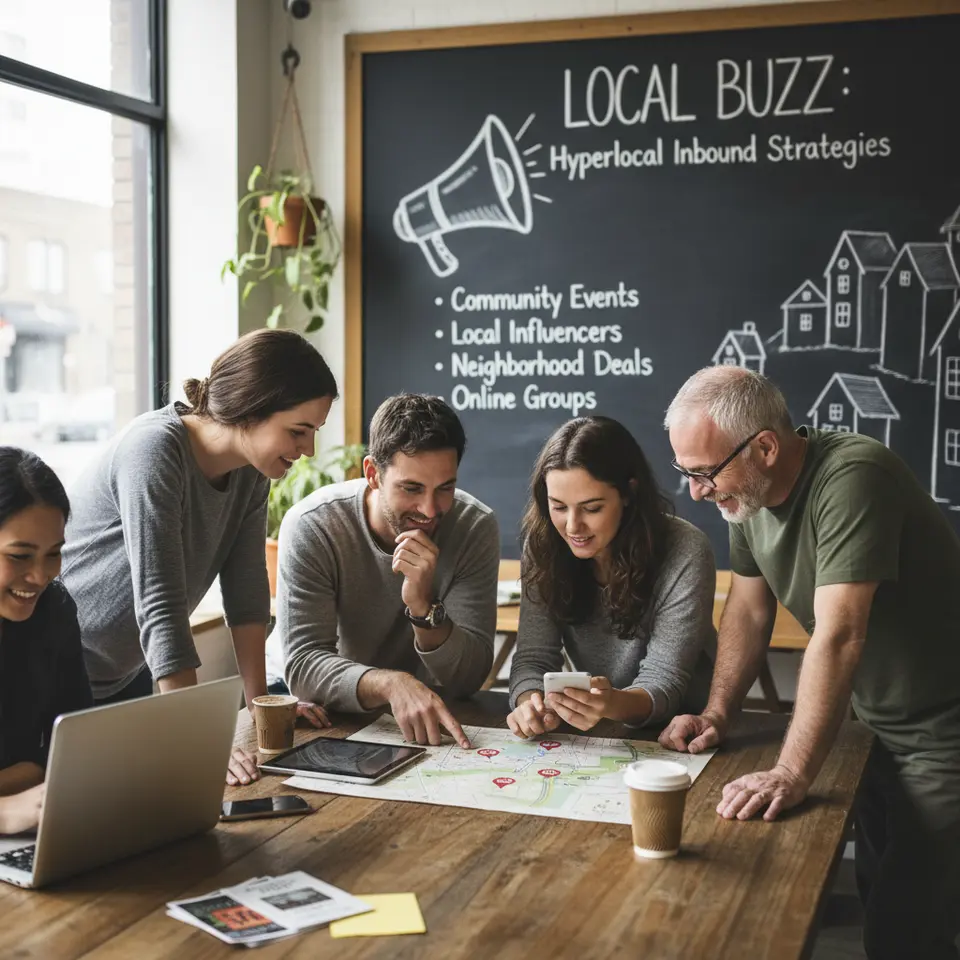
In today’s digital landscape, establishing a meaningful connection with your target market often requires more than broad advertising campaigns. Businesses that implement hyperlocal inbound marketing can cut through the noise by focusing their efforts on individuals living, working, or shopping near their storefront or service area. By tailoring messages, offers, and experiences to align with local cultures, preferences, and daily routines, brands build trust, increase foot traffic, and foster passionate advocates who naturally spread the word.
This comprehensive guide explores practical strategies for attracting, engaging, and converting prospects within a focused geographic radius. You will learn how to combine localized search engine optimization, geo-targeted content creation, community-focused events, and mobile-first tactics to deliver highly relevant experiences. Each approach is designed to complement your overall inbound framework while benefiting from the intimate scale of neighborhood marketing.
Whether you operate a quaint café, a specialty retail outlet, or a service-based enterprise, leveraging these methods this year (2026) can yield sustainable growth and deeper community relationships. By the end of this article, you will have a clear roadmap to implement hyperlocal inbound marketing initiatives that resonate with nearby audiences, drive measurable online and offline conversions, and position your brand as an integral part of your community.
Moreover, focusing on local prospects often yields a higher return on investment compared to mass-market campaigns, since resources are allocated to a highly relevant audience. Increased foot traffic, improved brand recall, and more efficient ad spend combine to deliver measurable results that can be tracked and optimized. With a clear local strategy in place, you can outshine competitors who overlook the power of proximity.
Understanding Hyperlocal Inbound Marketing
The term ‘hyperlocal inbound marketing’ refers to the practice of attracting, converting, and delighting customers within a narrowly defined geographic zone, typically ranging from a single neighborhood to a small city district. Unlike broad-based campaigns that cast a wide net, hyperlocal strategies zero in on the unique characteristics, challenges, and desires of nearby consumers. This proximity-driven approach hinges on understanding local demographics, seasonal trends, and community culture in order to craft messaging that feels personal and relevant.
In today’s crowded marketplace, precision matters more than ever. Consumers expect experiences that reflect their immediate surroundings—whether that’s a promotion for a local farmers market or a service tailored to weather conditions affecting a specific zip code. By designing content, offers, and calls-to-action around the realities of your community, your brand demonstrates a level of attentiveness that resonates strongly with local prospects. This mindset shift transforms passive viewers into active participants who feel understood and valued.
A key advantage of hyperlocal inbound marketing lies in its ability to integrate online and offline channels seamlessly. For example, you might publish a blog post spotlighting a nearby landmark, embed an interactive map to drive foot traffic, and follow up with a targeted email to subscribers in the same area. Each touch point reinforces the others, creating a cohesive journey that guides individuals from discovery to purchase.
Creating local buyer personas involves researching shopper profiles within your service area, capturing demographic attributes such as age ranges, income levels, and lifestyle preferences. Aligning your inbound campaigns with these micro-segments ensures that each piece of content addresses genuine community needs and values, thereby improving engagement and conversion rates.
Your customer relationship management (CRM) platform should capture location attributes to enable hyperlocal segmentation. By sending email newsletters or SMS messages only to contacts within a certain radius, you increase relevance and avoid overwhelming distant prospects with irrelevant offers. This precision fosters deeper engagement and higher open and click-through rates.
To further refine your efforts, leverage data from government agencies like the United States Census Bureau and research institutions to identify local spending habits, commuter patterns, and population density. These insights empower you to anticipate community trends and optimize your hyperlocal inbound marketing tactics for maximum impact.
Tracking metrics such as local click-through rates, foot traffic captured through geofencing, and in-store conversions provides a clear view of campaign effectiveness. By regularly analyzing these performance indicators, you can iterate on your strategy, allocate budget more effectively, and ensure sustained growth in today’s competitive environment.
Leveraging Local SEO and Directories
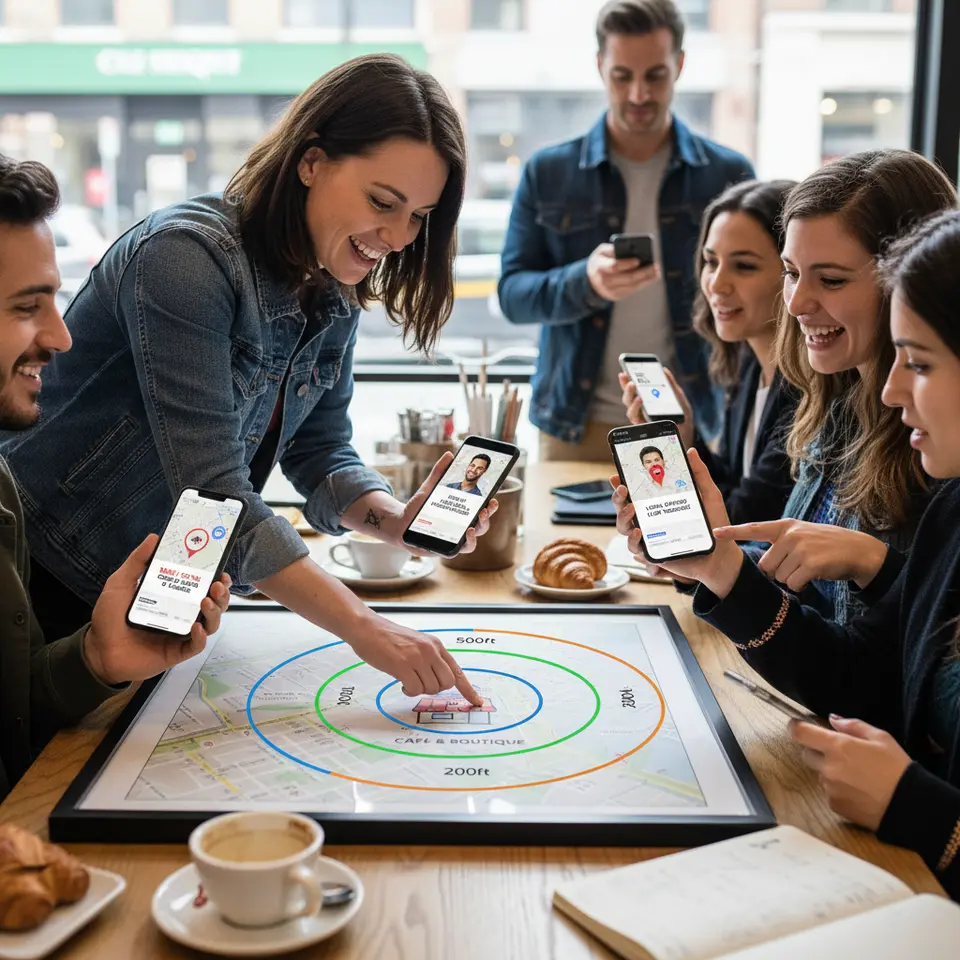
Optimizing your digital footprint for neighborhood visibility is fundamental to hyperlocal inbound marketing. Local search engine optimization (SEO) ensures that prospective customers can find your business when they perform queries like “coffee shop near me” or “best gym in [Your City].” Start by claiming and fully completing your Google Business Profile, including accurate name, address, and phone number (NAP), high-quality photos, and detailed service descriptions. Consistency across online directories—such as Yelp, Bing Places, and industry-specific platforms—is essential to building credibility with both search engines and users.
Geo-modified keywords should be strategically incorporated into title tags, meta descriptions, and header elements. For instance, if you run a bakery in downtown Oakland, phrases like “artisan bakery in Downtown Oakland” help search engines associate your site with location-specific queries. In addition, implement structured data markup (Schema.org) to highlight critical business information—hours, pricing, and customer reviews—so search algorithms can display rich snippets that drive click-through rates.
Don’t overlook other digital directories such as Apple Maps, Waze, and niche listing services relevant to your industry. These platforms feed into navigation apps and voice-assistant queries, so synchronizing your NAP details across all channels is crucial for consistent local presence.
Local link-building plays a pivotal role in establishing authority. Partnering with neighborhood associations, sponsoring community events, or collaborating with nearby nonprofits can yield backlinks from reputable sources. These endorsements not only improve your search visibility but also reinforce your reputation as a valued community member.
Encouraging and managing customer reviews is another cornerstone of effective local SEO. According to industry research from organizations like the National Institutes of Health, user-generated feedback significantly influences purchasing decisions. Invite satisfied patrons to share their positive experiences on Google, Facebook, and specialized review sites. Responding promptly and professionally to both praise and criticism demonstrates attentiveness and can improve your overall star rating.
As user behavior continues to shift toward mobile search, Google’s mobile-first indexing means your local website must load quickly and display accurately on smartphones. Tools like Google’s PageSpeed Insights and Lighthouse audits help identify performance bottlenecks, ensuring that potential customers have a seamless browsing experience.
Finally, monitor key performance indicators—organic local traffic, search ranking positions, and review volume—through platforms like Google Analytics and Google Search Console. Setting up custom segments for specific city-level or IP-based visits allows you to gauge the real-world impact of your efforts. Regular audits and adjustments help maintain NAP accuracy, refine keyword targeting, and ensure your listings remain competitive in today’s fast-paced local search environment.
Creating Geotargeted Content and Ads
Once you have laid the groundwork with local SEO, the next step is to develop content and advertising campaigns that speak directly to your neighborhood. Geotargeted content can take many forms—blog articles highlighting community landmarks, video tours of nearby attractions, or social posts celebrating local festivals. By weaving local narratives into your storytelling, you tap into the pride residents feel for their surroundings and position your brand as an insider with intimate knowledge of the area.
Begin by mapping out editorial themes that emphasize local culture. Examples include “Top Weekend Hikes within 10 Miles of Our Store” or “A Neighborhood Guide to Family-Friendly Events.” Embed interactive maps, photo galleries, and customer testimonials to bring these stories to life. Integrating calls-to-action like “Stop by our shop after exploring Main Street” encourages readers to transition from digital engagement to an in-person visit.
On the paid side, geotargeted ads allow you to serve promotions to users within a predefined radius of your location. Platforms like Facebook Ads, Instagram Ads, and Google Ads offer radius targeting and zip code segmentation. Craft multiple ad variations to test headlines, creatives, and offers, then analyze performance metrics to determine which combinations drive the highest click-through and conversion rates.
Advanced techniques include geo-fencing, which uses mobile device location data to trigger ads when potential customers enter a specific boundary around your business. For instance, if someone passes a nearby competitor’s store, you could serve a timely discount or invitation to visit your establishment. This real-time targeting capitalizes on proximity and urgency to increase the likelihood of immediate action.
Another effective tactic is to collaborate with local influencers or micro-influencers who already command attention within your community. Their endorsements—whether through blog posts, Instagram stories, or YouTube videos—lend authenticity to your campaigns and tap into pre-existing audience relationships. Always ensure the influencer’s audience aligns with your target demographic and that any sponsored content adheres to disclosure guidelines for transparency.
By weaving geotargeted content and advertising into your hyperlocal inbound marketing mix, you create a seamless path from awareness to conversion, especially for individuals who value immediacy and relevance in their purchasing decisions.
Building Community Engagement through Events and Partnerships
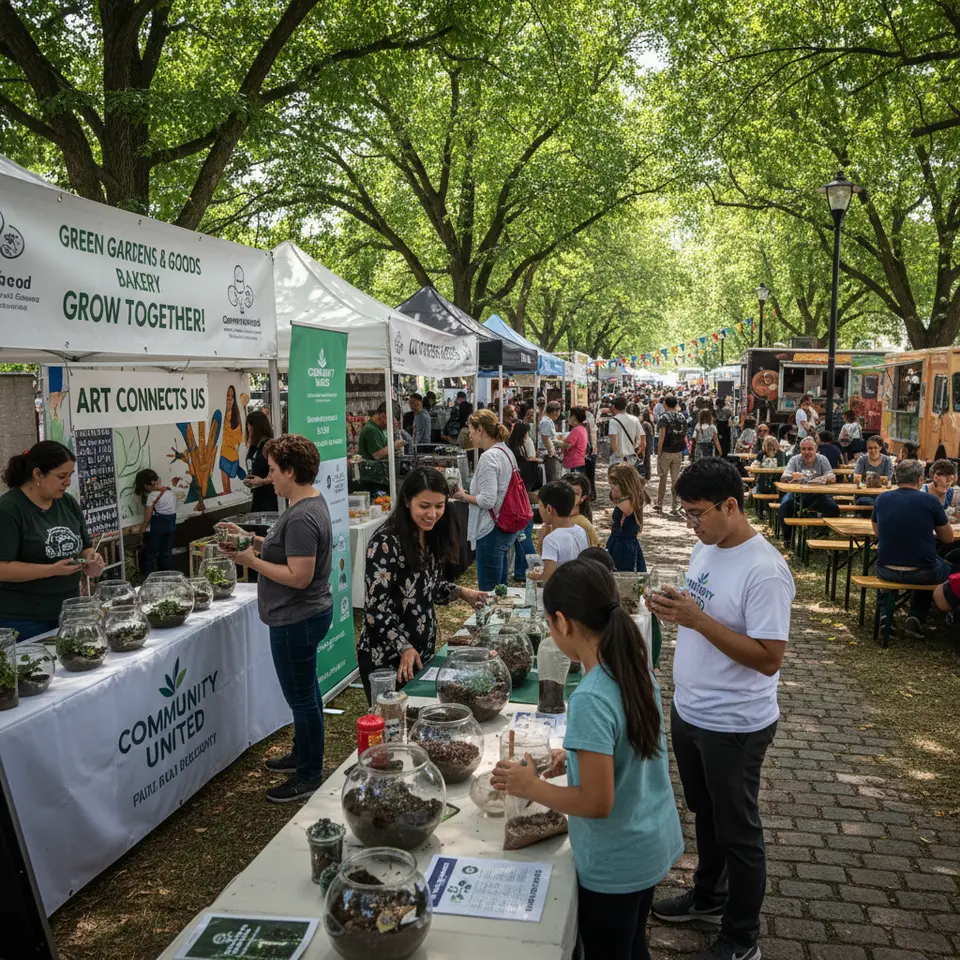
Creating memorable experiences is a powerful way to deepen relationships with local prospects and transform them into advocates. Hosting or sponsoring community events demonstrates your commitment to the neighborhood and puts a friendly face on your brand. Options include workshops, pop-up shops, charity fundraisers, or seasonal celebrations that resonate with local interests. For a yoga studio, this might mean organizing a free park session; for a bookstore, a local author reading.
Promotion plays a critical role in driving attendance. Segment your email marketing list by zip code or neighborhood to ensure event invitations reach the most relevant subscribers. Leverage social media groups dedicated to your locality—Facebook community pages or Nextdoor forums—to share details and answer questions. Use localized hashtags on Twitter and Instagram to expand your reach within specific geographic circles.
Collecting attendee information at events allows you to nurture ongoing relationships. Offer incentives—such as exclusive discounts or entry into a giveaway—in exchange for email sign-ups or feedback surveys. This data can inform future campaigns, refine messaging, and reveal patterns in customer preferences. Capturing qualitative insights, like comments on event satisfaction, adds depth to your understanding and aids in developing more personalized follow-up content.
Partnerships amplify your impact by combining resources with complementary local businesses or nonprofits. Co-hosting an event with a breakfast café and a nearby florist, for example, can draw a wider audience while sharing marketing costs. Collaborative ventures often attract media attention from community newspapers or local bloggers, further boosting your visibility without significant ad spend.
In today’s digital age, it’s equally important to showcase event highlights online. Publish blog recaps with photo galleries, embed short video clips on social platforms, and share attendee testimonials. These assets not only extend the life of your event beyond the day itself but also serve as proof points for future promotions, illustrating your role as a community hub.
By weaving thoughtfully planned events and strategic partnerships into your hyperlocal inbound marketing plan, you cultivate a sense of belonging that fosters loyalty, drives word-of-mouth referrals, and positions your business as an indispensable neighborhood fixture.
Optimizing Mobile, Voice, and Social Channels for Local Engagement
In today’s on-the-go culture, a significant portion of hyperlocal searches occurs on mobile devices or via voice assistants. Ensuring your website and digital assets are optimized for these channels is crucial to capturing audience attention at the precise moment they express intent. Begin with a fully responsive site design that adapts seamlessly to different screen sizes, prioritizing fast load times and intuitive navigation.
Voice search optimization is another emerging component of modern hyperlocal inbound marketing. Users frequently issue conversational queries such as “Where can I find a pet grooming salon near me?” or “What are the business hours for a hardware store in my area?” Craft FAQ pages and content snippets that mirror these natural language questions, providing concise, accurate answers that voice assistants can easily parse and present.
Click-to-call buttons, directions widgets, and streamlined appointment-booking features reduce friction for mobile users seeking immediate interaction. Embedding a map widget from Google Maps with live traffic insights or transit options further enhances usability. These interactive elements foster trust by demonstrating that you value convenience and understand the needs of time-sensitive neighbors.
Social media remains a critical channel for local connection. Platforms like Instagram, Facebook, and TikTok support geo-tagged posts and ads, which direct your content to users who frequent specific landmarks or zip codes. Encourage user-generated content by launching neighborhood-themed contests—such as photo challenges featuring your storefront—and reward winners with in-store credit or exclusive merchandise. Displaying real customer photos and stories creates authenticity and community pride.
Additionally, consider integrating chatbot functionality on messaging platforms like WhatsApp or Facebook Messenger. Chatbots can handle routine inquiries about hours, parking, or product availability, freeing your staff to focus on high-value interactions. For more complex requests, bots can seamlessly escalate conversations to live agents, ensuring prospects receive timely, personalized assistance.
Regularly track engagement metrics—click-through rates, time on page, and conversion events—segmented by device and location. This data highlights which mobile and social initiatives resonate most strongly with local audiences, enabling you to refine your prioritization and budget allocation. By harmonizing mobile, voice, and social optimization, you create a unified hyperlocal inbound marketing ecosystem that meets customers where they are, when they need you most.
Frequently Asked Questions
What is the difference between hyperlocal marketing and local marketing?
Hyperlocal marketing zeroes in on a very specific geographic area—often a single neighborhood—whereas local marketing can cover broader regions such as cities or counties. Hyperlocal tactics allow for more personalized messaging and timely offers that resonate with immediate communities.
How do I measure foot traffic from geotargeted campaigns?
You can use geofencing tools and mobile analytics platforms to track when users enter a defined radius around your business after engaging with ads. Cross-reference these insights with in-store purchase data or CRM check-ins to assess conversions.
Which types of events work best for community engagement?
Events that align with your brand’s core offerings and local interests tend to perform best. Workshops, pop-up markets, and charitable fundraisers often attract high participation and provide opportunities to collect valuable attendee information for follow-up campaigns.
Conclusion
Hyperlocal inbound marketing offers a powerful framework for businesses seeking deeper connections with the individuals who live, work, and shop closest to them. By combining precision-focused SEO, geotargeted content and ads, community events, and mobile-first experiences, you craft a cohesive strategy that guides prospects from discovery to conversion in a highly relevant context.
As you implement these tactics this year (2026), remember to rely on data and feedback to refine your approach. Monitor local traffic trends, review performance metrics, and solicit direct input from attendees and customers. Iterative improvements ensure that your hyperlocal inbound marketing initiatives remain aligned with evolving neighborhood dynamics and customer expectations.
Ultimately, success hinges on authenticity and value. When your brand is seen as a genuine advocate for the community, you earn trust, encourage repeat visits, and inspire word-of-mouth advocacy. Start by verifying and optimizing your digital listings, then layer in content, campaigns, and events that celebrate local culture. Over time, these efforts will establish your business as a vibrant community hub, driving sustainable growth and forging lasting relationships with those nearest to your doorstep.