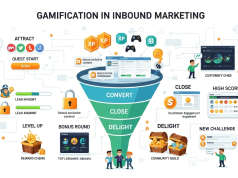
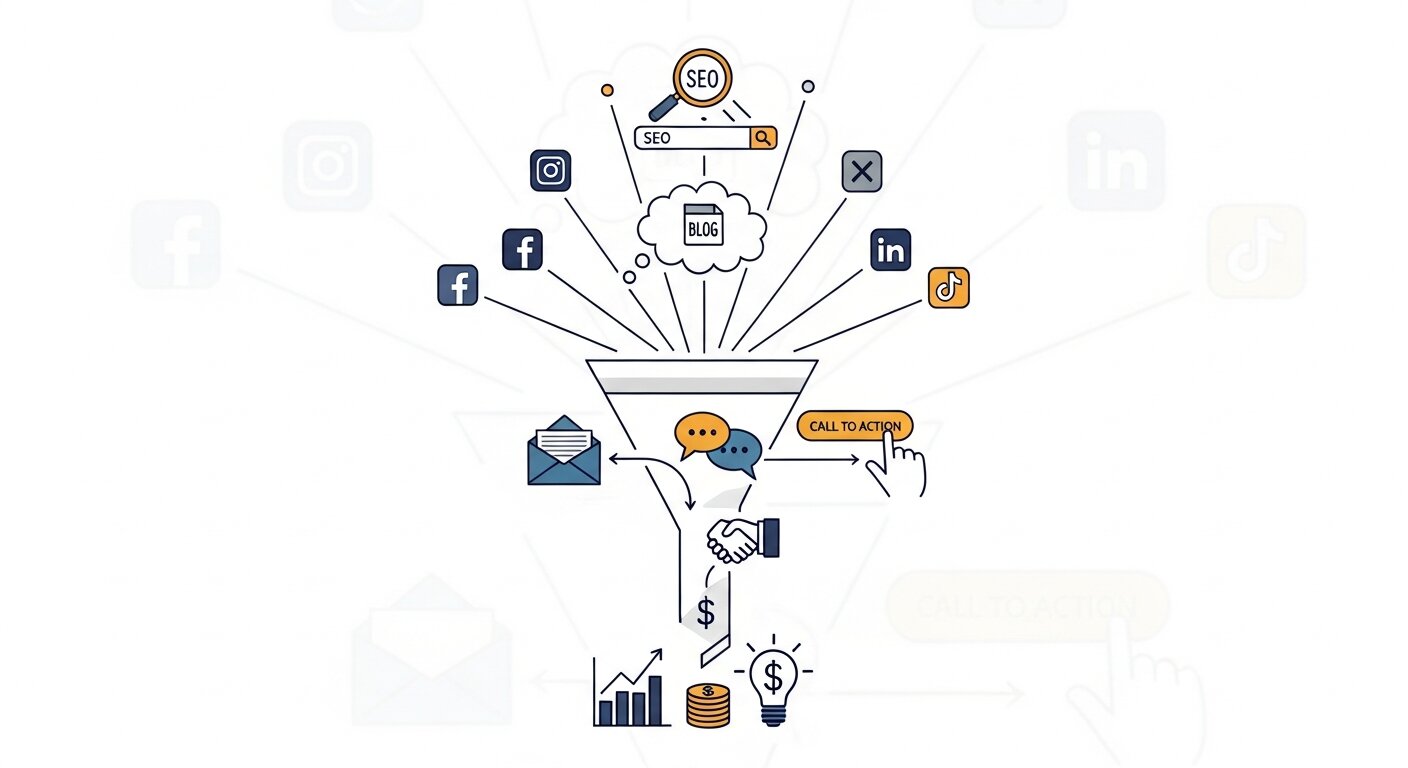
Inbound marketing focuses on creating value rather than interrupting audiences, using content, SEO, social media, and email to guide prospects through the buyer’s journey. Its pillars—attract, convert, close, and delight—help generate leads, build trust, and nurture long-term relationships. By aligning with modern buyer behaviors and integrating multiple channels, inbound marketing drives growth, improves retention, and strengthens brand authority.
Inbound marketing has become essential in today’s business landscape, driven by the evolution of modern buyer behavior. Unlike traditional marketing, which relies on interruption-based tactics, inbound marketing attracts, engages, and delights customers through valuable content, personalized experiences, and educational resources. By aligning with how consumers research, evaluate, and purchase products, inbound strategies not only generate higher-quality leads but also build lasting relationships, reduce acquisition costs, and establish brands as trusted authorities in their industries. Understanding the importance of inbound marketing is key for businesses seeking sustainable growth and a competitive advantage in an increasingly crowded marketplace.
Understanding Inbound Marketing Importance
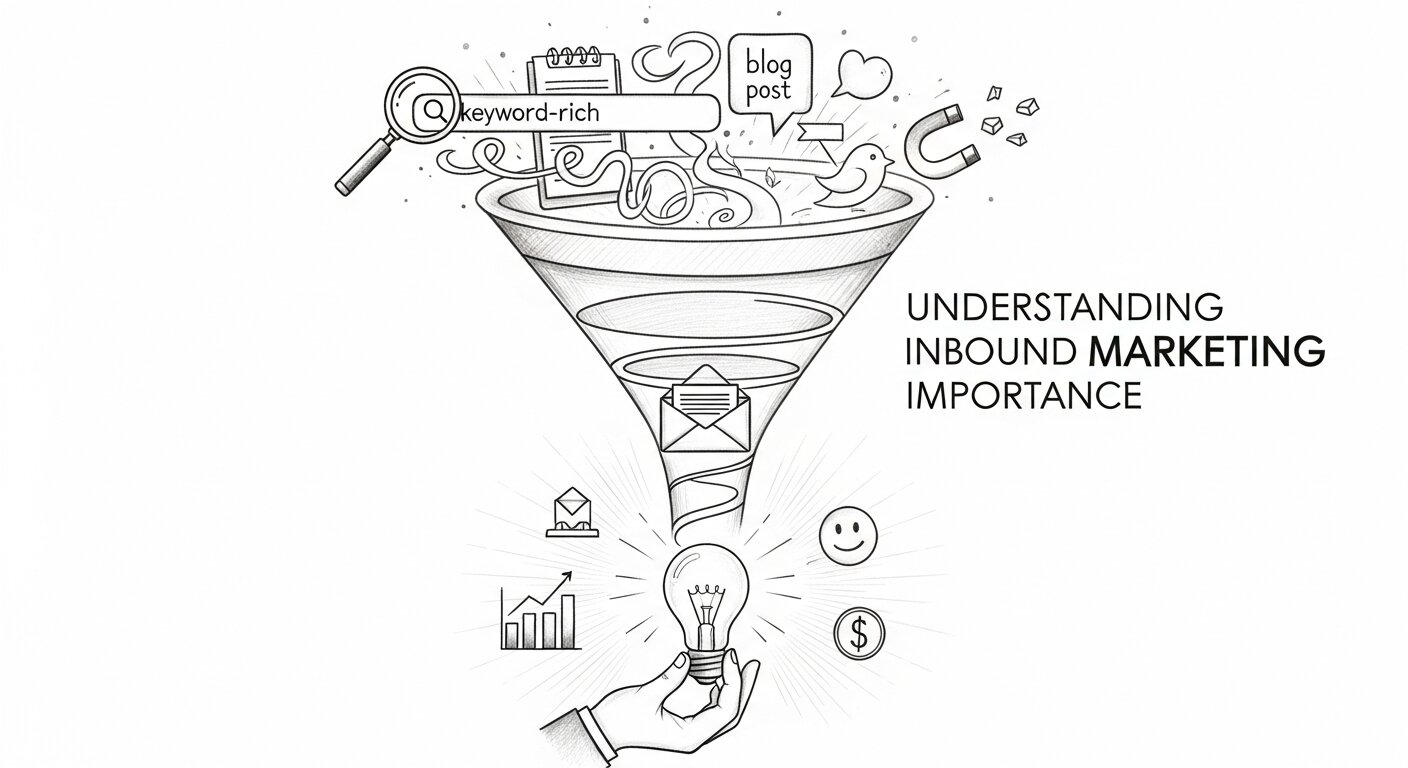
In today’s business landscape, consumers control how and when they engage with brands. Interruptive advertising no longer guarantees attention, making traditional marketing less effective. Inbound marketing focuses on providing value through informative content, educational resources, and personalized experiences that attract, engage, and retain customers.
By understanding inbound marketing importance, businesses can generate higher-quality leads, build trust, and create long-term relationships that drive sustainable growth. This methodology not only reduces customer acquisition costs but also positions companies as trusted authorities in their industry, giving them a competitive advantage in an increasingly crowded market.
Why Inbound Marketing is Important for Modern Businesses
Marketing has undergone a seismic shift. Gone are the days when businesses could rely solely on interruptive advertising to capture attention. Consumers now hold the power, choosing what content they consume, when they consume it, and how they engage with brands. This fundamental change has elevated inbound marketing importance to unprecedented levels.
Inbound marketing represents a strategic approach that attracts customers through valuable content and experiences tailored to their needs. Rather than pushing products onto reluctant audiences, businesses pull interested prospects toward them by providing solutions to real problems. This methodology has proven remarkably effective across industries, generating three times more leads per dollar than traditional outbound tactics.
The shift toward inbound strategies reflects broader changes in consumer behavior research. Research shows that 81% of shoppers conduct online research before purchase. They’re reading blog posts, watching videos, comparing reviews, and seeking educational resources. Businesses that meet these needs at every stage of the buyer’s journey position themselves as trusted authorities, ultimately driving sustainable growth.
Understanding why inbound marketing matters requires examining its core principles, measurable benefits, and practical applications. This comprehensive guide explores how modern businesses leverage inbound methodologies to build lasting customer relationships, reduce acquisition costs, and achieve competitive advantage in an increasingly crowded marketplace.
The Foundation of Inbound Marketing
Inbound marketing rests on four fundamental pillars that distinguish it from traditional approaches. These pillars work together to create a cohesive strategy that respects the modern buyer’s journey while delivering measurable business results.
Attract the Right Audience
The first pillar focuses on drawing qualified visitors to your digital properties through relevant, valuable content. This means understanding your ideal customer’s pain points, questions, and interests, then creating resources that address them. Blog posts optimized for search engines, social media content that sparks conversation, and educational videos all serve this purpose.
Successful attraction requires deep audience research. Businesses must develop detailed buyer personas that go beyond basic demographics to capture motivations, challenges, and decision-making processes. This intelligence informs content creation, ensuring every piece resonates with specific audience segments.
Convert Visitors Into Leads
Attracting traffic means little without mechanisms to capture visitor information. The conversion pillar emphasizes creating compelling offers—ebooks, webinars, templates, assessments—that persuade visitors to exchange contact details for value. Landing pages, forms, and calls-to-action become critical tools in this phase.
Conversion optimization demands continuous testing and refinement. Businesses analyze which offers generate the most responses, which form fields create friction, and which messaging resonates strongest. Even small improvements in conversion rates compound into significant lead generation increases over time.
Close Deals Through Nurturing
Not every lead is ready to purchase immediately. The closing pillar recognizes this reality, implementing email workflows, lead scoring systems, and targeted content that guide prospects toward purchase decisions. Marketing automation platforms enable personalized communication at scale, delivering relevant messages based on prospect behavior and characteristics.
This nurturing process shortens sales cycles while improving close rates. Sales teams receive qualified leads who understand the product’s value proposition and fit the ideal customer profile. The result is more efficient resource allocation and higher revenue per sales representative.
Delight Customers Into Promoters
The customer journey doesn’t end at purchase. The delight pillar focuses on exceeding customer expectations through exceptional service, ongoing education, and community building. Satisfied customers become repeat buyers and brand advocates, reducing acquisition costs while increasing lifetime value.
Delighting customers requires systems that solicit customer feedback, address concerns promptly, and provide continuous value. Knowledge bases, customer success programs, and exclusive communities all contribute to this goal. When customers feel genuinely supported, they naturally share their positive experiences with others.
Measurable Benefits of Inbound Strategies
Inbound marketing importance becomes crystal clear when examining its tangible impact on business metrics. Organizations implementing comprehensive inbound strategies consistently report improvements across multiple performance indicators.
Cost-Effective Lead Generation
Inbound marketing generates leads at 61% lower cost than traditional outbound methods. This efficiency stems from creating assets that continue producing results long after initial publication. A well-optimized blog post can attract visitors and generate leads for years, unlike paid advertisements that stop delivering the moment spending ceases.
The compounding effect of content creation drives this cost advantage. Each new piece adds to an expanding library of resources that work together to capture search traffic, answer questions, and guide prospects through decision-making processes. Over time, this content ecosystem requires less investment while delivering greater returns.
Higher Quality Lead Generation
Beyond quantity, inbound marketing excels at attracting prospects who genuinely match ideal customer profiles. Because visitors self-select by consuming content relevant to their needs, they arrive with higher intent and better alignment with your solutions. This pre-qualification reduces wasted sales effort on poor-fit prospects.
Data supports this quality advantage. Companies prioritizing inbound marketing report 54% more leads entering their funnels compared to traditional approaches. More importantly, these leads convert at higher rates because they’ve already been educated about the problem and potential solutions.
Enhanced Brand Authority and Trust
Consistently publishing valuable content establishes your organization as a thought leader within your industry. When prospects repeatedly encounter helpful resources from your brand during research, they develop trust before any sales conversation occurs. This credibility shortens sales cycles and reduces price sensitivity.
Authority building through inbound marketing also creates competitive advantages. Competitors find it difficult to displace established thought leaders who own search rankings for key industry topics. Your content library becomes a moat protecting market position and customer relationships.
Improved Customer Retention
The inbound methodology’s emphasis on delighting customers drives retention improvements that dramatically impact profitability. Acquiring new customers costs five to 25 times more than retaining existing ones, making retention optimization one of the highest-leverage activities businesses can pursue.
Inbound strategies support retention through ongoing value delivery. Email newsletters with helpful tips, exclusive webinars, and community forums all strengthen relationships beyond the initial transaction. These touchpoints keep your brand top-of-mind while demonstrating continued commitment to customer success.
Adapting to Modern Buyer Behavior
Understanding inbound marketing importance requires recognizing how dramatically buyer behavior has evolved. Modern purchasers follow non-linear paths, consuming content across multiple channels before making decisions. Businesses must adapt their marketing approaches to match these new patterns.
The Self-Educated Buyer
Today’s B2B buyers complete 57% of the purchase journey before engaging sales representatives. They’re researching solutions, comparing alternatives, and forming opinions independently. Inbound marketing strategies meet buyers where they are, providing the information they need at each stage without requiring premature sales involvement.
This shift demands comprehensive content coverage across the buyer’s journey. Awareness-stage content addresses broad challenges and educates about potential solutions. Consideration-stage content helps buyers evaluate different approaches. Decision-stage content demonstrates why your specific solution best fits their needs.
Mobile-First Research
Mobile devices now account for over 60% of web traffic, fundamentally changing how people consume content. Inbound marketing strategies must prioritize mobile-friendly experiences—fast-loading pages, easily readable text, simple navigation, and thumb-friendly interaction elements.
Mobile optimization extends beyond technical considerations to content format. Shorter paragraphs, scannable subheadings, and visual elements help mobile readers quickly extract value. Video content gains particular importance, as mobile users increasingly prefer watching to reading.
Capturing Micro-Moments
Consumers experience countless micro-moments throughout their days—brief instances when they turn to devices seeking information, making decisions, or discovering something new. Successful inbound marketing captures these moments by providing immediate, relevant answers to specific queries.
Search engine optimization plays a crucial role in micro-moment marketing. When your content ranks for queries related to your industry, you’re present during critical decision-making instances. This visibility at the right moment dramatically influences purchase decisions and brand perceptions.
Social Proof and Peer Influence
Modern buyers heavily weight peer opinions and user-generated content when evaluating options. Reviews, testimonials, case studies, and social media mentions all influence decisions more than traditional advertising claims. Inbound strategies incorporate social proof throughout the buyer’s journey.
This emphasis on peer validation requires businesses to actively cultivate and showcase customer success stories. Video testimonials, detailed case studies, and user review aggregation all serve this purpose. Authenticity matters—overly polished content raises skepticism rather than building trust.
Implementing Inbound Marketing Across Channels
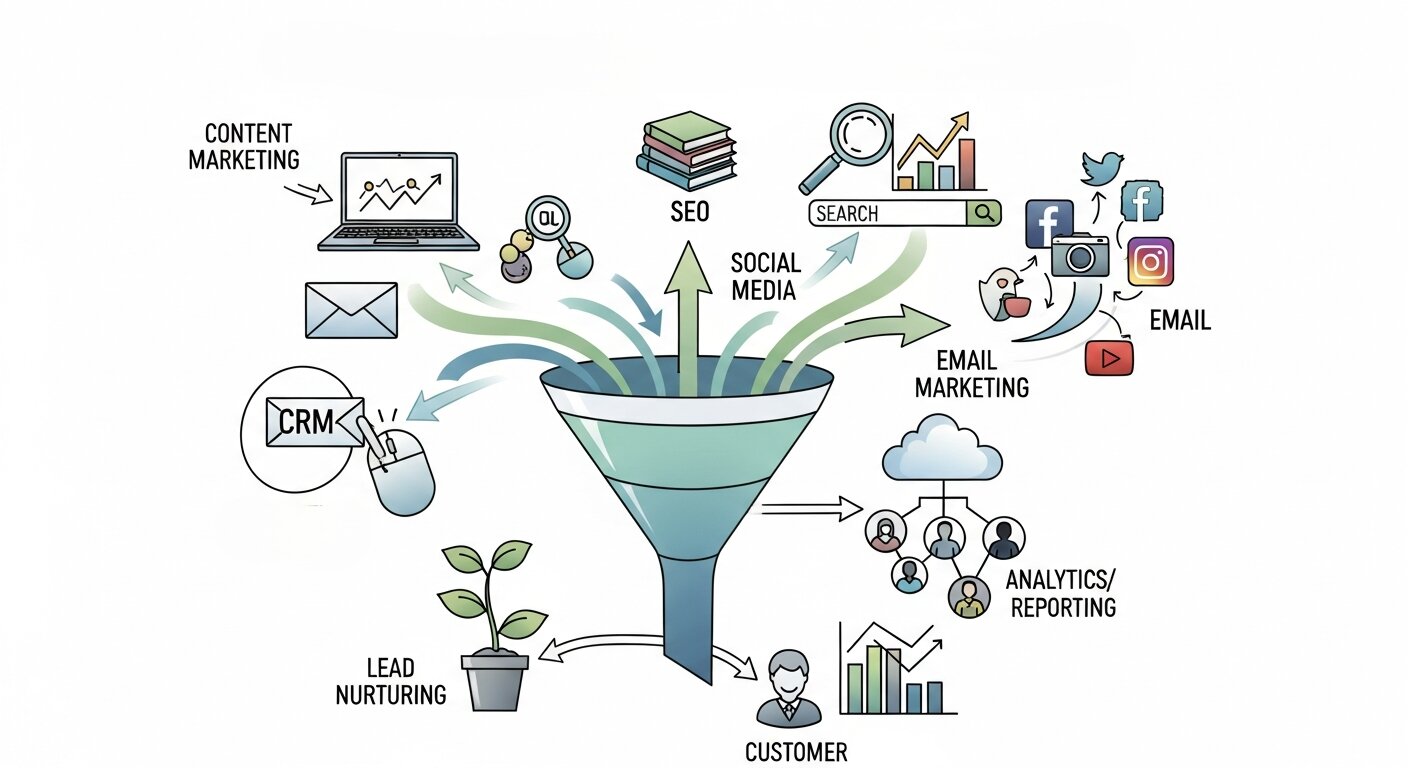
Effective inbound strategies orchestrate multiple channels into cohesive experiences. Each channel serves specific purposes while supporting overall objectives. Understanding how these channels interconnect maximizes inbound marketing importance.
Content Marketing Foundation
Blog posts form the cornerstone of most inbound strategies, providing opportunities to rank for search terms, demonstrate expertise, and capture leads. Successful blog strategies balance three content types: educational posts answering common questions, thought leadership pieces sharing unique perspectives, and promotional content highlighting your solutions.
Consistency matters more than volume. Publishing two high-quality posts weekly generates better results than sporadic publication of mediocre content. Editorial calendars aligned with buyer journey stages ensure comprehensive topic coverage that supports prospects from awareness through decision.
Search Engine Optimization
SEO amplifies inbound marketing effectiveness by ensuring content reaches its intended audience. Technical optimization—fast loading, mobile responsiveness, proper site architecture—creates the foundation. On-page optimization—strategic keyword usage, compelling meta descriptions, structured data—helps search engines understand and rank content appropriately.
Link building remains important, though the approach has evolved. Creating genuinely valuable resources naturally attracts backlinks from other sites. Guest posting on relevant industry publications, collaborating with complementary businesses, and earning media mentions all contribute to authority building that improves search visibility.
Email Marketing Integration
Email serves multiple functions within inbound strategies. Nurturing workflows guide leads toward purchase readiness through sequenced messages delivering progressive value. Newsletter communications maintain engagement with existing customers and prospects. Promotional emails announce new content, events, or offerings to segmented audiences.
Personalization dramatically improves email performance. Basic tactics include addressing recipients by name and referencing their company. Advanced approaches use behavioral triggers—content consumed, pages visited, actions taken—to deliver highly relevant messages that feel individually tailored.
Social Media Amplification
Social platforms extend content reach while facilitating two-way conversations with audiences. Different platforms serve different purposes—LinkedIn for B2B thought leadership, Instagram for visual storytelling, Twitter for real-time engagement. Understanding each platform’s unique culture and user expectations prevents tone-deaf content that damages rather than builds brand perception.
Social media success requires consistent presence rather than viral hits. Regular posting, genuine engagement with followers, and community building create compound returns. Social listening tools identify conversations where your expertise adds value, creating natural opportunities for brand visibility.
Video Content Strategy
Video consumption continues growing across all demographics and industries. Inbound strategies increasingly incorporate video to explain complex concepts, showcase customer stories, and humanize brands. Educational content performs particularly well, with how-to videos and tutorials generating sustained engagement.
Video production has become more accessible, but quality standards remain important. Clear audio, good lighting, and professional editing separate content that builds authority from amateur productions that undermine credibility. Repurposing video content across platforms—YouTube, social media, blog embeds—maximizes production investment.
Measuring Inbound Marketing Success
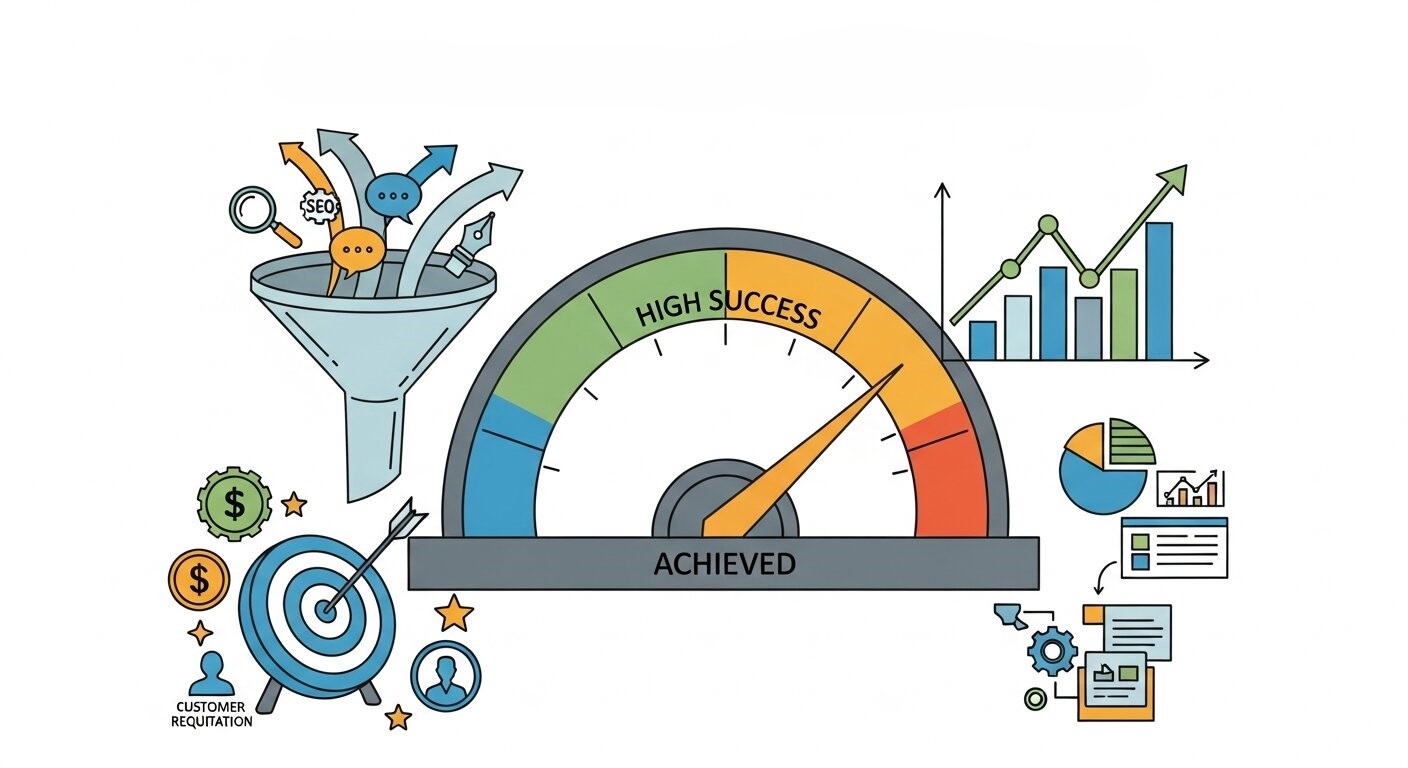
Demonstrating inbound marketing importance requires tracking metrics that connect marketing activities to business outcomes. Vanity metrics like page views provide limited insight compared to measures directly tied to revenue and growth.
Leading Indicators
Leading indicators predict future performance, enabling course correction before problems impact results. Website traffic trends show whether content strategies successfully attract visitors. Conversion rates reveal how effectively content and offers persuade visitors to become leads. These metrics provide early warning when strategies require adjustment.
Lead quality metrics assess whether marketing attracts prospects matching ideal customer profiles. Tracking lead source, company size, industry, and other qualification criteria helps identify which channels and content types generate the best-fit prospects. This intelligence informs resource allocation decisions.
Lagging Indicators
Lagging indicators measure ultimate business impact. Customer acquisition cost tracks total marketing and sales expense divided by new customers acquired. This metric reveals whether inbound strategies deliver the promised efficiency advantages. Marketing-sourced revenue attributes closed deals to marketing activities, demonstrating direct contribution to business growth.
Customer lifetime value measures total revenue generated per customer relationship. Inbound marketing’s emphasis on attracting quality leads and delighting customers typically increases this metric over time. Comparing lifetime value to acquisition cost determines whether customer relationships generate positive returns.
Attribution Modeling
Modern buyer journeys involve multiple touchpoints across extended timeframes. Understanding inbound marketing importance includes selecting the right attribution models, which assign credit for conversions across these interactions and provide a nuanced understanding of how different channels contribute to results. First-touch attribution credits the initial interaction, while last-touch attributes success to the final touchpoint before conversion.
Multi-touch attribution distributes credit across all interactions, more accurately reflecting how channels work together. Time-decay models weight recent interactions more heavily, acknowledging that final touchpoints often push prospects toward decisions. Recognizing inbound marketing importance helps businesses choose appropriate attribution models and avoid undervaluing early-stage content.
Overcoming Common Implementation Challenges
Despite clear benefits, businesses frequently struggle implementing effective inbound strategies. Understanding common obstacles and solutions increases the likelihood of success and reinforces inbound marketing importance.
Resource Constraints
Creating quality content consistently requires significant time and expertise. Small teams often feel overwhelmed by content demands. Solutions include repurposing existing materials—turning presentations into blog posts, webinars into video snippets, or customer conversations into case studies. Content collaboration tools streamline production workflows.
Outsourcing specific tasks—graphic design, video editing, copywriting—allows internal teams to focus on strategic direction and subject matter expertise. Many businesses successfully balance internal and external resources while maintaining brand voice and demonstrating inbound marketing importance in their strategy.
Executive Buy-In
Inbound marketing requires patience, as results accumulate gradually rather than appearing immediately. Leadership accustomed to traditional advertising’s instant visibility may question inbound investments. Building buy-in requires connecting strategy to business objectives, projecting realistic timelines, and demonstrating early wins.
Starting with pilot programs limits risk while proving concept viability. Tracking metrics that matter to executives—qualified leads, pipeline contribution, revenue impact—builds confidence in the approach and highlights inbound marketing importance. Regular reporting that contextualizes progress within realistic expectations maintains support through the ramp-up period.
Technology Stack Complexity
Effective inbound marketing relies on integrated technology—content management systems, marketing automation platforms, CRM software, and analytics tools. These systems must share data seamlessly to enable personalization, lead nurturing, and attribution tracking. Recognizing inbound marketing importance ensures organizations select technology that truly supports strategic goals.
Content Quality Maintenance
Pressure to publish frequently can compromise content quality. Low-value content fails to attract audiences and can damage brand perception. Maintaining high standards requires editorial review processes, subject matter expert involvement, and willingness to delay publication rather than release substandard work. Quality over quantity reinforces inbound marketing importance, ensuring resources create long-lasting value.
Inbound Marketing Localization for Global Reach
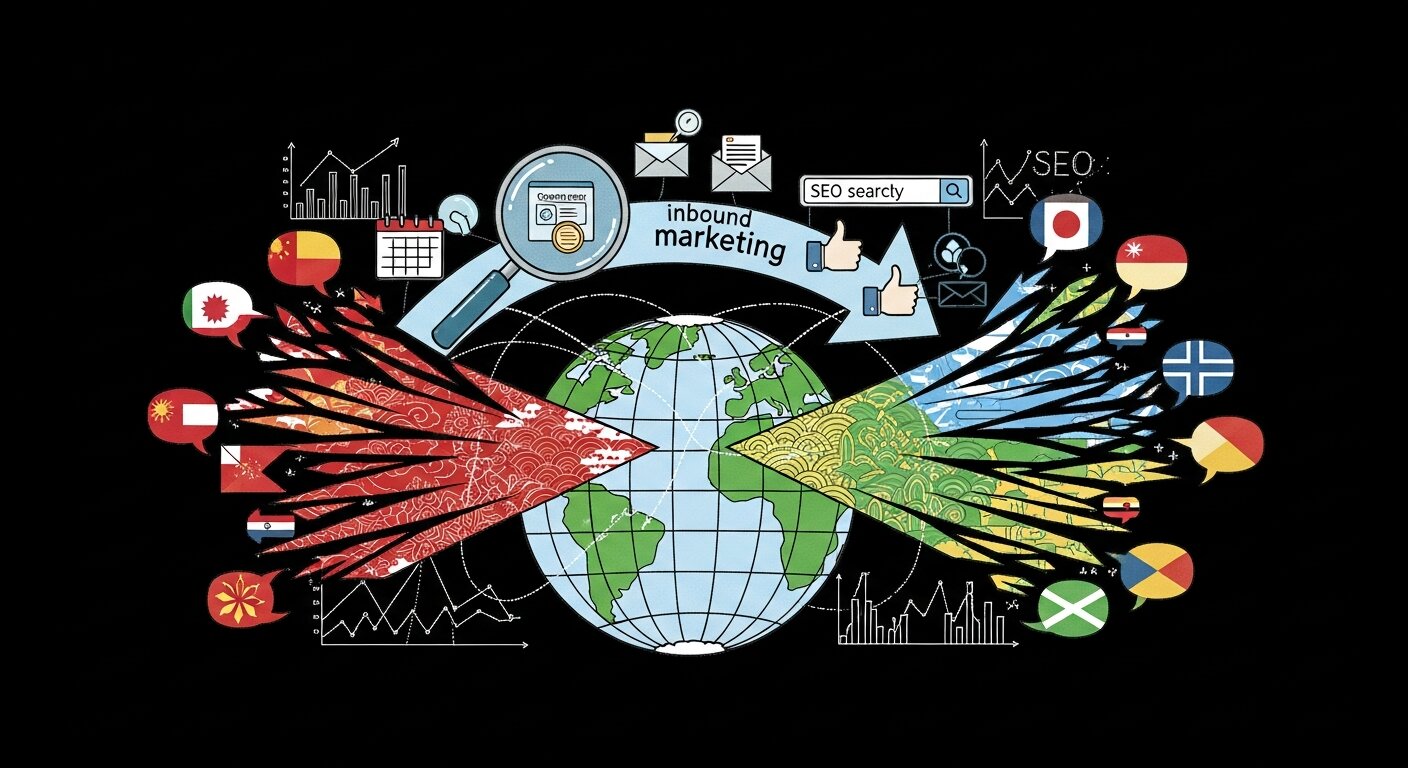
Businesses expanding internationally must adapt inbound strategies for different markets. Inbound marketing localization goes beyond translation to account for cultural differences, local search behaviors, and regional competitive landscapes.
Localization begins with understanding each market’s unique characteristics. Search volume for key terms varies across regions, and cultural references that resonate in one country may confuse or offend audiences elsewhere. Successful localization involves native speakers who understand both language nuances and cultural context. Demonstrating inbound marketing importance in global expansion ensures strategies resonate and engage effectively.
Search engine preferences differ globally. While Google dominates most markets, businesses targeting China, Russia, or South Korea must optimize for Baidu, Yandex, and Naver. Each search engine uses different algorithms requiring adapted optimization strategies. Recognizing inbound marketing importance ensures international SEO efforts deliver measurable results.
The Future of Inbound Marketing
Inbound marketing importance will continue growing as technology enables more sophisticated personalization and buyers increasingly favor self-service research. Artificial intelligence will transform content creation and optimization, using natural language processing to identify content gaps and predictive analytics to forecast trending topics. Automated personalization delivers unique experiences to individual visitors based on behavior patterns.
Voice search optimization becomes critical as smart speakers proliferate. Content strategies must address conversational queries and featured snippet optimization, emphasizing question-answering content over purely keyword-focused writing. Interactive content—calculators, assessments, configurators—creates engaging experiences while capturing valuable data, highlighting inbound marketing importance in modern strategy.
Privacy regulations like GDPR and CCPA require transparent data practices and easy opt-out mechanisms. These changes elevate permission-based marketing, where inbound’s value-first approach provides competitive advantage. Businesses that earn attention through helpful content adapt more easily than those relying on purchased data and interruptive tactics, underscoring the ongoing inbound marketing importance in digital marketing strategy.
Comparison: Traditional Marketing vs Inbound Marketing
|
Factor |
Traditional Marketing |
Inbound Marketing |
|---|---|---|
|
Approach |
Interruption-based, pushing messages to audiences |
Permission-based, attracting audiences with value |
|
Cost Structure |
High ongoing costs, immediate stop when spending ceases |
Lower ongoing costs, compounding returns over time |
|
Lead Quality |
Broad targeting, lower qualification levels |
Self-selecting prospects, higher qualification |
|
Measurability |
Difficult attribution, limited tracking |
Detailed analytics, clear ROI demonstration |
|
Customer Relationship |
Transactional focus, ends at purchase |
Relationship focus, continues post-purchase |
|
Content Lifespan |
Immediate impact, short-term value |
Long-term value, ongoing returns |
|
Personalization |
Limited, message fits broad segments |
Extensive, tailored to individual behaviors |
|
Buyer Control |
Marketer controls timing and delivery |
Buyer controls engagement timing |
Moving Forward With Inbound Marketing
The evidence supporting inbound marketing importance is overwhelming. Businesses prioritizing value creation over interruption consistently outperform competitors clinging to outdated approaches. Lower acquisition costs, higher-quality leads, and improved customer retention create compound advantages that strengthen over time.
Success requires commitment to ongoing content creation, patience as results accumulate, and willingness to iterate based on performance data. Organizations starting their inbound journey should focus on understanding their ideal customers deeply, creating genuinely helpful resources that address real needs, and building systems that nurture relationships beyond initial transactions. The businesses thriving tomorrow are those investing in inbound strategies today, building content libraries and customer relationships that become increasingly valuable with each passing year.
Frequently Asked Questions
What makes inbound marketing different from content marketing?
Inbound marketing is a comprehensive methodology encompassing content marketing, SEO, social media, and email. Content marketing focuses specifically on creating valuable content, making it one component within broader inbound strategies.
How long before inbound marketing shows results?
Most businesses see meaningful results within six to nine months. Early indicators like traffic growth appear sooner, while lead generation and revenue impact require sustained effort as content accumulates and authority builds.
Can small businesses compete using inbound marketing?
Yes, inbound marketing levels the playing field by emphasizing expertise and value over advertising budgets. Small businesses often outperform larger competitors by focusing on specific niches and creating highly relevant content for target audiences.
What budget should businesses allocate to inbound marketing?
Effective inbound strategies typically require 5-10% of revenue, though specific allocations depend on industry competitiveness and growth objectives. Starting smaller with focused efforts allows businesses to prove ROI before scaling investment.
How many blog posts should we publish weekly?
Consistency matters more than volume. Publishing two to three quality posts weekly generates better results than daily publication of mediocre content. Focus on value and strategic topic coverage rather than arbitrary publishing quotas.
Does inbound marketing work for B2B and B2C?
Inbound principles apply across business models, though tactics differ. B2B strategies emphasize longer-form educational content and relationship nurturing, while B2C approaches often incorporate more visual content and social engagement.
What tools are essential for inbound marketing?
Core tools include a content management system, email marketing platform, CRM software, and analytics tools. Many businesses start with free options like WordPress, Mailchimp, and HubSpot’s free CRM before upgrading as needs grow.
How do we measure inbound marketing ROI?
Calculate total marketing investment divided by attributed revenue. Track leading indicators like traffic and conversion rates alongside lagging indicators like customer acquisition cost and marketing-sourced revenue to understand both efficiency and effectiveness.
Can inbound marketing replace sales teams?
No, inbound marketing complements sales by generating qualified leads and educating prospects before sales engagement. This allows sales teams to focus on high-value activities like relationship building and closing rather than cold prospecting.
What’s the biggest inbound marketing mistake?
Prioritizing quantity over quality represents the most common error. Publishing mediocre content to meet volume targets wastes resources while damaging brand perception. Focus on creating exceptional resources that genuinely help your audience.
How often should we update existing content?
Review top-performing content quarterly, updating statistics, examples, and recommendations to maintain accuracy and relevance. This refresh extends content lifespan and often improves search rankings as search engines reward fresh, current information.
Do we need different content for each buyer persona?
Yes, different personas have distinct challenges, priorities, and decision criteria. Creating persona-specific content paths ensures each segment receives relevant messages that address their unique needs, improving conversion rates and customer satisfaction.